
 Español




Strapping Buckle Suppliers
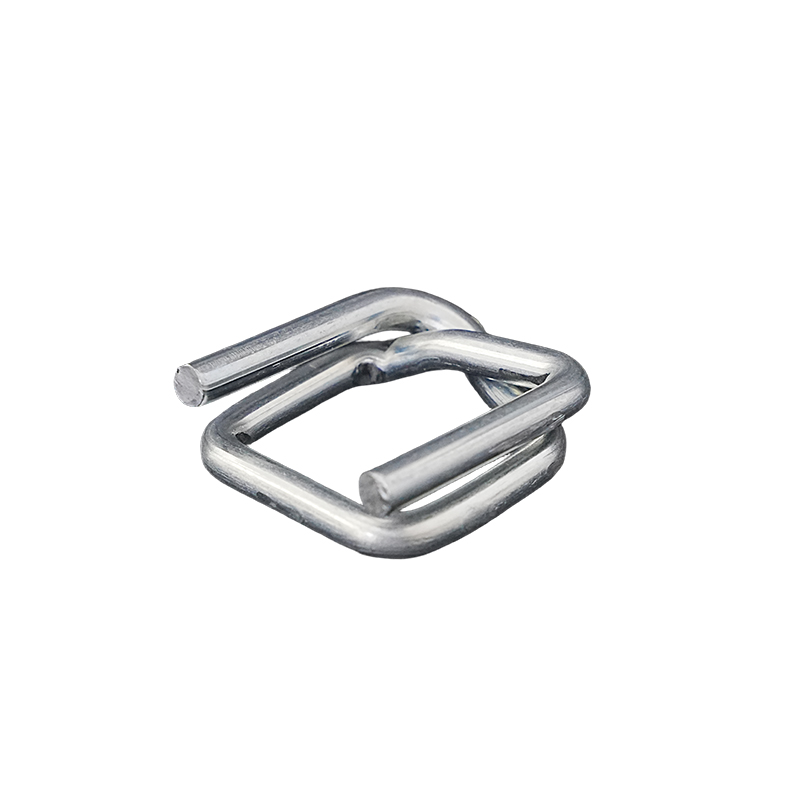
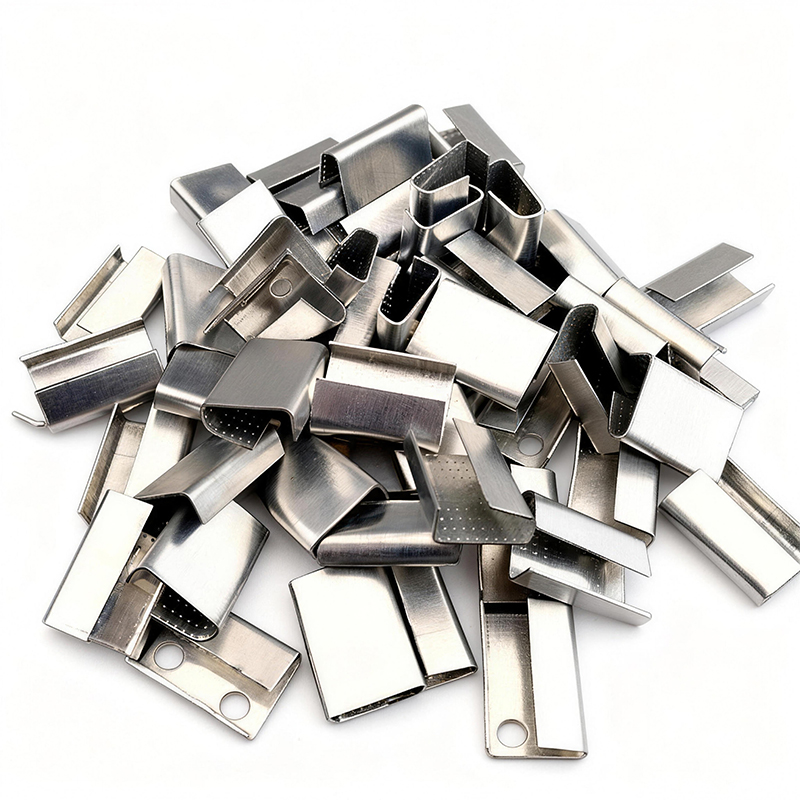
Strapping Buckles and Clips are the critical, high-strength connectors that complete and secure a strapping system, transforming linear strap tension into a locked, reliable loop. As an essential component of manual and semi-automatic bundling operations, our buckles are engineered for maximum grip, durability, and compatibility with specific strap types. We offer a specialized range, including buckles for composite fiber straps and those for PET plastic strapping, each designed to deliver fail-safe closure, prevent strap slippage, and withstand the rigors of transportation and handling. Using the correct buckle ensures the full tensile strength of the strap is utilized, providing a secure, tamper-evident, and professional finish to your packaging and cargo securing process.

Shanghai We Pack Co., Ltd.
Founded in 2019, Shanghai We Pack Co., Ltd. is a subsidiary of Shanghai Mengmao Packaging Technology Co., Ltd. is an integrated packaging company specializing in cargo securing, transport protection, and loading optimization solutions. Strapping Buckle Suppliers and OEM/ODM Strapping Buckle Company in China.
With a 10,000 m² facility, 120 employees, dedicated R&D, testing, and quality control teams, and 9 production lines, wepack offers end-to-end capabilities from design and testing to mass production.
Driven by an engineering approach, wepack strictly controls every key stage—from raw materials to finished products—to ensure reliable performance in real transport conditions.
We Pack’s core products include paper edge protectors, container dunnage air bags, and lashing systems. Wholesale Strapping Buckle. Through joint ventures and industrial collaboration, our portfolio has expanded to paper pallets, plastic pallets, slip sheets, carton sealing tapes, bubble wrap, stretch film, strapping, and packaging equipment.We provide one-stop packaging and transport protection solutions tailored to different cargo types and logistics scenarios.
All We Pack products comply with AAR, SGS, TUV, and other international transport test standards. We support OEM / ODM customization, offering product design and free packaging solution planning based on cargo type, loading method, load requirements, budget, and printing needs—helping customers reduce total logistics costs by 15–30% while ensuring transport safety.
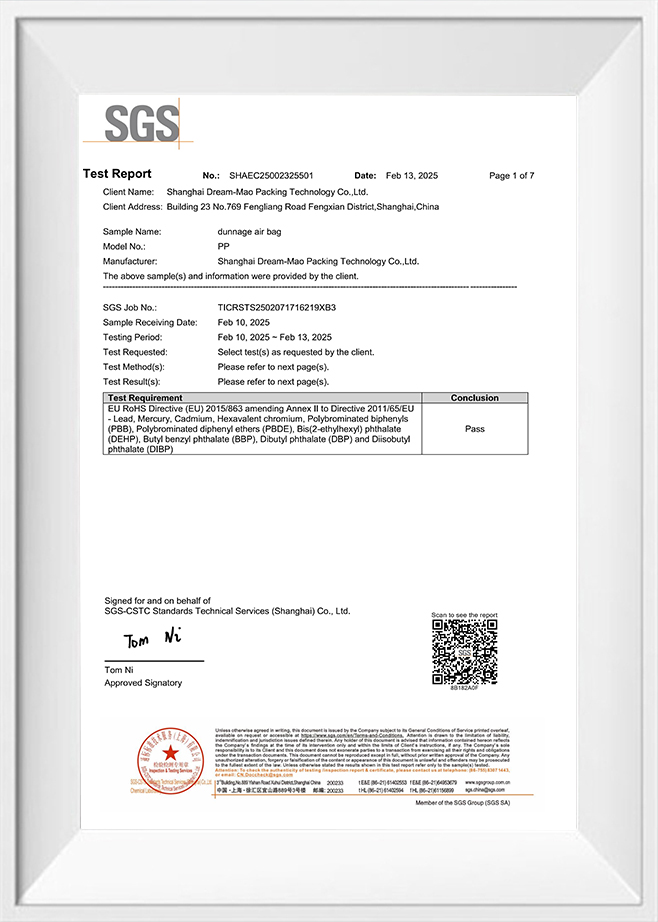
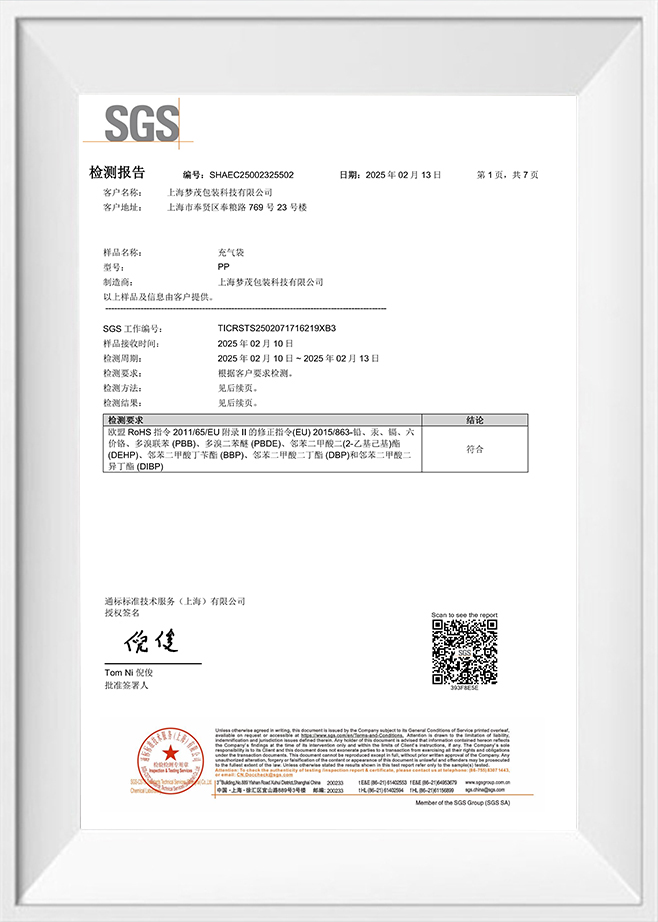
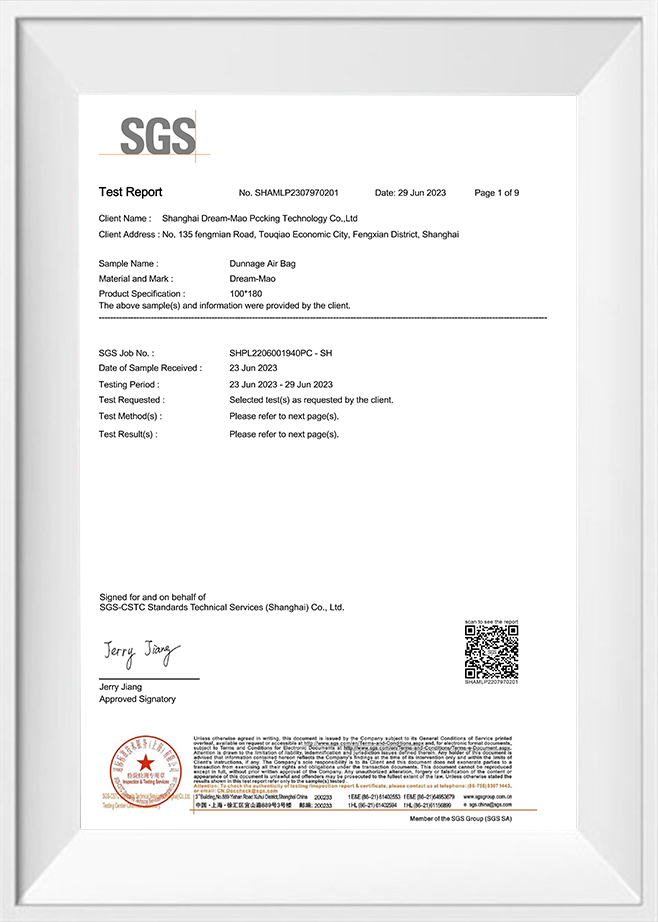
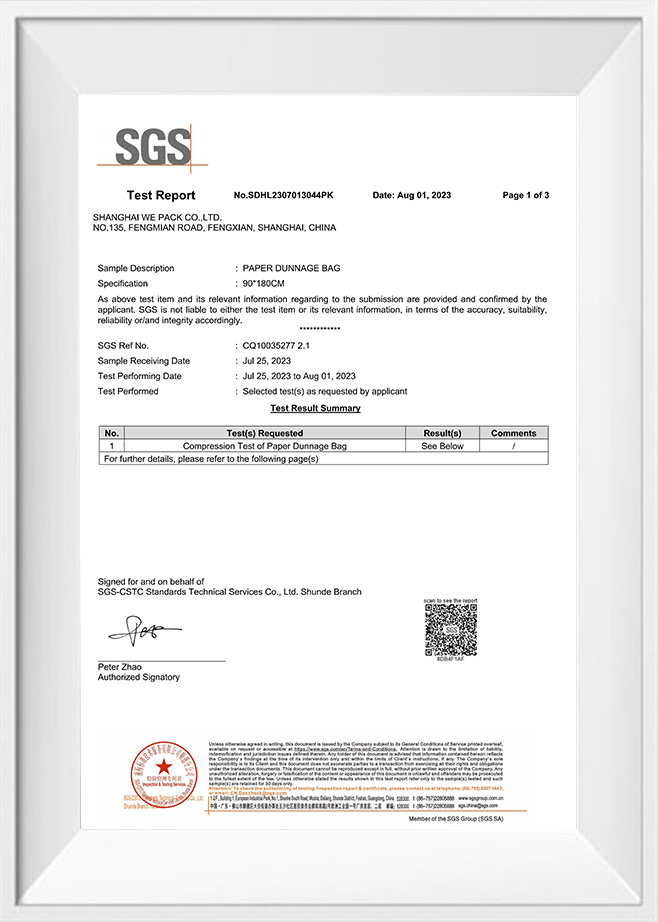
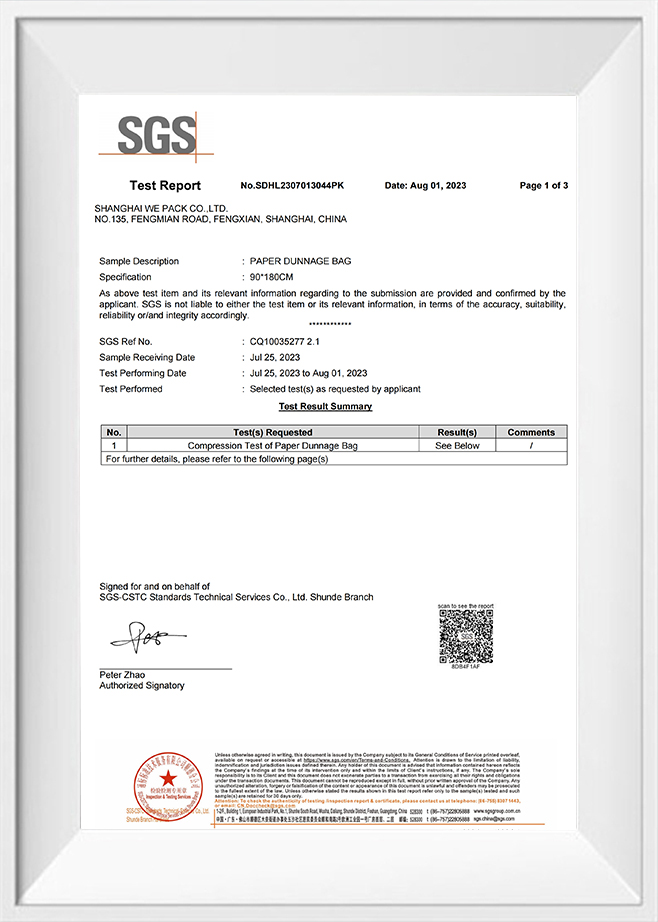
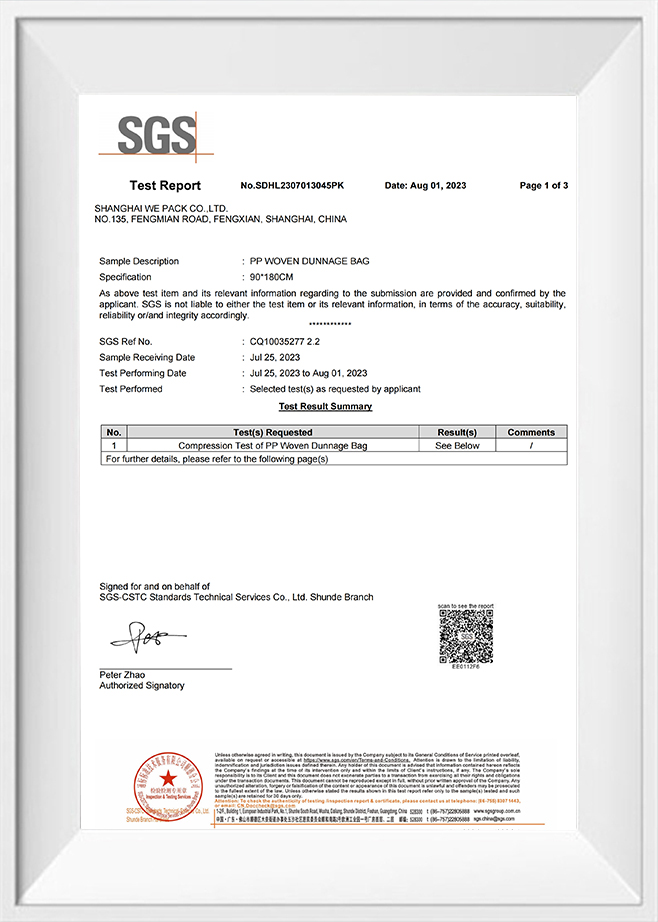
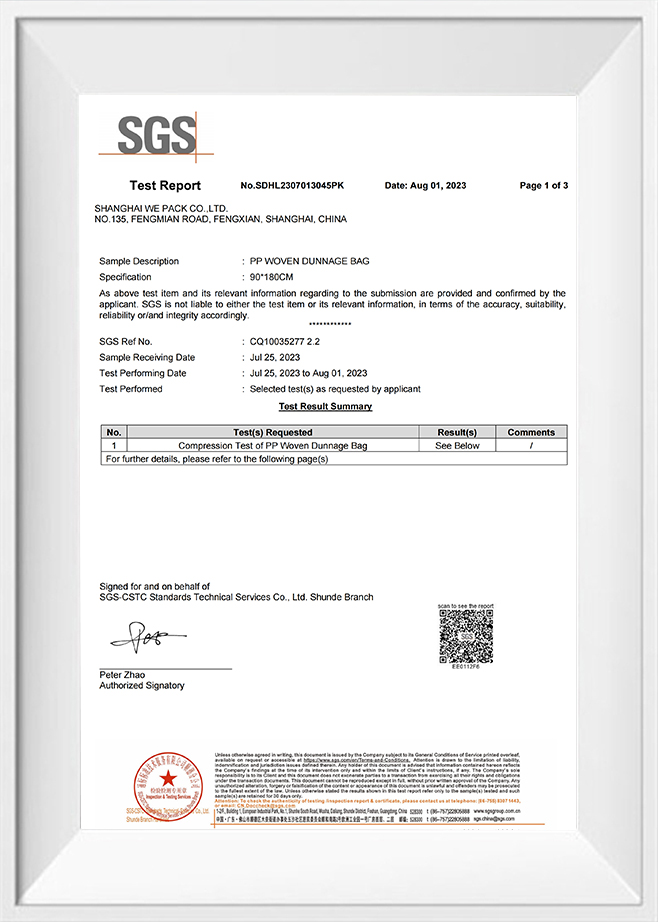
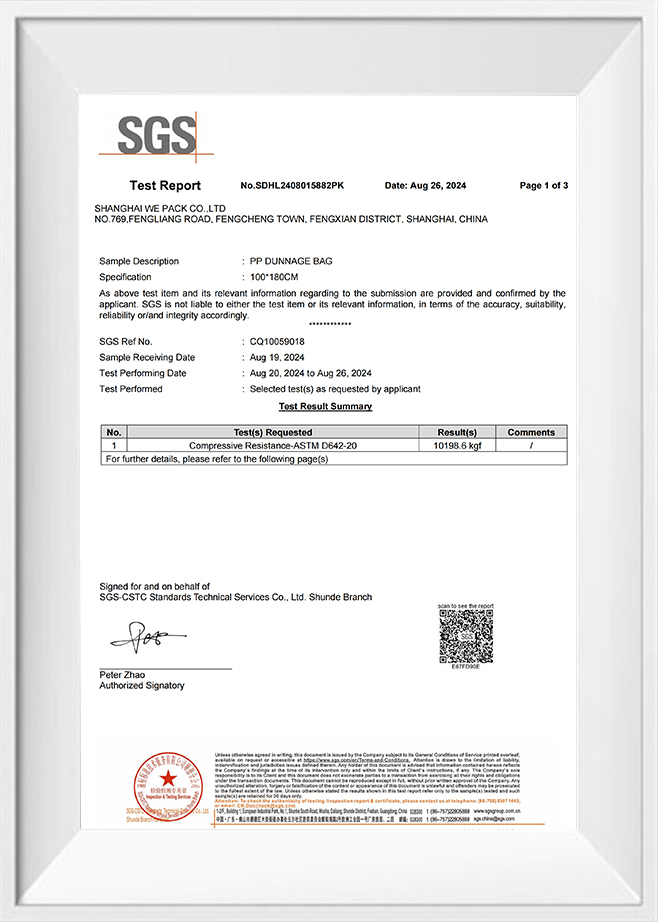
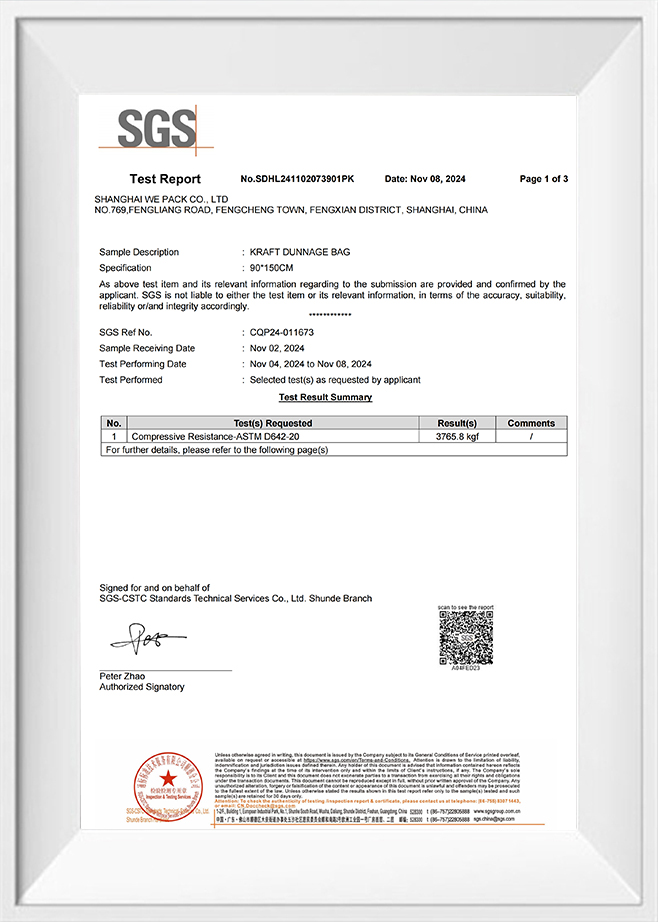
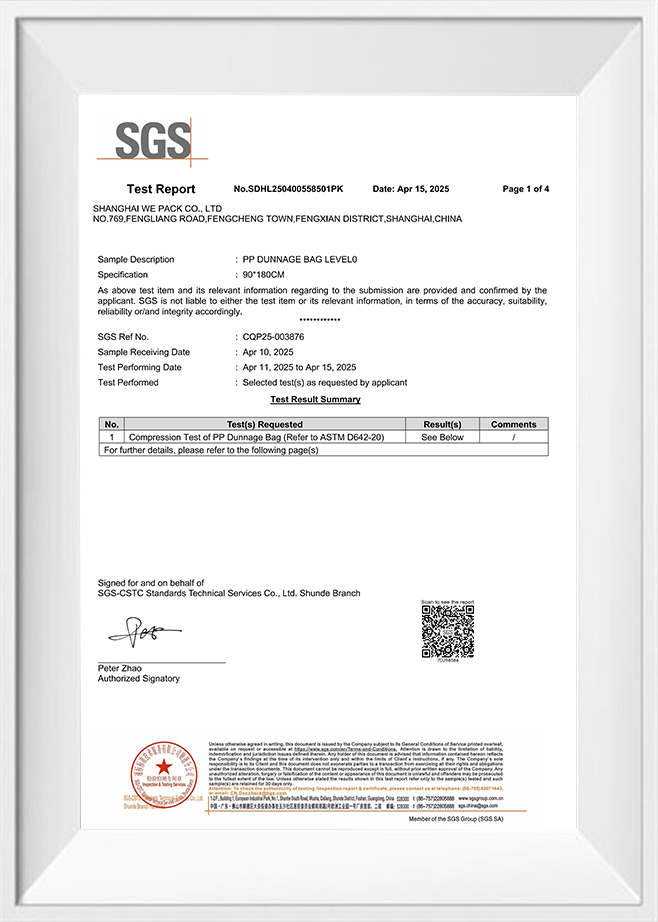
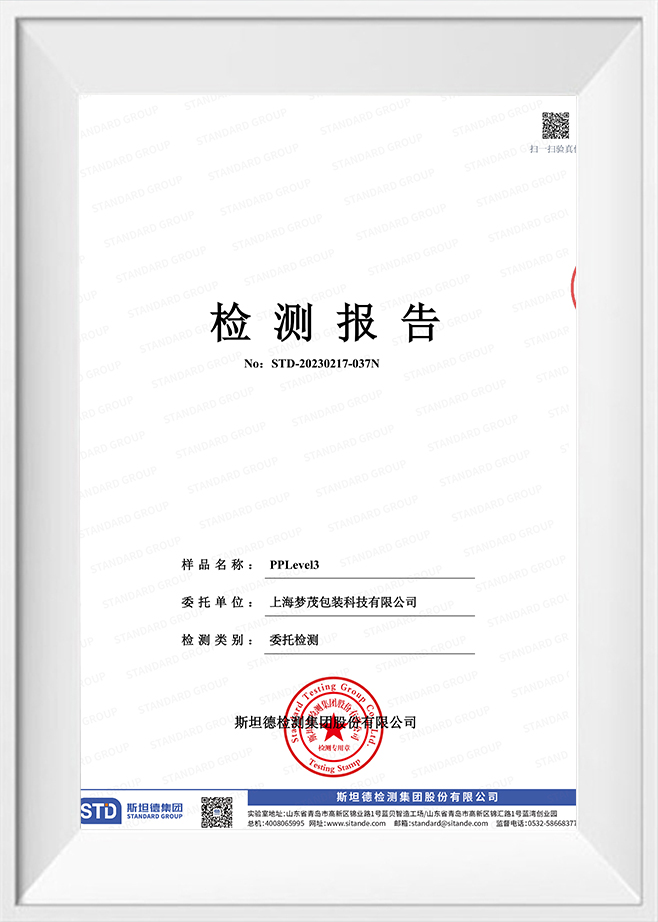
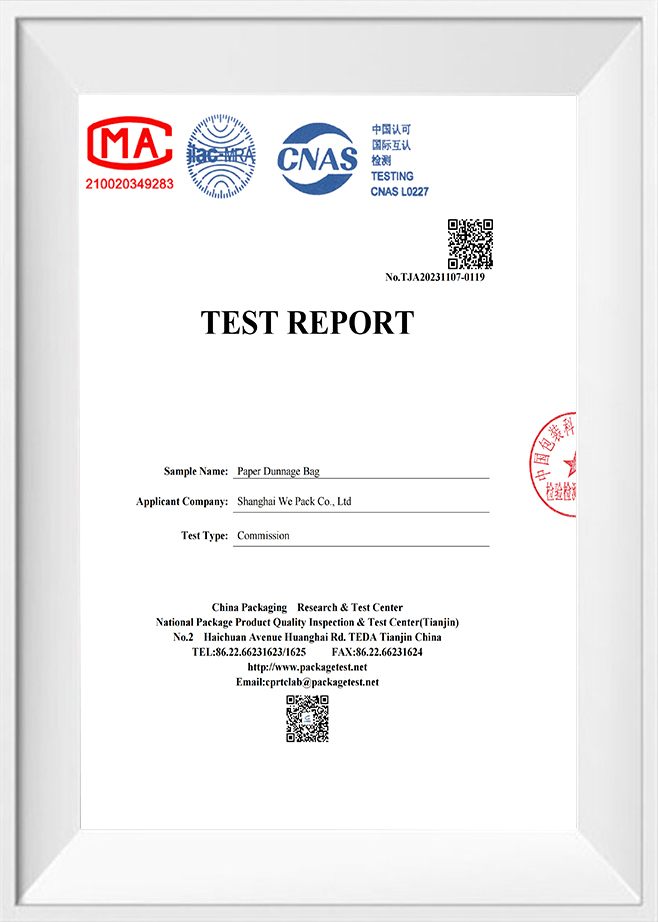
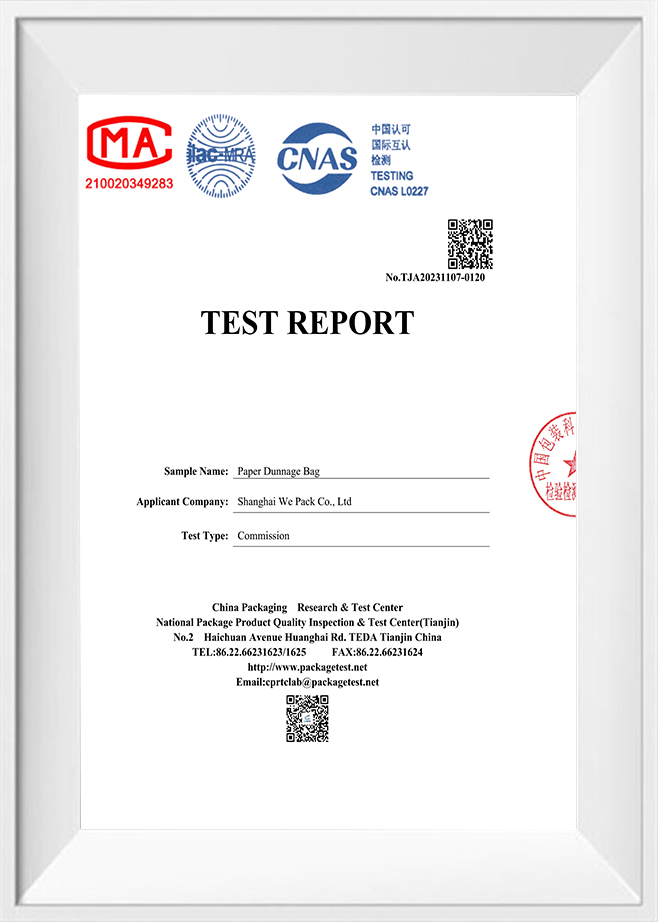
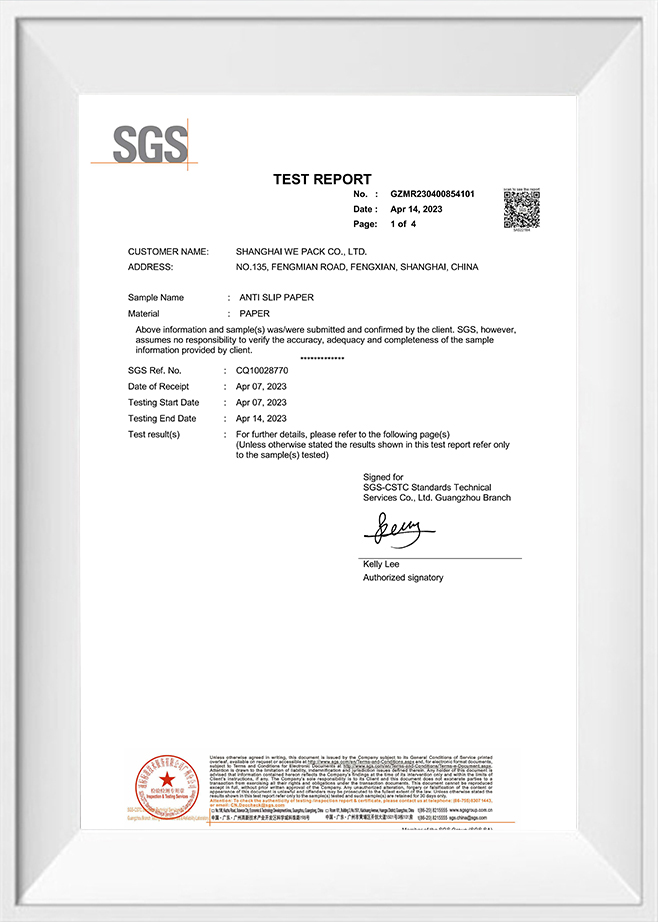
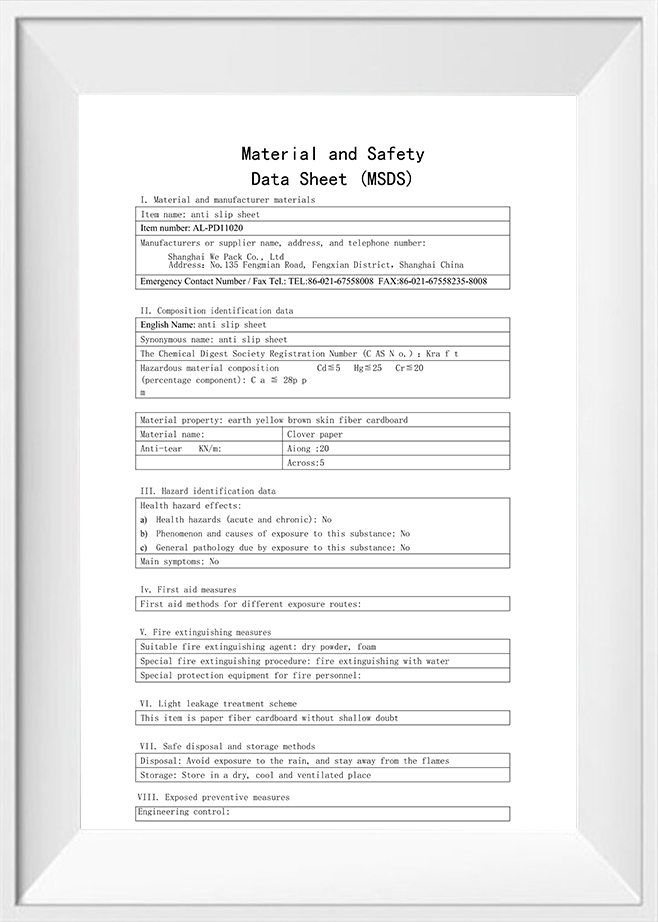
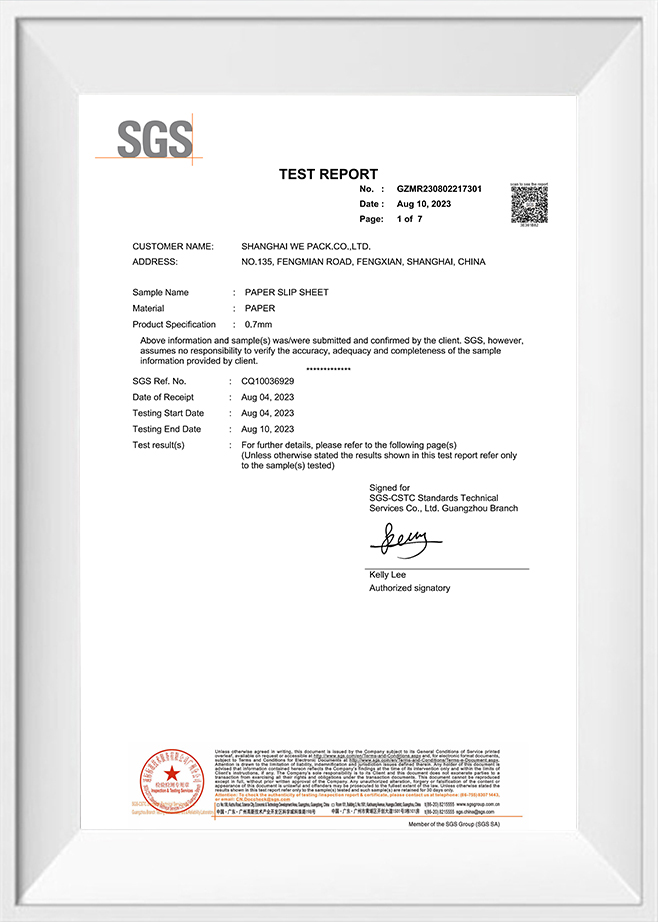
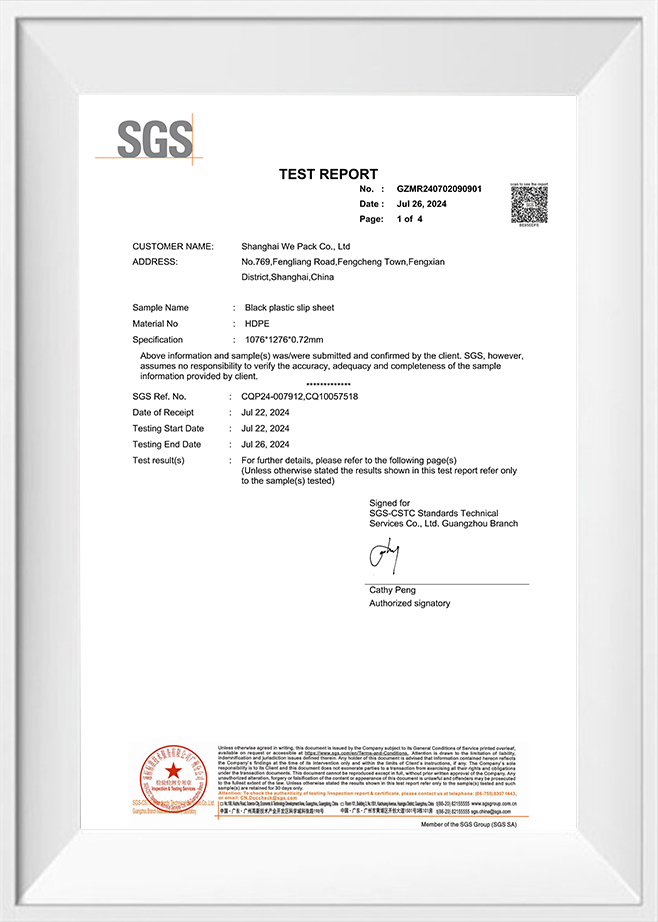
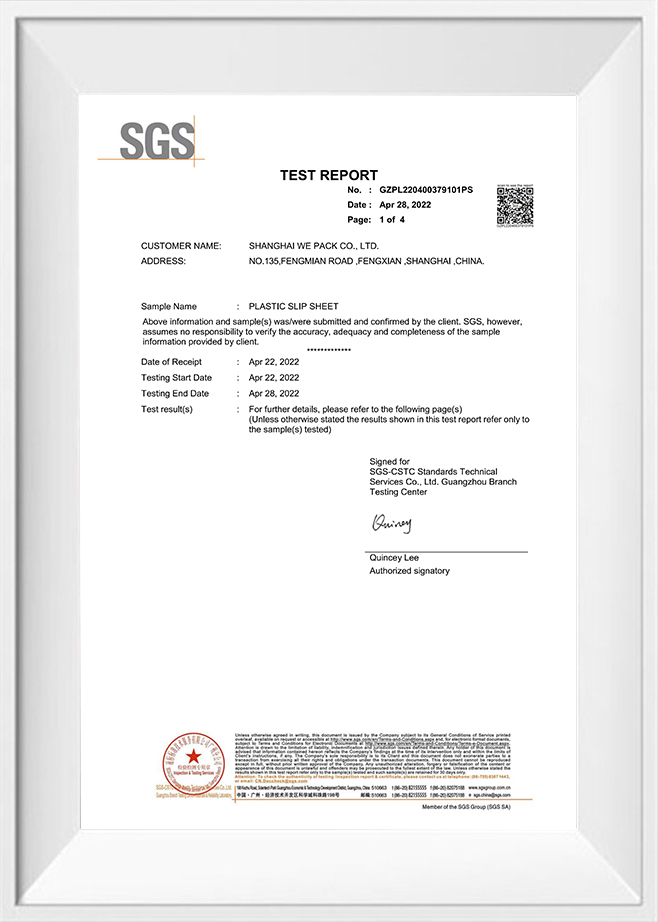
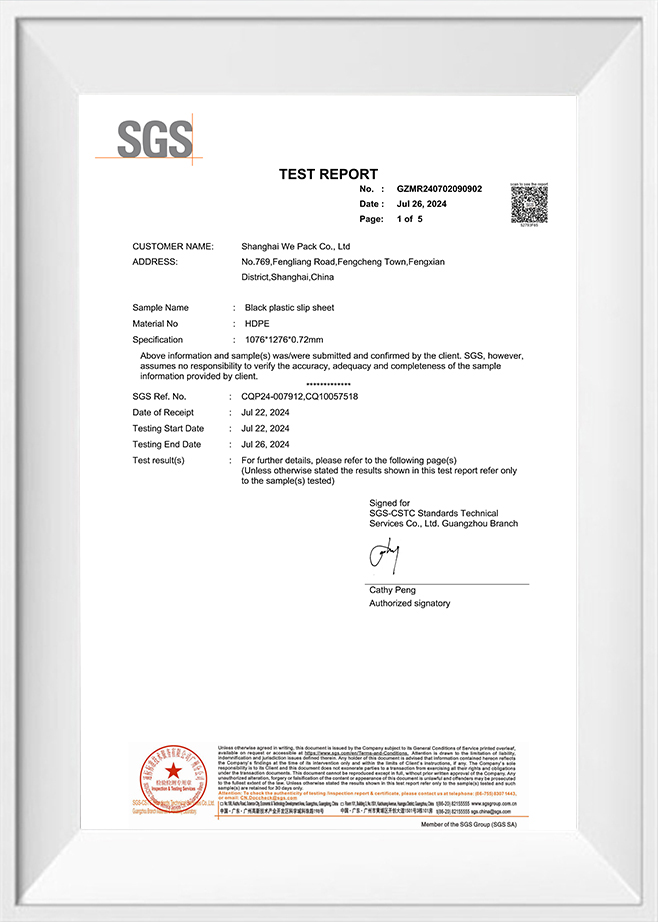
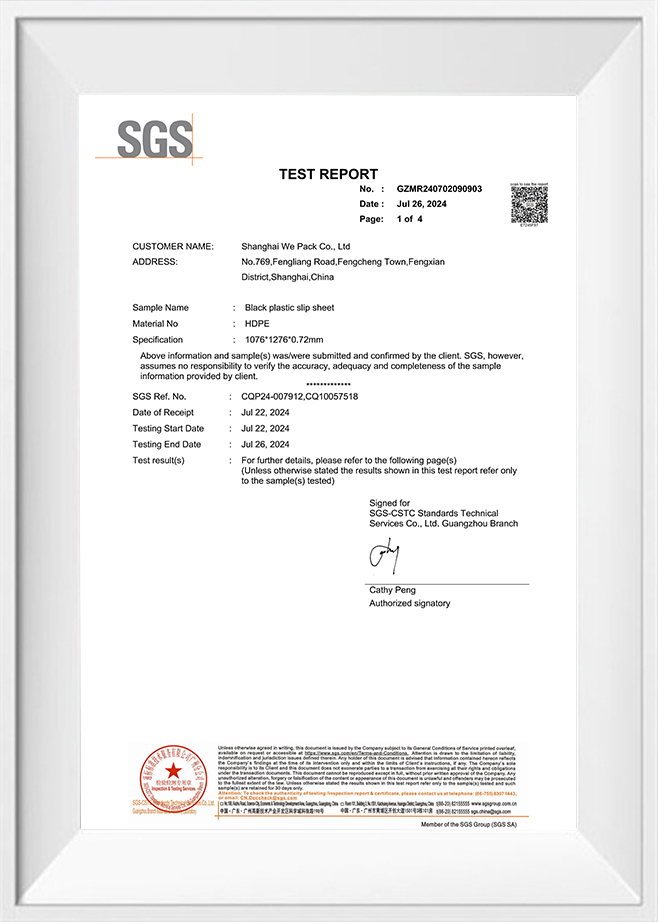
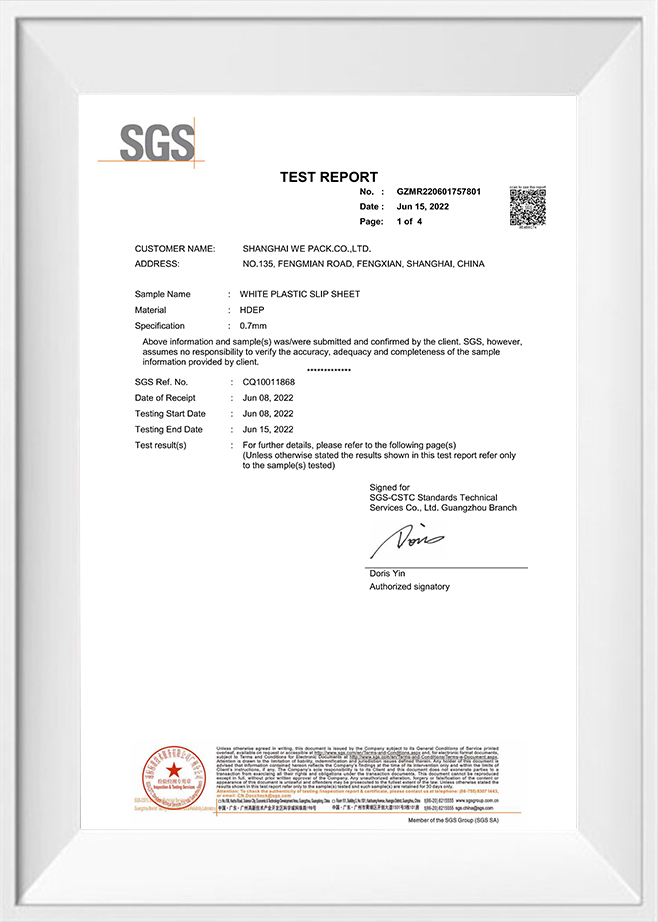
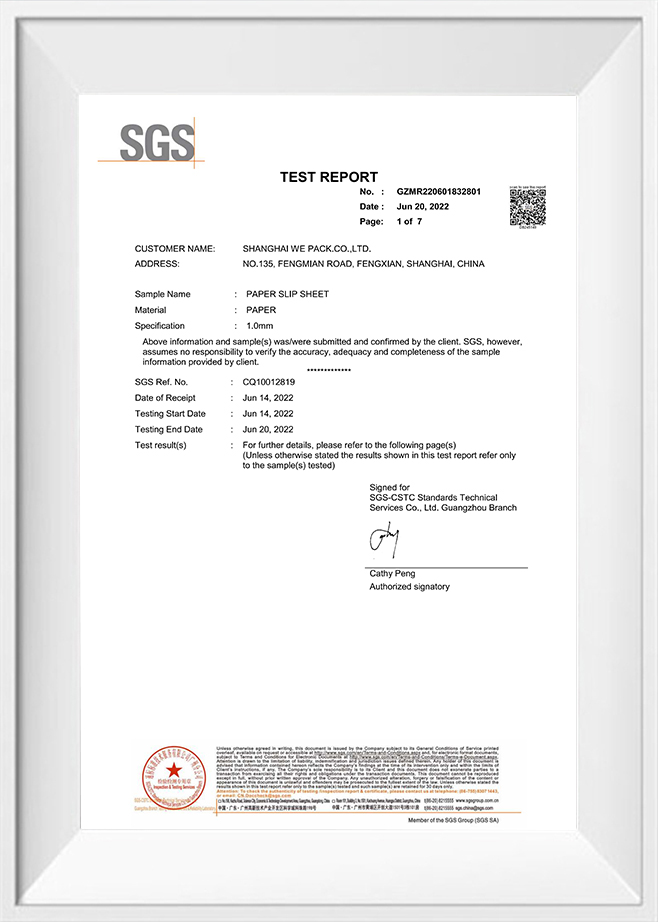
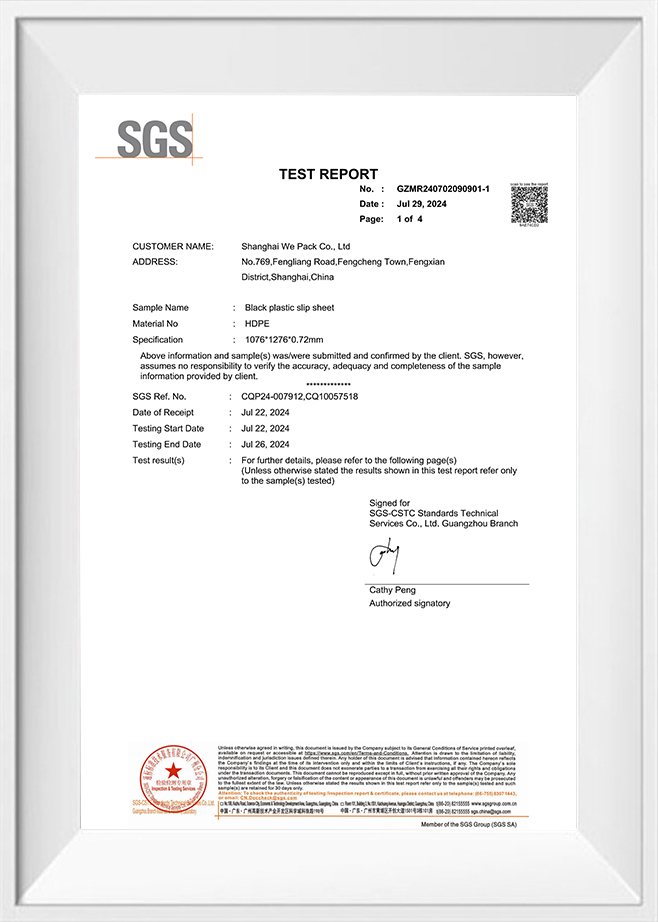
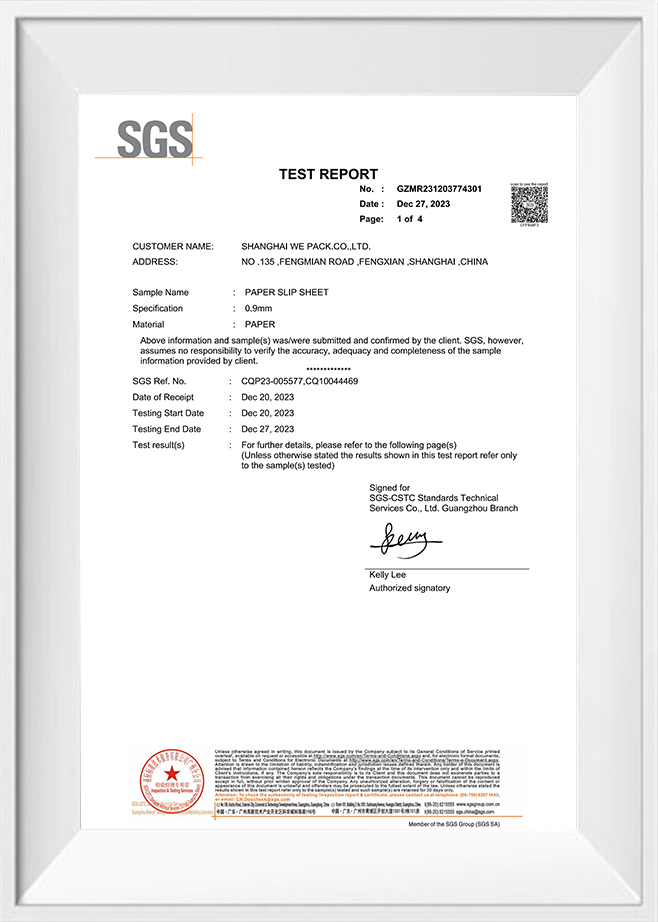
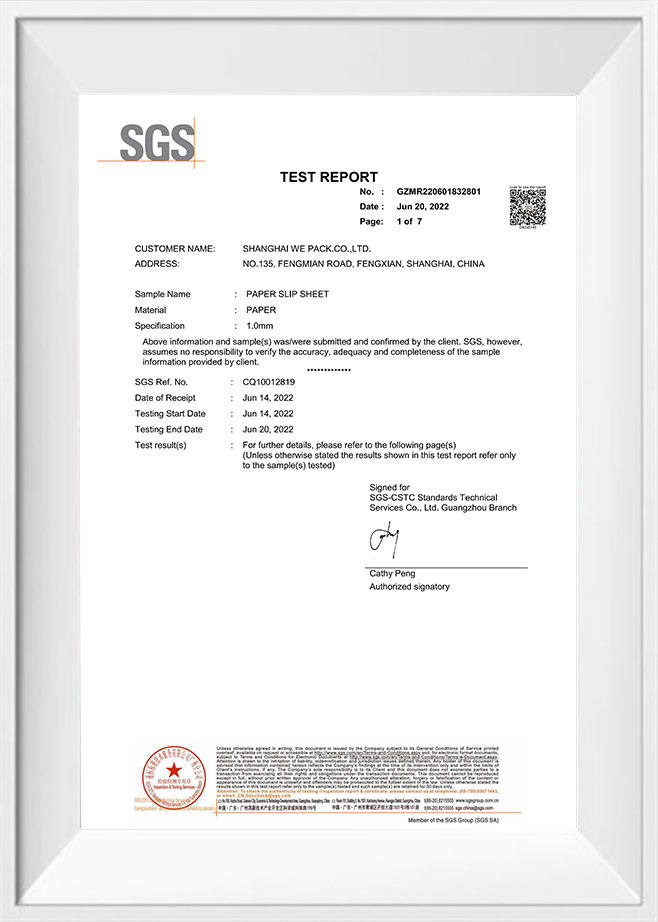
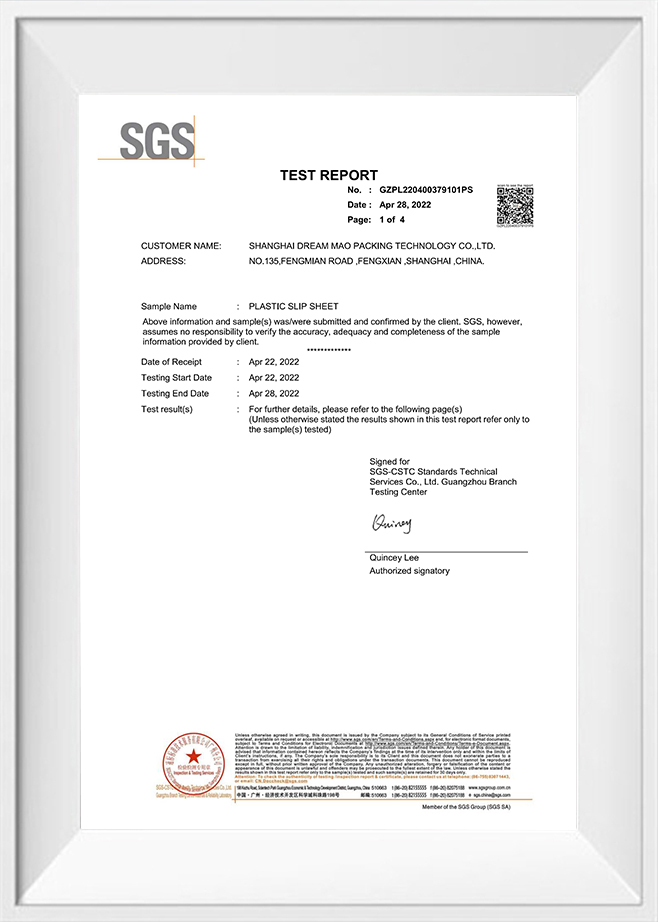
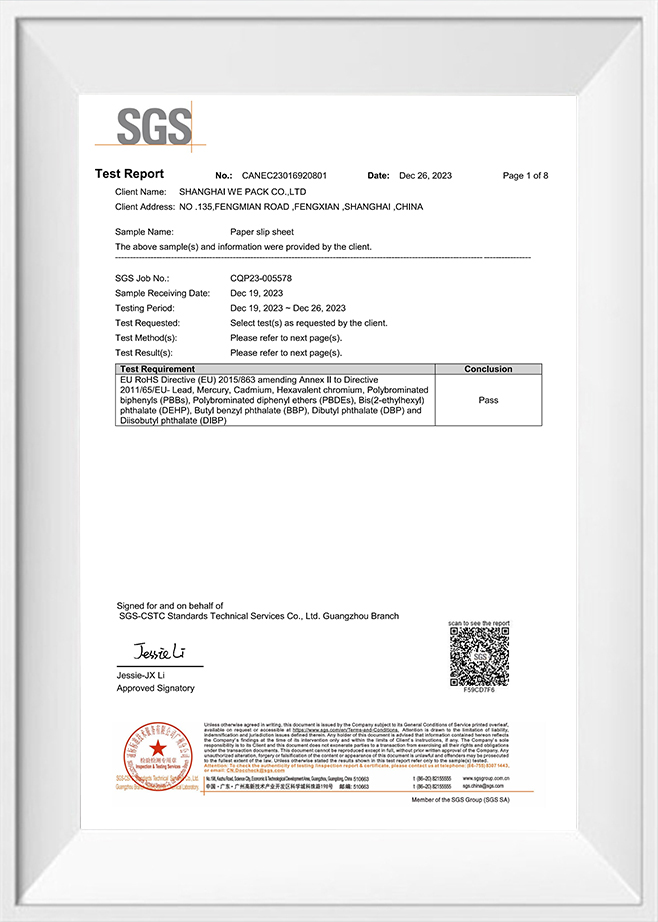
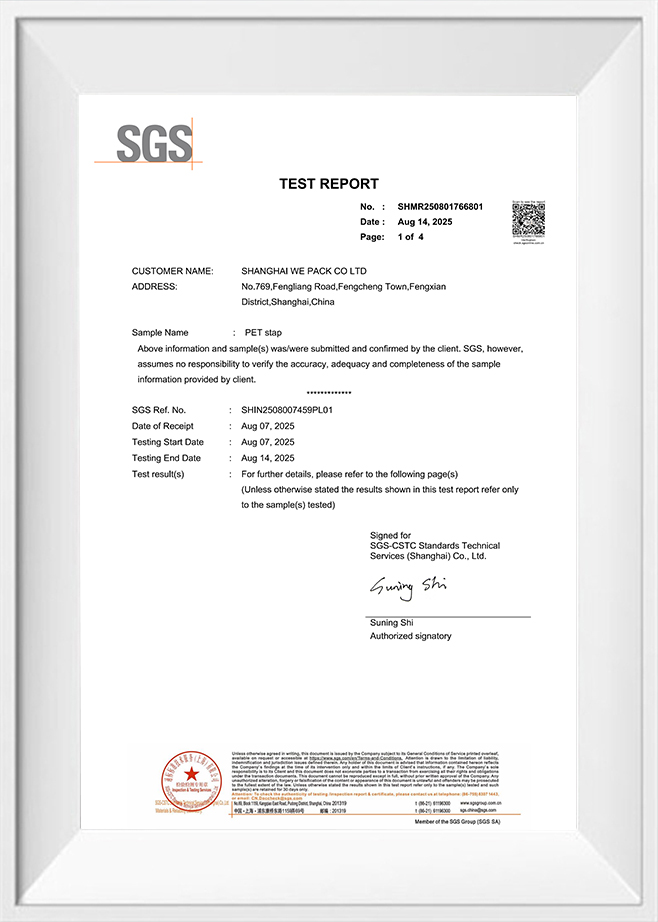
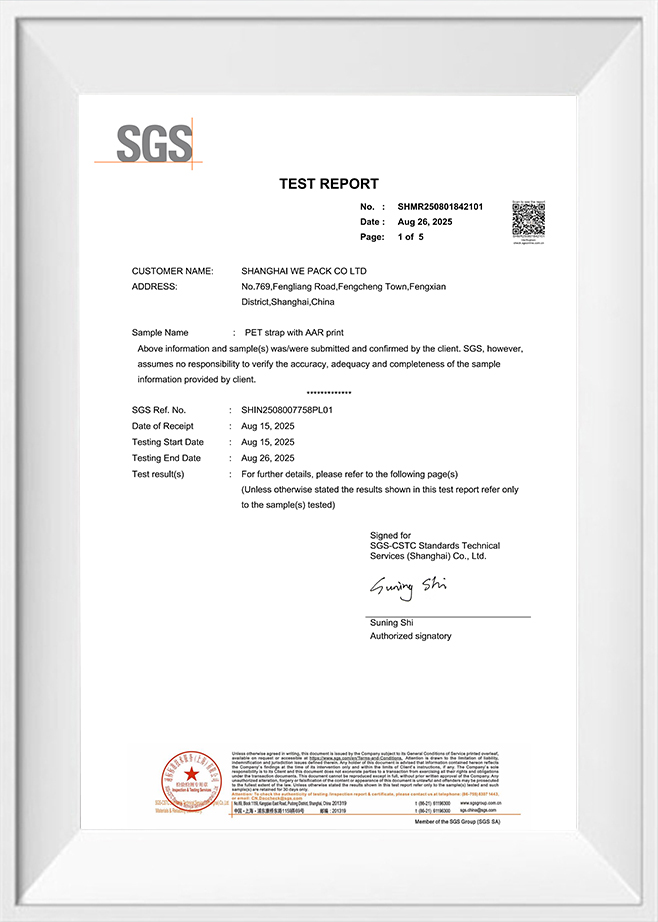
Certificate
Certificate of Honor

WHAT WE
HAPPENED
Checkout Our Current
News
Industry knowledge
Shanghai We Pack Co., Ltd. is a Strapping Buckle manufacturer in China supplying the two closure families that complete a strap loop: fiber buckles for composite and polyester composite strapping, and PET/steel strap buckles for PET plastic and light-duty steel strapping. Buckles are supplied alongside strapping, tensioning and crimping tools, dunnage bags, corner protectors, slip sheets and stretch film, so a load can be secured, protected and unitized from one engineering source.
Founded in 2019 as a subsidiary of Shanghai Dreammao Packaging Technology Co., Ltd., we operate a 10,000 m² facility with 120 employees, dedicated R&D, testing and quality control teams, and 9 production lines covering design, testing and mass production of cargo securing and transport protection products.
The Engineering Role of the Buckle in a Strapping System
A strap carries load only when its two ends are joined. The buckle converts linear strap tension into a locked loop, and the joint — not the strap — usually decides how much of the strap's tensile strength actually reaches the cargo. A buckle that is too hard cracks at the tabs during crimping; one that is too soft deforms without gripping, and the strap slips under vibration.
Joint performance is a system result, not a single-part property. We match the buckle to the strap, the closing tool and the transport condition rather than treating it as a generic clip.
- Strap type, width and breaking strength
- Buckle steel grade, hardness and tab geometry
- Crimping tool jaw profile and closing force
- Surface finish and corrosion protection for the route
- Edge radius and burr control where the strap passes through
Our Strapping Buckle Range
| Buckle type | Strap it closes | Closing method | Typical applications | Customization |
|---|---|---|---|---|
| Fiber Buckle | Polyester composite fiber strap, heavy-duty woven strap | Interlocking wings crimped by a fiber strap tensioner | Steel coils, pipes, timber, heavy bundles, rail and sea freight | Size, steel grade, zinc or phosphated finish, private label |
| PET/Steel Strap Buckle | PET plastic strap, light-duty steel strap | Pre-formed tabs pressed and deformed by a hand or pneumatic crimper | Palletized goods, cartons, medium-duty industrial bundles | Width, thickness, galvanized or painted finish, OEM packing |
| Project-specific buckle | Defined by the customer's strap and load case | Matched to the customer's existing tensioner or crimper | OEM/ODM programs, distributor own-brand ranges | Drawing or sample based development, printing, bulk packing |
Fiber Buckle
The fiber buckle — also called a composite strap buckle or lashing buckle — is the designated connector for high-strength polyester composite fiber straps. It is a stamped, hardened steel part with a corrosion-resistant zinc or phosphated finish and an interlocking wing design. A dedicated tensioner pulls the strap to tension and then crimps the wings, producing a permanent mechanical lock. This is the closure used where the securing system must hold loads such as steel coils, pipes and timber, and where the joint has to survive repeated shock and vibration in transit.
PET/Steel Strap Buckle
The PET/steel strap buckle, often called a seal or friction clip, is a flat stamped steel piece with pre-formed tabs, supplied galvanized or painted. It is laid over the two overlapping strap ends and closed with a hand tool such as a crimper, which presses and deforms the tabs so they bite into the strap. The result keeps PET strap from unraveling and holds tension on palletized goods, boxes and medium-duty industrial bundles, with a low cost per joint.
Matching Buckle to Strap, Tension and Tooling
We configure the buckle around the strap and the closing tool already in use on your line or at your packing station. The variables we confirm before quoting are straightforward, and getting them right is what keeps joint strength repeatable across a shift.
- Strap material and width — composite fiber, polyester woven, PET or light steel, and the nominal strap width the buckle must accept.
- Strap breaking strength and target joint efficiency — the buckle is sized so the joint does not become the weak point of the loop.
- Closing tool — manual fiber strap tensioner, hand crimper, pneumatic strapping tool or automatic strapping machine jaw.
- Corrosion exposure — inland trucking, short-sea or long ocean voyages, and whether zinc plating or phosphating is the better finish.
- Handling and safety — deburred strap contact edges and consistent tab forming reduce cut strap and operator injury risk.
Material, Finish and Joint Integrity
Buckle bodies are formed from steel strip, heat treated where the design requires the hardness needed for tab crimping, and finished with zinc plating or phosphating for corrosion resistance. We control the stages that determine whether the joint holds: incoming steel strip, stamping and forming, hardening, surface finishing, and the final inspection of tab geometry and edge condition.
Because the buckle is a stamped part, small variations in die wear, strip thickness or coating build-up change how the tabs close. Our quality control team checks these characteristics batch by batch, and the same engineering discipline applied to our dunnage bags and corner protectors applies here — raw material to finished product, with traceability through the process.
A Buckle Is One Part of the Load Securement System
Buckles rarely ship alone in a working program. They are specified together with the strap they close and the tool that closes them, and often with the protection materials that keep the load itself intact. Supplying these from one source keeps the joint, the strap and the tool matched instead of assembled from three catalogues.
- Composite Strap — high-tensile polyester composite strapping for heavy bundles and coils, closed with fiber buckles.
- PET Packing Strap — plastic strapping for palletized and medium-duty loads, closed with PET/steel strap buckles.
- Packaging Tool — tensioners, crimpers, dispensers and strapping machines that determine the closing force applied to the buckle.
- Dunnage bags, paper corner protectors, slip sheets and stretch film to complete void filling, edge protection and unitization.
OEM/ODM Customization
We support OEM and ODM programs for buckles: dimensions and tab profile, steel grade and hardness, zinc or phosphated finish, and printed or private-label packaging. Development can start from your drawing or from a physical sample, and our engineering team reviews the strap and tool combination before tooling is committed. Minimum order quantity is 100 pieces, which allows trial runs before volume supply, and samples can be provided for joint testing on your own strap and tool.
Quality Assurance and Acceptance Testing
Quality control runs on a three-tier system: our own laboratory, advanced testing equipment, and third-party institutions such as SGS and TUV. Our management system holds ISO 9001 certification, and products are supplied against AAR, SGS and TUV international transport test standards. Test reports can be issued for supplied batches where the project requires documented evidence.
For buckle acceptance, the practical checks are joint tensile behaviour on the customer's strap, tab closure consistency, coating appearance and corrosion performance, and freedom from burrs at the strap contact edges. We agree the acceptance basis with the customer before the first production run so that incoming inspection at the destination matches what was tested at the factory.
Information We Use to Configure Your Solution
| Project input | What we need from you | How it shapes the proposal |
|---|---|---|
| Strap specification | Material, width, thickness, breaking strength | Selects buckle family and tab geometry |
| Closing method | Tensioner or crimper model, manual or pneumatic | Sets hardness and wing profile for reliable closure |
| Load and transport case | Cargo type, weight, securing method, route and mode | Confirms joint target and finish selection |
| Environment | Indoor storage, inland trucking, ocean freight, humid climate | Drives zinc plating versus phosphated finish |
| Branding and packing | Printing, label, carton count, pallet configuration | Defines OEM packing and delivery scope |
| Volume and schedule | Trial quantity, annual demand, delivery destination | Sets production planning and shipment terms |
Packaging, Delivery and Documentation
Buckles are packed in cartons or bulk bags according to the customer's handling preference, with printed labels and private-brand cartons available. Shipments are prepared with packing lists and the material or test documentation agreed for the order, and we work on EXW, FOB, CIF and DDP terms. The factory sits in Fengxian District, Shanghai, close to Shanghai Port and Pudong International Airport, which keeps export handling short for repeat programs.
Frequently Asked Questions
What is the difference between a fiber buckle and a PET/steel strap buckle?
A fiber buckle closes high-strength polyester composite strap and locks through interlocking wings crimped by a tensioner, so it suits heavy loads such as coils, pipes and timber. A PET/steel strap buckle closes PET plastic or light-duty steel strap using pre-formed tabs pressed by a crimper, and is used for palletized goods, cartons and medium-duty bundles.
Can you produce buckles to our drawing or sample?
Yes. We develop buckles from customer drawings or physical samples, covering dimensions, tab profile, steel grade, finish and packaging. Our engineering team reviews the strap and closing tool combination with the drawing so the finished part closes correctly in your existing process.
What is the minimum order quantity for strapping buckles?
Our minimum order quantity is 100 pieces, which supports trial orders and sample evaluation before volume supply. Larger and repeat orders are produced on the same lines, so the specification does not change between the trial batch and the production batch.
How do you control buckle quality before shipment?
Control covers incoming steel strip, stamping and forming, hardening, surface finishing and final inspection of tab geometry, coating and edge condition. Our own laboratory and testing equipment handle routine checks, and third-party institutions such as SGS and TUV can provide test reports where the project requires them.
Do you supply buckles together with strap and tools?
We supply buckles as part of a complete securing package: composite strap, PET packing strap, tensioners, crimpers, dispensers and strapping machines, plus dunnage bags, corner protectors, slip sheets and stretch film. Supplying the joint, the strap and the tool together keeps the closing force and the buckle design matched.
Which markets do you ship strapping buckles to?
Our products are exported to North America, South America, Europe, Asia and the Middle East, and our team works with the compliance and transport requirements of each destination. Trade terms include EXW, FOB, CIF and DDP, with T/T as the standard payment method and other terms negotiable for long-term cooperation.

PRODUCT
CONTACT INFO
-
 +86-137 7421 9489
-
 +86-021-67558008
-
 [email protected]
-
 No.769 ,23# building, Fengliang Road,Fengcheng town,Fengxian District,Shanghai,China
MOBILE QR CODE

