
 Español




PET Packing Strap Manufacturers
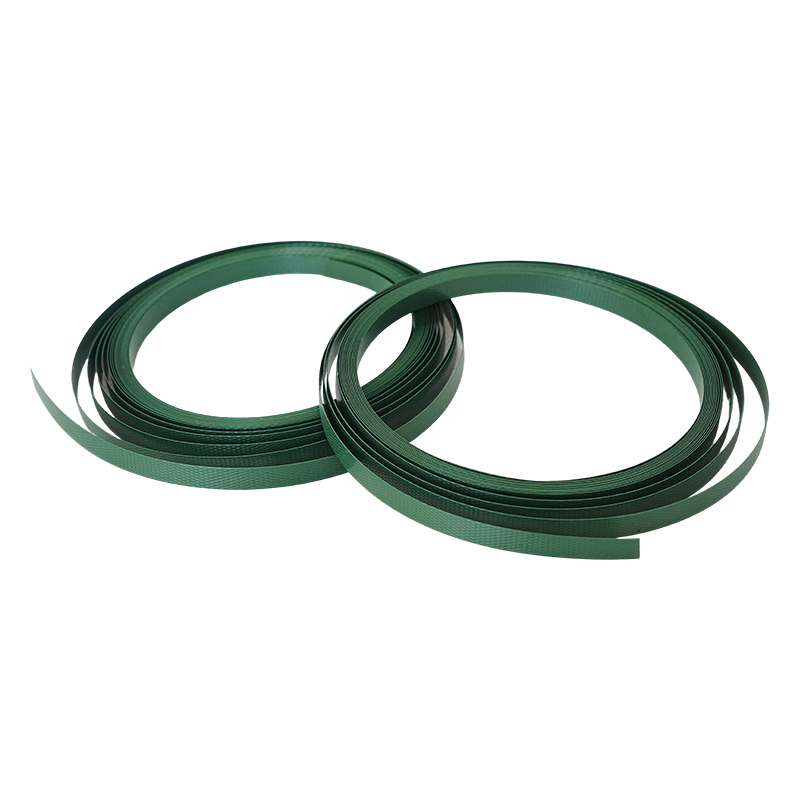
Our PET Straps offer high tensile strength, low stretch recovery, and excellent durability. They are the preferred solution for securing heavy loads, unitizing pallets, and applications where minimal strap relaxation is critical, serving as a strong and reliable alternative to steel strapping

Shanghai We Pack Co., Ltd.
Founded in 2019, Shanghai We Pack Co., Ltd. is a subsidiary of Shanghai Mengmao Packaging Technology Co., Ltd. is an integrated packaging company specializing in cargo securing, transport protection, and loading optimization solutions. PET Packing Strap Manufacturers and PET Packing Strap Factory in China.
With a 10,000 m² facility, 120 employees, dedicated R&D, testing, and quality control teams, and 9 production lines, wepack offers end-to-end capabilities from design and testing to mass production.
Driven by an engineering approach, wepack strictly controls every key stage—from raw materials to finished products—to ensure reliable performance in real transport conditions.
We Pack’s core products include paper edge protectors, container dunnage air bags, and lashing systems. Custom PET Packing Strap. Through joint ventures and industrial collaboration, our portfolio has expanded to paper pallets, plastic pallets, slip sheets, carton sealing tapes, bubble wrap, stretch film, strapping, and packaging equipment.We provide one-stop packaging and transport protection solutions tailored to different cargo types and logistics scenarios.
All We Pack products comply with AAR, SGS, TUV, and other international transport test standards. We support OEM / ODM customization, offering product design and free packaging solution planning based on cargo type, loading method, load requirements, budget, and printing needs—helping customers reduce total logistics costs by 15–30% while ensuring transport safety.
Certificate
Certificate of Honor


WHAT WE
HAPPENED
Checkout Our Current
News
Industry knowledge
Shanghai We Pack Co., Ltd. produces PET packing strap as one line inside a wider cargo securing and transport protection programme that also covers dunnage bags, paper corner protectors, slip sheets, stretch film and strapping equipment. PET strap is the grade we build for loads that have to arrive with tension still in the joint: steel and aluminium coils, ingots, brick and block, timber, pipe bundles, palletized cartons and export bales.
We Pack was founded in 2019 as a subsidiary of Shanghai Dreammao Packaging Technology Co., Ltd., an 18-year packaging group. A 10,000 m² facility, 120 employees, dedicated R&D, testing and quality control teams and nine production lines give us end-to-end capability from design and testing through to mass production, with OEM/ODM development running alongside repeat volume supply.
PET Strapping Where Steel Is Overkill and PP Is Not Enough
Polyester strap is molecularly oriented during extrusion, so it carries high tensile load with very little stretch and keeps holding after the load settles. That behaviour is what makes it the working replacement for steel strapping across most unitizing and bundling jobs, and the reason PP strap is not a substitute wherever a load will compress in transit.
| Behaviour | PET packing strap | PP packing strap | Steel strap |
|---|---|---|---|
| Elongation under tension | Low; tension is held as the load settles | High; relaxes and needs re-tensioning | Very low |
| Retained tension after transit | Stable across long sea and road legs | Drops noticeably on compressible loads | Stable, but concentrates load at the edge |
| Recoil on failure | Low stored energy; no whip | Low stored energy | High; needs handling controls and edge protection |
| Corrosion | Unaffected by moisture and salt air | Unaffected | Rusts; stains cargo and loses section |
| Contact with the product | Rounded, non-marking | Rounded, non-marking | Can cut cartons, soft metals and pipe coatings |
| Typical fit | Coils, ingots, bales, brick, timber, palletized loads | Light cartons, print stacks, light bundles | Heavy coils and high point-load securing |
Where a load is heavy but the contact surface is soft, PET usually wins on total cost: no edge protectors, no rust staining, no cut hands on the unloading dock, and a strap that can be cut and disposed of with the packaging waste stream.
The PET Packing Strap Range We Supply
Our PET Packing Strap manufacturer line covers embossed and smooth surfaces, standard green and black through to white and blue, and coil formats built around the tool that will run them. Strap is produced to the width, gauge and break-strength grade the securing pattern calls for, not to a single catalogue size.
Because the strap sits inside a system, we supply it alongside the rest of the securing family: PP Packing Strap for light bundling, Composite Strap for hand-applied heavy loads, polyester woven strap, ratchet tie-downs, PET/steel strap buckles and fibre buckles.
Configuration variables we work with
| Variable | What it changes | Options we build to |
|---|---|---|
| Strap width | Contact pressure and load carried per strap | Narrow bands for light bundles through wide bands for coils and heavy pallets |
| Thickness / gauge | Stiffness, break load and clearance in the sealer | Matched to the tensioner and sealing head in use |
| Break-strength grade | Number of straps needed per load | Selected from load, securing pattern and transport mode |
| Surface finish | Friction at the seal and against the package | Embossed or smooth |
| Colour | Identification, grade separation and branding | Green, black, white, blue and custom shades |
| Coil format | How the strap feeds the applicator | Core diameter and coil length set to hand tool, dispenser or machine |
| Printing | Traceability and brand presence on the load | Logo, grade, batch or handling text along the strap |
Matching Strap to Cargo, Load and Transport Mode
Strap selection starts with the load unit, not the strap. A coil secured through its eye, a brick cube strapped in two directions and a palletized carton stack held to the pallet each put a different demand on the joint, and each one changes the width, grade and number of straps in the pattern.
- Coils and ingots — high break-strength grades, wide bands, buckle or friction-weld joints, often combined with edge protection at the coil eye.
- Brick, block and pavers — abrasion-resistant strap run in two directions, with the joint positioned away from the sharpest edge.
- Timber and pipe bundles — long-length bundling where retained tension matters more than peak strength.
- Palletized cartons and bagged goods — vertical strapping to the pallet, frequently paired with stretch film or anti-slip paper in the same load.
- Export bales and recycling — high-tension baling where steel is being phased out for handling and disposal reasons.
Transport mode sets the safety margin. A short domestic road leg tolerates a lighter pattern than a multimodal move that includes container handling, rail shunting and a long sea passage, where vibration and humidity work on the joint for weeks.
A Complete Strapping System: Strap, Buckle, Tool, Dispenser
A strap only performs as well as the joint and the tension behind it. We supply the closing components and the application equipment from the same programme, so the strap gauge, buckle and tool are specified together rather than assembled from three suppliers.
- Buckles and seals — PET/steel strap buckles and fibre buckles sized to the strap width, for metal-seal and sealless joints.
- Hand tools — tensioners and sealers for low-volume or mixed-load docks, plus long-handled cutters for safe strap removal.
- Dispensers — PP/PET strap dispensers that keep the coil feeding cleanly and reduce strap waste at the bench.
- Powered equipment — pneumatic and Electric Strapping Machine options, and automatic strapping machines for lines running continuous pallet or carton output.
Sealing and Joint Integrity
Two joint types dominate PET strapping. Friction-weld tools rub the strap against itself under pressure to form a weld with no consumable; metal seals and buckles clamp the overlap mechanically. The choice follows the tool already on the dock, the strap surface finish and the joint efficiency the load requires.
Embossed strap interlocks with itself at the weld and grips the package surface, which is why it is the usual choice for friction-weld work and for loads that shift. Smooth strap runs more freely through dispensers and automatic heads, and is often preferred where the strap has to feed over long distances on a machine.
Manufacturing Control and Acceptance Testing
Production is controlled from raw material to finished coil. Incoming PET resin and masterbatch are checked before extrusion, and width, thickness, surface pattern and coil build are monitored through the line so that a repeat order matches the first shipment.
Our own laboratory and testing equipment sit alongside third-party verification through institutions such as SGS and TUV. Products are tested against AAR, SGS and TUV international transport test standards, and our management system holds ISO 9001 certification. Test reports and declarations can travel with the shipment for the destination market.
OEM/ODM Customization and Printing
We develop strap to a drawing, a sample or a described working point. Width, gauge, break-strength grade, colour, surface, core size and coil length are all open to specification, and printing can carry your logo, grade marking, batch code or handling instruction along the strap.
Our minimum order quantity is 100 pieces, which keeps trial orders and grade changes practical while the nine production lines and a group annual output above 20,000 tons cover large repeat programmes. Packaging solution planning is provided without charge, based on cargo type, loading method, load requirement, budget and printing needs.
Information We Use to Configure Your Solution
A usable proposal needs the working point, not just a strap size. These are the inputs that change what we recommend and how the coil is packed.
| What we need from you | How it shapes the proposal |
|---|---|
| Cargo type, weight and dimensions | Sets the securing pattern and the load each strap has to carry |
| Load unit: coil, bale, pallet, bundle, crate | Determines strap width, edge protection and buckle type |
| Transport mode and route | Sea, road, rail or multimodal changes tension retention and corrosion requirements |
| Application method: hand tool, dispenser or automatic machine | Fixes coil format, core size and surface finish |
| Existing strap size or steel strap being replaced | Allows a like-for-like conversion without changing the packaging line |
| Annual volume and call-off pattern | Drives the production schedule and the coil or carton packing format |
| Printing and branding requirements | Confirms plate setup and lead time for printed strap |
| Destination market and document needs | Determines which test reports and declarations travel with the shipment |
Packaging, Documentation and Delivery
Coils are wound to the core size the applicator needs, then packed for export with moisture protection and outer wrapping that survives container handling. Carton, pallet and coil configurations are agreed at quotation stage so the goods arrive in the format the dock can use directly.
Shipments move from our Shanghai factory through Shanghai Port, with EXW, FOB, CIF and DDP terms available and T/T or negotiated L/C settlement. Commercial documents, packing lists and the relevant test reports are issued with each order, and the same specification is held on file for repeat runs.
Frequently Asked Questions
What makes PET strap different from PP strap in a securing application?
PET is oriented during extrusion, so it stretches very little under load and keeps its tension after the cargo settles. PP stretches far more and relaxes, which is why it suits light cartons and print stacks but not coils, bales or loads that compress in transit.
Can PET strap replace steel strapping on our coils?
On most coil, ingot and heavy bundle work it can, and it removes rust staining, cut hands and edge protectors from the process. We confirm the conversion by matching the break-strength grade and strap count to the load and the transport mode, then testing the joint pattern before the first production run.
Do you supply buckles and tools as well as the strap?
Yes. PET/steel strap buckles, fibre buckles, hand tensioners and sealers, strap dispensers, pneumatic tools and electric strapping machines are all part of the same range, so the strap, joint and applicator are specified as one system.
Can the strap be printed with our company name and grade?
Printing is part of our OEM/ODM service. Logos, grade markings, batch codes and handling text can be run along the strap, and we confirm plate setup and lead time once the artwork and coil format are fixed.
What is the minimum order quantity and how is the strap packed?
Our minimum order quantity is 100 pieces, which keeps trial orders and grade changes workable. Coils are wound to your core size and export-packed with moisture protection and outer wrapping, in carton or pallet configurations agreed at quotation.
Which test documentation is available for PET packing strap?
Products are tested against AAR, SGS and TUV international transport test standards, supported by our in-house laboratory and third-party institutions, under an ISO 9001 management system. Test reports and declarations are issued with the shipment according to the destination market.

PRODUCT
CONTACT INFO
-
 +86-137 7421 9489
-
 +86-021-67558008
-
 [email protected]
-
 No.769 ,23# building, Fengliang Road,Fengcheng town,Fengxian District,Shanghai,China
MOBILE QR CODE

