
 Español


Long-handled Unpacking Scissor Custom


Long-handled Unpacking Scissor Manufacturers
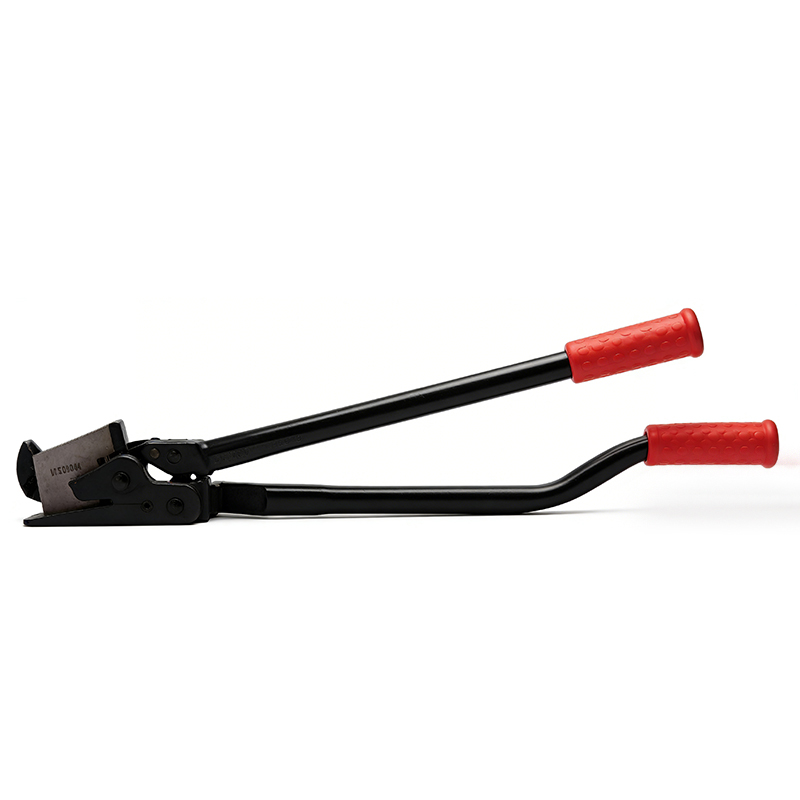
The Long-handled Unpacking Scissor is a safety-first tool engineered for the quick and secure cutting of heavy-duty strapping bands, plastic ties, and wrapping materials. Its extended handle is the core safety feature, designed to keep the operator at a safe distance from the potential recoil zone of a tensioned strap, thereby preventing lacerations or impact injuries. Fitted with hardened, replaceable steel blades, it ensures clean, effortless cuts through various materials, streamlining unpacking, recycling, and disposal processes in warehouses, distribution centers, and receiving docks. This tool prioritizes operator safety while significantly enhancing workflow efficiency.

Shanghai We Pack Co., Ltd.
Founded in 2019, Shanghai We Pack Co., Ltd. is a subsidiary of Shanghai Mengmao Packaging Technology Co., Ltd. is an integrated packaging company specializing in cargo securing, transport protection, and loading optimization solutions. Long-handled Unpacking Scissor Manufacturers and Long-handled Unpacking Scissor Factory in China.
With a 10,000 m² facility, 120 employees, dedicated R&D, testing, and quality control teams, and 9 production lines, wepack offers end-to-end capabilities from design and testing to mass production.
Driven by an engineering approach, wepack strictly controls every key stage—from raw materials to finished products—to ensure reliable performance in real transport conditions.
We Pack’s core products include paper edge protectors, container dunnage air bags, and lashing systems. Custom Long-handled Unpacking Scissor. Through joint ventures and industrial collaboration, our portfolio has expanded to paper pallets, plastic pallets, slip sheets, carton sealing tapes, bubble wrap, stretch film, strapping, and packaging equipment.We provide one-stop packaging and transport protection solutions tailored to different cargo types and logistics scenarios.
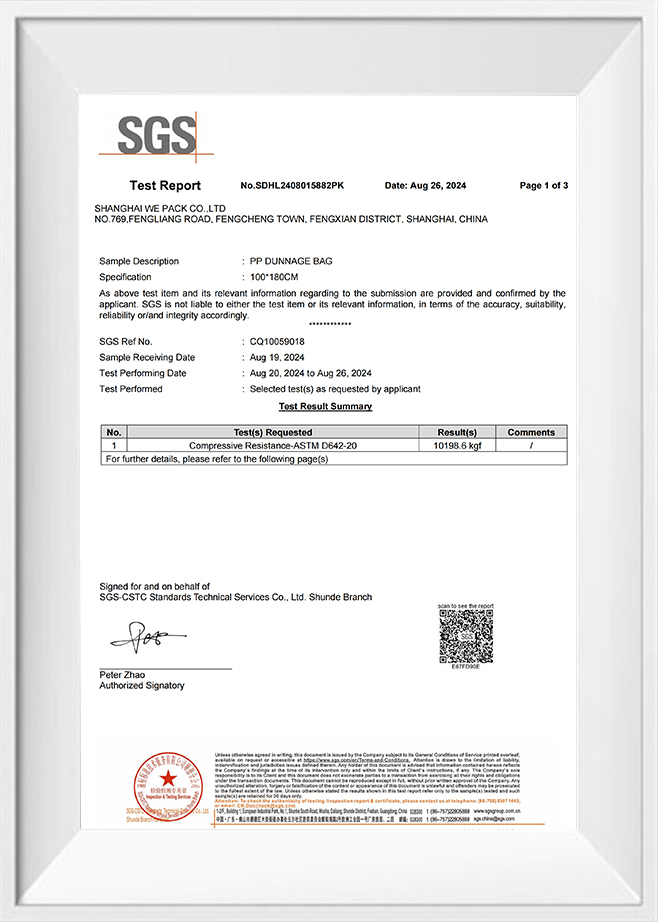
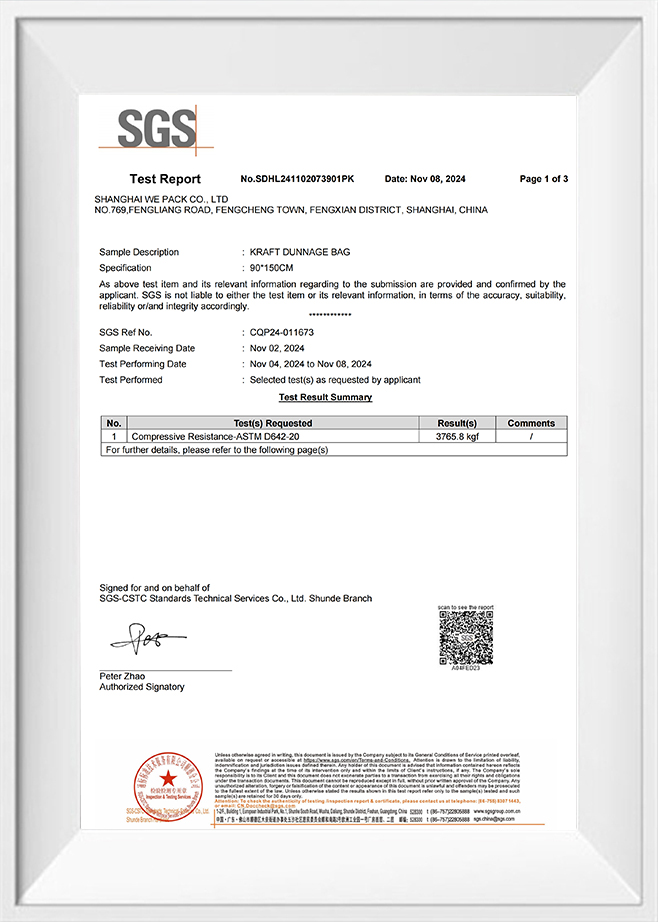
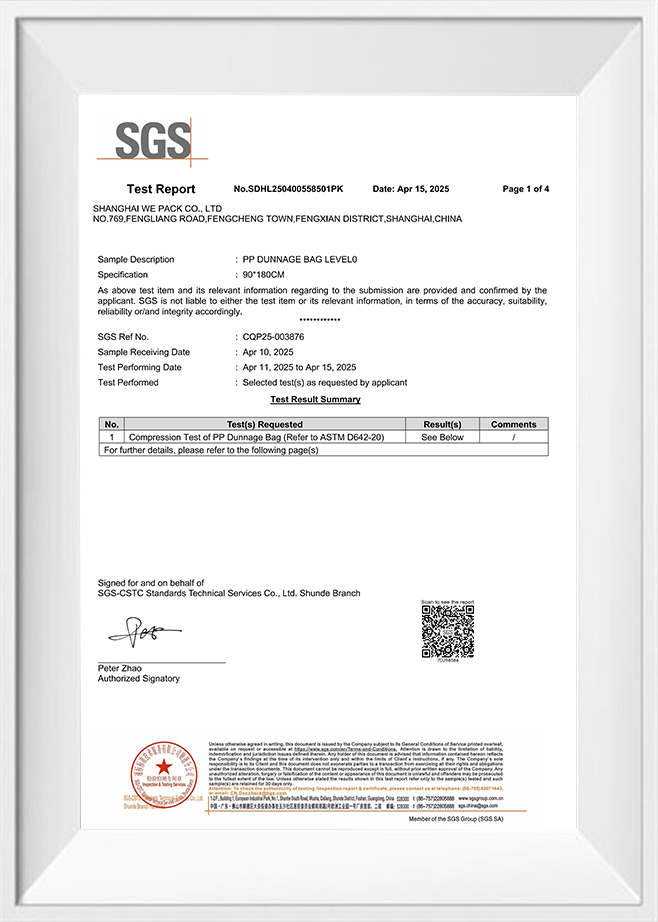
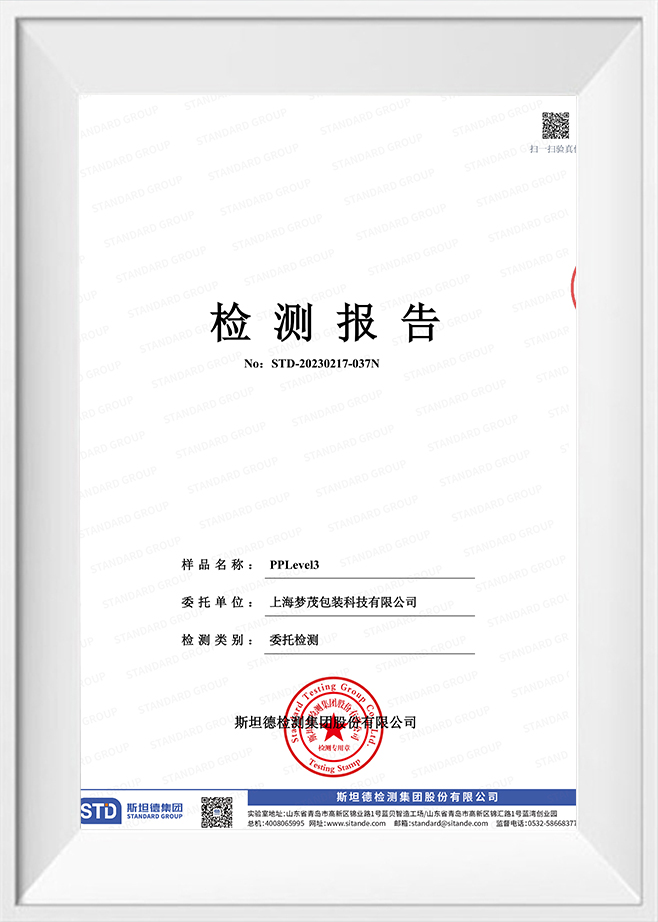
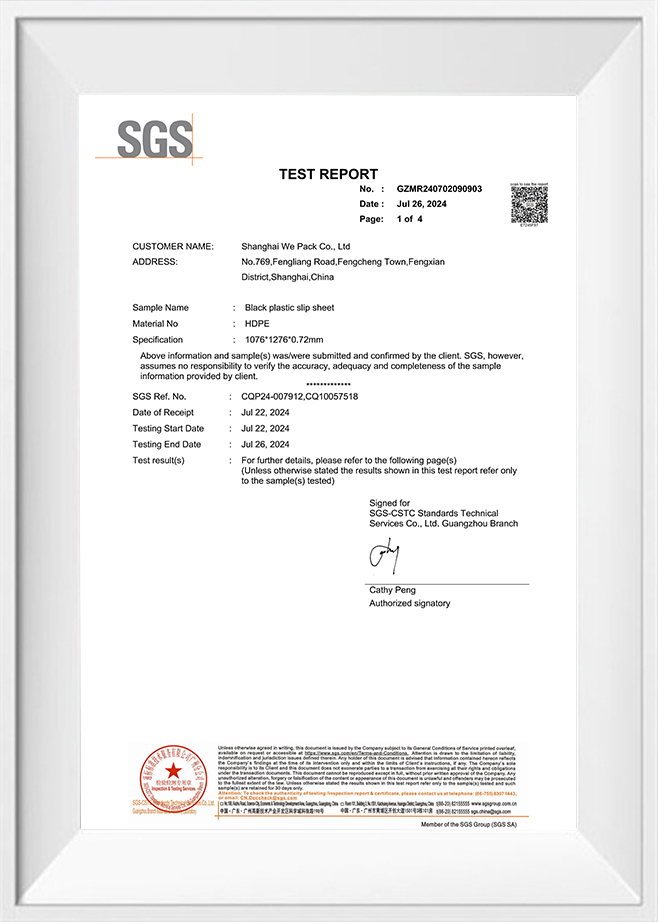
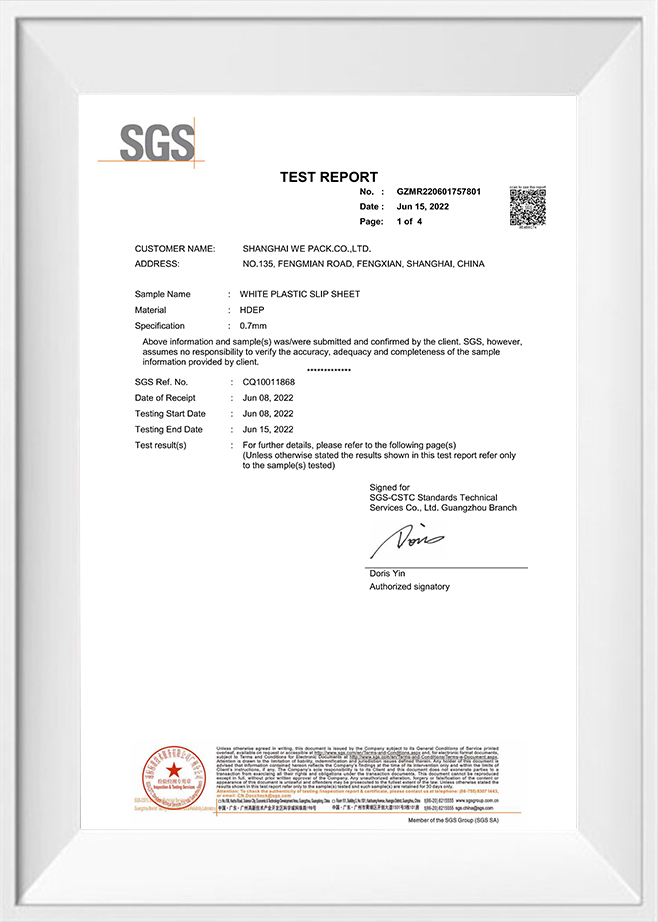
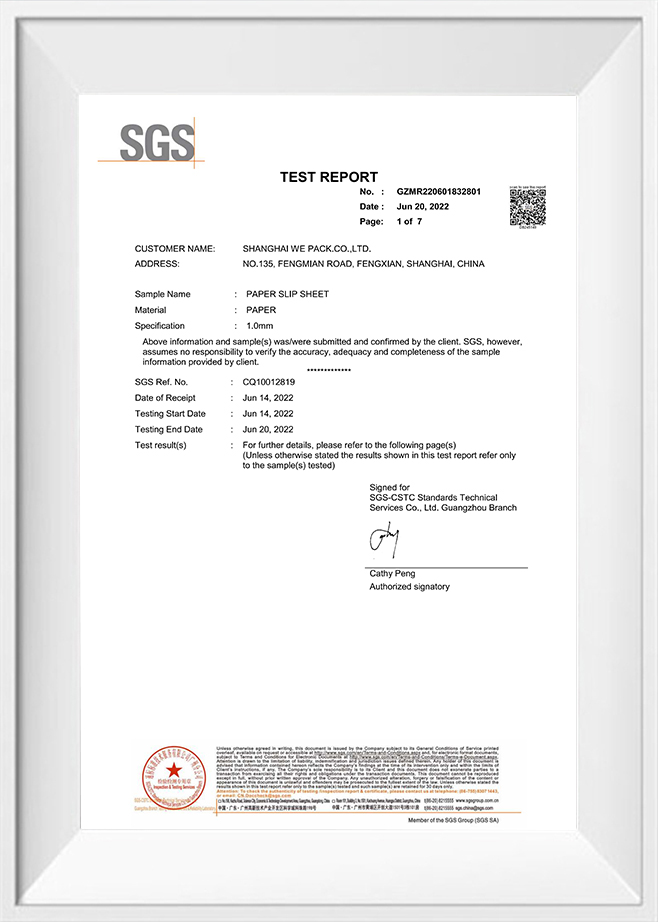
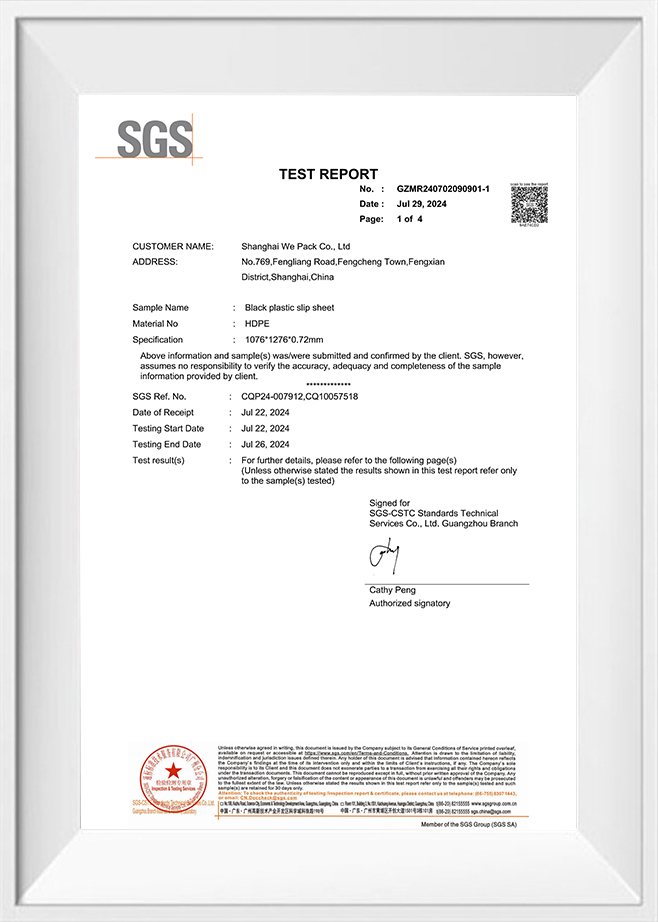
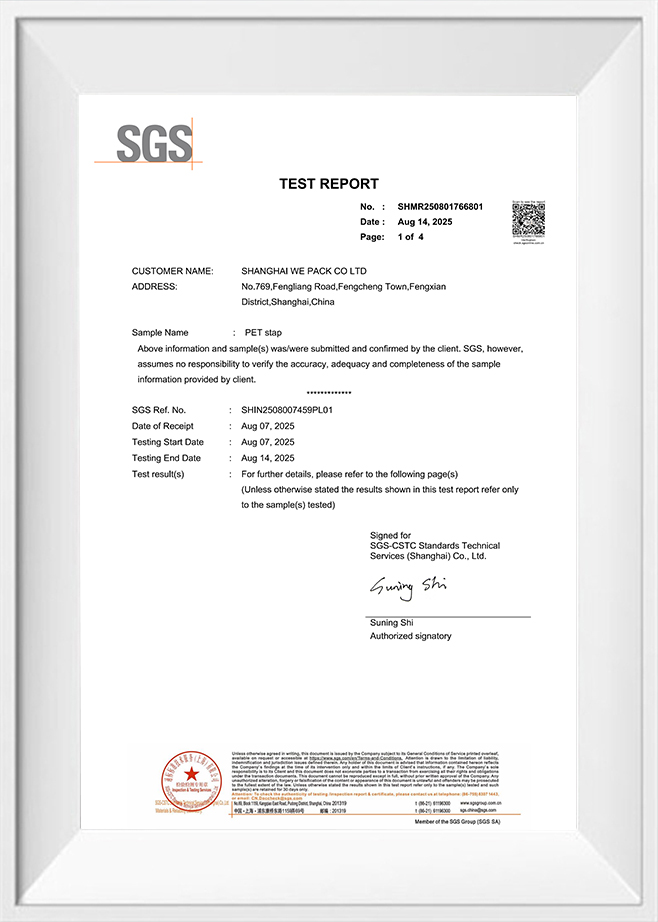
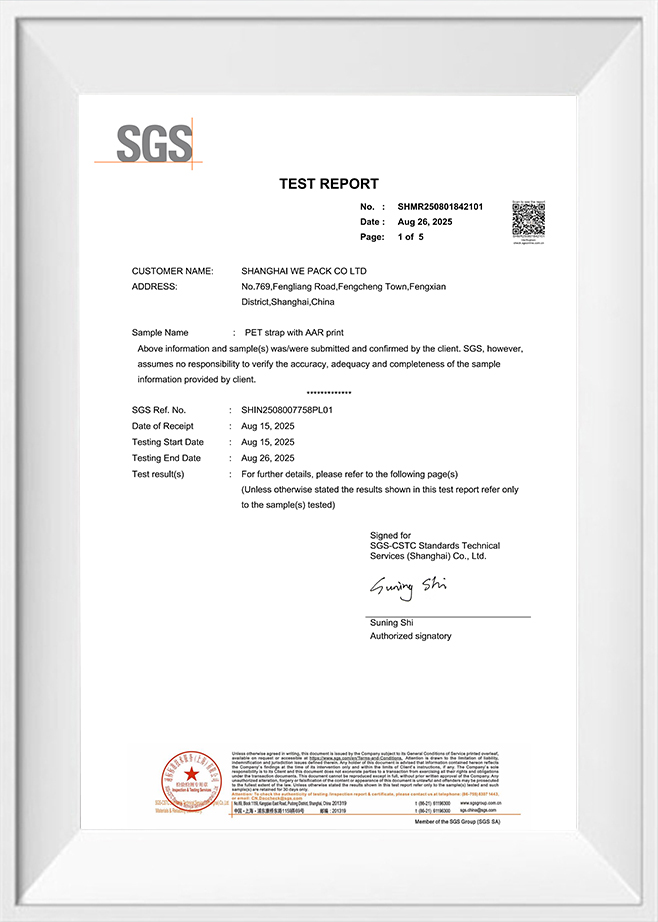
All We Pack products comply with AAR, SGS, TUV, and other international transport test standards. We support OEM / ODM customization, offering product design and free packaging solution planning based on cargo type, loading method, load requirements, budget, and printing needs—helping customers reduce total logistics costs by 15–30% while ensuring transport safety.
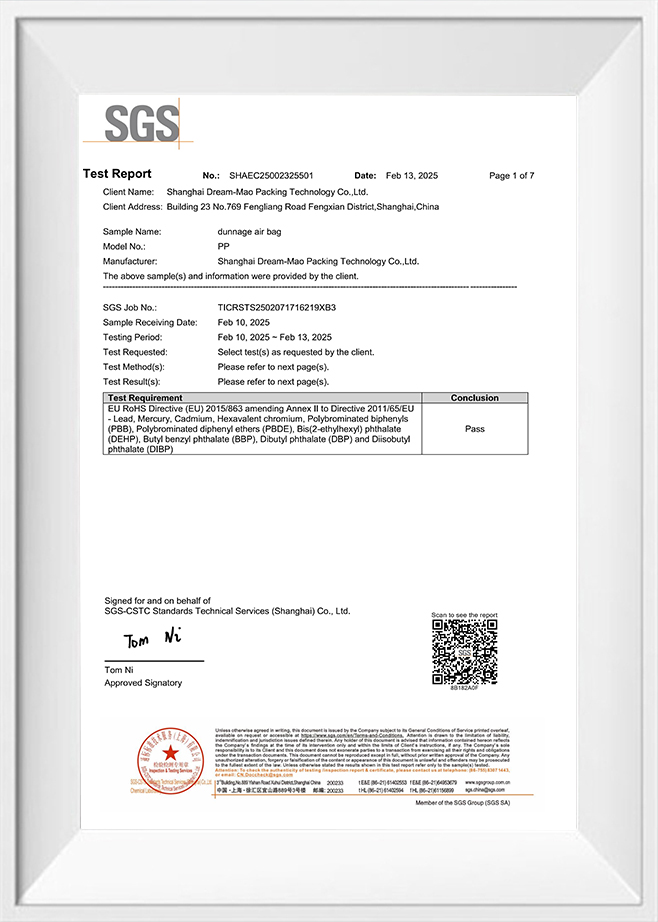
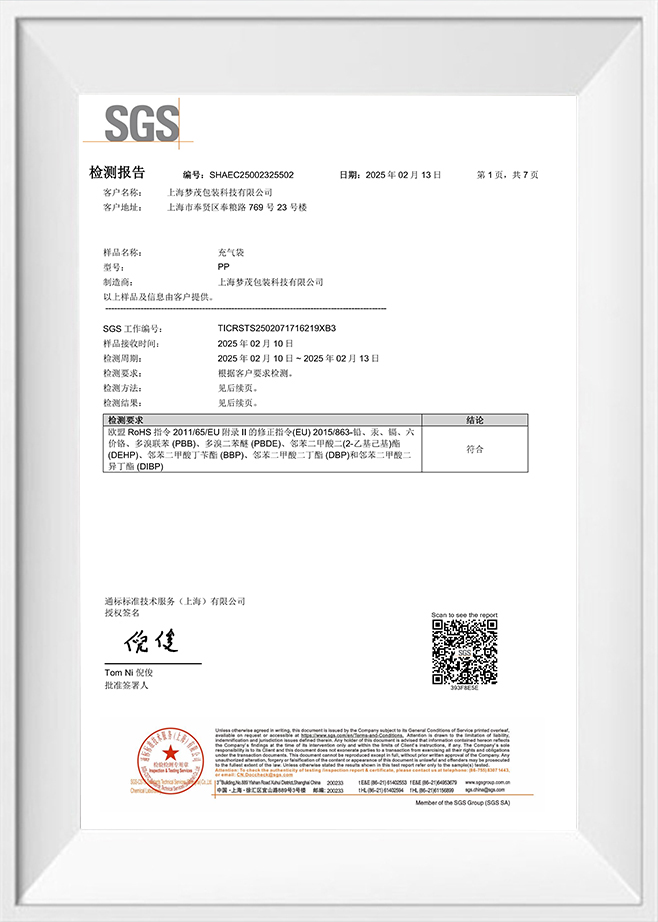
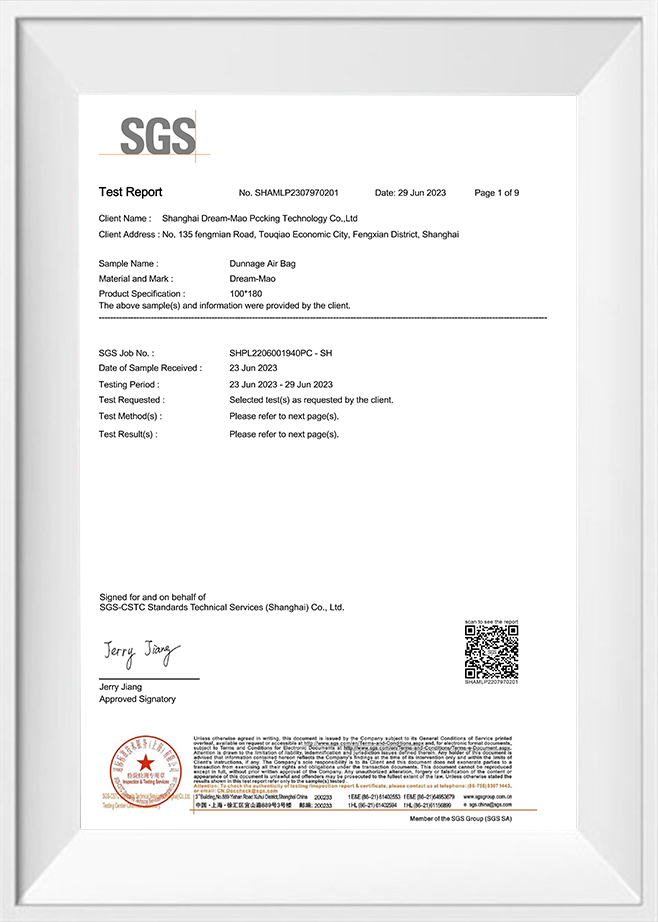
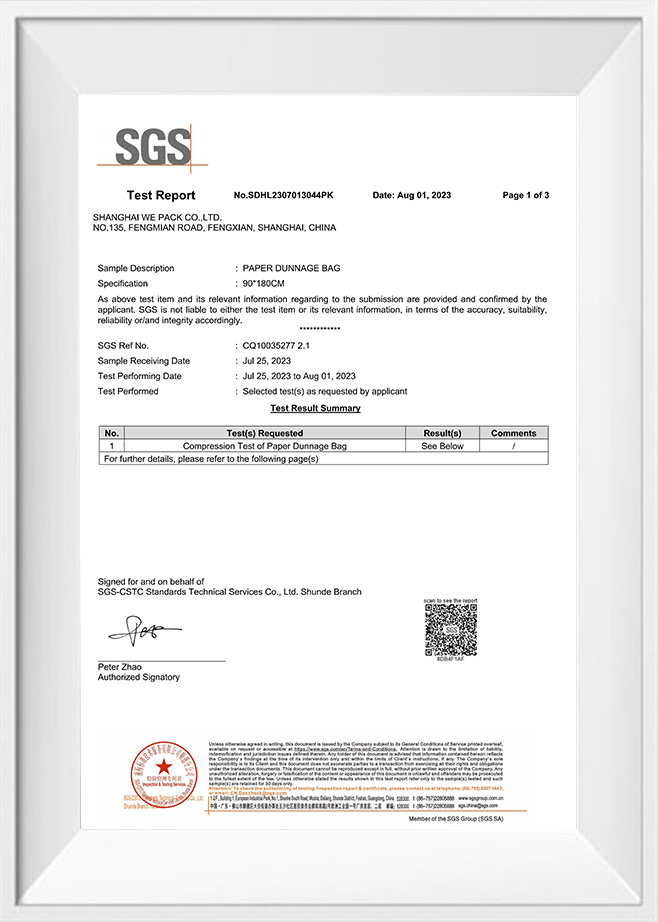
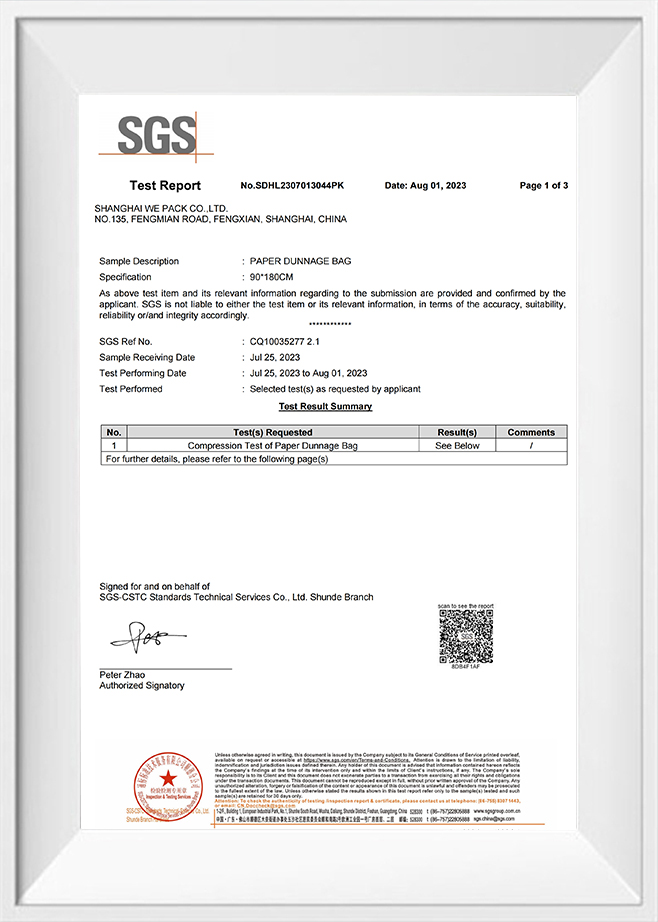
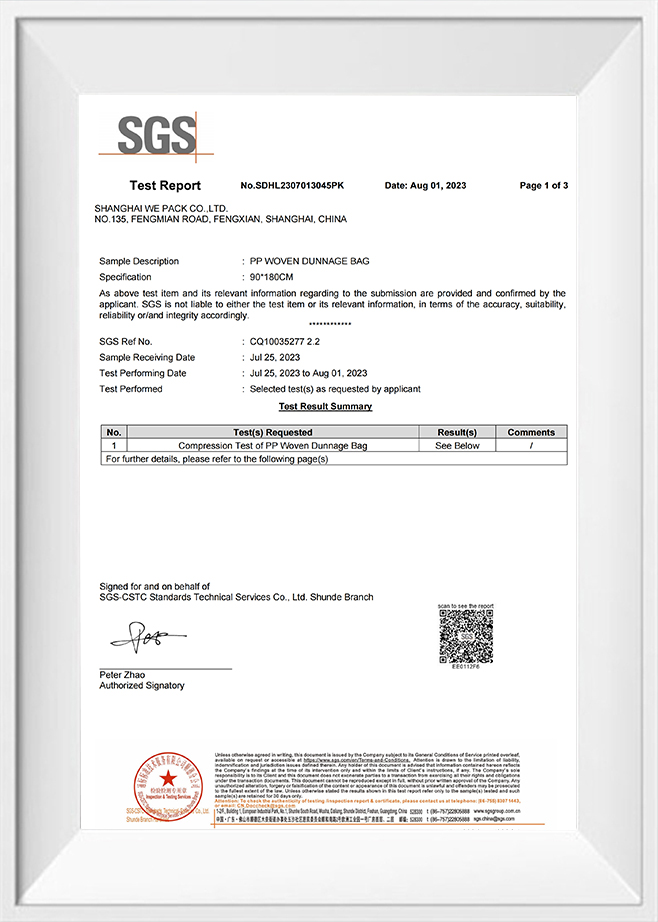
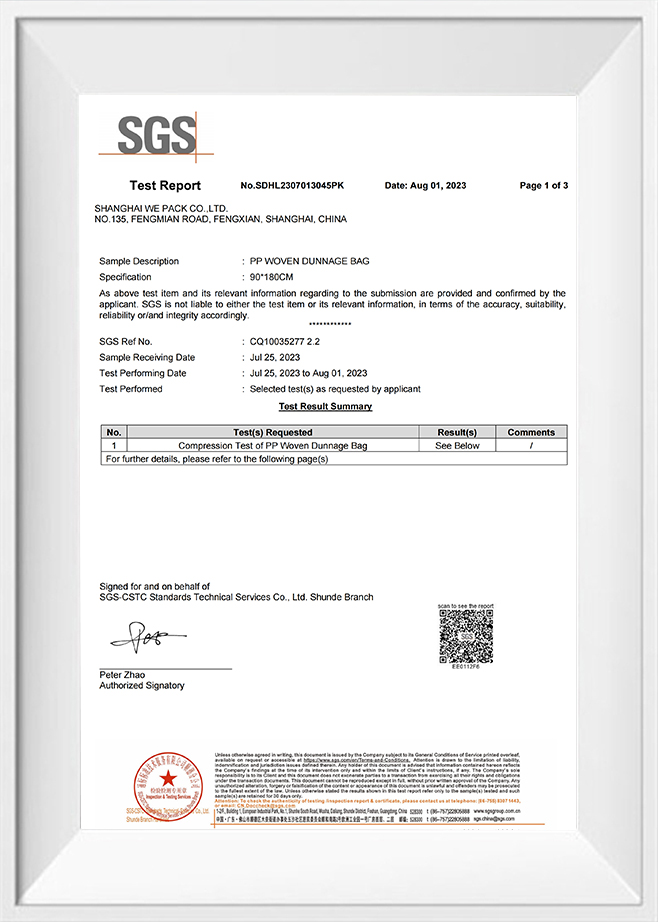
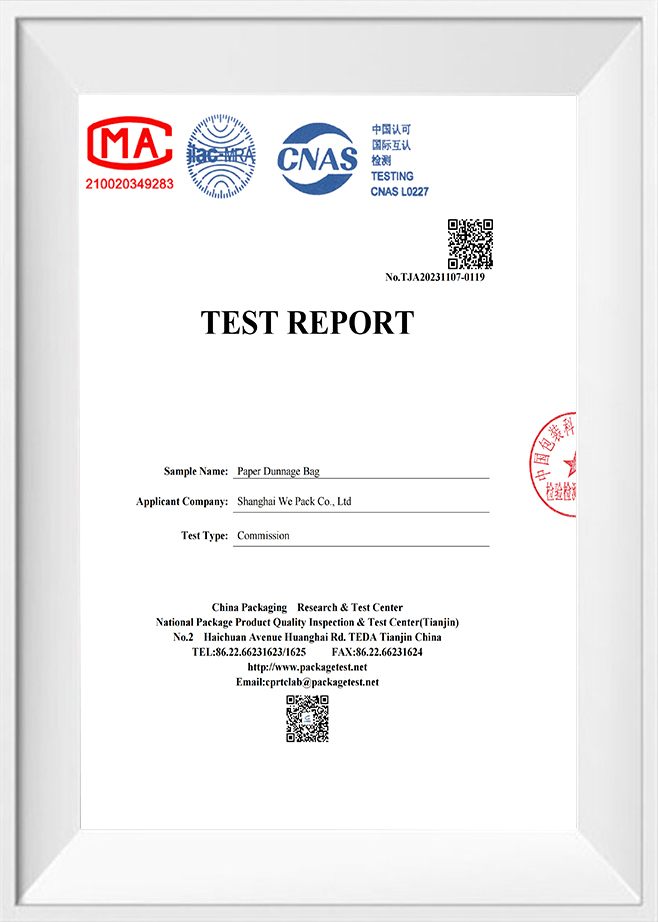
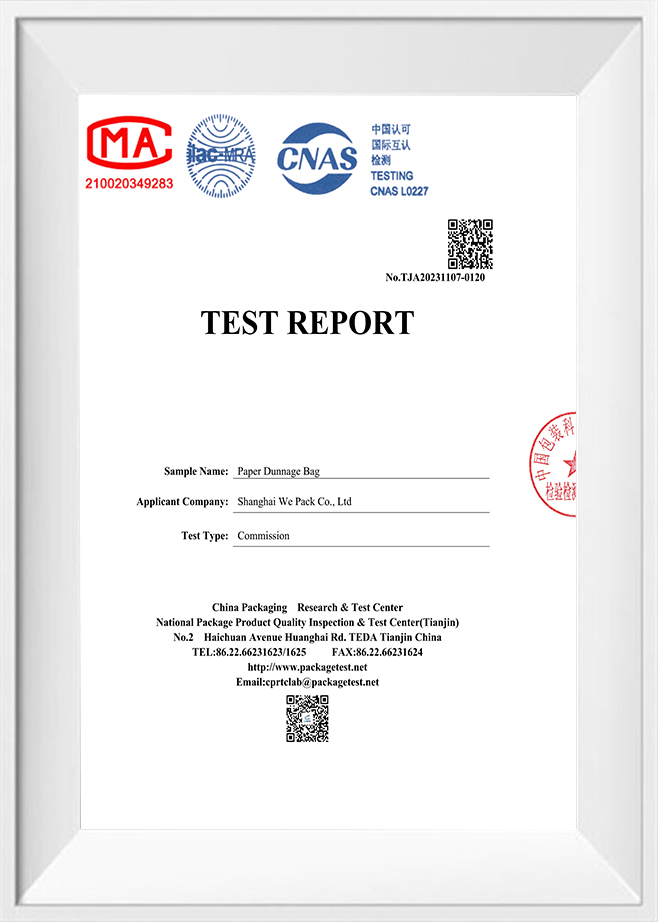
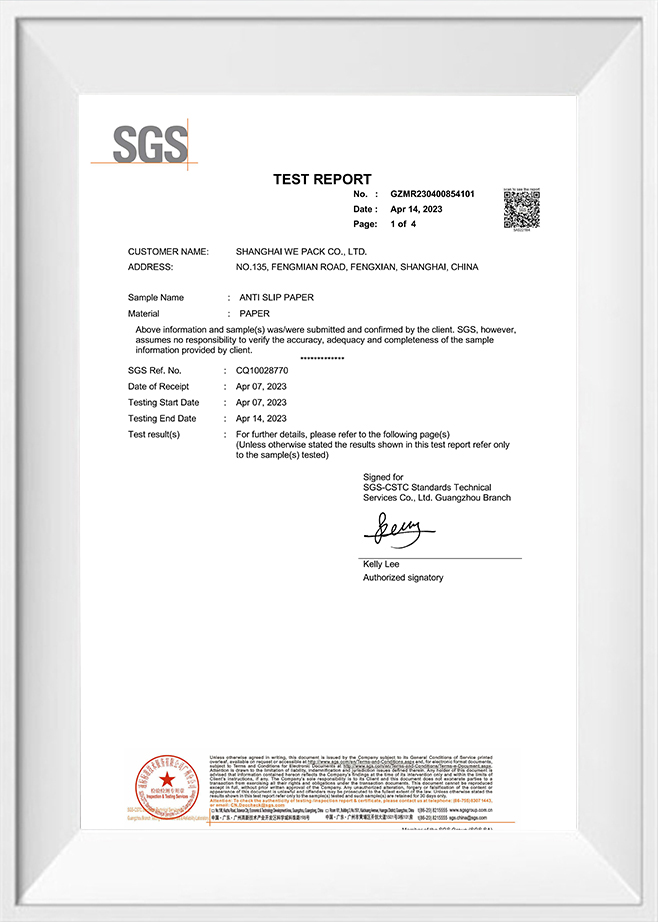
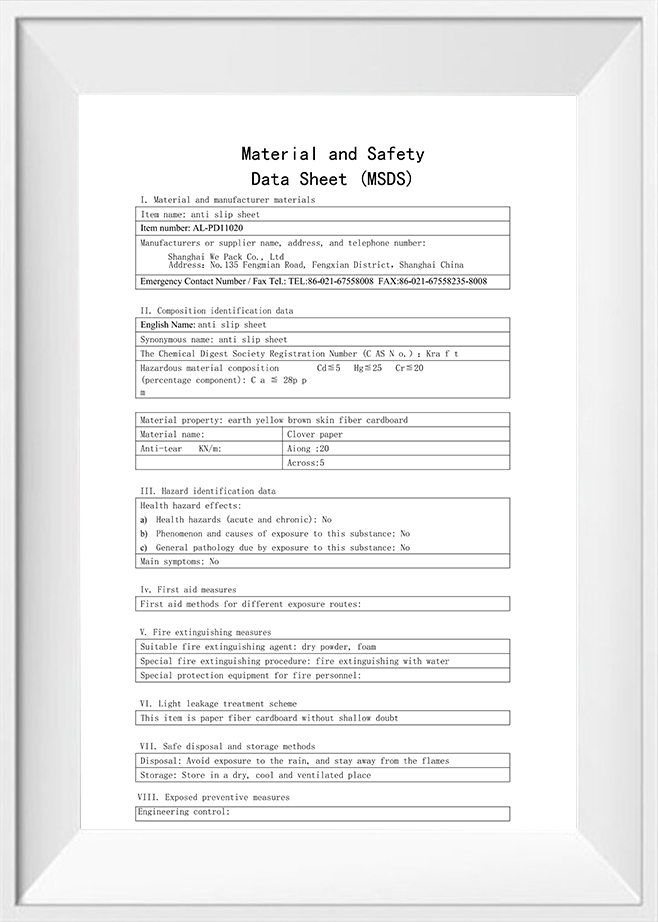
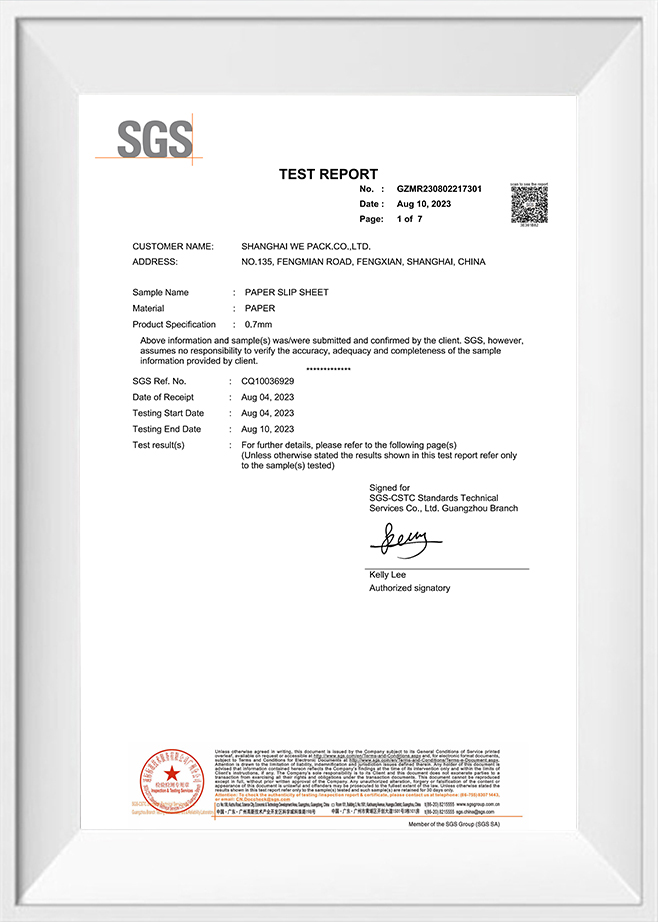
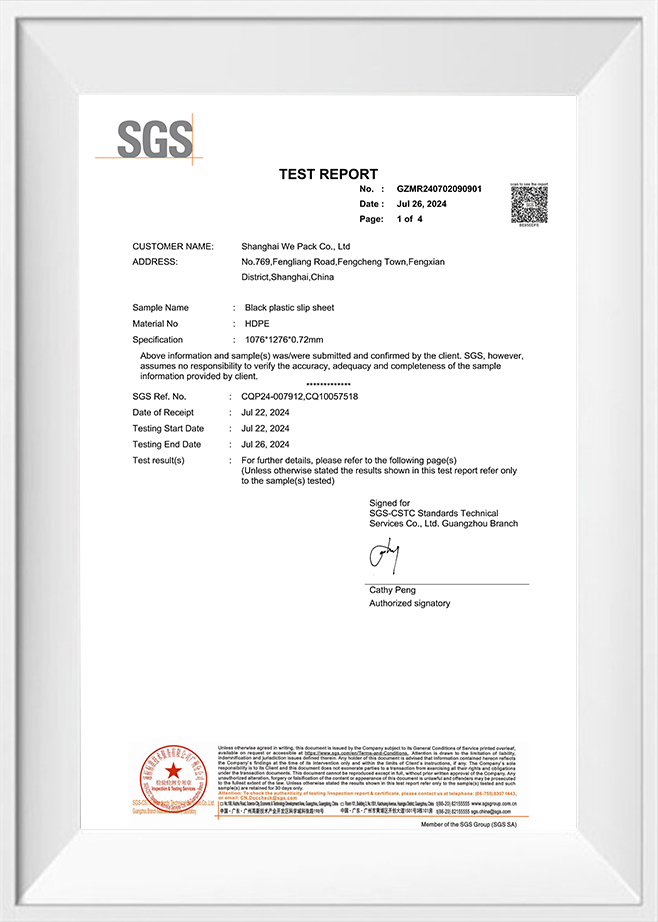
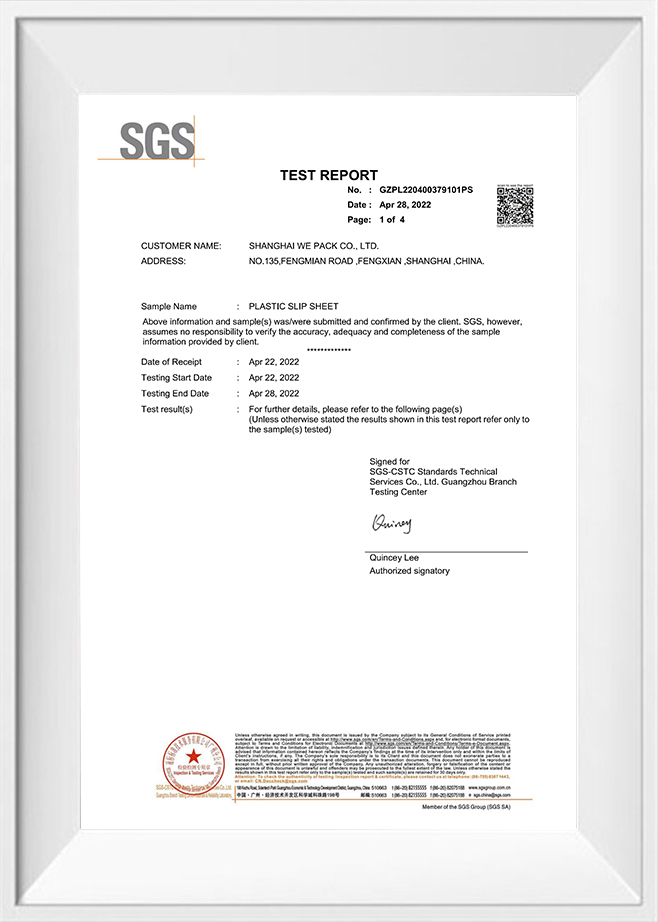
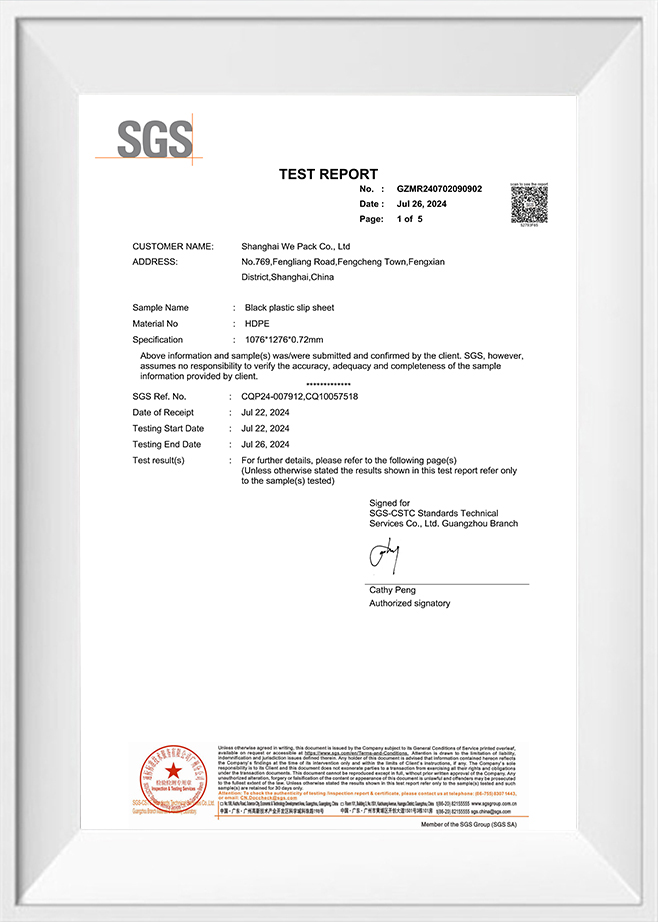
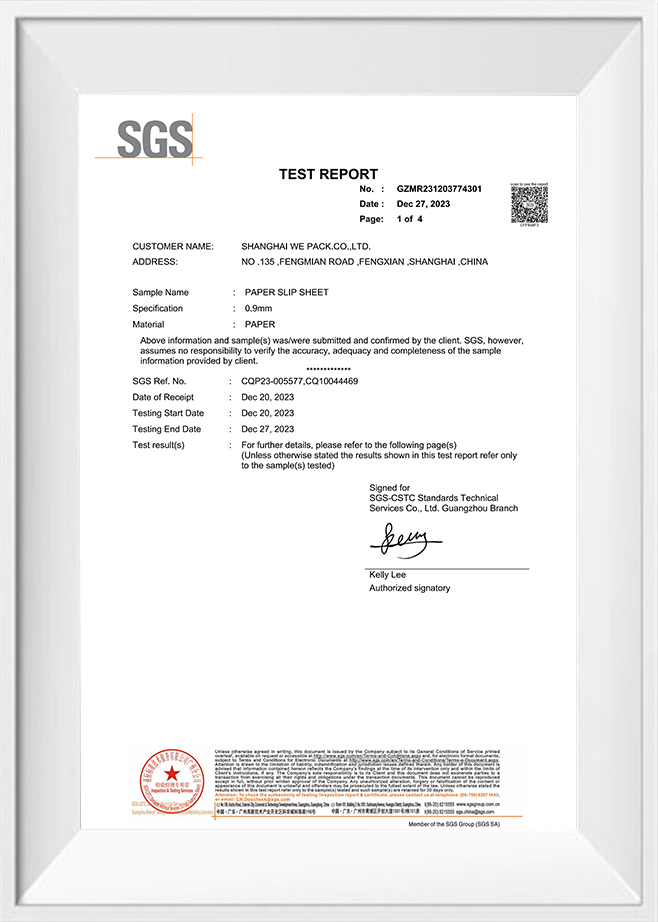
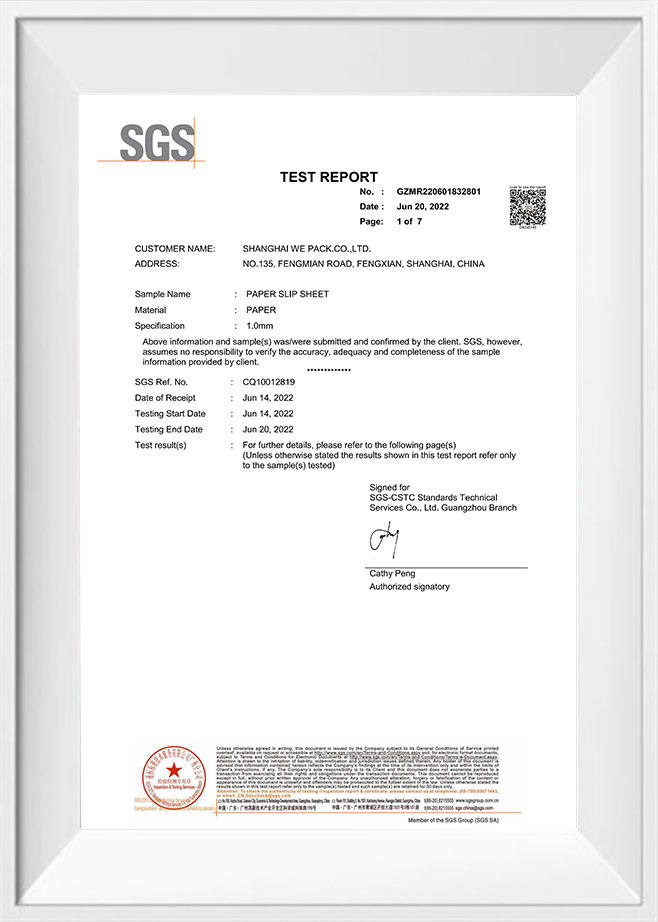
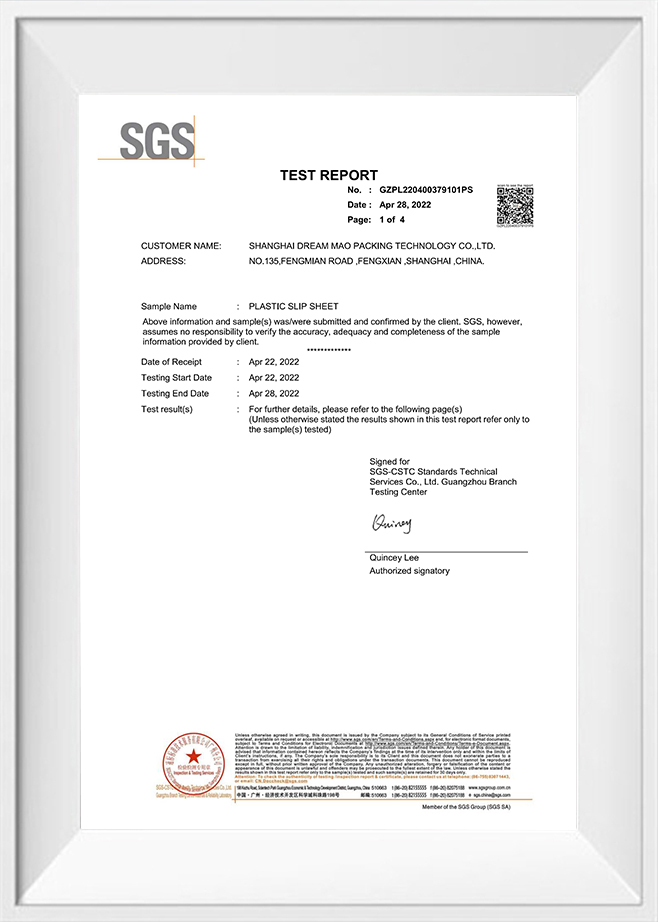
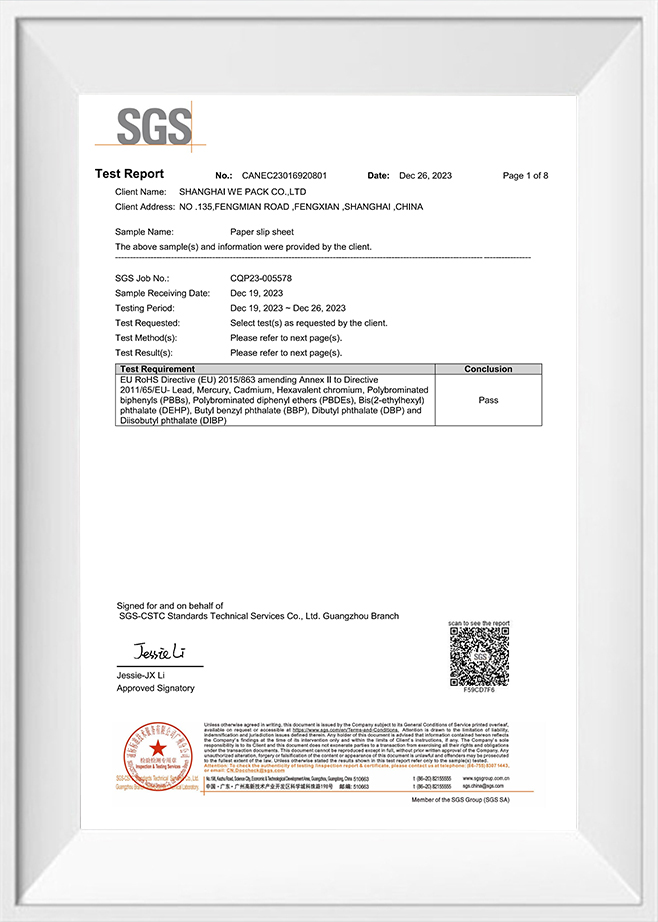
Certificate
Certificate of Honor

WHAT WE
HAPPENED
Checkout Our Current
News
Industry knowledge
Shanghai We Pack Co., Ltd. manufactures the Long-handled Unpacking Scissor as one element of a packaging tool range that also covers electric and pneumatic strapping machines, manual fiber strap tensioners, automatic carton sealers and PP/PET strap dispensers. We operate as the export-facing arm of Shanghai Dreammao Packaging Technology Co., Ltd., an integrated packaging group with 18 years in cargo securing, transport protection and loading optimisation, working from a 10,000 m² facility with 120 employees, dedicated R&D, testing and quality control teams, and nine production lines.
The H400 industrial-grade long-handle unpacking scissor is the tool we supply to receiving docks, distribution centres and recycling lines where tensioned strap has to be opened quickly and without injury. It sits at the front end of the unpacking process: before pallets are broken down, before film is removed, before banding is separated from carton and film waste streams.
What the Tool Does in a Live Unpacking Operation
The scissor is a safety-first cutter for heavy-duty strapping bands, plastic ties and wrapping materials. Its defining feature is the extended handle: it holds the operator's hands outside the recoil zone of a tensioned strap, so the stored energy in a PET, composite or woven band releases away from the body when the blade bites. Hardened, replaceable steel blades keep cutting effort low across long shifts and can be renewed rather than scrapping the tool body.
- Inbound receiving: opening palletised loads strapped with PET, PP or composite band before put-away and inspection.
- Container devanning: cutting ties, wrap film and banding on loads that have travelled by sea, road or rail.
- Recycling and disposal: separating strap from carton, film and pallet streams so each material goes to the right waste channel.
- Packing benches and dispatch lanes: high-frequency opening of unitised loads where a knife would slow the operator down or invite contact injuries.
- Returns and rework areas: releasing banded returns without damaging the goods inside the packaging.
Range and Configuration Options
We build the unpacking scissor around the strap, the working height and the way the tool is issued on site. The variables below are the ones that change the tool most in daily use, and they are the ones we settle before a quotation is issued.
| Configuration variable | What we confirm with you | Effect on the unpacking task |
|---|---|---|
| Handle length and geometry | Reach needed to keep hands clear of the strap line at the working height | Sets stand-off distance from the recoil zone and the leverage available to the operator |
| Blade type and edge geometry | Band material, width and thickness; whether film and ties are cut with the same tool | Controls cutting effort, blade life and whether the band shears cleanly or tears |
| Blade retention and renewal method | How often blades are changed and who performs the change on site | Affects downtime, tool life and the risk of a loose blade in a packing area |
| Cutting head opening | Widest band and thickest film or tie bundle to be accepted in one stroke | Determines whether the operator can cut in one motion or has to reposition |
| Grip and handle material | Glove use, shift length, wet, dusty or cold conditions | Influences control, fatigue and the risk of the hand slipping toward the blade |
| Marking and private label | Brand, part number and safety text on handle or blade guard | Supports tool control, replacement ordering and internal safety messaging |
| Packing configuration | Single units, bench sets, or kits combined with strap cutters and dispensers | Matches how the tool is issued, stored and reordered across sites |
Matching the Tool to Strap, Film and Tie Materials
Cutting performance is a material question before it is a tool question. A blade that opens a 12 mm PP band comfortably behaves differently on a high-tensile PET band under tension, and differently again on a woven polyester lashing. We work from the band you actually buy, not from a generic category.
- PP band: lower tensile, cuts easily; edge retention is rarely the limiting factor.
- PET and composite band: higher stored energy and a harder, more abrasive edge; blade condition and stand-off distance matter most here.
- Woven polyester and lashing webbing: thick, fibrous cross-sections that need a clean shearing action rather than a sawing motion.
- Stretch film and bubble wrap: cut with the same tool where the head opening allows, otherwise handled separately to keep the blade reserved for band.
- Steel strap: a different cutting problem, normally handled with a tool designed for that material rather than a general unpacking scissor.
Where the strap mix is wide, we look at the highest-tensile band in the operation and configure for that, so the tool is never the weak point on the heaviest load.
Operator Safety and Handling Practice
The extended handle exists because a tensioned band stores energy. When the blade releases that energy, the band snaps back along its own line. Keeping both hands behind the handle keeps the operator outside that line, which is the single largest reduction in laceration and impact injuries during unpacking.
- Cut across the band, never toward the body or toward another person.
- Stand to one side of the band's release path, not directly in front of it.
- Keep the non-cutting hand clear of the head and the band during the stroke.
- Replace a dull or chipped blade before it forces the operator to apply extra force.
- Store the tool with the blade guarded when it is not in use, and keep it out of mixed waste bins.
Quality Control, Sampling and Acceptance
Packaging tools are produced under the same quality system as the rest of our cargo securing range, with in-house R&D, testing and quality control teams and nine production lines covering forming, assembly and packing. Our wider product portfolio is tested against AAR, SGS and TÜV transport standards, and our management system is certified to ISO 9001.
For the unpacking scissor, the checks that decide whether a batch is released are practical ones:
- Blade seating and retention in the head, checked before packing.
- Handle-to-head joint integrity, since this is the part that carries the load in a heavy cut.
- Cutting trials on the strap grades you use, so blade geometry is proven on real material rather than on a sample of convenience.
- Batch sampling and retained samples for traceability across repeat orders.
- Pre-shipment inspection against the agreed drawing, marking and packing specification.
Samples are available so your receiving and safety teams can run the tool on live loads before a volume order is placed.
OEM / ODM Customisation and Supply Scope
We support OEM and ODM work on the unpacking scissor in the same way we support it across the packaging tool range: size and geometry adjustments, material selection, handle and blade configuration, and printing or private-label marking. Customised runs start from 100 pieces, which keeps trial orders practical while still supporting stable volume supply.
- Private-label marking, part numbers and safety text.
- Handle and blade configuration matched to your strap mix.
- Kit packing with strap cutters, tensioners or dispensers for a single part number on site.
- Export packing and carton marking to your warehouse or distributor requirements.
- Free packaging solution planning based on cargo type, loading method, load requirements, budget and printing needs.
Information We Use to Configure Your Solution
A workable proposal needs the working point, not just a quantity. These are the inputs that let us fix handle length, blade specification and packing without a round of guesswork.
| Project input | Why it changes the configuration |
|---|---|
| Strap material, grade, width and thickness | Sets blade geometry and the cutting effort the operator will feel |
| Typical band tension and load weight | Defines the recoil risk and therefore the required stand-off distance |
| Cuts per shift and number of operators | Drives blade life expectations, spare policy and how many tools are issued |
| Working height and access to the band | Determines handle length and head angle for a controlled stroke |
| Environment: cold store, dusty yard, wet dock, food area | Affects grip material, corrosion protection and cleaning requirements |
| Branding, part numbering and packing format | Sets marking, kit composition and carton configuration |
| Order pattern and delivery destinations | Shapes batch planning, packing and shipment consolidation |
Where It Sits in the Cargo Securing Range
The unpacking scissor is the opening end of a system that closes with strapping and void fill. The same teams that cut band on arrival also apply it on dispatch, so we supply the tool alongside the consumables and equipment it works with: the full Packaging Tool range, PET Packing Strap for high-tensile unitising, and Dunnage Bag void fill for loads that need bracing inside the container.
As a Long-handled Unpacking Scissor manufacturer, we combine the tool with loading-plan advice so the way a load is secured and the way it is opened are designed together.
Frequently Asked Questions
What materials can the long-handled unpacking scissor cut?
It is built for heavy-duty strapping bands, plastic ties and wrapping materials — PET, PP, composite and woven polyester band, plus film and tie bundles where the head opening accepts them. Steel strap is a different cutting problem and is normally handled with a tool designed for that material, so we separate the two in a tool kit rather than asking one blade to do both.
How does the extended handle improve operator safety?
A tensioned band stores energy that releases along its own line when cut. The extended handle keeps both hands behind the cutting head and outside that release path, which is where most unpacking lacerations and impact injuries occur. The reach also lets the operator stand to one side of the band rather than leaning over it.
Are the blades replaceable, and how is blade life managed?
The tool uses hardened, replaceable steel blades, so the body stays in service while the cutting edge is renewed. Blade life depends on band material, tension and cut volume — abrasive PET and composite band wears an edge faster than PP. We agree a replacement interval with you at the configuration stage and reflect it in the spare and reorder plan.
Can the scissor be customised or private-labelled?
Yes. We support OEM and ODM work covering handle and blade configuration, marking, part numbering and kit packing, with customised runs starting from 100 pieces. Samples are available so your receiving and safety teams can test the tool on live loads before committing to volume.
What information do you need to prepare a quotation?
Send the strap material, grade, width and thickness; typical band tension and load weight; cuts per shift and number of operators; working height and access to the band; the site environment; branding and packing requirements; and your order pattern with delivery destinations. With those inputs we can fix handle length, blade specification, kit composition and packing without a second round of questions.
How does the scissor fit with the rest of your packaging tools?
It is the opening counterpart to our strapping equipment. The same operation that cuts band on arrival applies band on dispatch, so we supply the scissor alongside electric and pneumatic strapping machines, manual fiber strap tensioners, automatic carton sealers and PP/PET strap dispensers, letting a site standardise on one supplier for both ends of the packaging cycle.

PRODUCT
CONTACT INFO
-
 +86-137 7421 9489
-
 +86-021-67558008
-
 [email protected]
-
 No.769 ,23# building, Fengliang Road,Fengcheng town,Fengxian District,Shanghai,China
MOBILE QR CODE

