
 Español




PP Packing Strap Manufacturers
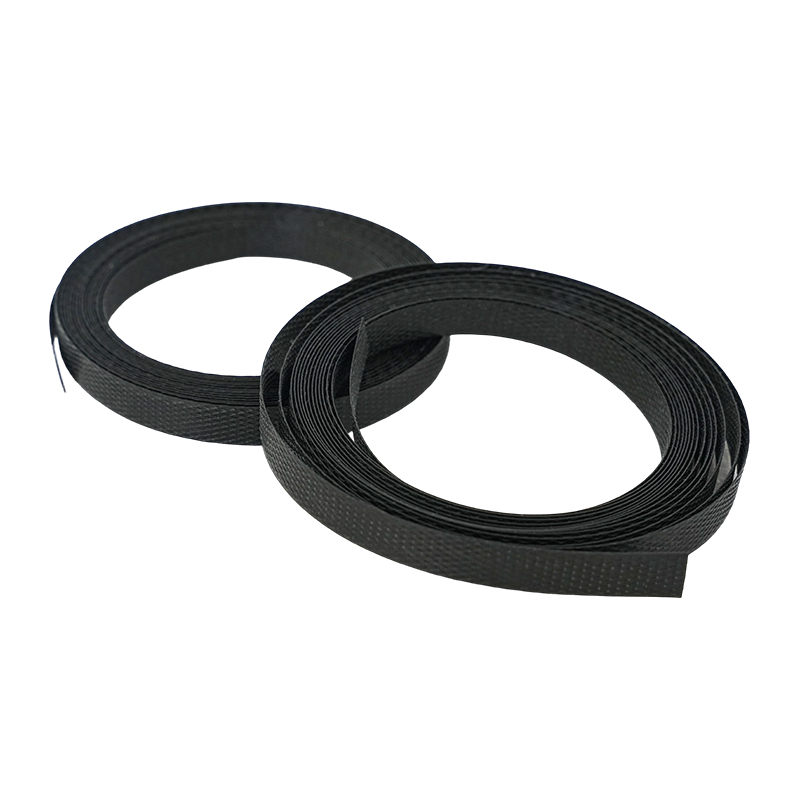
As a cost-effective and versatile choice, our PP Straps are lightweight, corrosion-resistant, and suitable for bundling, palletizing, and reinforcing light to medium-duty cartons and packages. They offer reliable performance for everyday logistics and warehouse operations.

Shanghai We Pack Co., Ltd.
Founded in 2019, Shanghai We Pack Co., Ltd. is a subsidiary of Shanghai Mengmao Packaging Technology Co., Ltd. is an integrated packaging company specializing in cargo securing, transport protection, and loading optimization solutions. PP Packing Strap Manufacturers and PP Packing Strap Factory in China.
With a 10,000 m² facility, 120 employees, dedicated R&D, testing, and quality control teams, and 9 production lines, wepack offers end-to-end capabilities from design and testing to mass production.
Driven by an engineering approach, wepack strictly controls every key stage—from raw materials to finished products—to ensure reliable performance in real transport conditions.
We Pack’s core products include paper edge protectors, container dunnage air bags, and lashing systems. Custom PP Packing Strap. Through joint ventures and industrial collaboration, our portfolio has expanded to paper pallets, plastic pallets, slip sheets, carton sealing tapes, bubble wrap, stretch film, strapping, and packaging equipment.We provide one-stop packaging and transport protection solutions tailored to different cargo types and logistics scenarios.
All We Pack products comply with AAR, SGS, TUV, and other international transport test standards. We support OEM / ODM customization, offering product design and free packaging solution planning based on cargo type, loading method, load requirements, budget, and printing needs—helping customers reduce total logistics costs by 15–30% while ensuring transport safety.
Certificate
Certificate of Honor


WHAT WE
HAPPENED
Checkout Our Current
News
Industry knowledge
Shanghai We Pack Co., Ltd. is a Shanghai-based packaging manufacturer supplying PP packing strap as part of a wider cargo securing and transport protection programme. Founded in 2019 as a subsidiary of Shanghai Dreammao Packaging Technology Co., Ltd., we run a 10,000 m² facility with 120 employees, dedicated R&D, testing and quality control teams, and nine production lines. Our PP strap range covers hand-grade and machine-grade coils for carton bundling, pallet unitizing, bale reinforcement and light-to-medium duty load securing, supplied together with the tensioners, dispensers and buckles that complete a working strapping system.
PP strap sits at the entry point of most unitizing operations. It is light, rust-free, safe to handle and economical per metre, which makes it the default choice for corrugated cartons, e-commerce parcels, printed bundles and palletized consumer goods. Where retained tension over long sea voyages or higher static loads matter more, the same project moves to PET Packing Strap or Composite Strap, with tooling and buckle selection kept consistent across the change.
PP Packing Strap Range and Subtypes
As a PP Packing Strap manufacturer, we produce the strap itself rather than reselling imported coils, which lets us hold width, thickness and winding tolerance steady from one order to the next. The range is organised around how the strap is applied, not around a single stock item.
- Hand-grade coils — sized for manual tensioners and buckles, in the narrow widths used on cartons, bundles and small parcels.
- Machine-grade coils — tighter width and thickness tolerance with uniform winding for electric, pneumatic and automatic strapping machines.
- Embossed surface — a raised pattern that improves grip on the package and joint efficiency under a seal or buckle.
- Smooth surface — specified where print clarity and a clean retail appearance matter.
- Printed strap — brand name, colour, handling marks or warning text applied during production.
- Colour and additive packages — selected where strap is colour-coded by line, customer or destination, or stored in sunlight before use.
Where PP Strap Fits, and Where It Does Not
Polypropylene stretches before it breaks and recovers slowly, so it holds a package together well but gives back less tension than polyester over a long journey. That behaviour defines the application boundary: PP is the right answer for light and medium loads on stable pallets, and the wrong answer for heavy static loads that must stay tight for months.
| Application | Strap format | Joint method | Tooling |
|---|---|---|---|
| Corrugated cartons, parcels, e-commerce bundles | Narrow hand-grade coil, smooth or embossed | Metal seal or plastic buckle | Manual tensioner, long-handled scissors |
| Palletized cartons and light pallets | Machine-grade coil, wider width | Friction weld or seal | Electric or pneumatic strapping machine |
| Baled fibre, textile, foam and insulation | Hand-grade, embossed | Buckle | Manual tensioner |
| Printed retail and promotional bundles | Printed PP strap | Seal or weld | Semi-automatic strapper |
| Bundled pipe, profiles and light metal | Machine grade, heavier thickness | Seal | Pneumatic tool |
| Steel coil, timber, heavy machinery | PET or composite strap | Heavy-duty seal | Battery or pneumatic tool |
Critical Specifications Confirmed Before Production
A PP strap order is defined by a small set of variables. We confirm each one against the load and the machine before the extrusion run is scheduled, because a coil that is 0.1 mm out of tolerance can jam a feed channel or slip under a weld head.
- Width and thickness — matched to the load, the package edge and the tension the joint can hold.
- Breaking strength and elongation target — set from the cargo weight, stack height and expected settling during transport.
- Surface finish — embossed for grip and joint efficiency, smooth for print and appearance.
- Core diameter and coil length — chosen to fit the dispenser, the machine hub and the operator's handling routine.
- Winding quality — even tension across the coil so the strap pays off without snagging at high feed speed.
- Colour and printing — brand colour, logo placement, repeat length and warning text.
- Joint method — buckle, metal seal or friction weld, with the joint efficiency verified against the strap grade.
Tools, Buckles and Line Integration
Strap performance is only realised through the tool that tensions it. We supply the consumable and the equipment side together, so the strap grade, buckle and machine setting are specified as one system rather than three separate purchases.
For manual and semi-automatic work, our electric strapping machine range and the matching dispensers, tensioners and buckles are configured around the coil format you already run. Where an automatic line is involved, we work from the machine's feed channel, arch clearance, accumulation length and tension setting, then adjust coil core, winding and thickness tolerance to suit. Strapping buckles are selected in the same step, since a buckle that is undersized for the strap width is the most common cause of joint failure in the field.
Behaviour in Real Transport Conditions
Polypropylene is chemically inert, non-toxic and unaffected by the humidity that corrodes steel banding, which is why it is widely used on food, pharmaceutical and consumer packaging. Its limits are mechanical rather than chemical. Strap relaxes as cartons settle and pallets compress, so a load that is tight at the dock can loosen after a week on the road.
- Load settling — corrugated board compresses under vibration; strap with higher retained tension or a second pass is specified for long multimodal routes.
- Temperature — PP softens at elevated temperature and becomes brittle in deep cold, so cold-chain and hot-climate shipments are reviewed separately.
- Edge cutting — sharp corners concentrate stress; paper corner protectors or edge boards are added where the package edge is hard.
- Sunlight and storage — coils stored outdoors before use are matched with an appropriate additive package.
- Handling safety — PP strap has no sharp edges and does not spring back like steel, which reduces operator injury risk during cutting and removal.
Quality Assurance and Acceptance Testing
We control the process from raw material to finished coil: incoming resin and masterbatch checks, in-line width and thickness measurement, winding inspection and a final visual and dimensional release before packing. Our management system is certified to ISO 9001, and products are tested against AAR, SGS and TÜV international transport standards, with EN 1492-1 referenced where the application calls for it.
Quality evidence is handled through a three-tier structure — our own laboratory, calibrated testing equipment, and third-party institutions such as SGS and TÜV. Tensile and stress test reports, RoHS documentation and batch records are issued with the shipment where the project requires them, and pre-production samples are approved against the agreed specification before mass production begins.
Customization and OEM / ODM Support
Customization covers size, load capacity, material grade and printing, developed from your drawing, sample or application description. Our engineering team reviews the cargo type, loading method, load requirement, budget and printing needs, then proposes a strap specification and, where useful, a wider packaging plan that combines strap with dunnage bags, corner protectors, slip sheets or stretch film. Trial orders start from 100 pieces, which keeps a first run practical while the specification is being proven on your line.
Information We Use to Configure Your Solution
A quotation is only as good as the inputs behind it. These are the details that change the specification, the coil format or the packing method.
| Project input | What it determines |
|---|---|
| Cargo type, unit weight and stack height | Strap width, thickness and breaking strength target |
| Package surface and edge condition | Surface finish, and whether edge protection is added |
| Strapping method: manual, semi-automatic or automatic | Coil format, core diameter, winding and thickness tolerance |
| Machine make, model and feed channel | Dispenser compatibility and tension setting range |
| Transport mode, route and transit duration | Retained-tension requirement and relaxation allowance |
| Climate, storage and handling conditions | Colour, additive package and packing protection |
| Joint method and buckle or seal type | Joint efficiency target and matching accessory supply |
| Printing artwork, colour and repeat length | Print layout, plate preparation and coil marking |
| Order volume, delivery schedule and destination | Coil length, carton or pallet packing, and shipment planning |
Packing, Delivery and Documentation
Coils are wound, strapped and packed to survive container handling without deforming, with outer cartons or pallets selected according to coil weight and the unloading method at destination. Our operations centre sits roughly 25–35 km from Shanghai Port and about 30 km from Pudong International Airport, which supports fast consolidation and flexible shipping windows. Trade terms including EXW, FOB, CIF and DDP are arranged to suit the destination, and shipping documents, test reports and packing lists are prepared alongside the commercial invoice.
Frequently Asked Questions
What widths and thicknesses of PP packing strap do you supply?
Width and thickness are matched to the load and the machine rather than drawn from a fixed list. Narrow grades suit carton and parcel bundling, wider and heavier grades suit palletized loads and bundled profiles. We confirm the exact combination once the cargo weight, package edge and strapping method are known.
Can PP strap be printed with our brand and colour?
Yes. Printing is part of our OEM / ODM service, covering brand name, logo, colour and handling or warning text. Artwork, repeat length and colour reference are agreed before the production run, and a printed sample can be approved ahead of mass production.
Will your strap run on our existing strapping machine?
Send the machine make, model, feed channel dimensions and the tension setting you use. We then align coil core diameter, winding, width and thickness tolerance to that working point. Consumables are developed to integrate with common strapping, wrapping and automated packaging equipment, and we test the match before committing to a production specification.
When should we choose PET or composite strap instead of PP?
When the load is heavy, when the strap must hold high tension for a long sea voyage, or when the cargo settles significantly in transit. PET and composite strap retain tension better and carry higher breaking loads. For cartons, parcels and light pallets, PP remains the more economical and easier-handling option, and we will say so rather than upsell the heavier grade.
What is your minimum order quantity?
Trial and customized orders start from 100 pieces, which allows a specification to be proven on your line before volume commitment. Larger and repeat programmes are supported by nine production lines and an annual output exceeding 20,000 tons, so scale does not come at the cost of consistency.
What test documentation accompanies a PP strap order?
Depending on the project, we issue tensile and stress test reports from our in-house laboratory, third-party reports from institutions such as SGS and TÜV, RoHS documentation and batch traceability records. Our management system holds ISO 9001 certification, and products are tested against AAR, SGS and TÜV international transport standards.

PRODUCT
CONTACT INFO
-
 +86-137 7421 9489
-
 +86-021-67558008
-
 [email protected]
-
 No.769 ,23# building, Fengliang Road,Fengcheng town,Fengxian District,Shanghai,China
MOBILE QR CODE

