Shanghai We Pack Co., Ltd. manufactures white paper corner protectors for exporters, packaging distributors and logistics providers who need edge protection that also presents cleanly on the pallet. We form the white kraft paper protector range in Shanghai alongside dunnage bags, slip sheets, strapping and stretch film, so one load plan can be engineered, tested and shipped as a single package. The white surface is not cosmetic: it supports hygiene-sensitive handling, makes scuffing and contamination visible during inspection, and gives a neutral base for brand printing.
White Paper Corner Protector Range and Positioning
The white paper corner protector is the bleached-surface branch of our paper edge protector family. High-strength kraft paper is formed into an L, U or flat profile and pressed to the ply count the load demands. As a White Paper Corner Protector manufacturer in China, we build the same protector to carry vertical and horizontal edge loads while also carrying print, handling symbols and traceability marks.
- Material: high-strength kraft paper with a white outer surface, selected for consistent stiffness and clean cutting.
- Profiles: L-shaped, U-shaped, flat and folded formats, plus ring profiles for cylindrical loads, all within the wider Paper Corner Protector range.
- Ply build: multi-ply constructions from light 3-ply up to heavy 7-ply, matched to stack weight and edge crush demand.
- Surface options: plain white, printable white, and moisture-resistant treatment for humid, chilled or condensation-prone routes.
- Dimensions: leg length, outer width, thickness and inner angle produced to the carton, panel or coil they protect.
Where White Paper Corner Protectors Fit
White protectors are chosen where appearance, hygiene or print matters as much as edge strength. Food, beverage and pharmaceutical cartons move through facilities where a clean, light-coloured packaging aid is easier to audit than brown board. Consumer electronics, white goods and coated furniture benefit from a protector that will not mark a painted or lacquered edge. Refrigerated and fruit shipments need a surface that tolerates condensation without losing stiffness.
| Cargo / Load Type |
Typical White Protector Configuration |
Application Fit |
| Palletized food, beverage and pharma cartons |
3–5 ply L-profile, plain white, moisture-resistant option |
Clean appearance supports hygiene audits; white face shows dust and damage quickly |
| Consumer electronics and white goods |
5-ply L or U profile with printed brand panel |
Protects painted and coated edges; printed face replaces a separate label |
| Furniture, panels and joinery |
Long-leg L profile, higher ply count, folded edges |
Spreads strap and dunnage pressure across a wide band of the panel edge |
| Fruit and refrigerated produce |
Moisture-resistant white protector, controlled moisture content |
Holds stiffness through condensation and temperature change |
| Export cartons on slip sheets |
Flat or low-thickness L profile |
Keeps unit height low where container cube is the constraint |
| Coils, rolls and cylindrical loads |
U or ring profile |
Follows the curve of the load and keeps strap tension off the product surface |
Construction Details That Decide Performance
Two protectors can look identical on a pallet and behave very differently under strap tension. These are the variables we fix at the design stage rather than at the loading dock.
- Ply count and caliper: extra plies raise compression and puncture resistance but add thickness at the pallet corner, which matters when cube is tight.
- Leg length: must cover the full contact band of the strap, dunnage bag or stretch wrap so pressure is spread rather than concentrated.
- Inner angle: matched to the carton corner radius so the protector seats flat and does not rock under load.
- Moisture content: controlled during production and checked before packing, because paper loses compression strength as it absorbs water.
- Cut quality: square cuts and deburred edges prevent the fibre tear that starts a split under tension.
- Print registration: artwork positioned so it stays readable once the protector is folded onto the load.
Specifications We Confirm Before Production
- Profile and orientation — L, U, flat, folded or ring, and which leg faces the strap.
- Inner leg length × outer width — taken from the carton, panel or coil dimensions.
- Thickness and ply count — set against stack height and expected edge crush.
- Inner angle — matched to the corner radius of the packed product.
- Paper grade and surface — plain white, printable white or moisture-resistant.
- Moisture content target — agreed for the route climate and packing method.
- Print artwork — logo, handling symbols, batch code or QR label.
- Packing format — bundle, carton or pallet, matched to how your team unloads.
Printing, Branding and Surface Treatment
The white face is a printable surface. Flexographic printing applies brand marks, handling instructions, batch codes or QR labels directly to the protector, which removes a separate labelling step on the line. One- and two-colour work is the practical range for kraft paper, and heavy ink coverage can change surface feel, so artwork density is agreed on a sample. For chilled and outdoor routes we apply a moisture-resistant treatment that keeps both the white appearance and the paper's stiffness through condensation cycles.
Integration With the Rest of the Load Securing System
Corner protectors rarely travel alone. They sit at the interface between the cargo and whatever holds it — strap, stretch film, dunnage bag or container wall — so we plan them as part of the same load.
- Paper Corner Protector formats cover L, U, flat, folded, ring and perforated edge geometries.
- Dunnage Bag fills longitudinal voids so the load cannot shift into the protected corner.
- Slip Sheet loading keeps unit height and weight down; protectors then guard carton edges through push-pull handling.
- Strapping and stretch film complete the system, with the protector spreading tension across a wider band of the carton.
Quality Assurance and Acceptance Testing
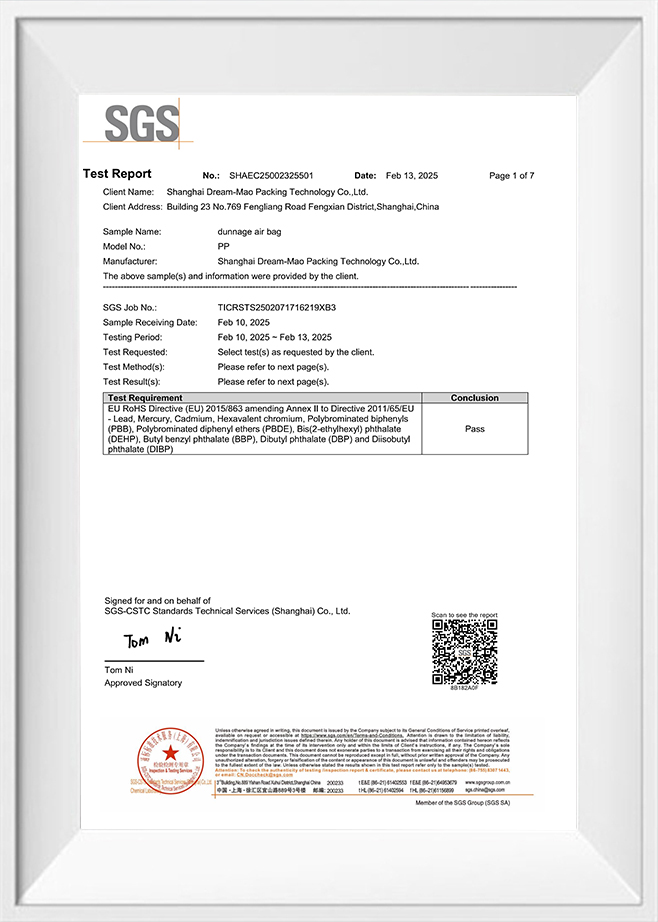
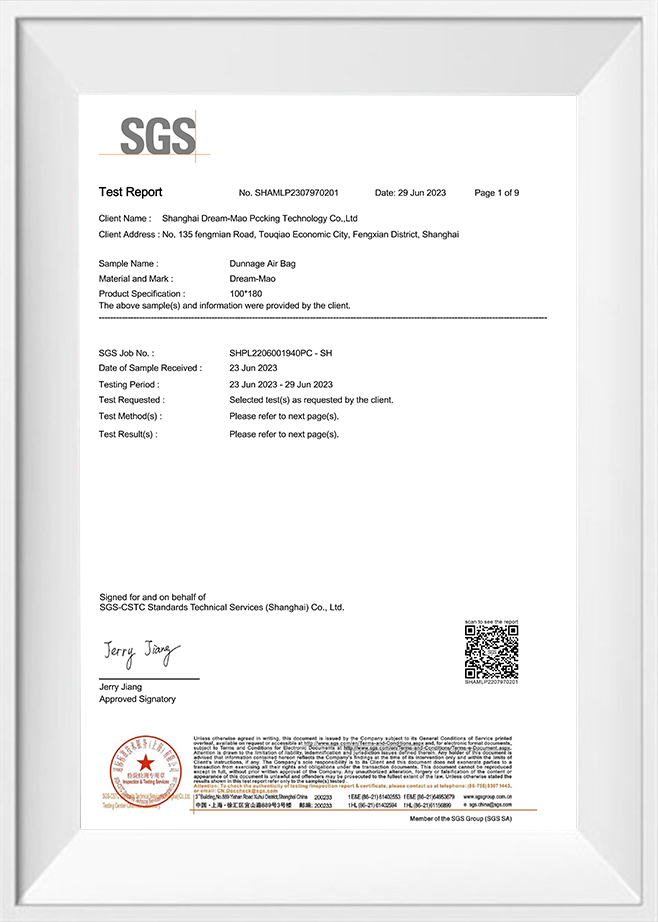
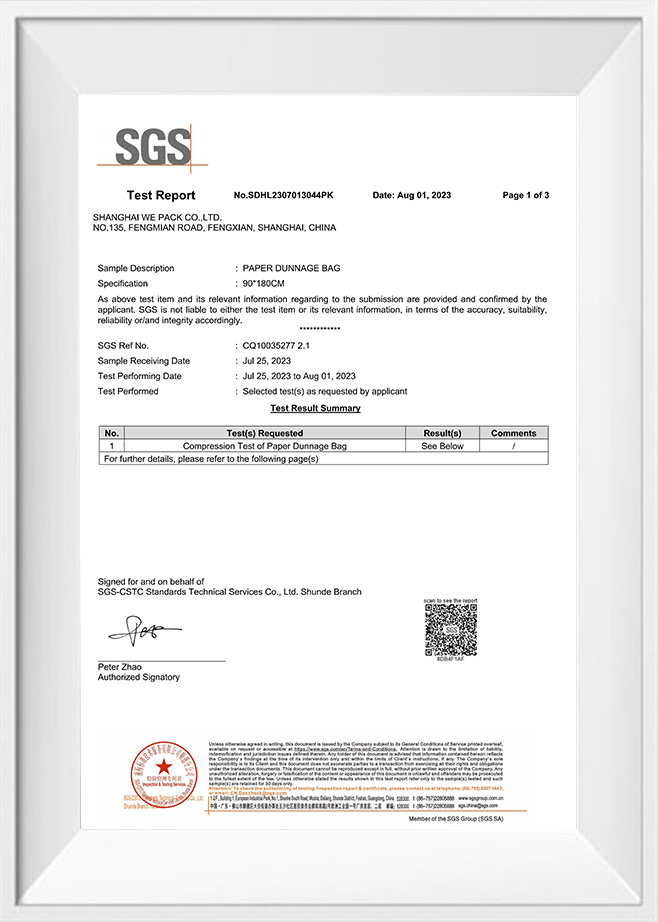
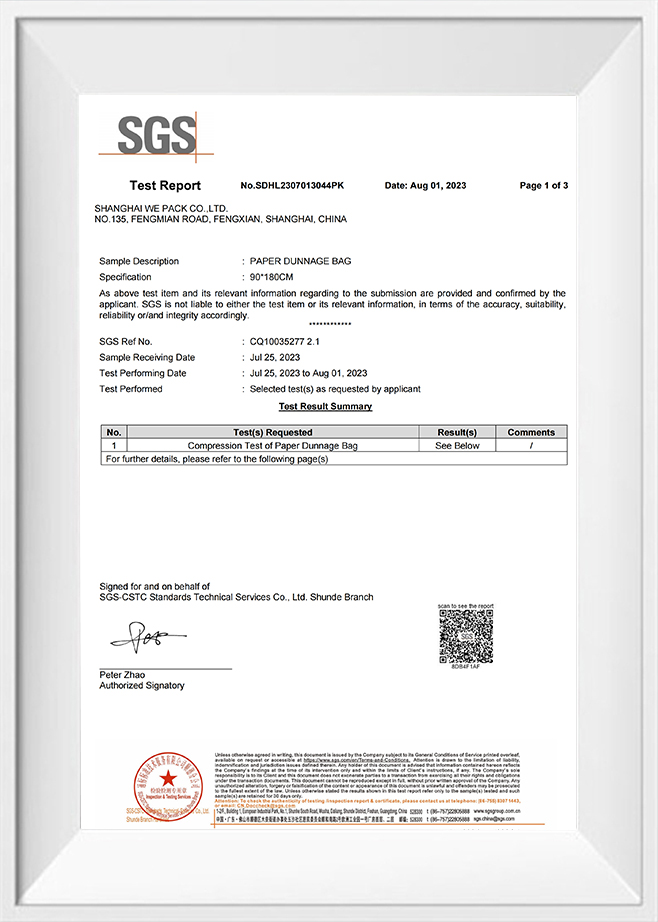
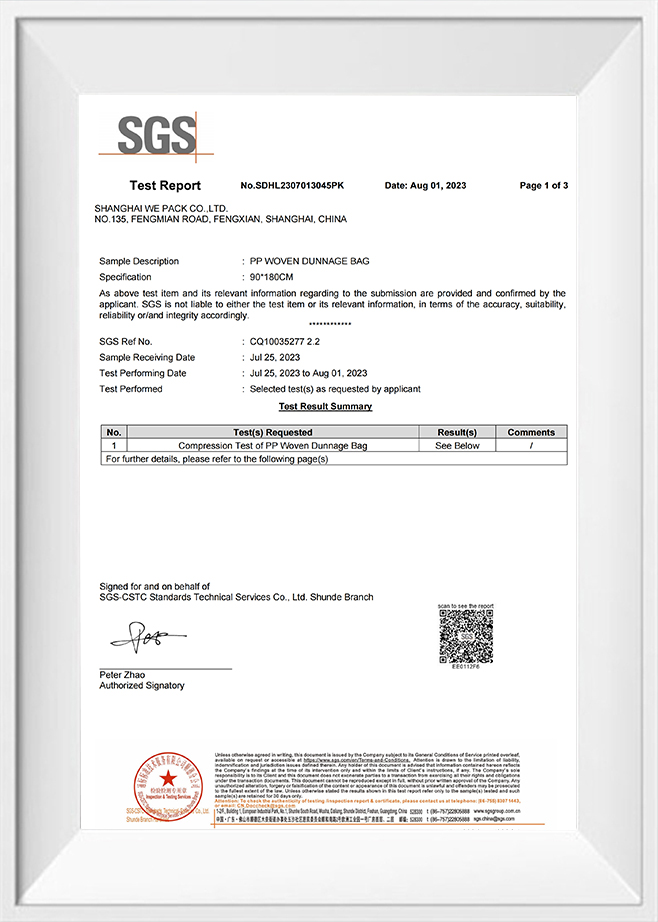
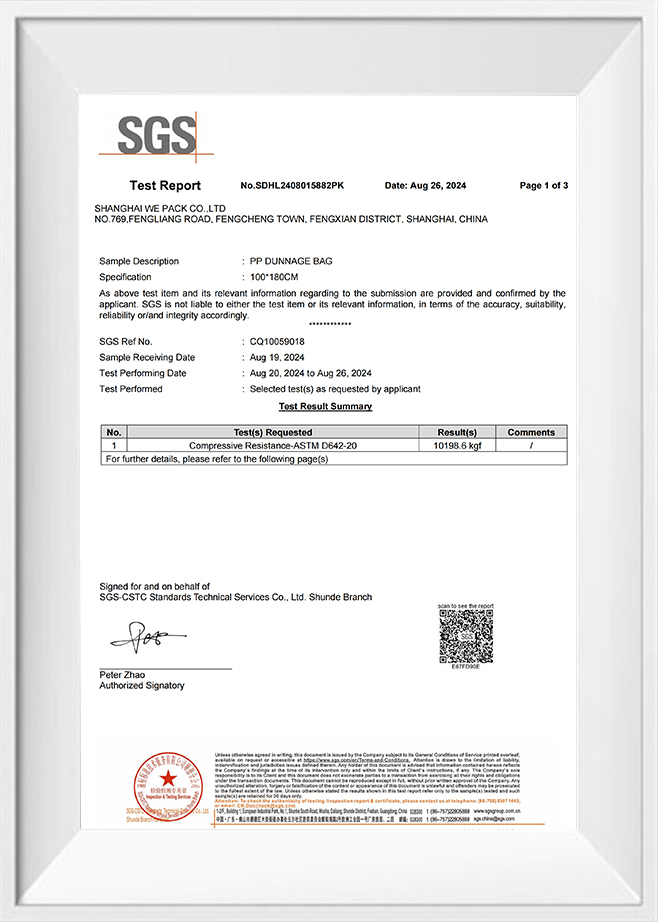
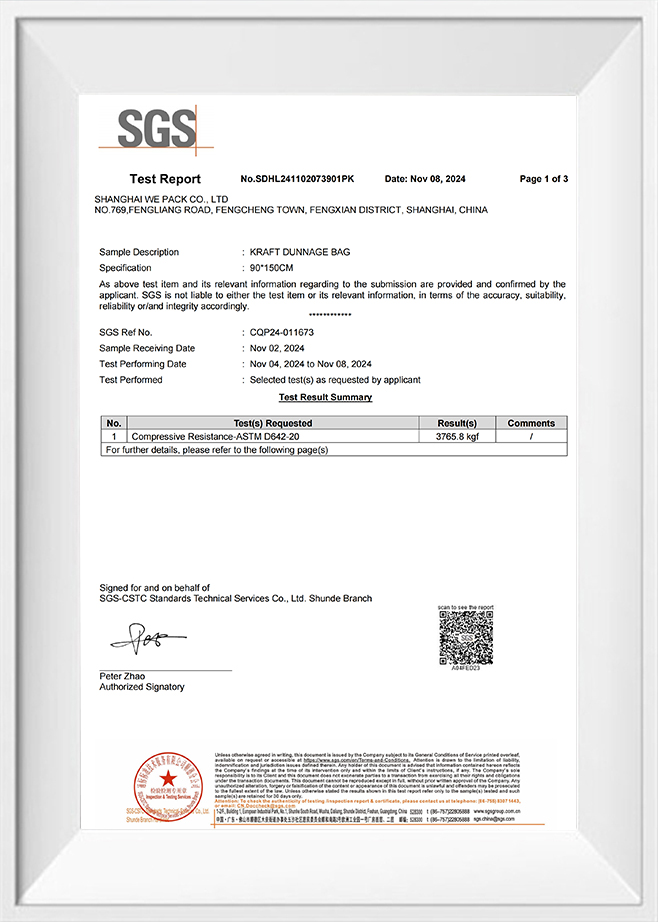
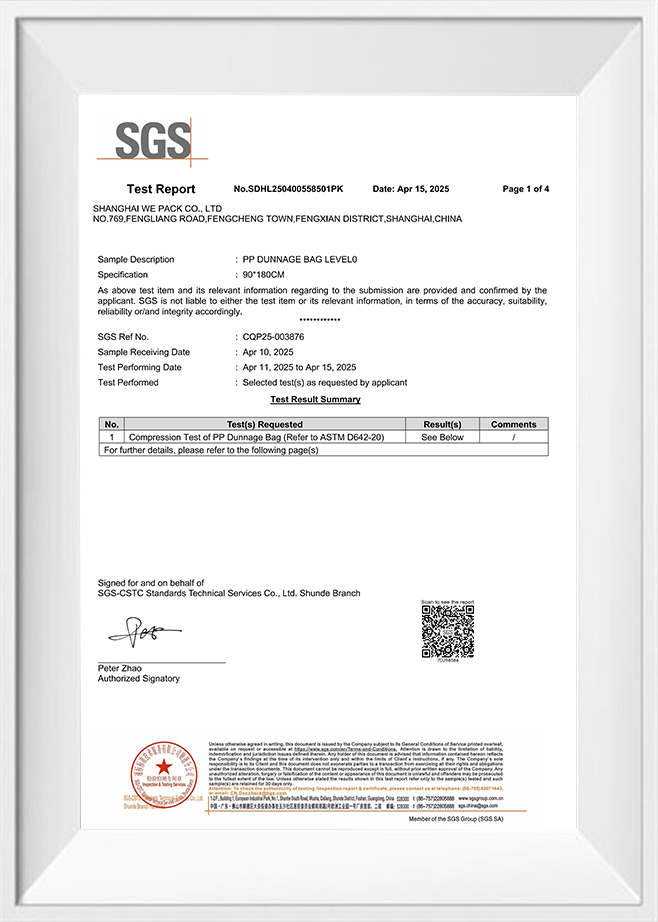
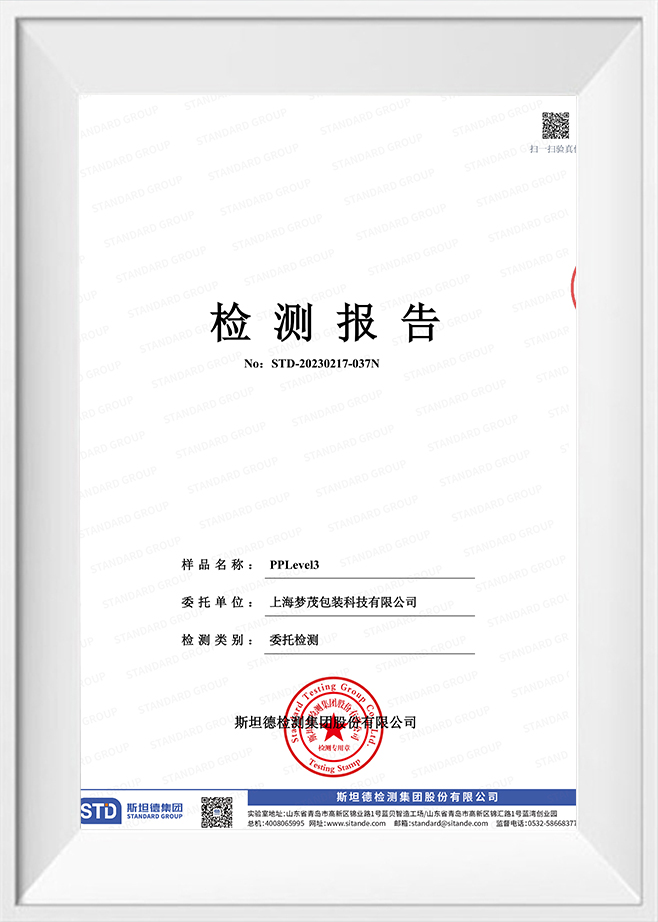
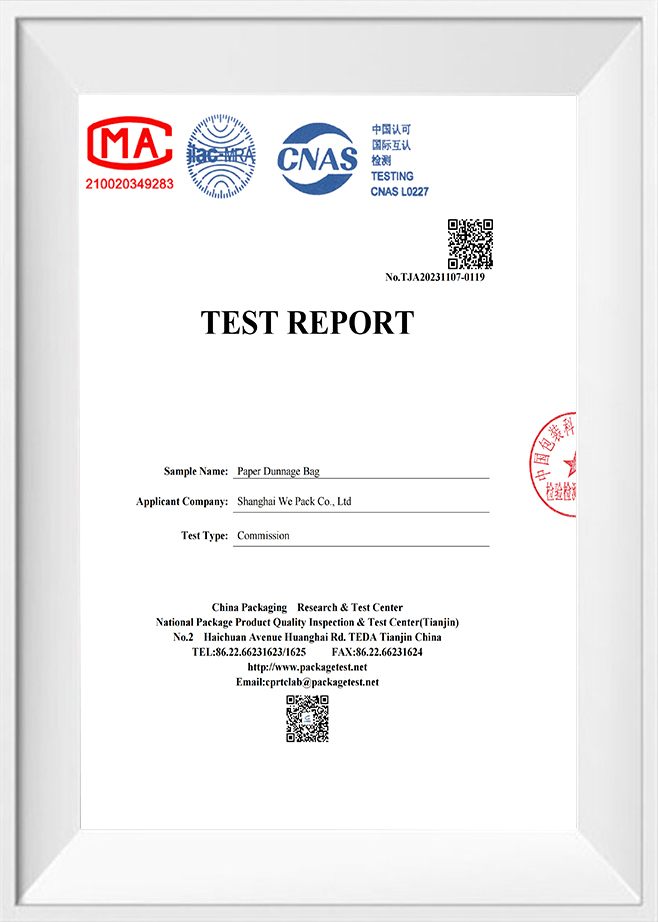
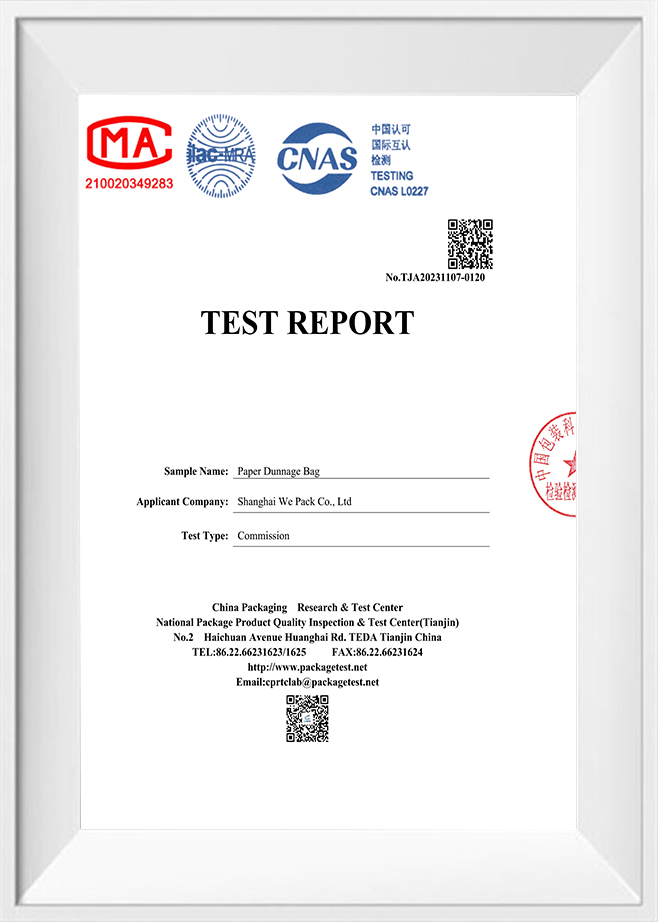
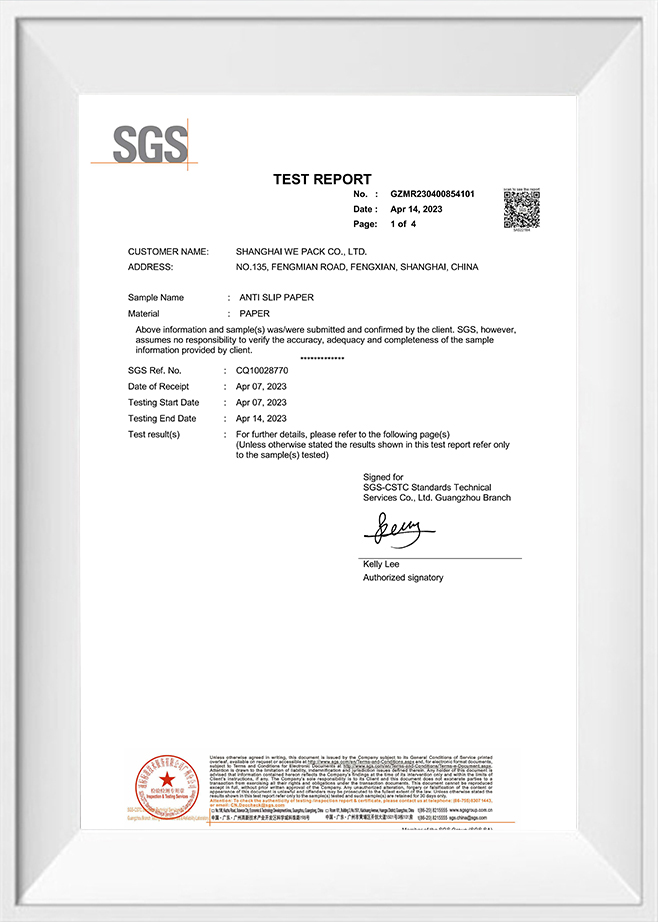
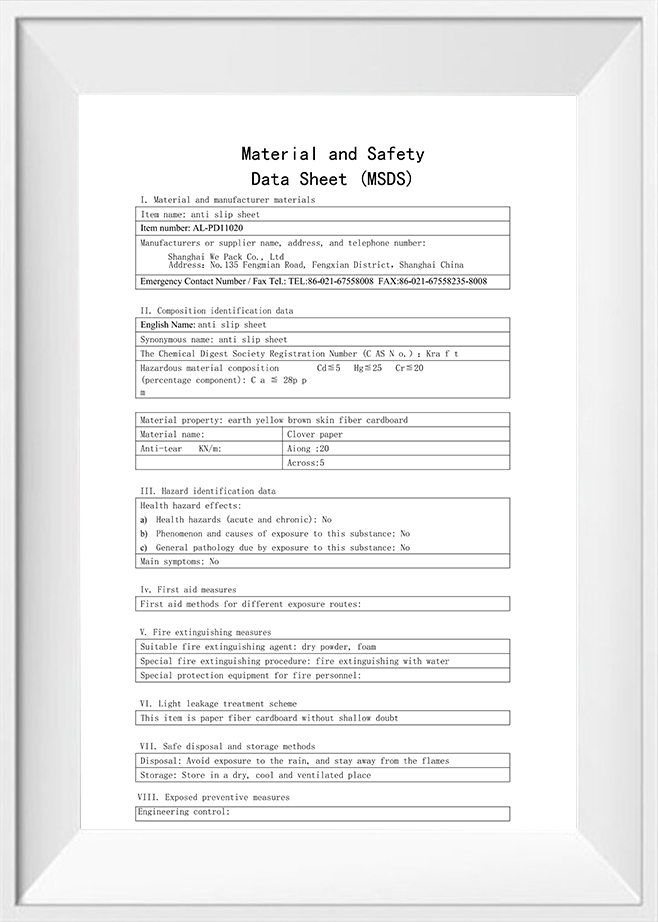
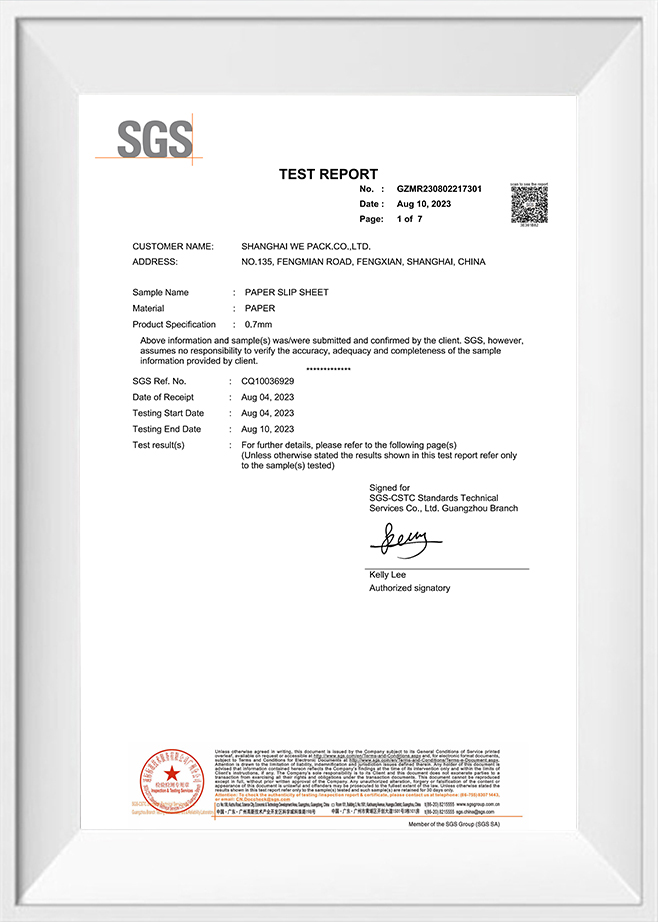
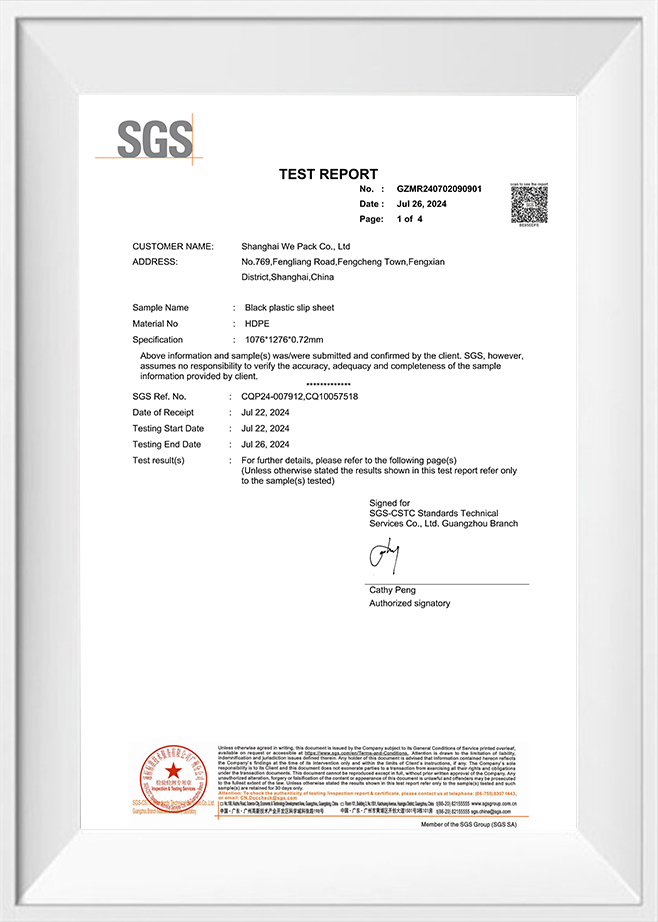
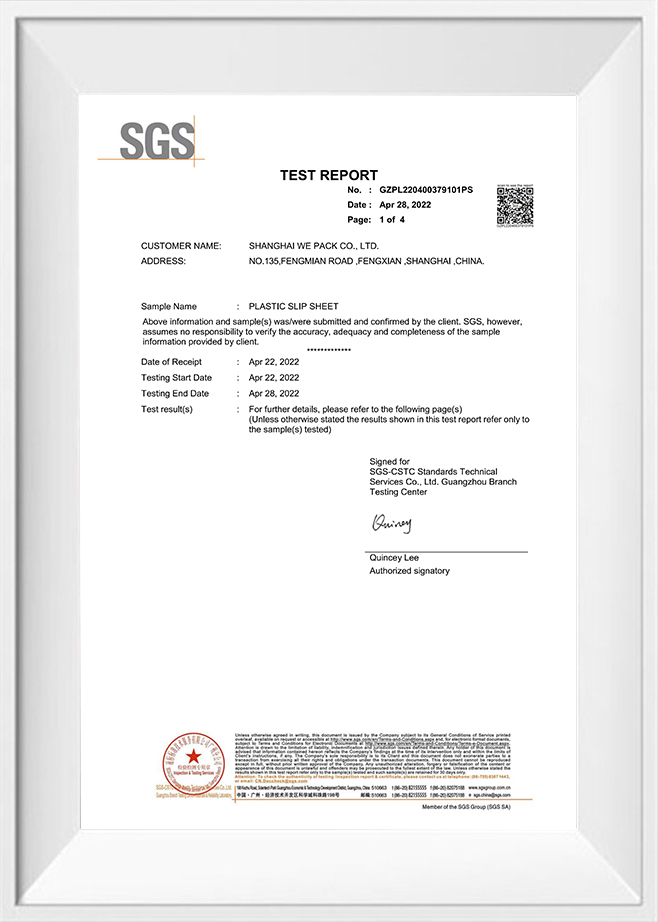
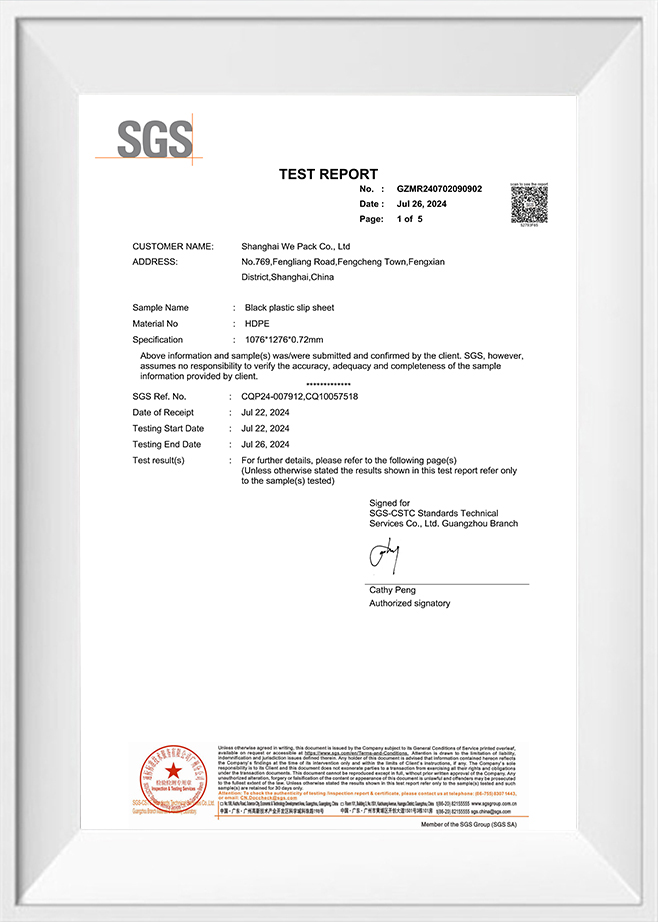
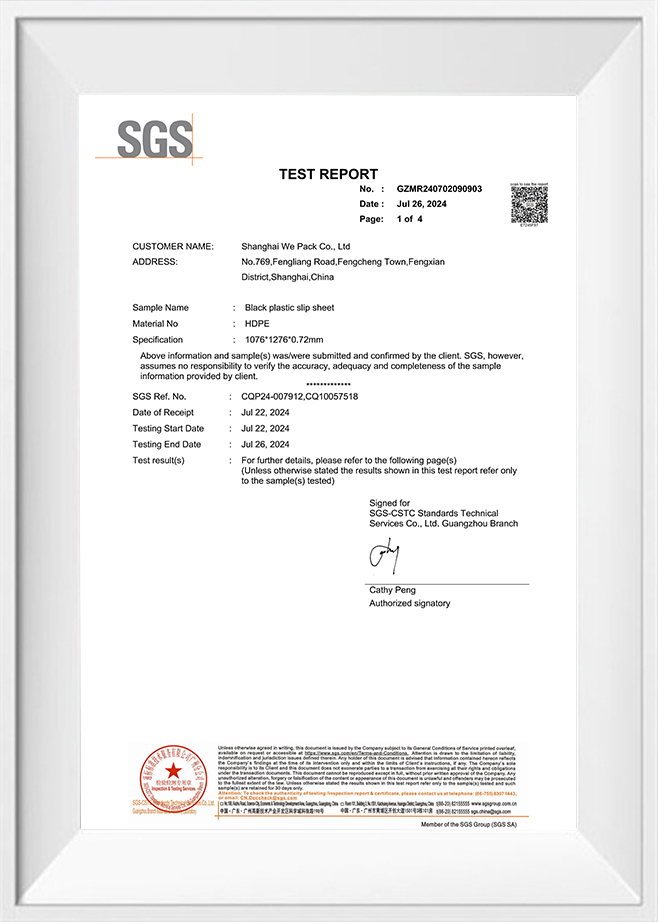
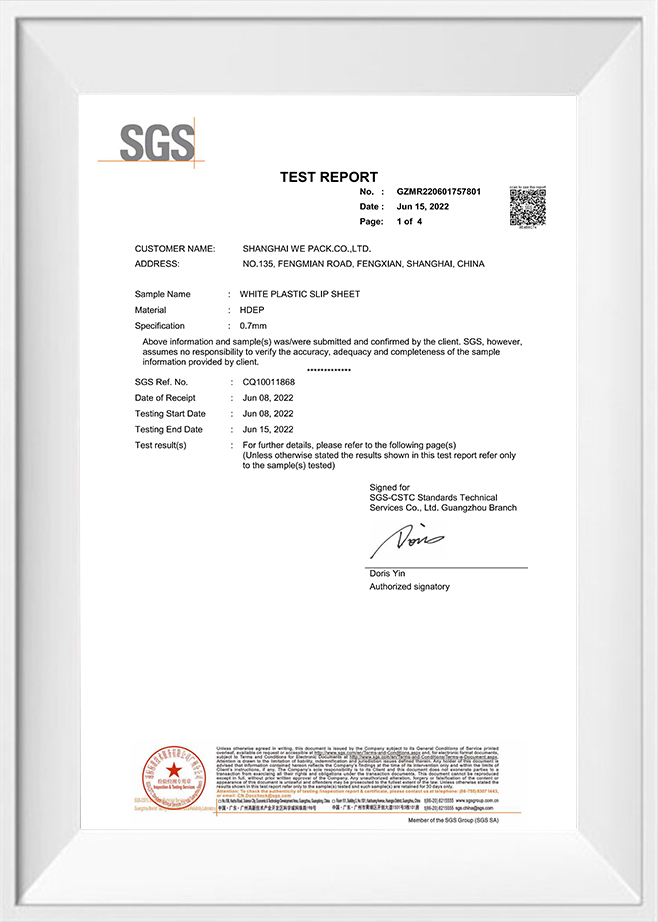
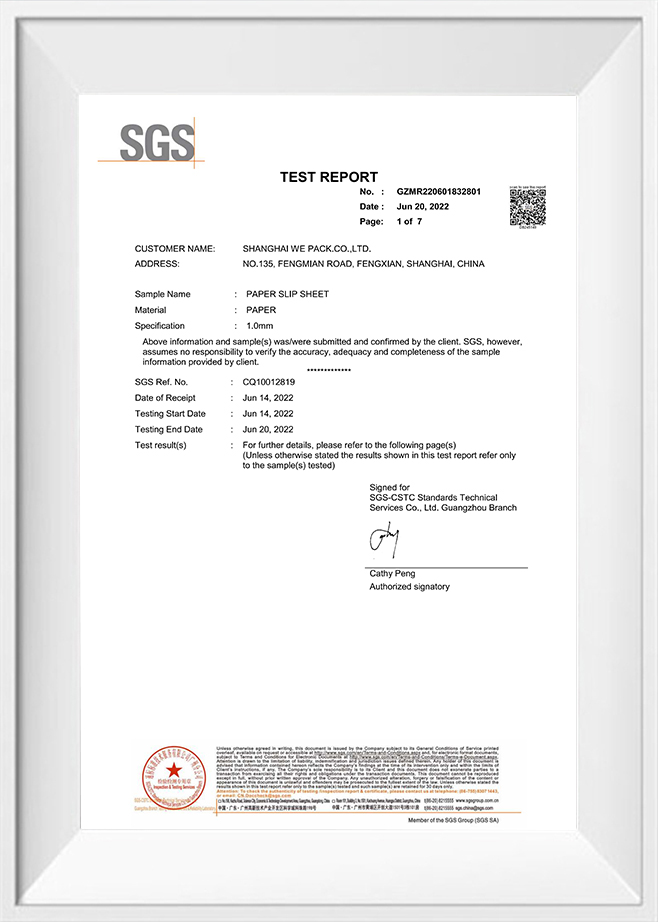
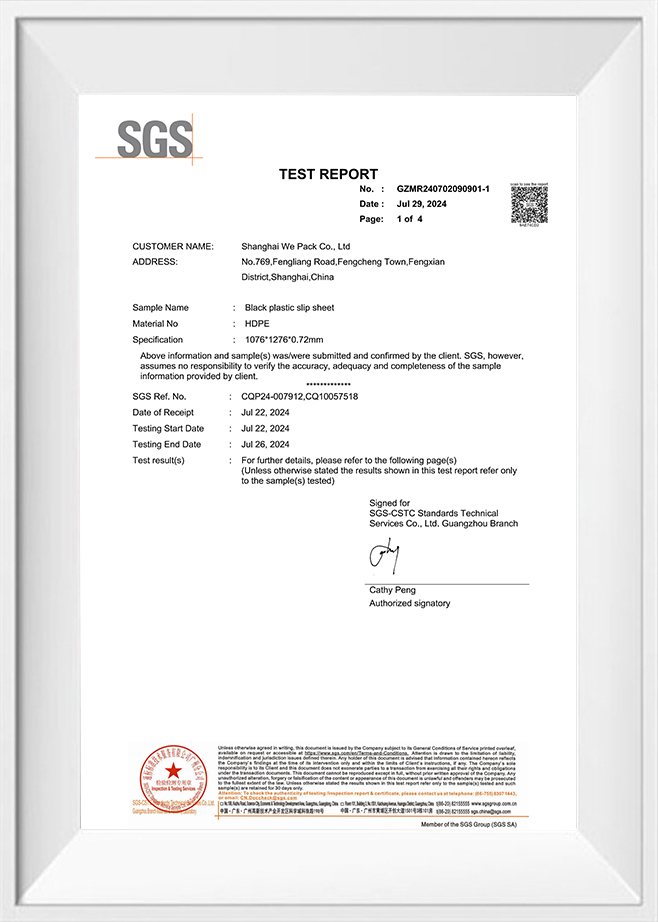
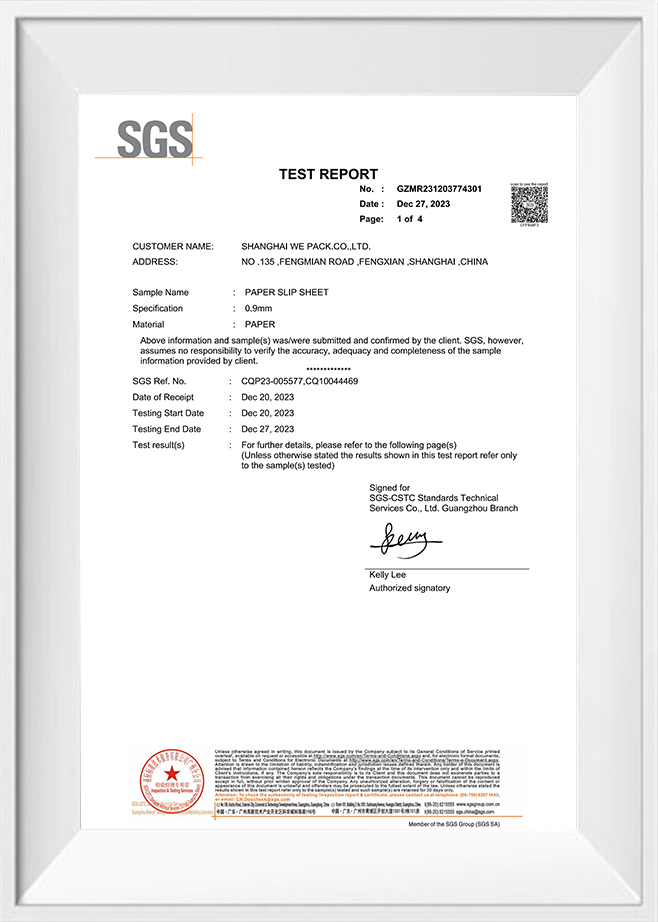
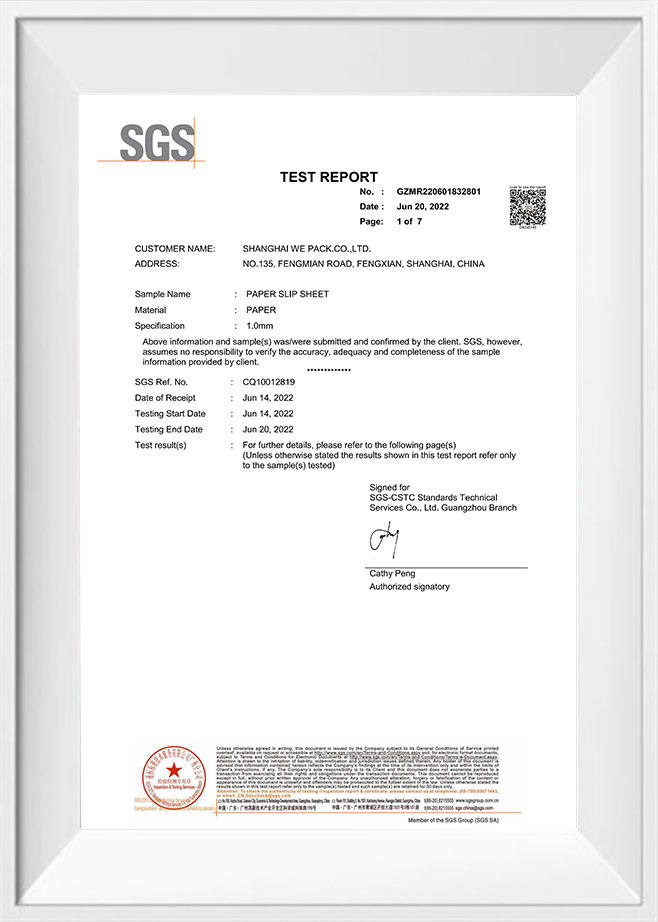
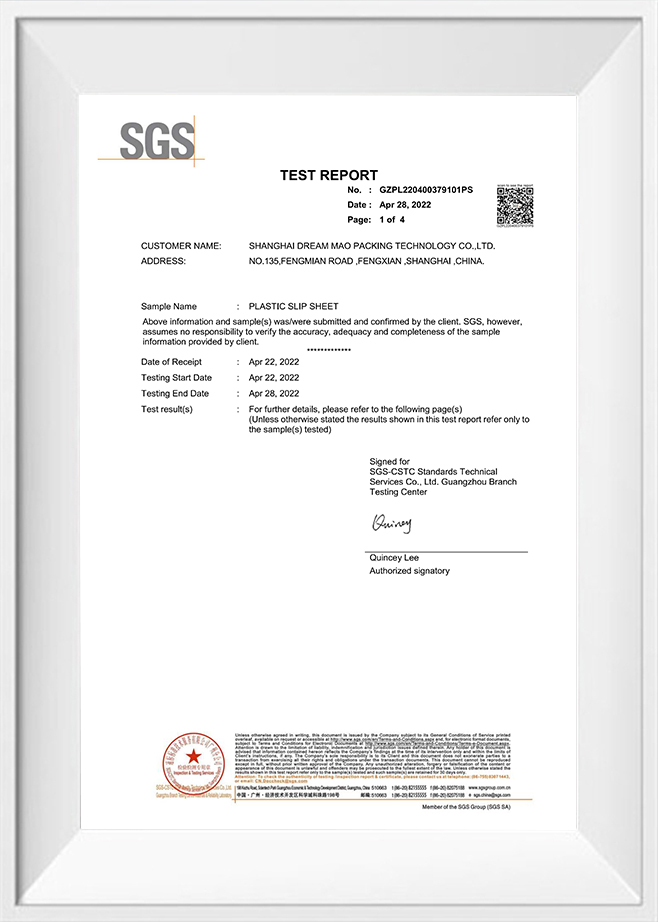
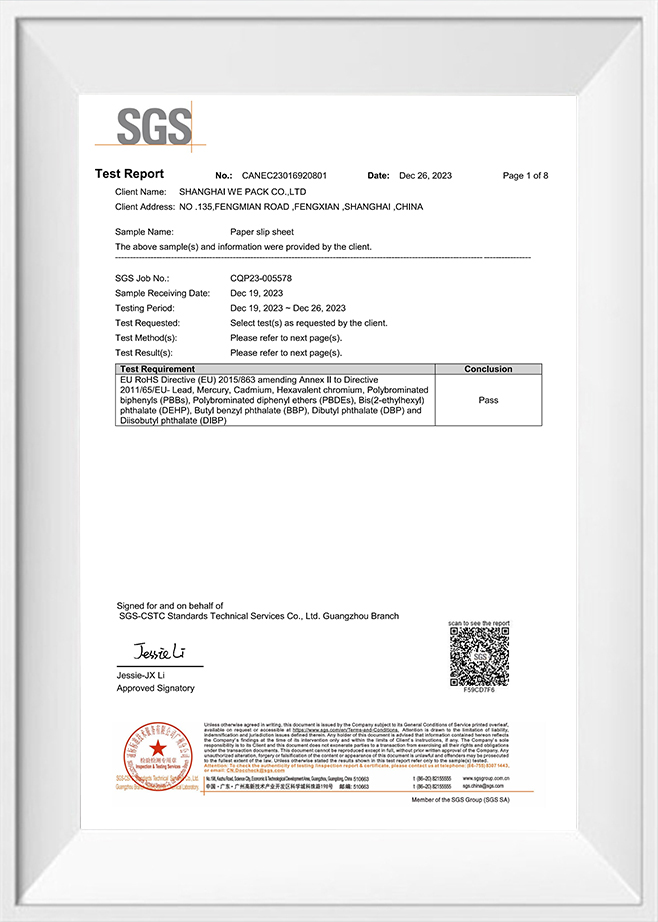
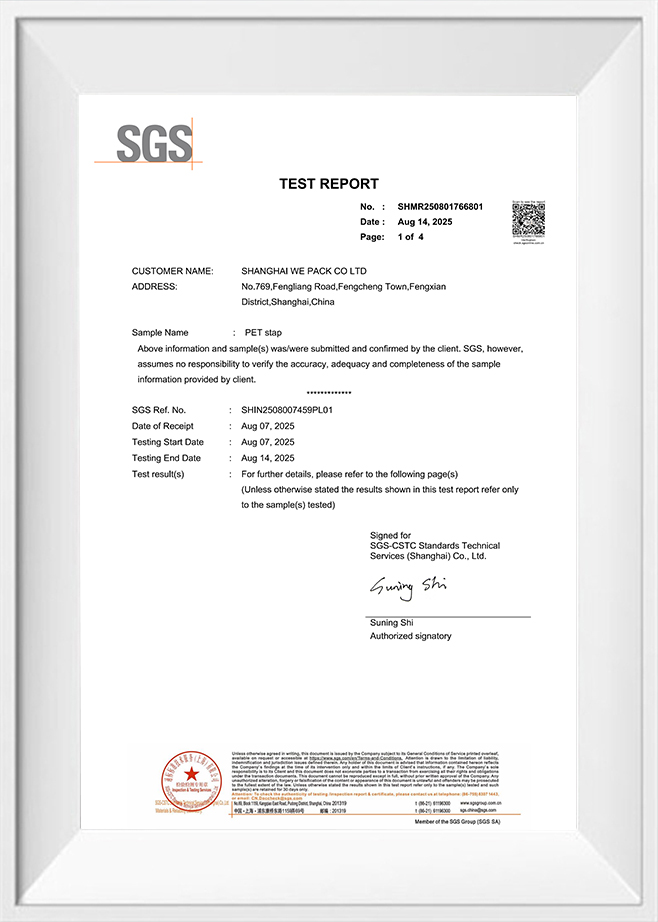
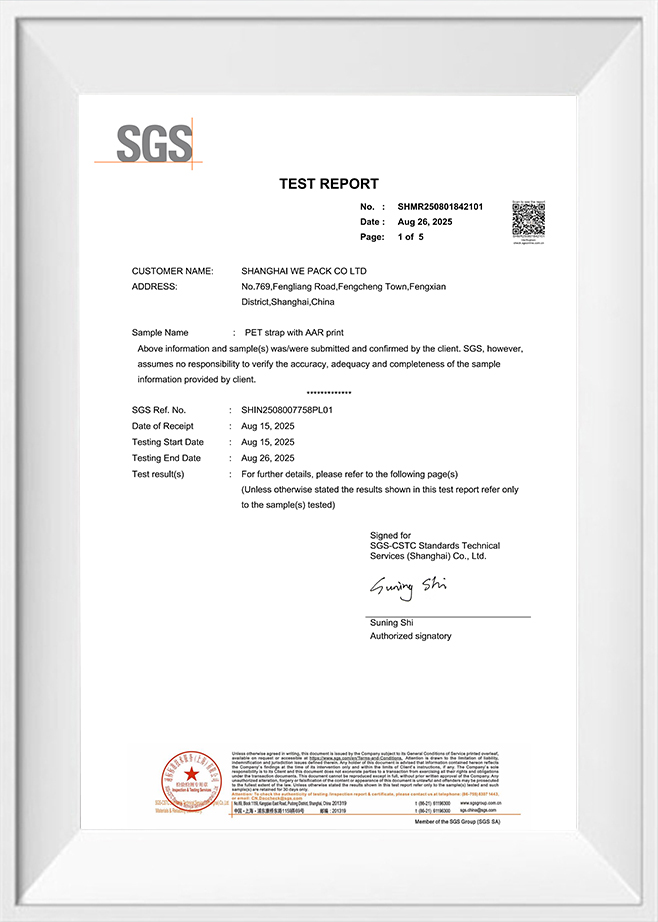
Production runs under an ISO 9001 management system, with in-house laboratory and testing equipment supported by third-party institutions such as SGS and TUV when a project requires independent reports. Our portfolio is aligned with AAR, SGS and TUV transport test standards, and the wider lashing range is produced against EN 1492-1.
- Incoming paper: grade, grammage and surface checked before the roll reaches the forming line.
- In process: ply count, caliper and cut dimensions verified during production.
- Finished goods: compression and moisture content checks on sampled protectors before packing.
- Documentation: test reports and certificates issued with the shipment where the project calls for them.
- Sample retention: approved samples held against future production for repeat orders.
Information We Use to Configure Your Solution
A workable configuration comes from the load, not from a catalogue page. These are the inputs that change the protector we propose.
| Project Input |
How It Changes the Configuration |
| Cargo type, unit weight and dimensions |
Sets ply count, leg length and profile |
| Stack height and pallet pattern |
Determines compression demand at the bottom corners |
| Transport mode and route climate |
Drives moisture-resistant treatment and moisture content target |
| Strapping, wrapping or dunnage method |
Defines the contact band the protector must cover |
| Container or trailer cube target |
Constrains thickness and leg length |
| Print artwork and colour count |
Determines surface grade and print method |
| Annual volume and call-off pattern |
Sets production scheduling and packing format |
| Destination compliance requirements |
Determines which test reports accompany the shipment |
Customization, Order Scope and Delivery
OEM and ODM work covers size, ply, material, surface treatment and printing, and our engineering team can develop from your drawing or from a physical sample. Minimum order quantity is 100 pieces, which keeps trial orders practical while the same 9 production lines support repeat volume from a 10,000 m² facility. Protectors are bundled, strapped or cartoned to suit your unloading method, and shipments move through Shanghai Port from our Fengxian District operation.
Frequently Asked Questions
What is a white paper corner protector used for?
It wraps the vertical and horizontal edges of cartons, panels, coils and palletized loads so that strap, stretch film, dunnage bags and container walls press on the protector instead of the product. The white surface is used where hygiene, visual inspection or brand printing matters, including food, pharmaceutical, electronics and coated furniture shipments.
Can you print our logo on white paper corner protectors?
Yes. Flexographic printing applies logos, handling symbols, batch codes and QR labels to the white face. Artwork size, colour count and position are agreed on a sample before the production run, so the print stays readable once the protector is folded onto the load.
What sizes and ply counts can you produce?
Leg length, outer width, thickness, inner angle and ply count are made to the application. Light 3-ply protectors suit low stack heights and tight cube; heavier multi-ply builds are used where compression and puncture demand are higher. Send the carton or panel dimensions and the stack height and we will propose the build.
How do you keep white protectors from softening in humid shipments?
Moisture content is controlled during production and checked before packing, and a moisture-resistant treatment is available for chilled, fruit and condensation-prone routes. We have tested moisture-resistant white protectors for fruit transport, where the paper has to hold stiffness through temperature change.
What is the minimum order quantity, and can you supply samples?
Minimum order quantity is 100 pieces, and we supply samples for fit and print approval before mass production. The same production lines support both trial quantities and repeat volume.
How do white paper corner protectors work with dunnage bags and slip sheets?
The protector takes the point load where strap, film or a dunnage bag meets the carton edge; the dunnage bag then fills the void behind it so the load cannot move into that corner. On slip sheet loads, protectors guard the carton edges through push-pull handling while the slip sheet keeps unit height and weight down.

 Español