
 Español




Magnesium Chloride Desiccant Manufacturers
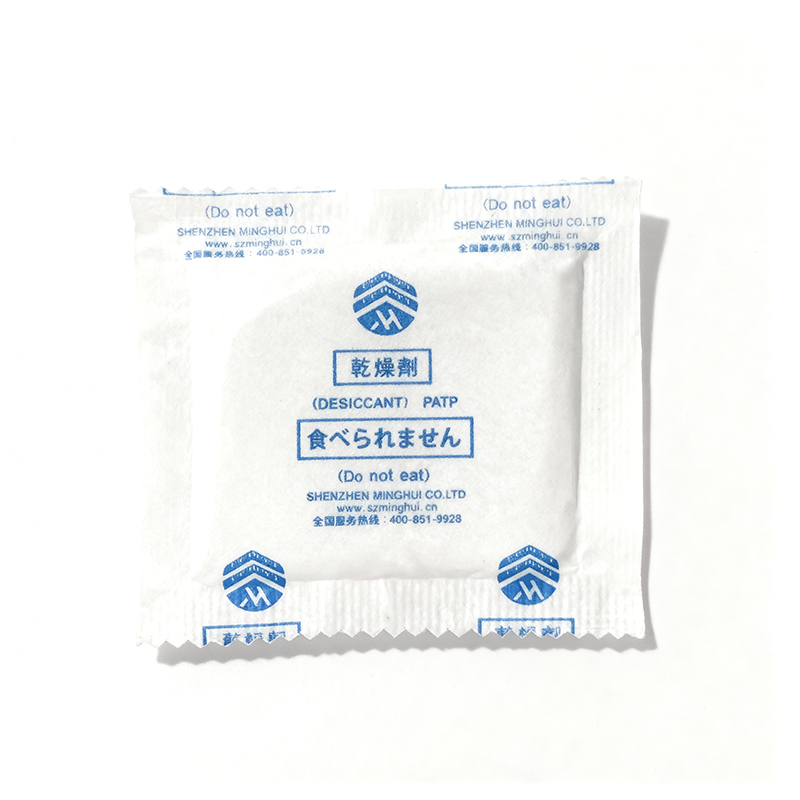
With high absorption efficiency and stable performance in medium to high humidity, magnesium chloride desiccant is a safe and effective choice for industrial packaging, storage, and select consumer goods packaging.

Shanghai We Pack Co., Ltd.
Founded in 2019, Shanghai We Pack Co., Ltd. is a subsidiary of Shanghai Mengmao Packaging Technology Co., Ltd. is an integrated packaging company specializing in cargo securing, transport protection, and loading optimization solutions. Magnesium Chloride Desiccant Manufacturers and Magnesium Chloride Desiccant Factory in China.
With a 10,000 m² facility, 120 employees, dedicated R&D, testing, and quality control teams, and 9 production lines, wepack offers end-to-end capabilities from design and testing to mass production.
Driven by an engineering approach, wepack strictly controls every key stage—from raw materials to finished products—to ensure reliable performance in real transport conditions.
We Pack’s core products include paper edge protectors, container dunnage air bags, and lashing systems. Custom Magnesium Chloride Desiccant. Through joint ventures and industrial collaboration, our portfolio has expanded to paper pallets, plastic pallets, slip sheets, carton sealing tapes, bubble wrap, stretch film, strapping, and packaging equipment.We provide one-stop packaging and transport protection solutions tailored to different cargo types and logistics scenarios.
All We Pack products comply with AAR, SGS, TUV, and other international transport test standards. We support OEM / ODM customization, offering product design and free packaging solution planning based on cargo type, loading method, load requirements, budget, and printing needs—helping customers reduce total logistics costs by 15–30% while ensuring transport safety.
Certificate
Certificate of Honor


WHAT WE
HAPPENED
Checkout Our Current
News
Industry knowledge
Shanghai We Pack Co., Ltd. is a Magnesium Chloride Desiccant manufacturer and integrated cargo protection supplier based in Shanghai, China. We produce magnesium chloride desiccant in sachets, hanging bags and container-size units, and we supply it as part of a wider desiccant range that also covers silica gel, montmorillonite and calcium chloride. The material is used for containerised ocean freight, long-term warehouse storage and industrial packaging where humidity is high enough that a standard silica gel sachet would be exhausted before the voyage ends.
Magnesium chloride is a deliquescent salt. It draws moisture from the air and converts it into a gel that stays inside the sachet, so the liquid is held rather than released back into the container. That behaviour gives the material a high moisture-holding capacity in medium to high humidity — the conditions that dominate sea freight, tropical storage and monsoon-season inland transport.
Positioning in the range: magnesium chloride desiccant is the high-humidity option in our desiccant family. It is specified when the load must stay dry for weeks or months, when the cargo itself releases moisture, or when the route crosses climate zones with repeated condensation cycles.
Where Magnesium Chloride Desiccant Fits
The product is a moisture-control layer, not a standalone packaging item. It works when the container is closed, the air volume is known and the cargo has a defined moisture profile. Typical applications we supply into:
- Containerised ocean freight — 20 ft, 40 ft and high-cube containers carrying cartons, pallets, machinery or bagged goods.
- Metal parts and machinery — condensation forming on cold steel surfaces during day-night temperature cycling.
- Leather, footwear, textiles and paper — cargo that releases its own moisture and needs the desiccant to hold it away from the load.
- Electronics and appliances — moisture-sensitive components where a dry container atmosphere protects against corrosion and mould.
- Long storage in humid climates — goods held in warehouses or open yards before shipment or after discharge.
Configuration Options We Produce
Desiccant performance depends on how the unit is built, not only on the salt inside it. We set the following variables per order so the product matches the container, the cargo and the receiving market.
| Configuration area | What we produce | What it controls |
|---|---|---|
| Sachet format | Flat sachets, hook-hanging bags, container desiccant blankets, custom shapes | Placement, air contact area and how the unit is fixed inside a container or carton |
| Packaging film | Breathable non-woven, coated and laminated films, leak-resistant constructions | Moisture vapour transmission rate, gel retention and protection against brine leakage |
| Fill weight | Set per project from container volume, cargo and voyage length | Total absorption capacity and the number of units required per container |
| Printing | Private label, brand marks, batch codes, handling and warning text | Traceability, receiving inspection and market presentation |
| Outer packaging | Poly bags, cartons, palletised loads, custom counts per carton | Storage stability before use and handling at the loading dock |
| Documentation | Material safety data sheets, batch records, packing lists | Customs clearance and incoming quality checks at the destination |
Matching Desiccant to Cargo and Container Conditions
Two containers of the same size can need very different desiccant quantities. The working point is set by the moisture load the container has to remove, not by container volume alone. We work from these variables:
- Container size and type — 20 ft, 40 ft and high-cube units hold different air volumes and have different wall areas for condensation.
- Cargo moisture content — wood, paper, textiles and bagged agricultural goods release water over time; steel, glass and plastics do not.
- Voyage duration and route — a two-week coastal run and a six-week intercontinental leg place different demands on the same unit.
- Temperature cycling — repeated warming and cooling drives condensation on container walls and cold cargo surfaces.
- Barrier packaging — stretch film, barrier bags and sealed cartons change how much moisture reaches the desiccant.
- Ventilation and loading pattern — airflow around the load determines whether the desiccant sees the whole container atmosphere.
Manufacturing, Testing and Quality Control
Our 10,000 m² facility in Shanghai runs nine production lines with dedicated R&D, testing and quality control teams. Raw materials are checked on receipt, fill weights and seals are monitored during production, and finished units are inspected before packing. Our management system is ISO 9001 certified, and our cargo protection products are tested against AAR, SGS and TUV standards. Third-party test reports can be arranged for orders that require them.
For desiccant orders, the practical acceptance points are fill weight consistency, seal integrity, film permeability and the absence of leakage after the gel forms. We hold samples from production runs so that repeat orders can be compared against the original specification.
One-Stop Integration with Cargo Securing and Transport Protection
Moisture control is one part of a container protection plan. The same shipment usually needs the load held in place, the pallet base replaced or the carton edges protected. We manufacture container dunnage bags for void filling and load stabilisation, slip sheets for palletless loading, and paper corner protectors for edge and corner protection, alongside stretch film, strapping and packaging tools.
Supplying these items together means the desiccant quantity, the dunnage bag size and the loading pattern can be planned as one system rather than three separate purchases. It also keeps documentation, packing lists and delivery schedules aligned across the order.
Information We Use to Configure Your Solution
A workable desiccant proposal needs the transport conditions, not just a product code. These are the inputs we use to set format, fill weight, film and quantity:
- Container type and quantity per shipment
- Cargo description, packaging type and whether the goods release moisture
- Origin, destination and expected transit time
- Climate at loading, in transit and at discharge
- Target humidity or dew point inside the container, if specified
- Current desiccant format and quantity, for comparison or replacement
- Printing, branding and private-label requirements
- Documentation and test-report requirements for the receiving market
- Delivery schedule, destination port and preferred trade terms
Documentation, Packaging and Delivery Scope
Desiccant shipments are packed to protect the units before they reach the container: inner poly bags, cartons and palletised loads with counts marked per carton. Material safety data sheets, batch records and packing lists are prepared per order, and third-party test reports can be arranged where the receiving market requires them.
We support OEM and ODM work covering sachet size, film, fill weight, printing and outer packaging. Custom runs start from 100 pieces, and samples can be supplied before mass production. Our Shanghai location gives short inland transport to Shanghai Port for consolidated and full-container shipments.
Frequently Asked Questions
What is magnesium chloride desiccant used for?
It is used where humidity is medium to high and the load must stay dry for weeks or months — containerised ocean freight, machinery and metal parts, leather and textiles, electronics, and goods stored in humid climates. The salt absorbs moisture and converts it into a gel that stays inside the sachet.
How does it differ from silica gel desiccant?
Silica gel is a physical adsorbent that performs well in moderate humidity and remains dry. Magnesium chloride is deliquescent: it takes in moisture and turns into a gel, which gives it a higher holding capacity in humid conditions. We supply both types and match the choice to the route, cargo and container conditions.
How much desiccant does a container need?
The quantity depends on container size, cargo moisture, voyage length and climate. We calculate it from the loading plan and cargo data you provide, then confirm the format, fill weight and unit count in the proposal.
Can you print our brand on the sachets and cartons?
Yes. OEM and ODM work covers sachet size, film, fill weight, printing and outer packaging. Custom runs start from 100 pieces, and samples can be supplied before mass production.
Do you supply desiccant together with other cargo protection products?
Yes. Desiccant is one layer of a container protection plan. We also manufacture dunnage bags, slip sheets, paper corner protectors, stretch film and strapping, so a single order can cover moisture control, load securing and edge protection.
What documentation comes with a desiccant order?
Material safety data sheets, batch records and packing lists are prepared per order, and third-party test reports can be arranged where the receiving market requires them.

PRODUCT
CONTACT INFO
-
 +86-137 7421 9489
-
 +86-021-67558008
-
 [email protected]
-
 No.769 ,23# building, Fengliang Road,Fengcheng town,Fengxian District,Shanghai,China
MOBILE QR CODE

