
 Español




White Plastic Slip Sheet Manufacturers
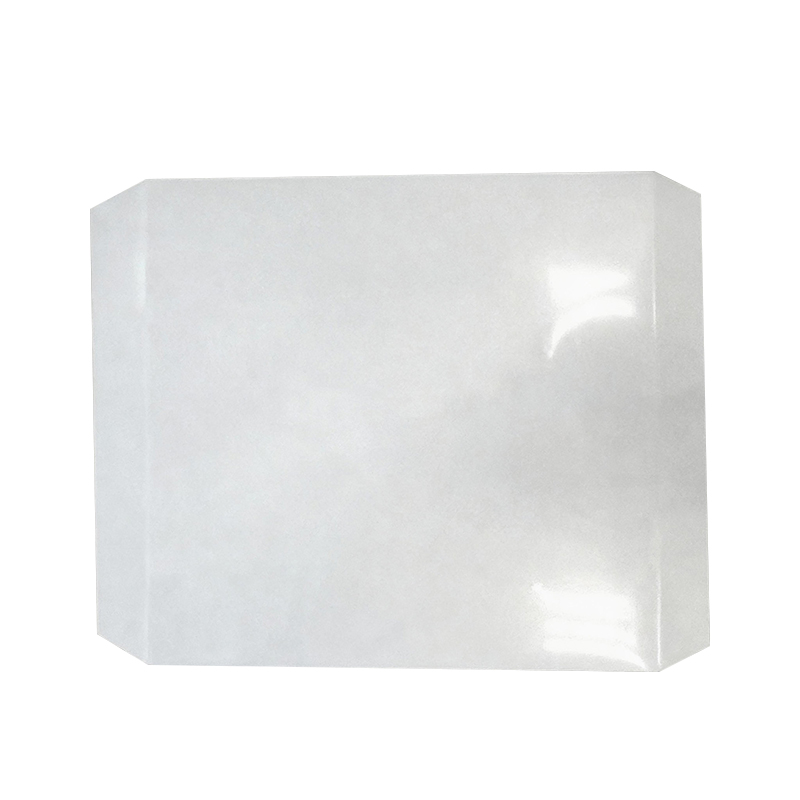
Made from durable HDPE or similar polymers, our Plastic Slip Sheets offer high strength, moisture resistance, and a smooth surface for easy sliding. They are hygienic, washable, and suitable for repeated use in various industrial and food-grade environments.

Shanghai We Pack Co., Ltd.
Founded in 2019, Shanghai We Pack Co., Ltd. is a subsidiary of Shanghai Mengmao Packaging Technology Co., Ltd. is an integrated packaging company specializing in cargo securing, transport protection, and loading optimization solutions. White Plastic Slip Sheet Manufacturers and White Plastic Slip Sheet Factory in China.
With a 10,000 m² facility, 120 employees, dedicated R&D, testing, and quality control teams, and 9 production lines, wepack offers end-to-end capabilities from design and testing to mass production.
Driven by an engineering approach, wepack strictly controls every key stage—from raw materials to finished products—to ensure reliable performance in real transport conditions.
We Pack’s core products include paper edge protectors, container dunnage air bags, and lashing systems. Custom White Plastic Slip Sheet. Through joint ventures and industrial collaboration, our portfolio has expanded to paper pallets, plastic pallets, slip sheets, carton sealing tapes, bubble wrap, stretch film, strapping, and packaging equipment.We provide one-stop packaging and transport protection solutions tailored to different cargo types and logistics scenarios.
All We Pack products comply with AAR, SGS, TUV, and other international transport test standards. We support OEM / ODM customization, offering product design and free packaging solution planning based on cargo type, loading method, load requirements, budget, and printing needs—helping customers reduce total logistics costs by 15–30% while ensuring transport safety.
Certificate
Certificate of Honor


WHAT WE
HAPPENED
Checkout Our Current
News
Industry knowledge
Shanghai We Pack Co., Ltd. is a White Plastic Slip Sheet manufacturer supplying reusable HDPE sheets for palletless container loading, truck and rail shipments where weight, hygiene and repeat use matter. The sheets resist moisture, wipe clean and slide smoothly under push-pull handling, so a unit load can travel without a wooden pallet underneath. They sit inside a wider cargo securing and transport protection program that includes dunnage bags, corner protectors, strapping and stretch film, and each order is built around the load, the handling equipment and the receiving environment.
Shanghai We Pack was founded in 2019 as a subsidiary of Shanghai Dreammao Packaging Technology Co., Ltd., an integrated packaging group with 18 years in cargo securing, transport protection and loading optimization. Production runs from a 10,000 m² facility with 120 employees, dedicated R&D, testing and quality control teams, and 9 production lines.
White Plastic Slip Sheet Range and Positioning
Our white slip sheet line is the reusable plastic branch of the Slip Sheet family, produced from HDPE and comparable polymers in a natural white finish. The color is functional rather than decorative: contamination, scuffing and edge damage show up early on a white surface, which matters in food, pharmaceutical and consumer-goods flows where a soiled sheet has to leave the pool before it reaches a loading dock.
The range is positioned for repeated cycles rather than one-way export. Where a shipment only has to arrive once, a paperboard sheet is usually the lighter and cheaper answer; where the load is heavy, damp or handled many times, the plastic sheet takes the cost of the pallet out of the freight budget and keeps it out.
| Product | Material | Reuse profile | Typical fit |
|---|---|---|---|
| White Plastic Slip Sheet | HDPE and comparable polymers, natural white | Reusable, washable, wipe-down | Food-grade and hygiene-sensitive flows, general cargo, closed-loop container cycles |
| Black Plastic Slip Sheet | Black polymer sheet | Reusable | Industrial, construction and heavy general cargo where appearance is secondary |
| Paper Slip Sheet | Paperboard laminate | Single trip or limited reuse | One-way export loads, dry cargo, cost-driven shipments |
Application Fit: Where HDPE Slip Sheets Replace Pallets
A slip sheet only performs when the whole handling chain agrees on it — the loader, the forklift attachment, the trailer deck and the receiving dock. The white HDPE sheet suits loads that are flat enough to sit on a thin deck and stable enough to be pulled onto a push-pull carriage without shifting.
- Bagged and sack goods — stacked sacks form a uniform bottom layer that spreads load across the sheet face.
- Cartons and cases — unitized cases travel as a single block, with the sheet acting as the base of the unit load.
- Drums, pails and rigid containers — heavier point loads call for a stiffer gauge and a reinforced tab.
- Food and hygiene-sensitive cargo — moisture resistance and washability allow the sheet to be cleaned and returned to service.
- Closed-loop and returnable flows — repeated cycles between plant, warehouse and port, where a wooden pallet would be lost, repaired or scrapped.
The tab is the interface
The tab is where the sheet meets the forklift. A push-pull attachment grips the tab, draws the load onto its platens and carries it without the sheet ever being lifted by forks. Tab length, tab position and the choice between a single and a double tab follow the jaw geometry of the attachment and the direction the load is pulled. Sheet stiffness and gauge are matched to the load weight so the tab does not fold under the clamp or tear at the root.
Configuration Options We Build Around
Slip sheets are not a single stock item. The specification is assembled from the load, the equipment and the route, and the same sheet footprint can be produced in several stiffness and tab combinations.
| Configuration area | What we produce | Effect on the load |
|---|---|---|
| Sheet footprint | Length and width cut to the unit load, square or radiused corners | Deck coverage, container cube and clearance inside the trailer |
| Thickness grade | Light to heavy gauge HDPE | Stiffness, puncture resistance and push-pull durability |
| Tab geometry | Single or double tab, tab length and position, reinforced tab root | Grip for the push-pull attachment and pull direction |
| Surface | Smooth on both faces, or a grip face on the load side | Balance between sliding under the load and holding the bottom layer |
| Printing | Customer logo, handling marks, recycling and return instructions | Identification, pool control and traceability at the dock |
| Edge finishing | Trimmed edges and corner radius to suit the load | Fewer snags during handling and less tear initiation |
Material, Load and Environment Considerations
HDPE gives the sheet its moisture resistance, its tolerance of repeated washing and its low friction against container floors and trailer decks. What the sheet has to survive is decided by the load above it and the surface below it.
- Load weight and distribution — total mass and whether it is spread evenly or concentrated on a few contact points.
- Bottom layer rigidity — a flat, rigid base slides cleanly; a soft or uneven base can drag and crease the sheet.
- Deck and floor condition — smooth container floors and trailer decks suit low-friction sliding, while rough or damaged surfaces call for a heavier gauge.
- Temperature and UV exposure — cold-store loading and long outdoor storage change how the polymer behaves under the clamp.
- Moisture and hygiene — damp ports, condensation and wash-down routines favor a plastic sheet over a fiber-based one.
- Slip versus grip — where the load itself tends to shift, a grip face or an interleaved friction layer keeps the stack together.
Critical Specifications and Acceptance Testing
Each order is defined by a small set of dimensions and performance points that both sides can measure on the same bench.
- Sheet length, width and thickness, with the tolerance band agreed before production.
- Tab length, tab width, tab position and reinforcement detail.
- Flatness and curl, so the sheet lies down on the deck instead of lifting at the corners.
- Tensile and tear performance of the sheet body and the tab root.
- Sliding behavior on the intended deck surface, checked against the load weight.
- Print position, legibility and surface cleanliness before packing.
Quality control runs from incoming polymer through forming, cutting, tab welding, printing and final packing. Our own laboratory and quality center carry out routine checks, and third-party institutions such as SGS and TUV are used for independent verification. The management system is certified to ISO 9001, and products comply with AAR, SGS, TUV and other international transport test standards. Test reports can be issued with the shipment where the project requires them.
Integration with Loading and Securing Systems
A slip sheet is one element of a loading plan, and it works best when the layers above it are specified at the same time. Anti-slip paper placed between carton layers holds the stack together once the pallet is gone, and Anti-slip Paper is often quoted alongside a slip sheet order for exactly that reason.
For loads that leave gaps against the container walls, dunnage bags fill the void and stop the unit from moving sideways during ocean transit. Corner protectors guard the edges that take the strap tension, and strapping or stretch film completes the unit. Because we manufacture across these families, the sheet, the void fill and the securing consumables are specified against one loading plan rather than bought as unrelated items.
Manufacturing Capacity and Process Control
Production is organized in a 10,000 m² facility with 9 production lines and 120 employees, supported by dedicated R&D, testing and quality control teams. Workshops are partitioned by product and process — material handling, forming, cutting, welding, assembly and packing — so that each stage has its own equipment and its own inspection points.
That structure supports both flexible customization and stable large-volume supply, which is what a slip sheet program usually needs: a first trial batch sized to a single lane, then repeat orders at a steady rhythm once the loading method is proven. OEM and ODM work is handled through the same engineering route, from drawing or sample through to mass production.
Information We Use to Configure Your Solution
A workable slip sheet specification comes out of a short, specific set of project inputs. These are the points our engineering team works from when preparing a configuration and quotation.
| Project input | How it shapes the specification |
|---|---|
| Unit load footprint, height and weight | Sets sheet size, thickness grade and tab reinforcement |
| Cargo type and bottom layer | Decides smooth versus grip face and corner treatment |
| Handling equipment | Push-pull attachment, clamp truck or manual handling defines tab geometry |
| Transport mode and route | Ocean, road or rail transit and transshipment count influence gauge and edge finishing |
| Reuse cycles and cleaning routine | Confirms whether a reusable HDPE sheet or a single-trip sheet is the right economics |
| Environment and hygiene requirements | Drives material choice for food-grade, damp or cold-store conditions |
| Printing and identification | Logo, handling marks and pool numbering placed on the sheet face |
| Annual volume and delivery schedule | Sets packing format, batch size and shipping plan |
Customization, Documentation and Delivery Scope
OEM and ODM customization covers sheet size, load capacity, material grade and printing, with samples available before a production run. Minimum order quantity starts at 100 pieces, which allows a trial lane to be equipped without committing to a full container program.
- Product design and packaging solution planning based on cargo type, loading method, load requirement, budget and printing needs.
- Packing formats suited to container loading and warehouse handling, with batch and carton marking agreed at order stage.
- Trade terms including EXW, FOB, CIF and DDP, arranged from a location close to Shanghai Port and Pudong International Airport.
- Payment by T/T with a 30% advance and the balance against the bill of lading copy, with other terms negotiable for long-term programs.
Frequently Asked Questions
What is a white plastic slip sheet made from?
Our white slip sheets are produced from HDPE and comparable polymers in a natural white finish. The material resists moisture, tolerates washing and presents a smooth face for sliding across container floors and trailer decks. The white surface also makes contamination, scuffing and edge damage visible early, which suits food, pharmaceutical and consumer-goods flows.
Are white plastic slip sheets reusable?
Yes. They are built for repeated cycles rather than one-way shipment. The polymer is hygienic and washable, so sheets can be cleaned and returned to service in industrial and food-grade environments, and a closed-loop pool can be managed with printed identification on the sheet face.
What does a push-pull attachment need from the sheet?
It needs a tab it can grip cleanly. We produce single and double tab configurations, with tab length and position set to the attachment jaw geometry and the direction the load is pulled. Thickness grade and stiffness are matched to the load weight so the tab does not fold under the clamp or tear at the root.
What information do you need to quote a slip sheet order?
Unit load footprint, height and weight; cargo type and bottom layer; handling equipment; transport mode and route; reuse cycles and cleaning routine; hygiene or temperature conditions; printing requirements; and annual volume with the delivery schedule. From those inputs we prepare a sheet size, thickness grade, tab geometry and packing proposal.
Do you support custom sizes, printing and OEM/ODM work?
We do. OEM and ODM customization covers size, load capacity, material and printing, and we can develop from your drawing or sample. Minimum order quantity is 100 pieces, and samples are available so the sheet can be tested on your own push-pull equipment before a full run.
What testing and documentation accompanies an order?
Routine checks run through our own laboratory and quality center, with independent verification available from institutions such as SGS and TUV. The management system is certified to ISO 9001, and products comply with AAR, SGS, TUV and other international transport test standards. Test reports and inspection documents can be issued with the shipment where the project calls for them.

PRODUCT
CONTACT INFO
-
 +86-137 7421 9489
-
 +86-021-67558008
-
 [email protected]
-
 No.769 ,23# building, Fengliang Road,Fengcheng town,Fengxian District,Shanghai,China
MOBILE QR CODE

