
 Español




Manual Fiber Strap Tensioner Manufacturers
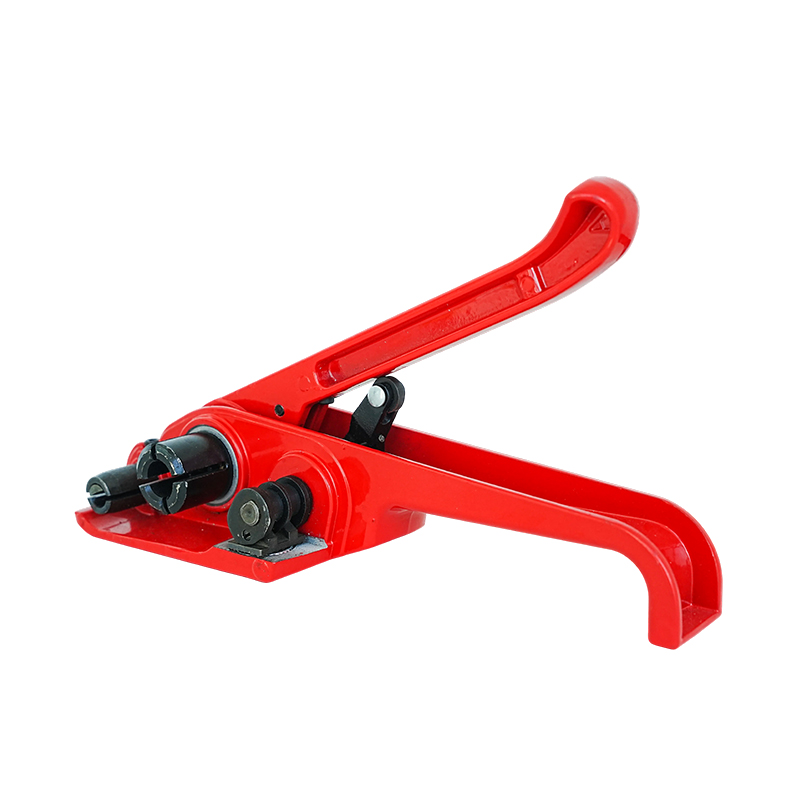
Simple, portable, and cost-effective tools for tightening and cutting straps where power sources are unavailable. These include manual tensioners for composite or heavy-duty straps and long-handled safety cutters for safe unpacking operations.

Shanghai We Pack Co., Ltd.
Founded in 2019, Shanghai We Pack Co., Ltd. is a subsidiary of Shanghai Mengmao Packaging Technology Co., Ltd. is an integrated packaging company specializing in cargo securing, transport protection, and loading optimization solutions. Manual Fiber Strap Tensioner Manufacturers and Manual Fiber Strap Tensioner Factory in China.
With a 10,000 m² facility, 120 employees, dedicated R&D, testing, and quality control teams, and 9 production lines, wepack offers end-to-end capabilities from design and testing to mass production.
Driven by an engineering approach, wepack strictly controls every key stage—from raw materials to finished products—to ensure reliable performance in real transport conditions.
We Pack’s core products include paper edge protectors, container dunnage air bags, and lashing systems. Custom Manual Fiber Strap Tensioner. Through joint ventures and industrial collaboration, our portfolio has expanded to paper pallets, plastic pallets, slip sheets, carton sealing tapes, bubble wrap, stretch film, strapping, and packaging equipment.We provide one-stop packaging and transport protection solutions tailored to different cargo types and logistics scenarios.
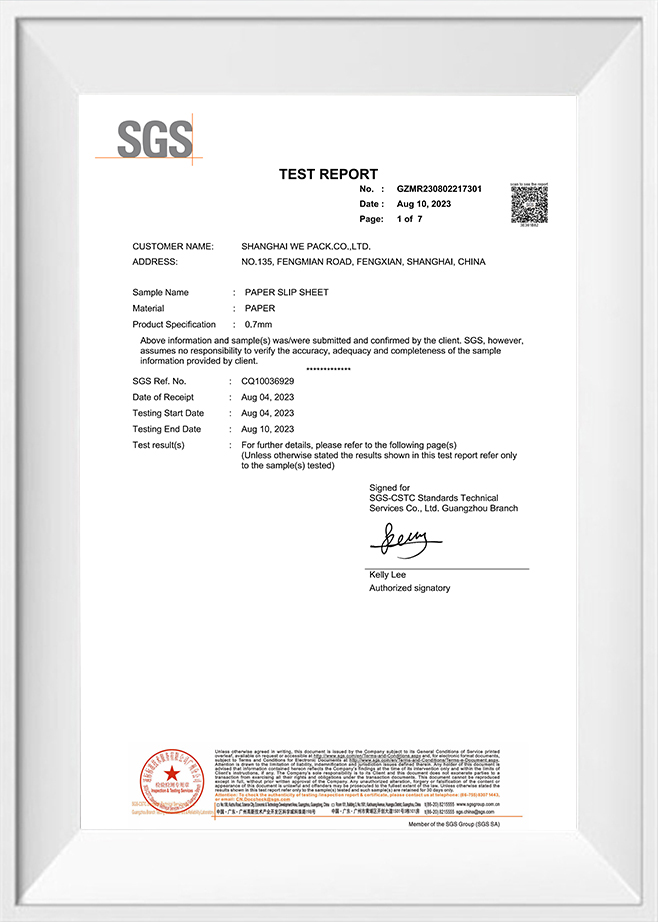
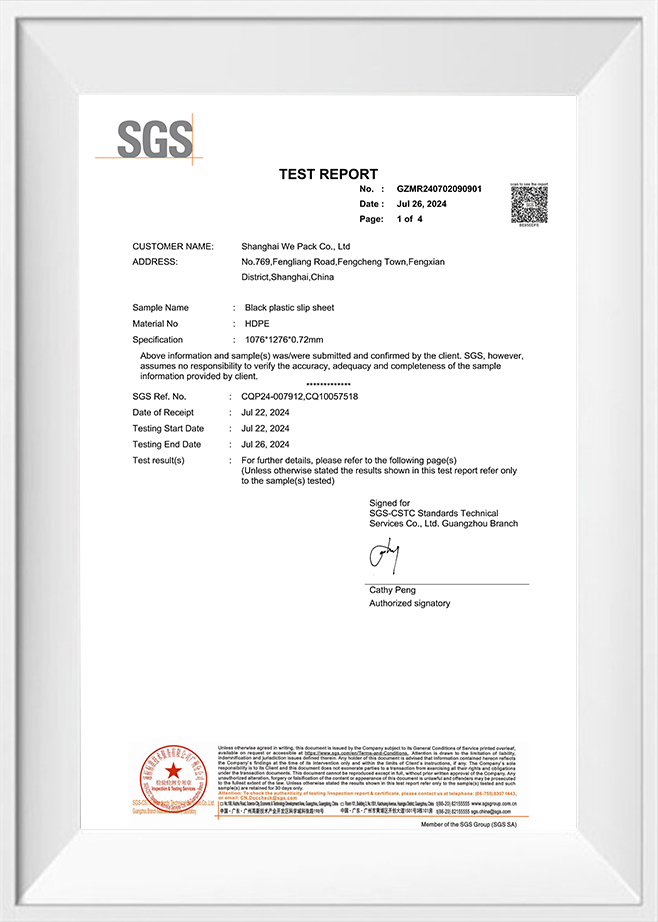
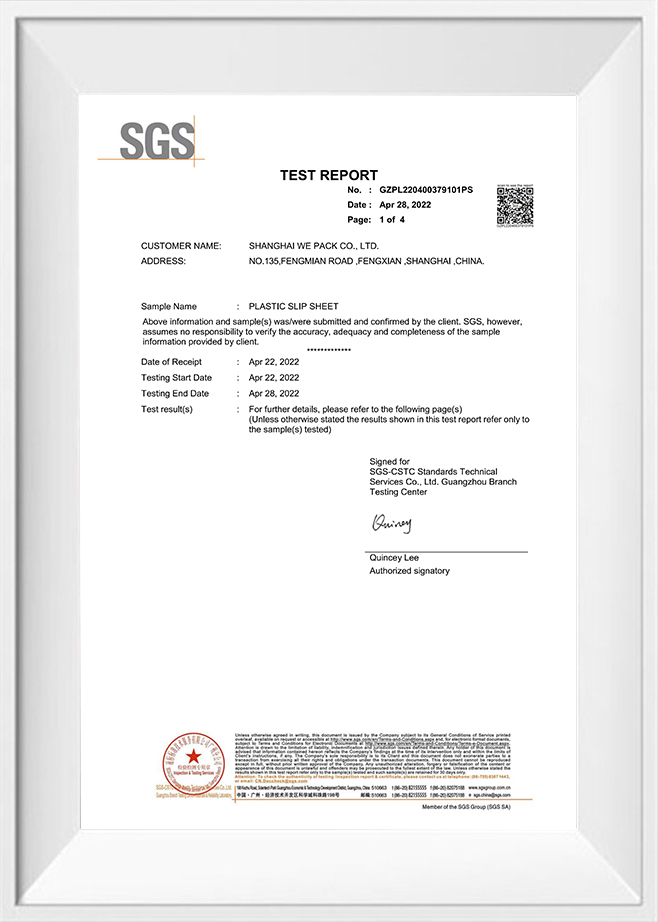
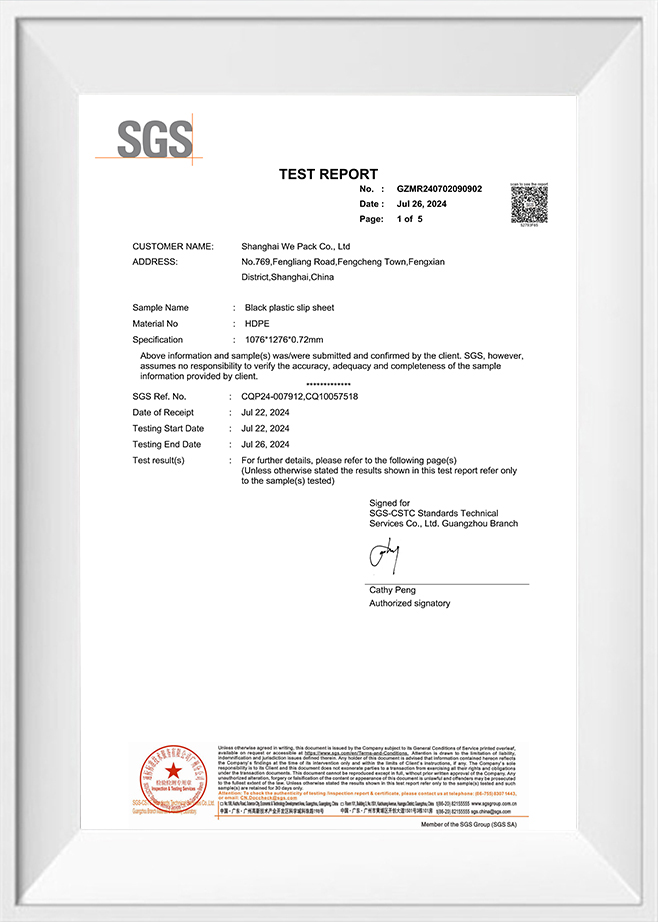
All We Pack products comply with AAR, SGS, TUV, and other international transport test standards. We support OEM / ODM customization, offering product design and free packaging solution planning based on cargo type, loading method, load requirements, budget, and printing needs—helping customers reduce total logistics costs by 15–30% while ensuring transport safety.
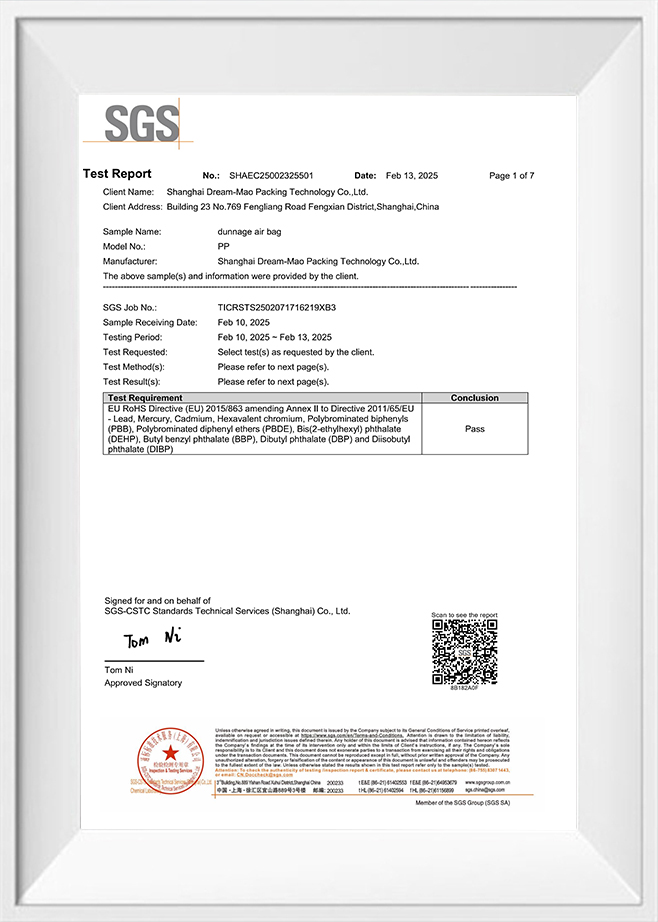
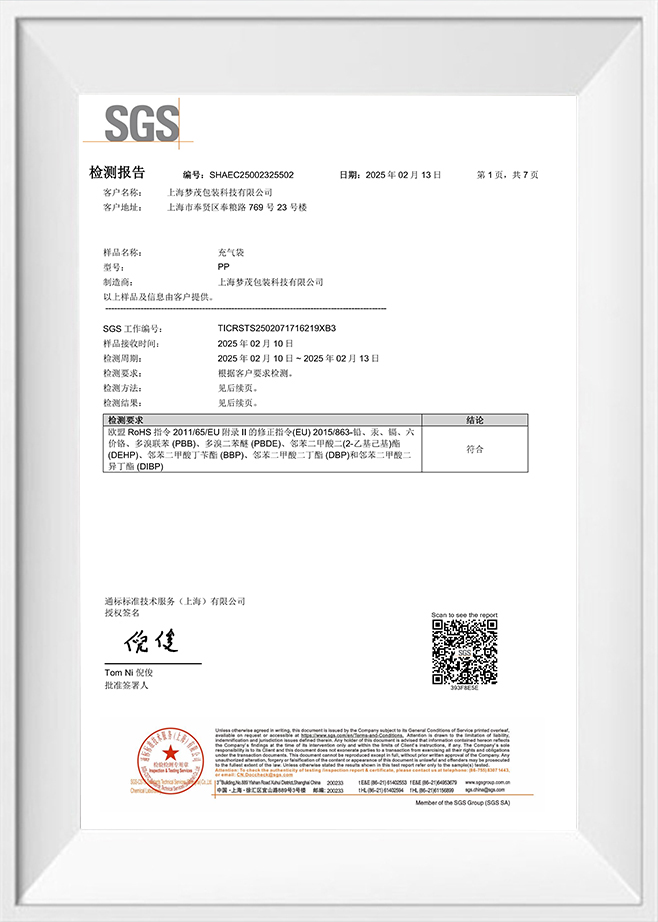
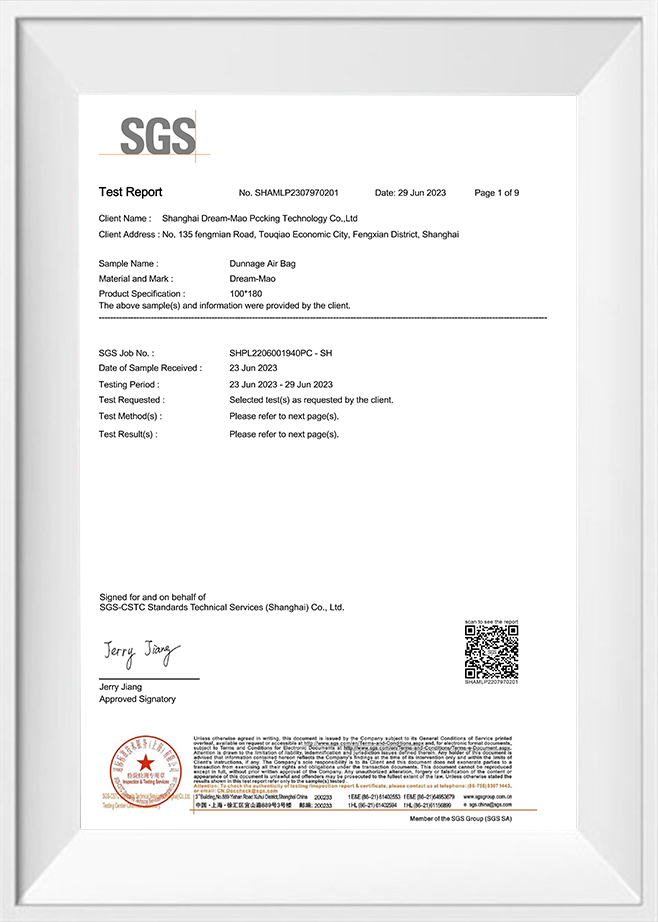
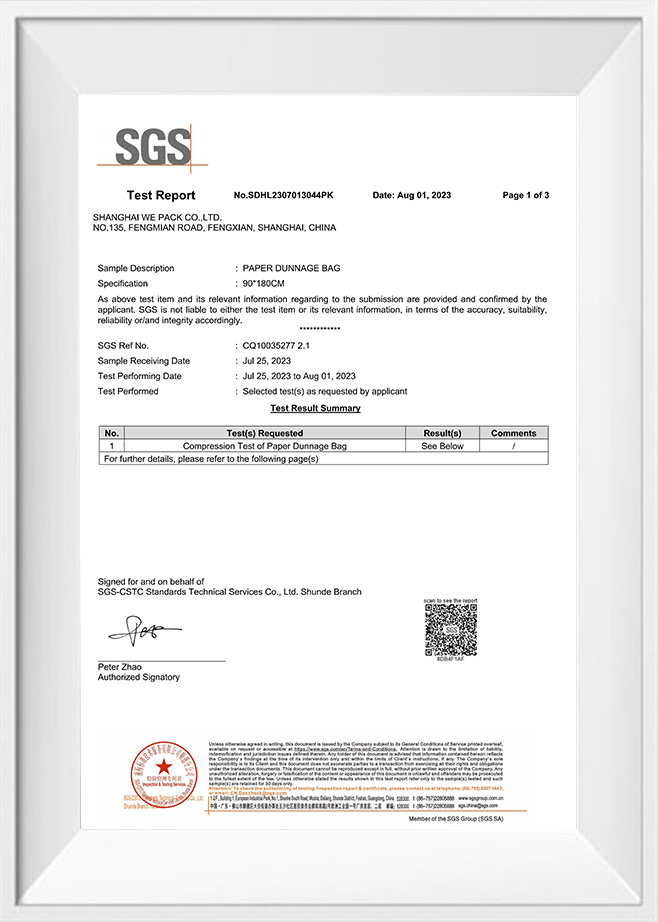
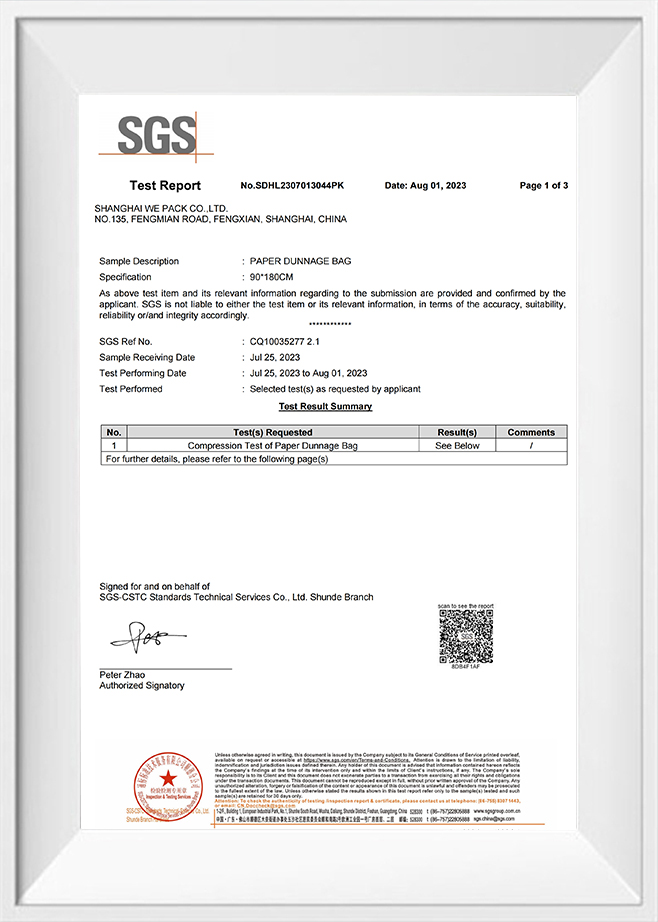
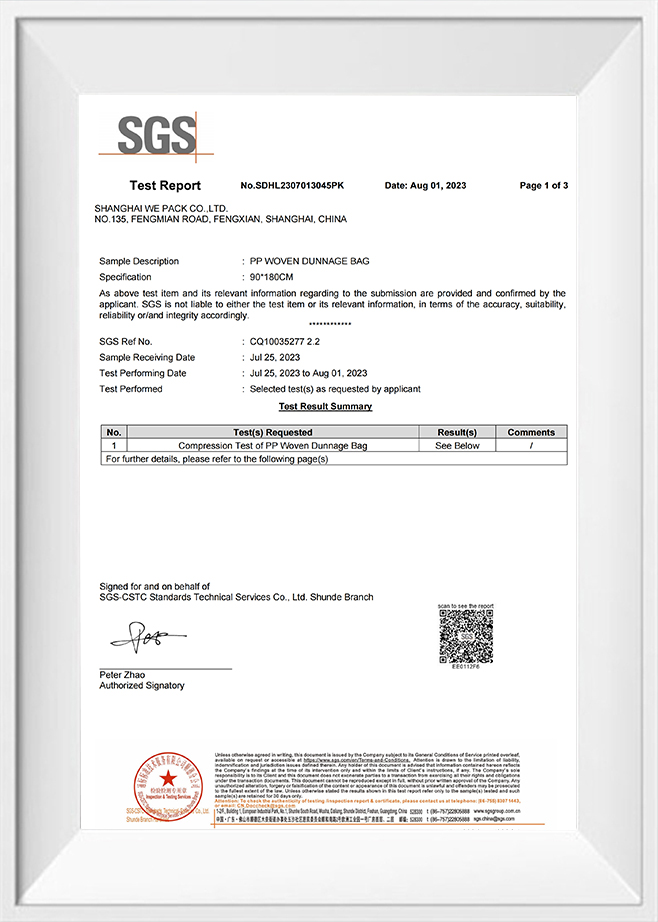
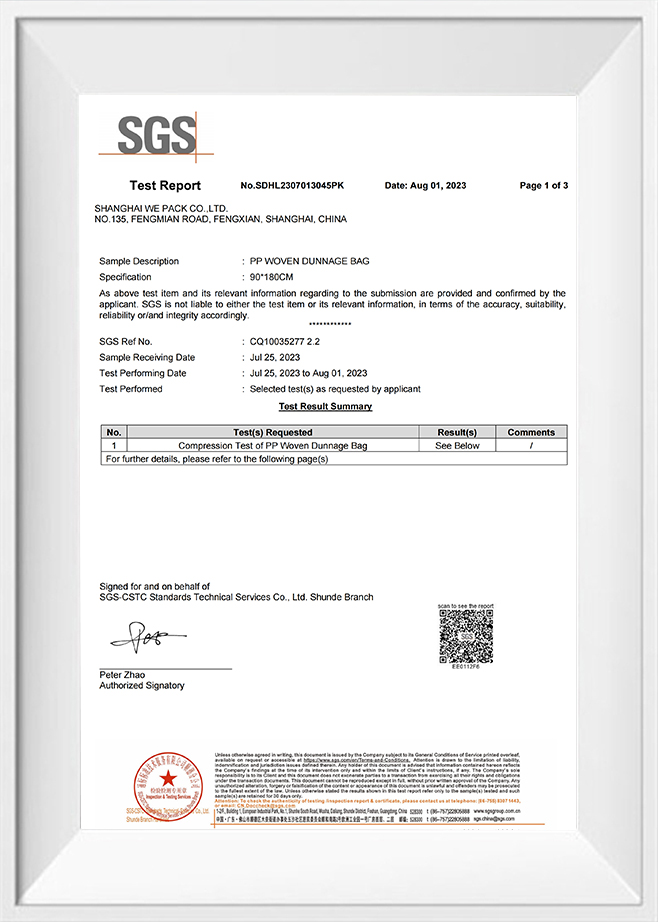
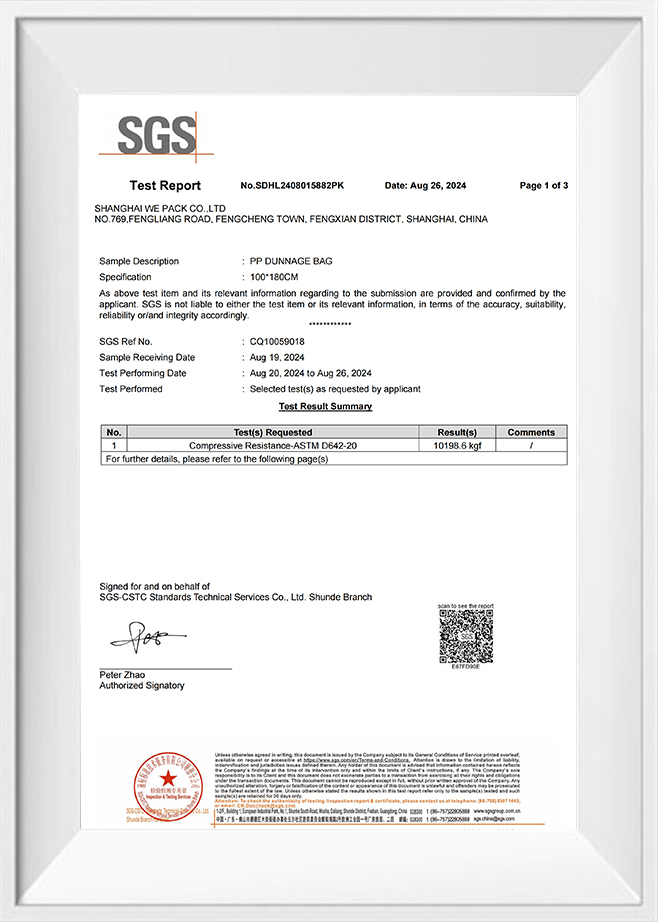
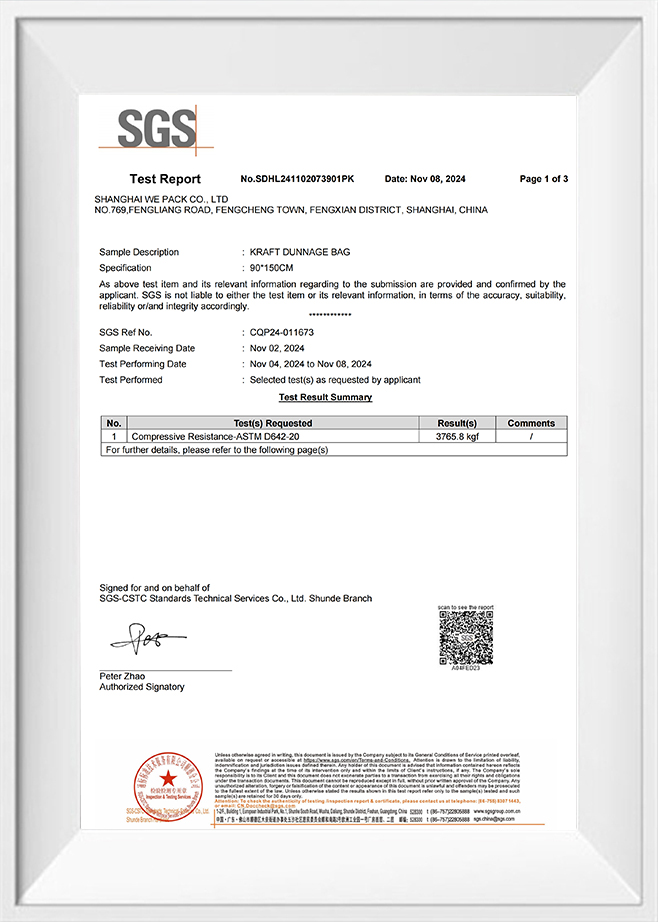
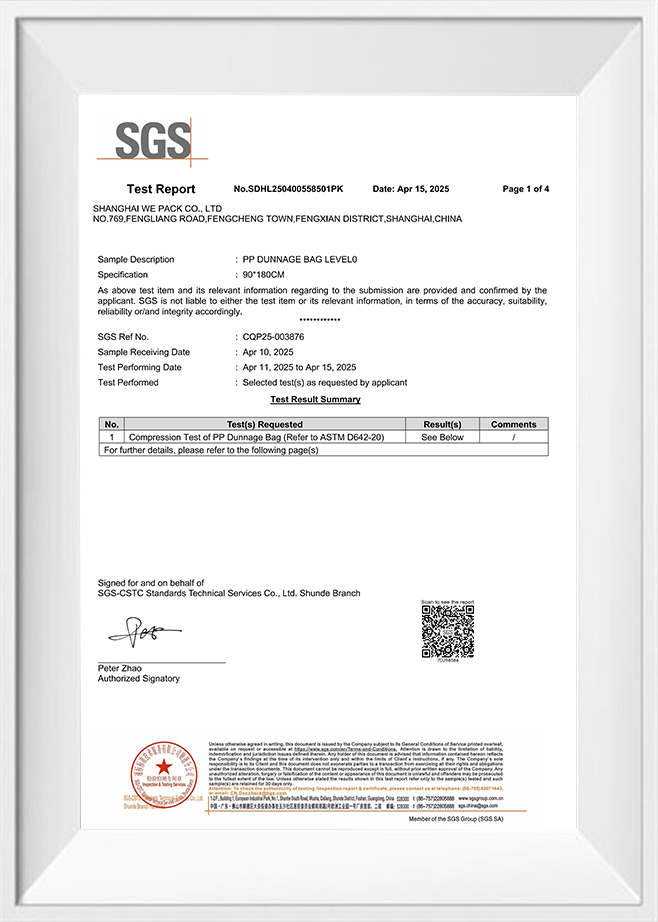
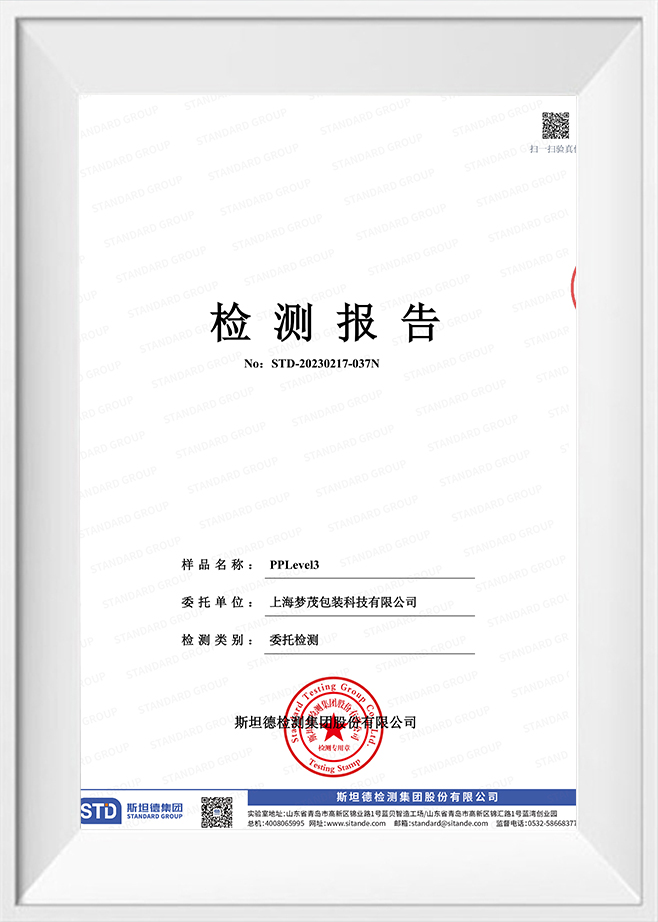
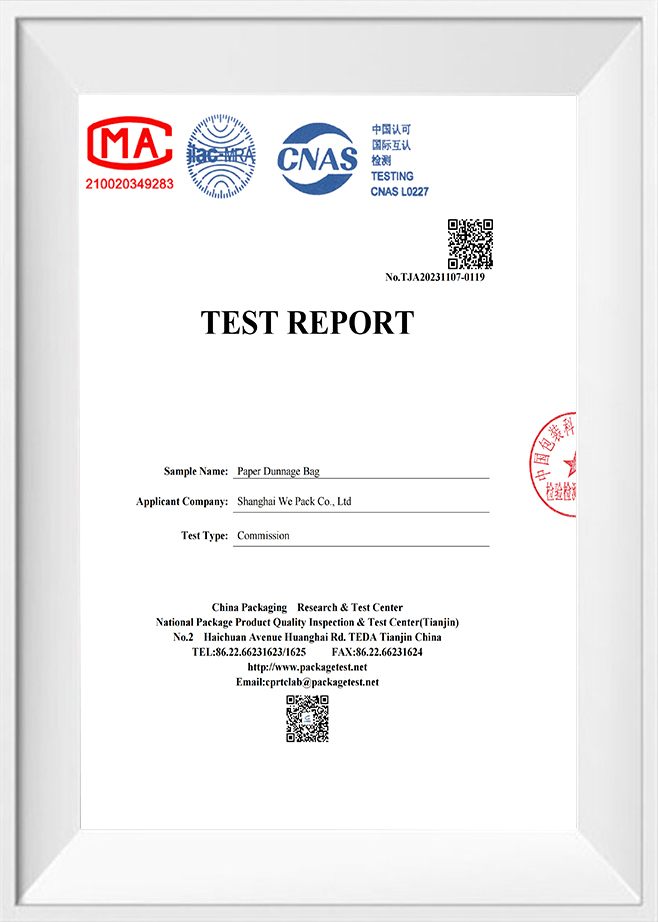
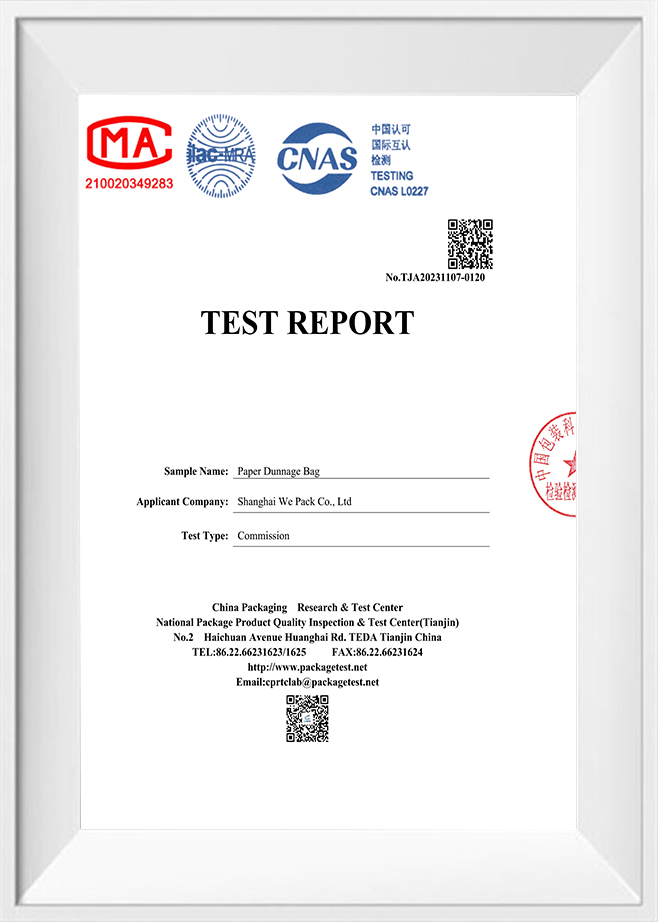
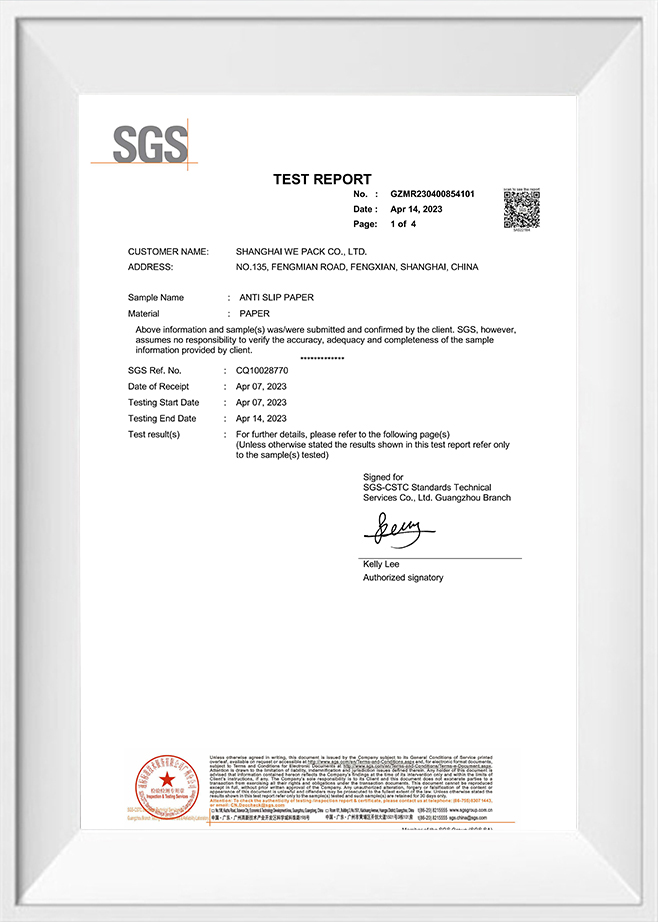
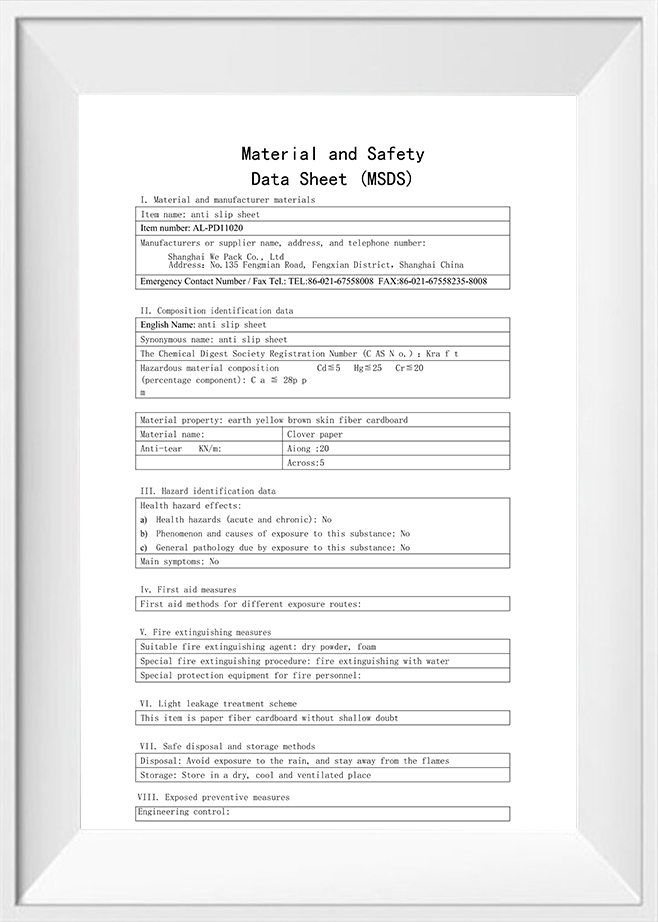
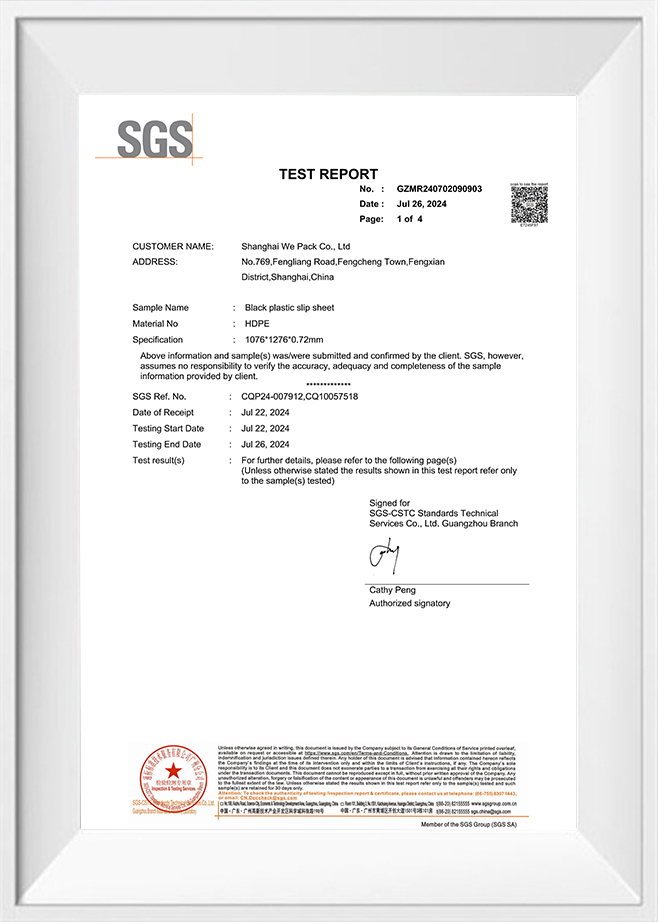
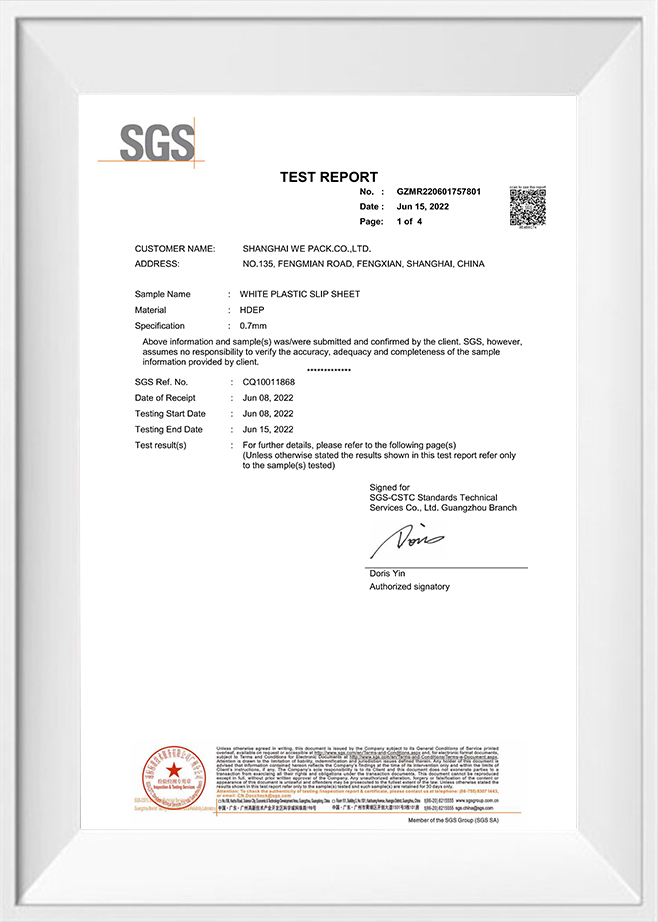
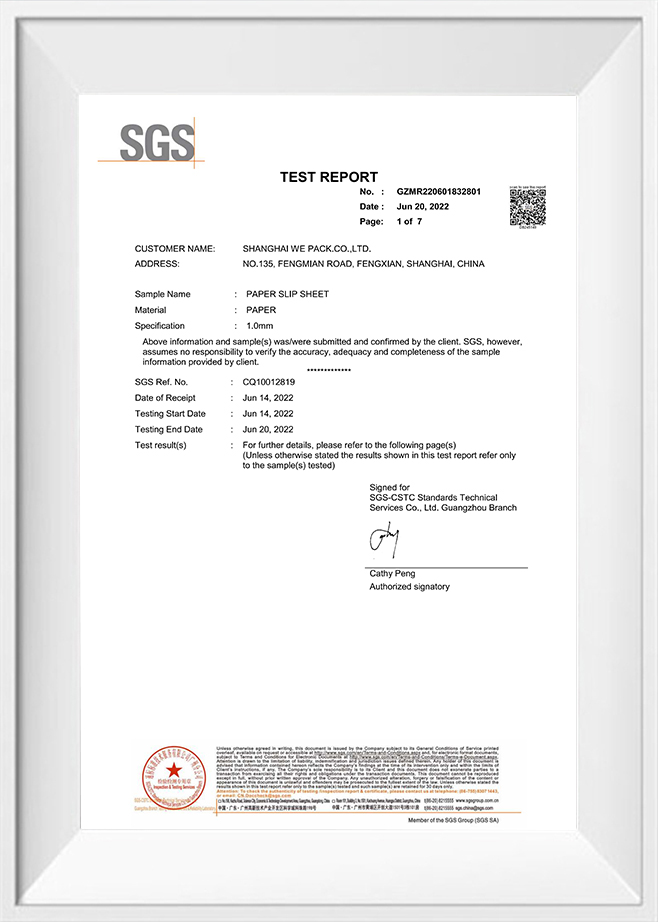
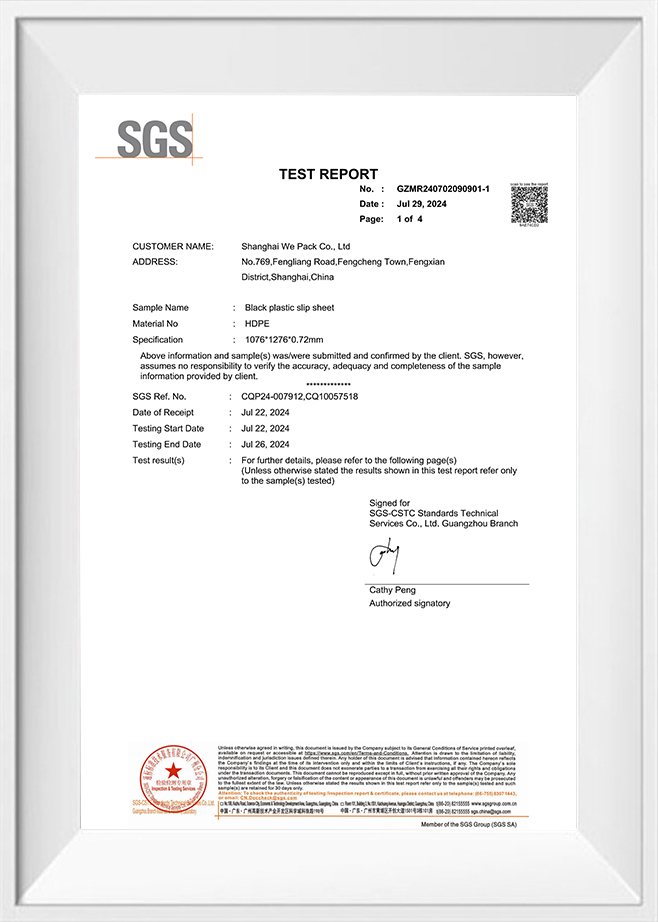
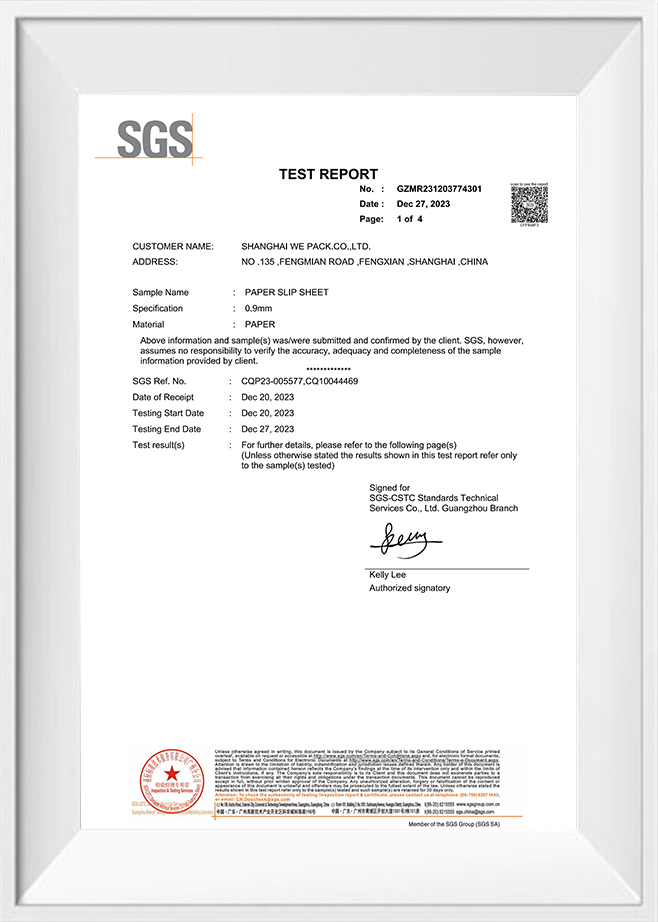
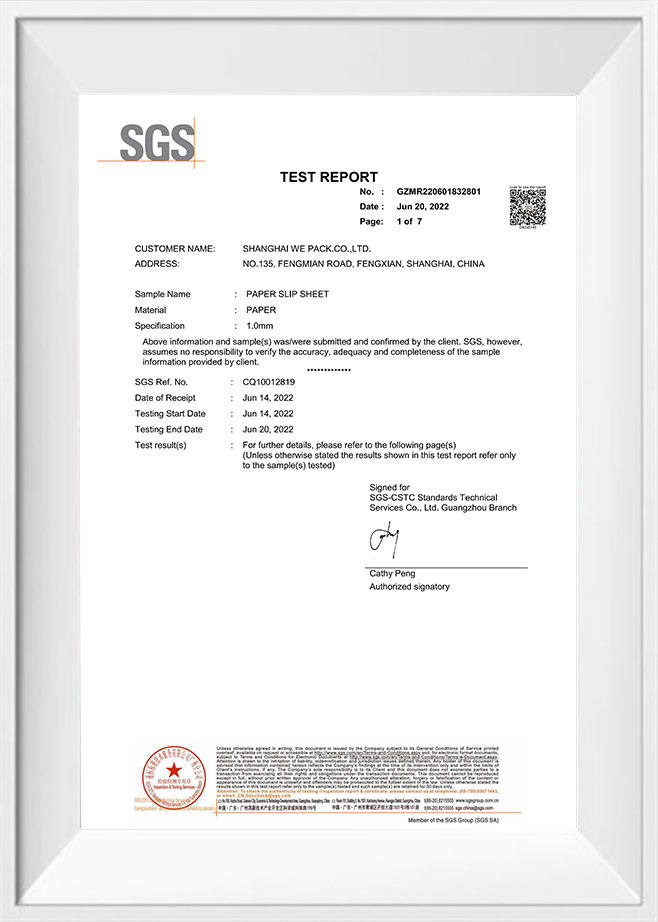
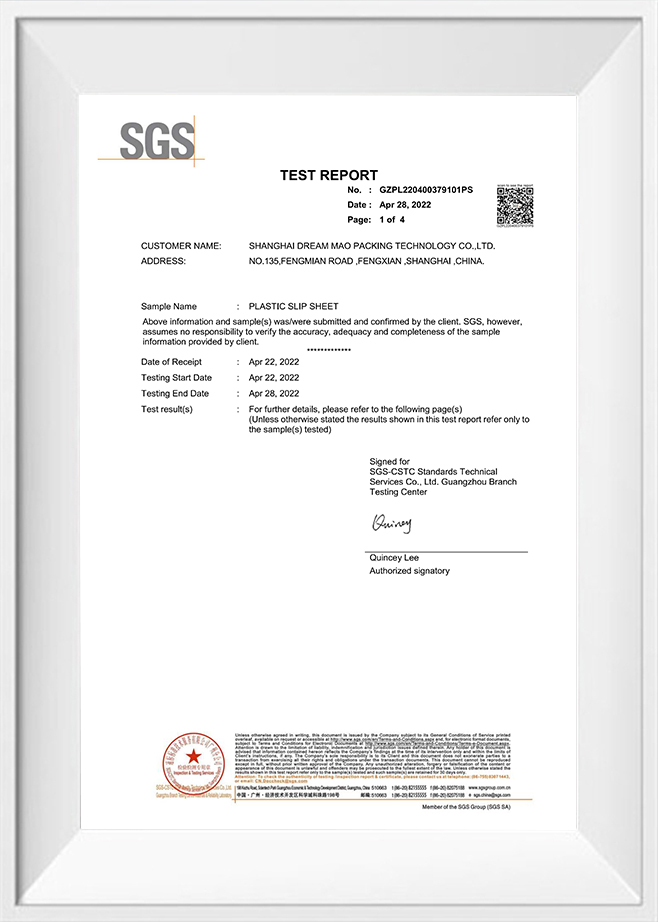
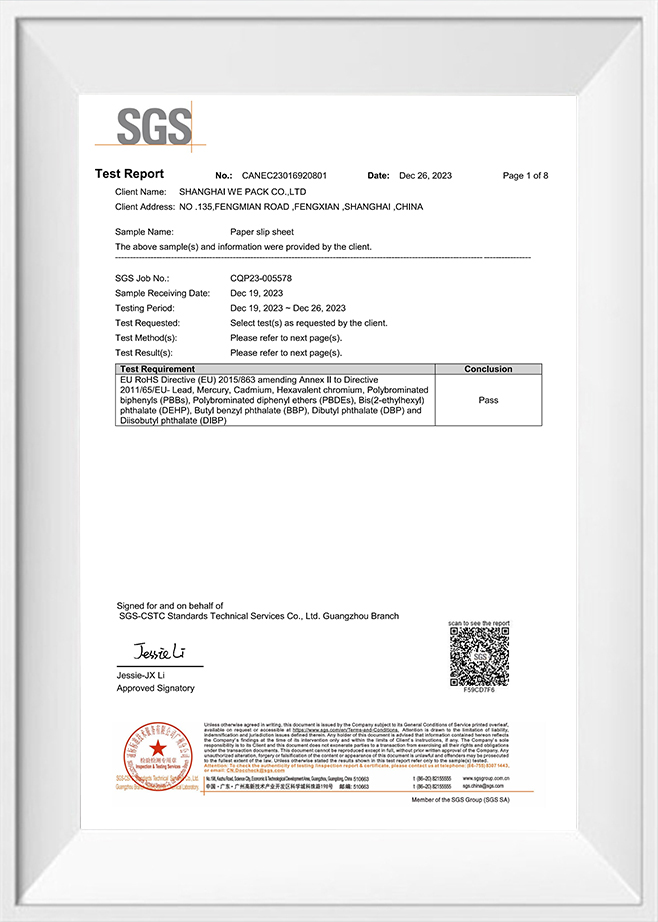
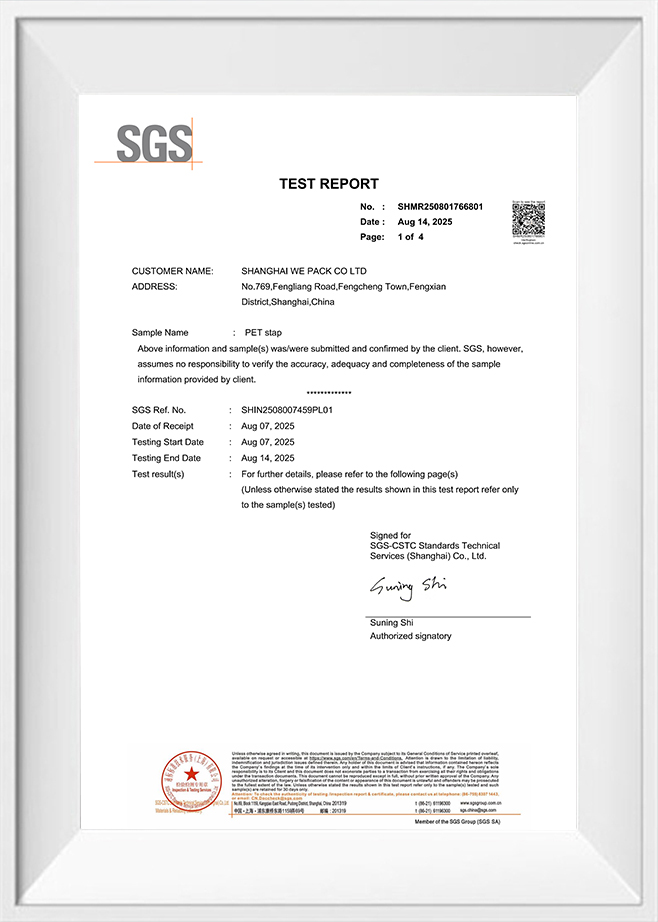
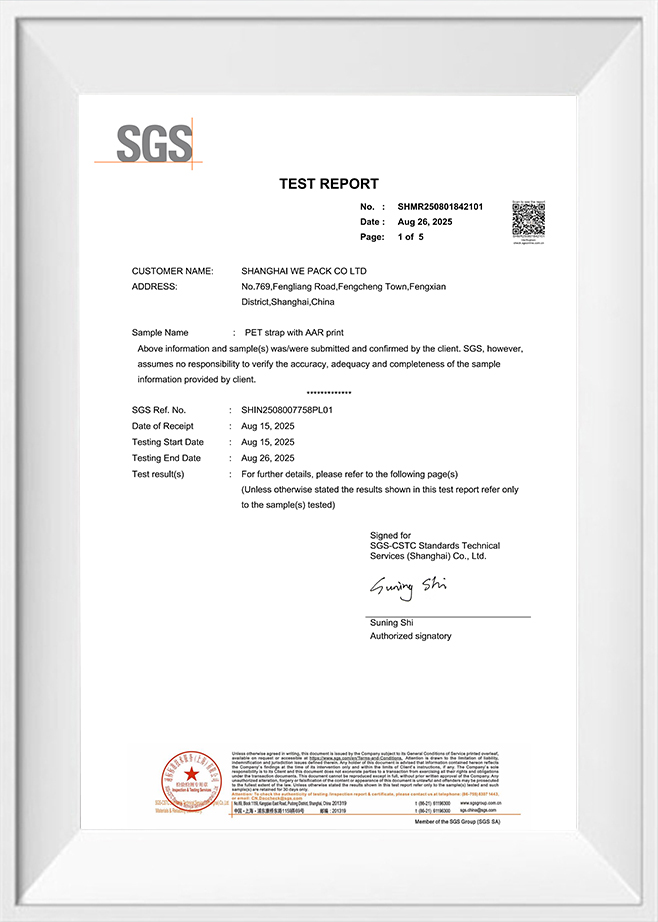
Certificate
Certificate of Honor

WHAT WE
HAPPENED
Checkout Our Current
News
Industry knowledge
Shanghai We Pack Co., Ltd. manufactures and supplies the XW20/25/32/50 manual polyester fiber belt tensioner series — hand-operated tools that pull PET, composite and woven strap to working tension and trim it clean at the joint. They belong on loading docks, at export packing stations, in container stuffing areas and at field depots where compressed air and mains power are not available, and where a powered strapping machine would be the wrong size of investment.
We are a Manual Fiber Strap Tensioner manufacturer working from a 10,000 m² facility in Fengxian District, Shanghai, with 9 production lines, 120 employees and dedicated R&D, testing and quality control teams. The tensioner sits inside a wider cargo securing and transport protection portfolio, so it is quoted together with the strap, buckle and cutting tool that actually complete the joint.
- No air, no power: hand-operated tensioning and cutting for docks, depots and container stuffing points.
- Strap-matched: XW20/25/32/50 bodies sized to the strap width class you run.
- System supply: strap, buckles and cutting tools quoted with the tensioner.
- OEM/ODM: tool marking, kit contents and carton artwork built to your order.
What the Manual Fiber Strap Tensioner Range Covers
Every body in the series is built around a strap width class. The XW20/25/32/50 numbering tells us which strap the feed slot, gripper and handle are set up for, so the strap enters square, the gripper bites without shaving the edge, and the pull you apply reaches the joint instead of being lost to friction. Strap grade and thickness are confirmed before a tool is released for production.
- Tensioner body: hand-operated frame with a feed slot matched to the strap width class.
- Tensioning action: lever or ratchet pull that advances the strap and holds tension while the buckle is closed.
- Cutting: strap tails are trimmed with a cutter or long-handled unpacking scissor supplied with the kit.
- Kits: tensioner, cutter, buckles and strap supplied as a matched packing-station set.
Application Fit — Where Hand Tensioning Belongs
Manual tensioning suits moving packing points, mixed-SKU orders and volumes that do not justify a powered strapper. It is also the fallback that keeps a line running when air or power is down, and the only practical option inside a container where no services are available.
| Strap type | Typical securing job | Tensioner configuration | Closure | Practical notes |
|---|---|---|---|---|
| PET packing strap | Palletized cartons, coil and tube bundles, machinery crates | XW body sized to the strap width class, standard handle | PET/steel strap buckle or heat seal | High retained tension and low creep; the default choice for export pallets |
| Composite strap | Steel coils, pipe bundles, timber, heavy pallet loads | Tensioner with reinforced feed and extended handle for higher pull | Fiber buckle or metal clip | Used where PET alone is not enough; pairs with composite strap |
| Polyester woven strap | Soft, irregular or mixed loads; lashing to container rings | Tensioner matched to woven strap width | Buckle or clip | Conforms to uneven surfaces; suited to one-way lashing |
| PP packing strap | Light cartons, light bundling, internal transfers | Light-duty manual tensioner | Buckle or seal | Economical, lower retained tension; not for heavy static loads |
| Mixed-SKU packing station | Cartons, crates, spares, mixed export orders | One tensioner plus long-handled unpacking scissor | Buckles supplied loose with strap | Keeps one station flexible without air lines |
One tensioner and a box of buckles will cover a mixed export order; the same tool then travels to the next station rather than being tied to one machine position.
Matching Tool, Strap and Buckle
Strap material and grade
PET strap is the workhorse for palletized and bundled loads: it holds tension, resists creep and comes embossed or smooth. Composite strap carries heavier loads where PET alone is not enough. Polyester woven strap conforms to irregular surfaces and is common in lashing. PP strap is economical for light bundling but retains less tension, so it is not the right pairing for a heavy static load.
Buckle and closure
The tensioner does half the job; the closure holds it. Fiber buckles, PET/steel strap buckles and metal clips each need a different strap presentation at the joint. We match buckle type, strap width and tensioner so the operator can lock the joint without losing the tension just applied.
Tension target and load behaviour
What matters is retained tension after the load settles, not peak pull at the handle. For loads that settle in transit — cartons, bags, soft goods — we look at strap elongation and buckle slip. For rigid loads — coils, tubes, timber — we look at edge protection and strap angle. That is why PET packing strap, composite strap and polyester woven strap are selected with the tool rather than after it.
Operator Safety and Repeatability
Manual tensioning puts stored energy close to the operator's hands, so tool geometry and procedure carry the safety load. A handle long enough to keep hands clear of the strap line, a gripper that releases predictably and a cutting step that keeps the body out of the recoil path do most of the work.
- Cut strap tails with a long-handled scissor or cutter, standing to the side of the strap line.
- Wear eye protection; strap under tension can snap back.
- Keep the strap path straight through the buckle — off-angle pulls reduce tension and damage strap edges.
- Match strap width to the tool class; an undersized strap in a wide slot slips and shaves.
- Check gripper teeth and handle pivots as part of routine tool inspection.
Configuration Options and OEM/ODM Support
We configure the tool around the packing station rather than a catalogue page. The choices we work through with you:
- Strap width class: XW20/25/32/50 bodies matched to the strap you standardize on.
- Handle and body: handle length and body finish selected for glove use, reach and marking.
- Branding: printing and marking on the tool and packaging, with instruction sheets in your language.
- Kit contents: tensioner alone, or a station kit with cutter, buckles and strap.
- Packing: individual cartons, master cartons or palletized export packing.
Quality Assurance and Acceptance Testing
Tools are checked against the strap they will run. Our quality system is ISO 9001 certified, and testing is supported by our own laboratory and by third-party institutions such as SGS and TUV. Where a project needs documented evidence, we arrange the test report that matches your strap and joint combination rather than a generic tool certificate.
First-order acceptance typically covers a dimensional check of the feed slot against the strap width, a full tension-and-cut function cycle, and a sample joint pulled to the agreed tension. Production is controlled from raw material to finished goods, so repeat orders can be matched to the same specification.
Information We Use to Configure Your Solution
Send the following and we can return a tool recommendation, a strap and buckle match, and a quotation:
- Strap type, grade, width and thickness, or a sample length.
- Buckle or clip type used at the joint.
- Load type, weight and dimensions — what is being bundled or secured.
- Securing method: bundling, palletizing, lashing to container rings or deck.
- Daily or per-shipment volume and number of packing stations.
- Working environment: dock, warehouse, container, outdoor, temperature and moisture.
- Branding, printing and instruction-language requirements.
- Destination market and documentation the consignee requires.
- Target budget and whether a sample tool is needed first.
Packaging, Documentation and Delivery Scope
Tools ship in individual cartons, with master cartons or palletized export packing, labelled to your order. Consignments leave from Shanghai, close to Shanghai Port and Pudong International Airport, which keeps export handling short. Customized orders start from 100 pieces, so trial quantities and volume supply can run on the same specification.
Documentation follows the order: packing list, commercial invoice and, where applicable, test reports for the strap and joint combination. Instruction sheets can be supplied in your language for OEM orders.
Frequently Asked Questions
Which strap does the XW20/25/32/50 tensioner work with?
The series is organized by strap width class, so each body is set up for a specific strap width. Tell us the strap you run — PET, composite or polyester woven — with its width and thickness, and we confirm the matching body and the buckle that closes the joint.
Can one tensioner handle both PET and composite strap?
Often yes, provided the strap width class matches and the gripper is set for the strap surface. Composite strap is stiffer and carries higher loads, so we check handle length and feed geometry against the load before confirming a single-tool solution.
Do you supply strap and buckles with the tool?
Yes. We produce PET packing strap, composite strap and polyester woven strap, and supply the matching buckles and clips. Quoting the tool, strap and closure together is how we keep the joint predictable.
How does OEM/ODM work for a manual tensioner?
We work from your drawing, sample or specification. Branding and printing on the tool and packaging, instruction sheets in your language, and kit contents are all configurable. Customized orders start from 100 pieces.
What testing supports a manual tensioner order?
Our quality system is ISO 9001 certified, and testing is carried out in our own laboratory and by third-party institutions such as SGS and TUV. For a project we arrange the test report that matches your strap and joint combination.
How do we get a quotation?
Send strap type and width, buckle type, load details, volume and destination. We return a tool recommendation, a strap and buckle match and a quotation; a sample tool can be arranged before the order is placed.

PRODUCT
CONTACT INFO
-
 +86-137 7421 9489
-
 +86-021-67558008
-
 [email protected]
-
 No.769 ,23# building, Fengliang Road,Fengcheng town,Fengxian District,Shanghai,China
MOBILE QR CODE

