
 Español




PVC Dunnage Bag Manufacturers
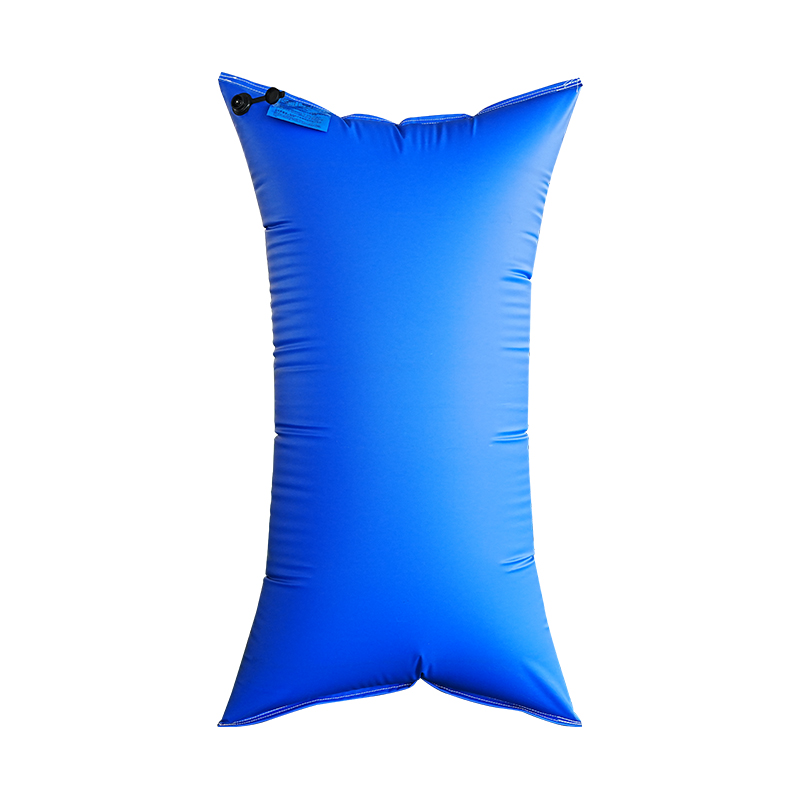
Our PVC Dunnage Bags are valued for their excellent airtightness, moisture resistance, and flexibility at low temperatures. The PVC material ensures minimal air leakage over time, providing consistent, reliable bracing power for sensitive cargo or in cold chain logistics.

Shanghai We Pack Co., Ltd.
Founded in 2019, Shanghai We Pack Co., Ltd. is a subsidiary of Shanghai Mengmao Packaging Technology Co., Ltd. is an integrated packaging company specializing in cargo securing, transport protection, and loading optimization solutions. PVC Dunnage Bag Manufacturers and PVC Dunnage Bag Factory in China.
With a 10,000 m² facility, 120 employees, dedicated R&D, testing, and quality control teams, and 9 production lines, wepack offers end-to-end capabilities from design and testing to mass production.
Driven by an engineering approach, wepack strictly controls every key stage—from raw materials to finished products—to ensure reliable performance in real transport conditions.
We Pack’s core products include paper edge protectors, container dunnage air bags, and lashing systems. Custom PVC Dunnage Bag. Through joint ventures and industrial collaboration, our portfolio has expanded to paper pallets, plastic pallets, slip sheets, carton sealing tapes, bubble wrap, stretch film, strapping, and packaging equipment.We provide one-stop packaging and transport protection solutions tailored to different cargo types and logistics scenarios.
All We Pack products comply with AAR, SGS, TUV, and other international transport test standards. We support OEM / ODM customization, offering product design and free packaging solution planning based on cargo type, loading method, load requirements, budget, and printing needs—helping customers reduce total logistics costs by 15–30% while ensuring transport safety.
Certificate
Certificate of Honor


WHAT WE
HAPPENED
Checkout Our Current
News
Industry knowledge
Shanghai We Pack Co., Ltd. is a PVC Dunnage Bag manufacturer based in Shanghai, China, and a subsidiary of Shanghai Dreammao Packaging Technology Co., Ltd. We produce inflatable void-fill bags for container, railcar and trailer loads, and supply the inflation tools, corner protection and strapping that turn a single bag into a working securing system. The PVC range is built for loads that need airtight, moisture-resistant bracing: cold chain freight, moisture-sensitive cartons, and cargo that works loose under repeated vibration.
PVC holds inflation pressure where paper bags gradually bleed air in humid or long-transit conditions. Low-temperature flexibility keeps the film pliable in reefer and frozen service, so bracing force stays predictable from the loading dock to the discharge port.
What the PVC Dunnage Bag Range Covers
A PVC dunnage bag is a sealed envelope with welded seams and an inflation valve. Inflated between two cargo faces, it converts internal air pressure into a distributed bracing force across the void, restraining the load against longitudinal and lateral movement without point-loading the cartons.
- Sealed PVC construction for minimal air loss over long ocean legs
- Storm valve and standard inflation valve configurations
- Custom bag dimensions, material gauge and seam build
- Printing of logos, handling instructions and batch codes
- Matched inflatable tools, from manual air guns to cordless and high-throughput inflators
- Test documentation including stress test reports, MSDS and RoHS material records
Application Fit: Where PVC Outperforms Paper and Woven Bags
Material choice follows the load and the route. PVC is the airtight option — the film resists moisture ingress, stays flexible when ambient temperature drops, and holds pressure long enough to brace a load through a multi-week sea voyage. That makes it the natural fit for refrigerated and frozen containers, for cartons that soften in humid air, and for cargo that will be re-secured at several points along a multimodal route.
Kraft paper construction remains the economical answer for dry, one-way general cargo, and PP Dunnage Bag builds handle heavier, more abrasive loads where the outer layer takes punishment during loading. All three families come from the same production base, so a mixed container can be braced with the correct bag in each void rather than one compromise type throughout.
| Bag family | Construction | Where it fits best | Service profile |
|---|---|---|---|
| PVC Dunnage Bag | Sealed PVC envelope, welded seams, inflation valve | Cold chain, moisture-sensitive cartons, long ocean legs, vibration-heavy loads | Airtight retention; recoverable and reusable where bags are returned intact |
| Kraft Paper Dunnage Bag | Multi-ply kraft paper with inner bladder | Dry general cargo, one-way shipments, cost-driven loads | Single-trip economics with high void-fill coverage |
| PP Dunnage Bag | Woven PP outer layer with inner bladder | Heavy, abrasive or irregular loads; higher bracing levels | Robust outer layer for rough handling and repeated contact |
Configuration Options We Build To
Every PVC bag is built to a working point rather than picked from a fixed list. We start from the void the bag has to fill, the load it has to hold and the equipment available at the loading dock, then set the construction around those three inputs.
- Bag length and width matched to the gap geometry, not rounded to a stock size
- Material gauge and seam construction selected for the bracing force required
- Valve type and valve position — storm valve, standard inflation valve, or offset placement to suit the loading pattern
- Printing of customer branding, handling instructions and language-specific warnings
- OEM and ODM builds developed from drawings, samples or a loading plan
- Accessory pairing with corner protectors, anti-slip paper and strapping for a complete securing set
Critical Specifications and How We Match Them
The specification that decides performance is the bracing force the load actually needs, and that figure comes from the void volume, the cargo mass and the transport mode. We work back from those numbers to bag size, inflation pressure and valve choice, so the bag is neither under-filled and loose nor over-pressurised against thin carton walls.
- Void volume and gap width — sets bag size and fill volume
- Cargo weight and stacking pattern — sets the bracing force target
- Transport mode and route — ocean, rail, road or multimodal, with transit duration
- Required AAR performance level for the destination market
- Service temperature — ambient, reefer or frozen
- Inflation equipment available at the dock, which fixes the valve interface
- Expected reuse cycles, where bags are recovered and re-inflated
Inflation Tools and Loading-Line Integration
A dunnage bag performs only as well as the air going into it. We supply packaging tools for bag inflation alongside the bags themselves — manual air guns for low-volume docks, cordless inflators for yard and rail loading, and higher-throughput units for operations that inflate hundreds of bags per shift.
For semi-automated packing lines, we match valve type and bag geometry to the inflator head so an operator can seat, inflate and release without adapters or a second tool. Where a line already runs a specific inflator brand, we build the valve interface around it rather than asking the line to change.
Quality Assurance and Acceptance Testing
Bags are produced on our own lines and controlled from raw material through to finished goods, with dedicated R&D, testing and quality control teams supporting the process. Our management system is ISO 9001 certified, and the product range is developed against AAR, SGS and TUV international transport test standards.
- In-house laboratory and testing equipment for routine performance checks
- Third-party verification through SGS and TUV where a project requires it
- Stress test reports issued per batch and traceable to the production run
- MSDS and RoHS material documentation for PVC film and valve components
- Pre-shipment inspection and sample approval before mass production
Capacity, Customization and Supply
Production runs across a 10,000 m² facility with 9 production lines and 120 employees, supported by in-house R&D, testing and quality control. Dunnage air bag output exceeds 30,000 pieces per day, which keeps both trial orders and repeat high-volume programmes on schedule.
OEM and ODM customization covers size, load capacity, material and printing, and we accept trial quantities from 100 pieces so a new specification can be validated in real transport conditions before it is scaled. Products ship to North America, South America, Europe, Asia and the Middle East, with EXW, FOB, CIF and DDP terms available.
Information We Use to Configure Your Solution
A workable configuration comes from a short set of project inputs. The table below shows what each one determines and what we need to receive to return a sized bag, a valve choice and a quotation.
| Project input | What it determines | What to send us |
|---|---|---|
| Void geometry | Bag size and fill volume | Loading plan or container sketch with cargo positions and gap dimensions |
| Cargo weight and stack height | Required bracing force and bag level | Load per pallet or carton, stacking pattern, total payload |
| Transport mode and route | Pressure retention target and AAR level | Ocean, rail or road legs, transit duration, climate conditions |
| Service temperature | PVC grade and low-temperature flexibility | Reefer, frozen or ambient loading temperature range |
| Inflation equipment | Valve type and valve position | Inflator model in use or the air supply available at the dock |
| Printing and branding | Plate setup and ink specification | Logo artwork, handling text, required languages |
| Compliance evidence | Test scope and documentation pack | Destination market and the standard the consignee requires |
| Packaging and delivery | Carton count, palletization and container loading | Delivery port, Incoterm, order volume and delivery window |
Documentation, Packaging and Delivery Scope
Each shipment travels with the paperwork the receiving market expects: packing list, carton marking, material safety data and the test reports that apply to the batch. Where a consignee or insurer asks for third-party verification, we arrange SGS or TUV testing against the agreed specification.
Bags are packed in cartons and palletized for container loading, with the loading pattern planned so the film is not compressed against sharp edges or crushed under heavy cartons. Our Shanghai location keeps export handling short, and we work on EXW, FOB, CIF or DDP terms depending on how the receiving operation is set up.
Frequently Asked Questions
What sizes of PVC dunnage bags do you produce?
We build to the void rather than to a fixed size list. Send the gap dimensions, the load weight and the transport mode, and we size the bag so it fills the space at the working pressure without over-stressing the cargo faces. OEM and ODM builds from drawings or samples are part of the standard service.
How does PVC compare with kraft paper or PP dunnage bags?
PVC holds air longest and stays flexible at low temperature, which suits cold chain and moisture-sensitive freight. Kraft paper is the economical choice for dry one-way loads, and PP woven construction takes the abrasion of heavy or irregular cargo. We supply all three, so the bag in each void can match the load it braces.
Can you print our logo and handling instructions on the bags?
Yes. Printing is part of our OEM and ODM scope, covering customer branding, handling instructions, batch codes and language-specific warnings. Artwork is confirmed at the sample stage before mass production begins.
What is the minimum order quantity for a trial run?
Trial orders start from 100 pieces, which lets a new specification be tested in real transport conditions before it is scaled. Larger repeat programmes run on the same lines, with dunnage air bag output exceeding 30,000 pieces per day.
What test documentation comes with a PVC dunnage bag order?
Stress test reports traceable to the production batch, MSDS and RoHS material records, and third-party SGS or TUV reports where the destination market requires them. Our management system is ISO 9001 certified and the range is developed against AAR, SGS and TUV transport test standards.
Which inflators work with your PVC dunnage bags?
We supply matched inflatable tools from manual air guns through cordless and higher-throughput inflators. Valve type and position are set around the equipment already in use at your dock, so no adapters or second tools are needed during loading.

PRODUCT
CONTACT INFO
-
 +86-137 7421 9489
-
 +86-021-67558008
-
 [email protected]
-
 No.769 ,23# building, Fengliang Road,Fengcheng town,Fengxian District,Shanghai,China
MOBILE QR CODE

