
 Español




Inflatable Tool Suppliers
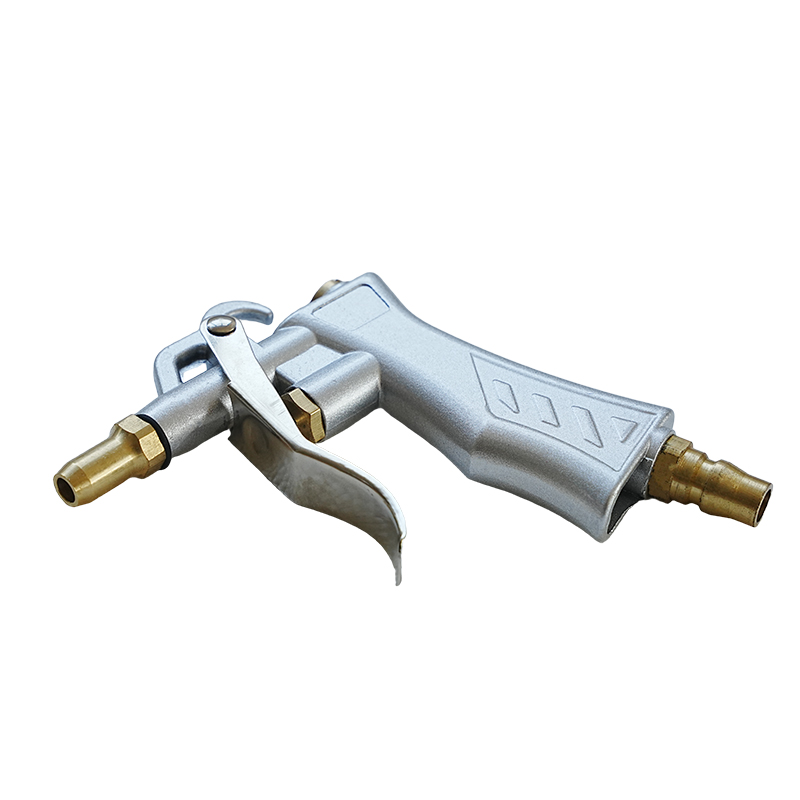
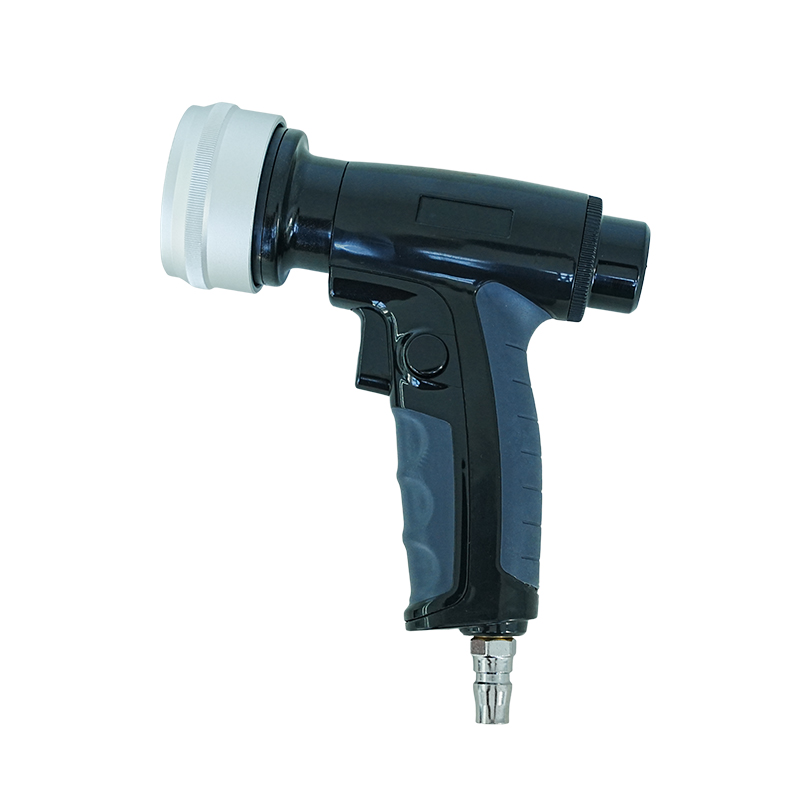
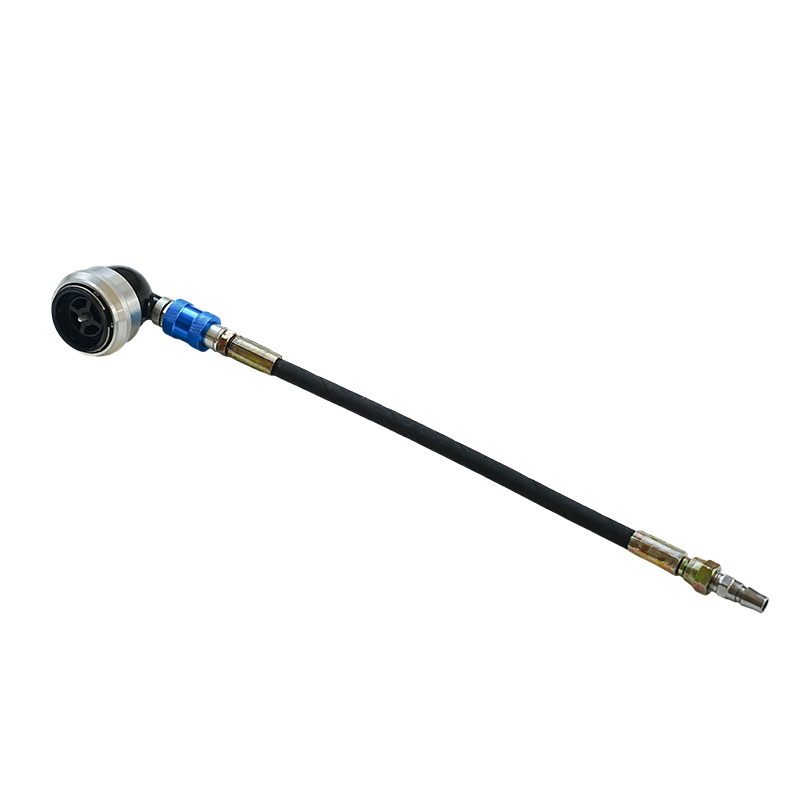
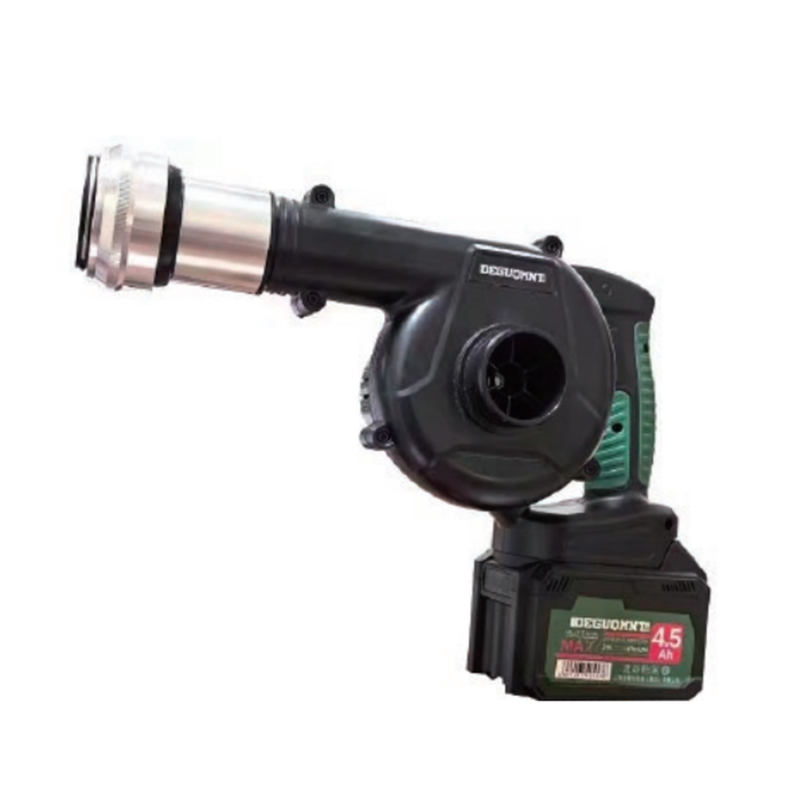
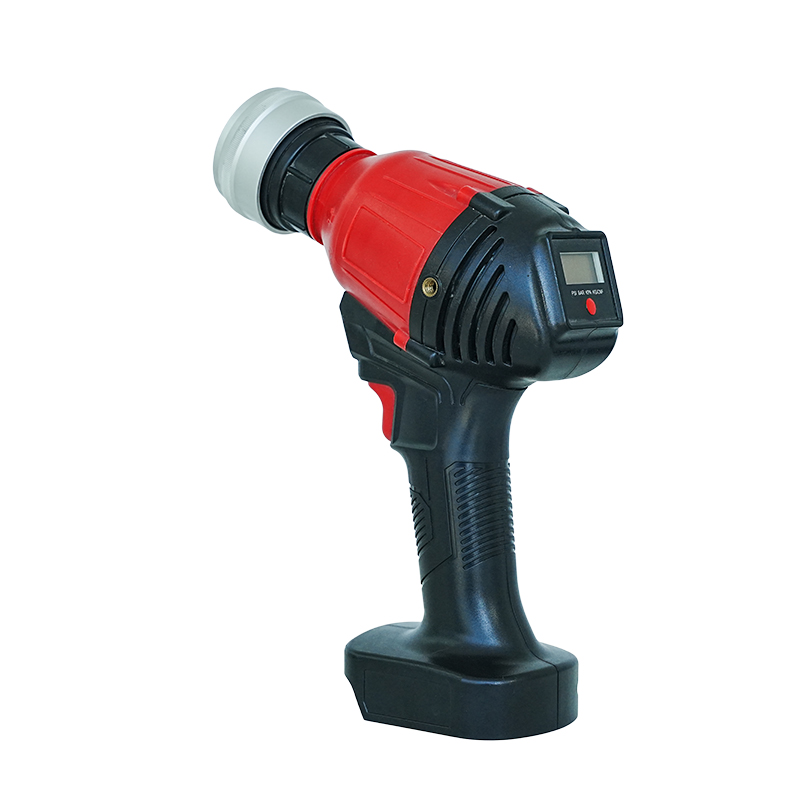
We offer a complete Inflatable Tool ecosystem for dunnage bag operations, from simple manual air guns to advanced cordless, intelligent inflators. Our flagship AirBeast, SmartProAir, and MaxProAir models feature built-in batteries, digital pressure control, and high flow rates, eliminating compressor dependency and enabling fast, precise, and safe inflation on the loading dock, anywhere.
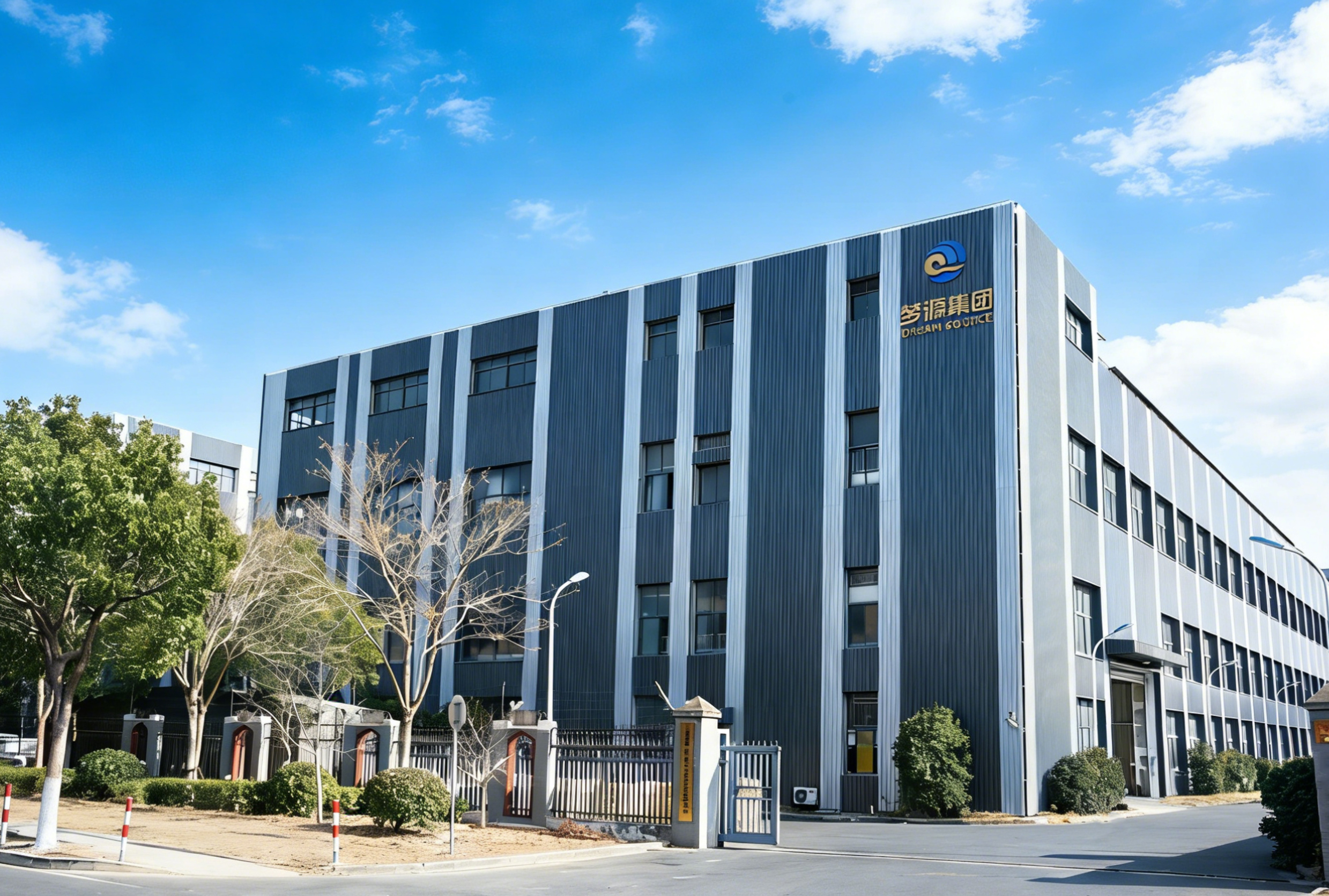
Shanghai We Pack Co., Ltd.
Founded in 2019, Shanghai We Pack Co., Ltd. is a subsidiary of Shanghai Mengmao Packaging Technology Co., Ltd. is an integrated packaging company specializing in cargo securing, transport protection, and loading optimization solutions. Inflatable Tool Suppliers and OEM/ODM Inflatable Tool Company in China.
With a 10,000 m² facility, 120 employees, dedicated R&D, testing, and quality control teams, and 9 production lines, wepack offers end-to-end capabilities from design and testing to mass production.
Driven by an engineering approach, wepack strictly controls every key stage—from raw materials to finished products—to ensure reliable performance in real transport conditions.
We Pack’s core products include paper edge protectors, container dunnage air bags, and lashing systems. Wholesale Inflatable Tool. Through joint ventures and industrial collaboration, our portfolio has expanded to paper pallets, plastic pallets, slip sheets, carton sealing tapes, bubble wrap, stretch film, strapping, and packaging equipment.We provide one-stop packaging and transport protection solutions tailored to different cargo types and logistics scenarios.
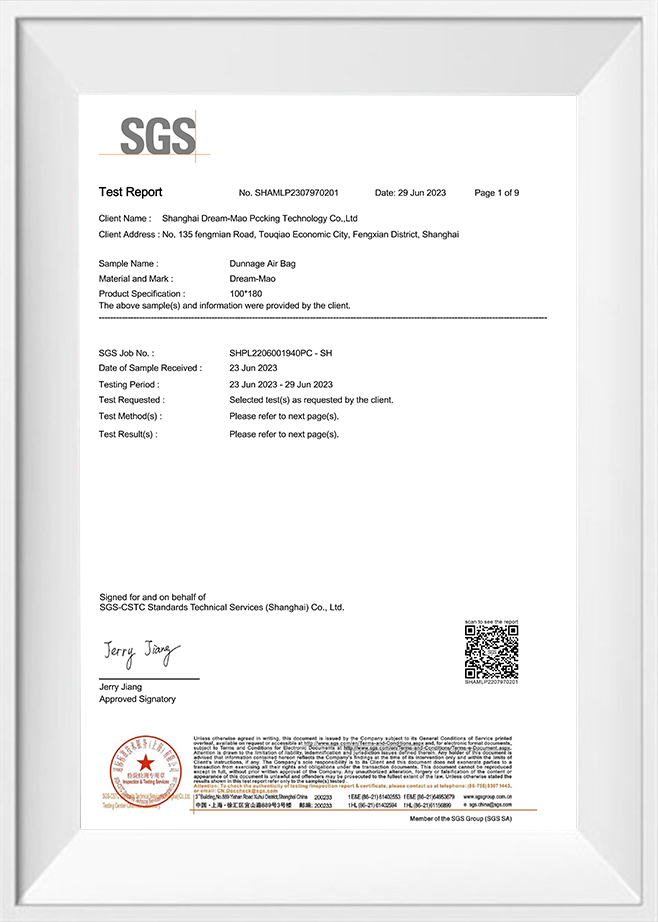
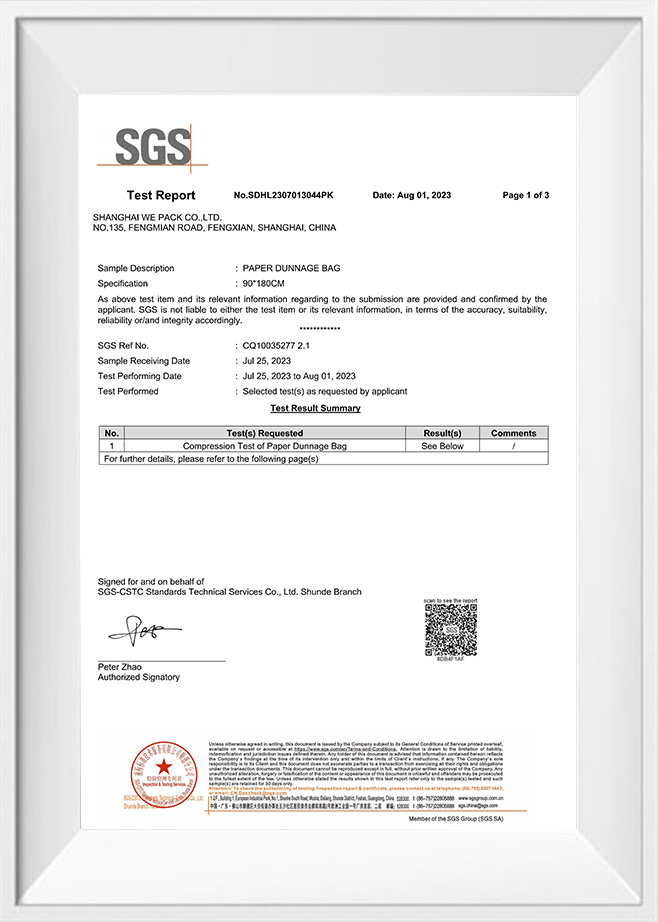
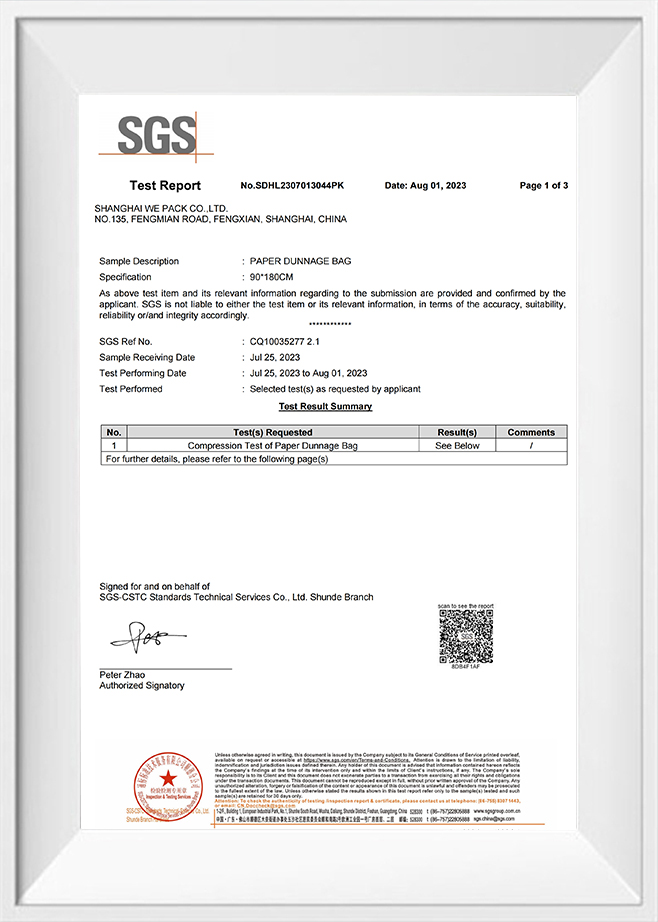
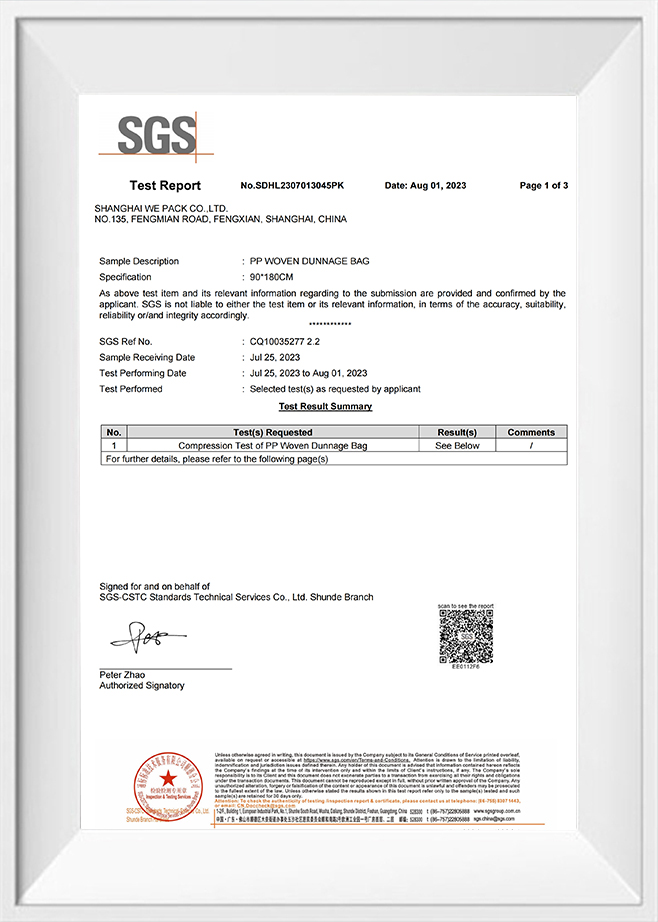
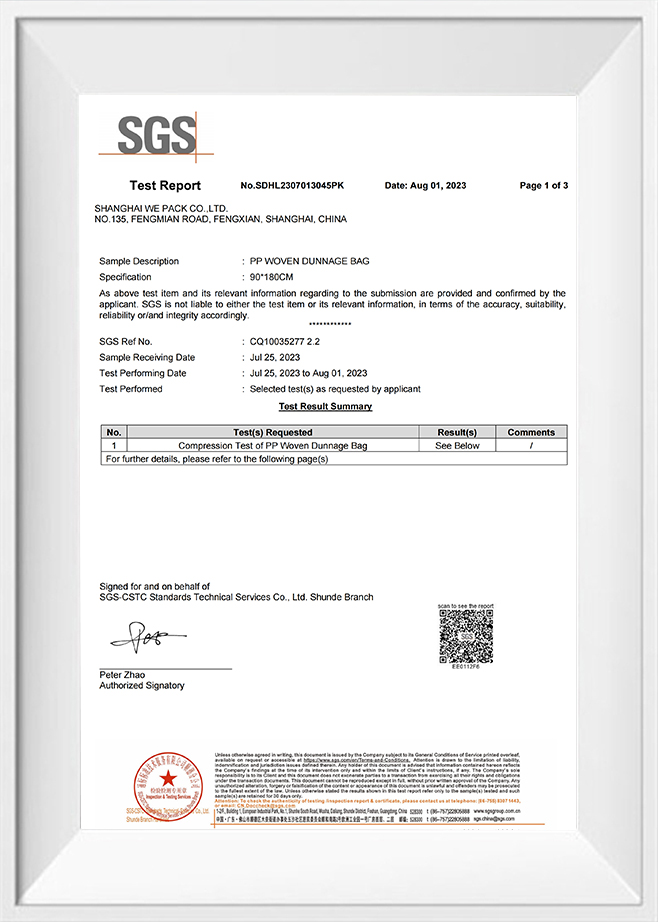
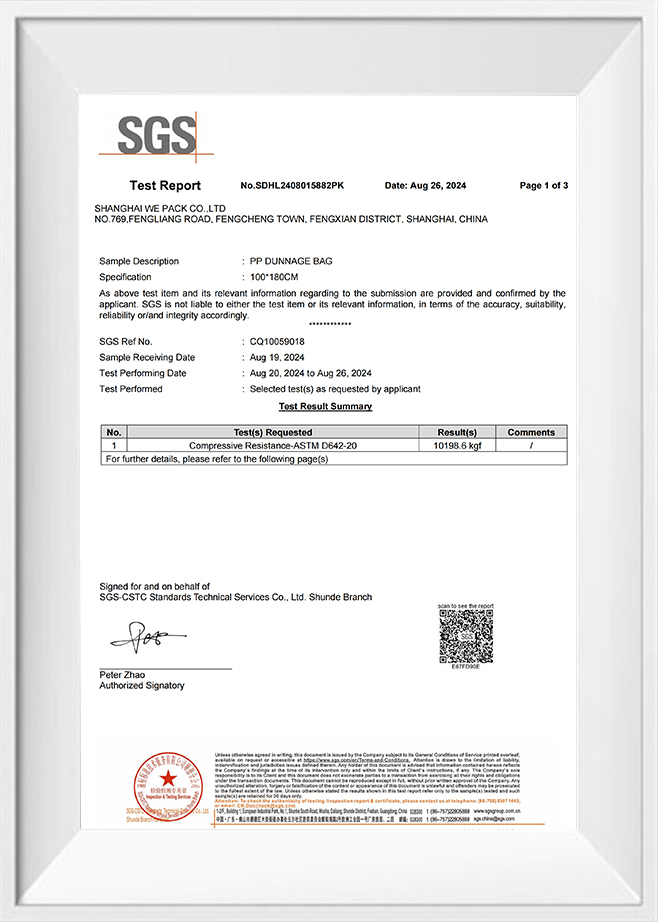
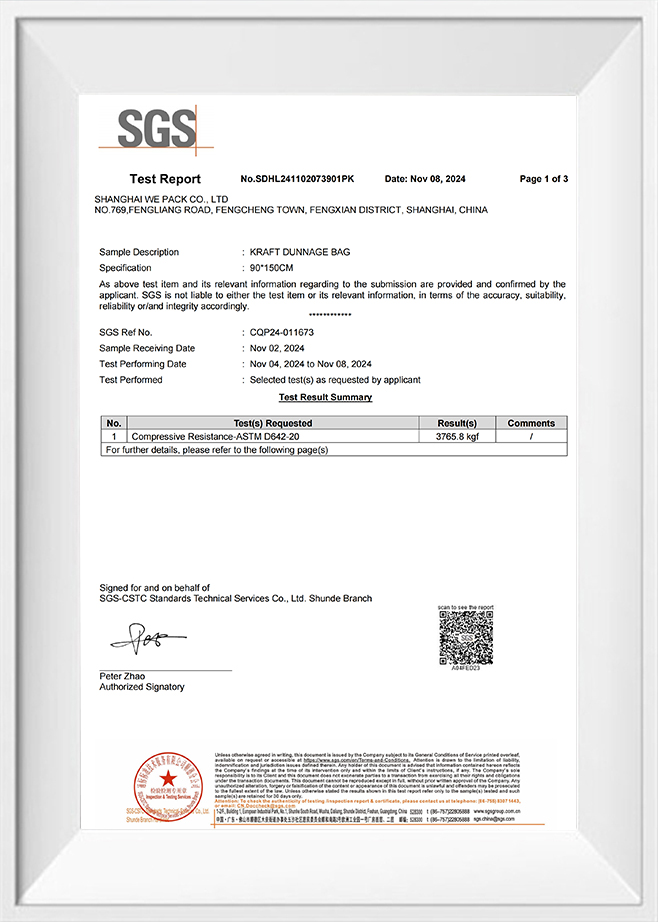
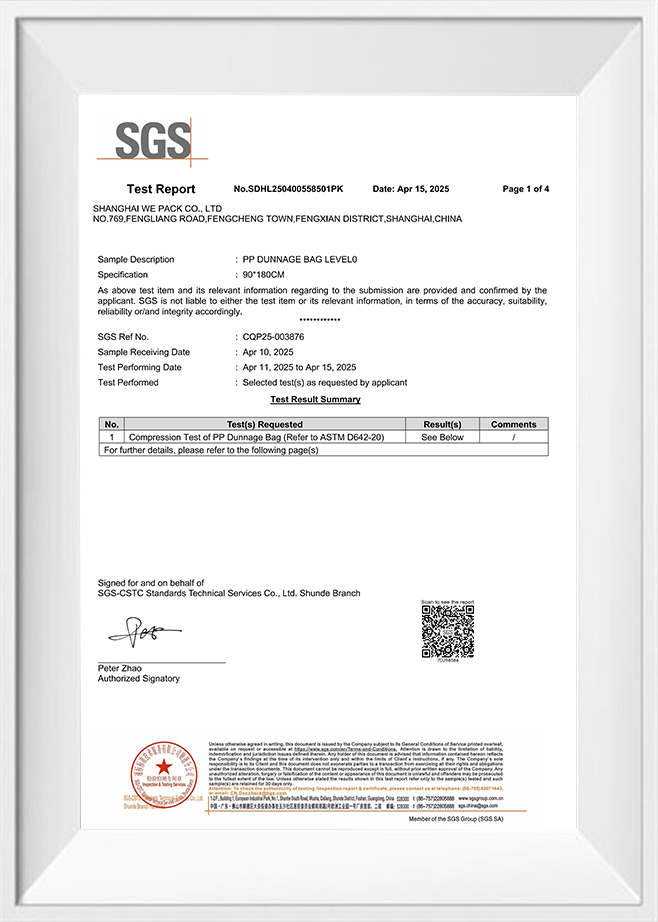
All We Pack products comply with AAR, SGS, TUV, and other international transport test standards. We support OEM / ODM customization, offering product design and free packaging solution planning based on cargo type, loading method, load requirements, budget, and printing needs—helping customers reduce total logistics costs by 15–30% while ensuring transport safety.
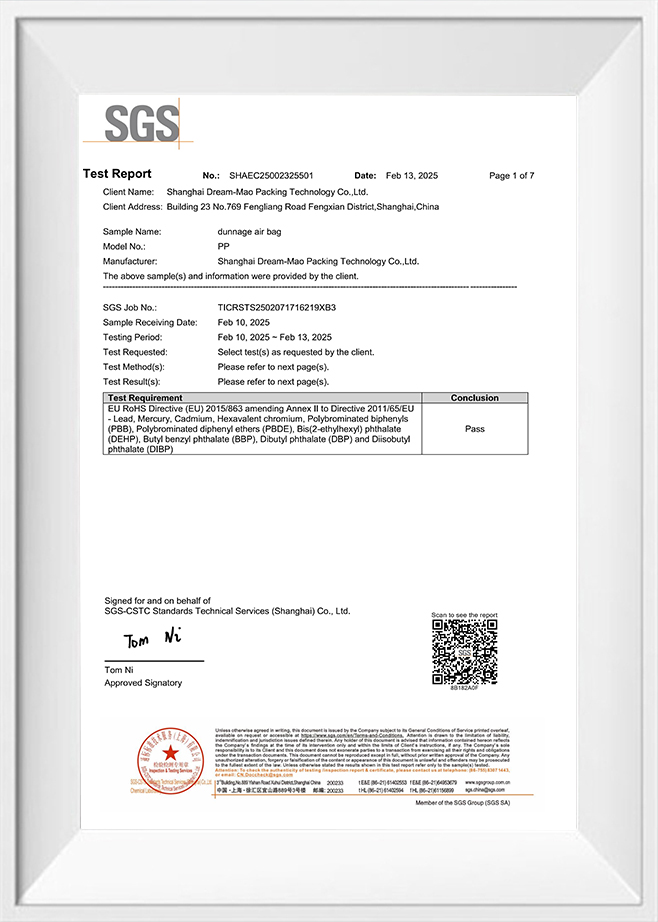
Certificate
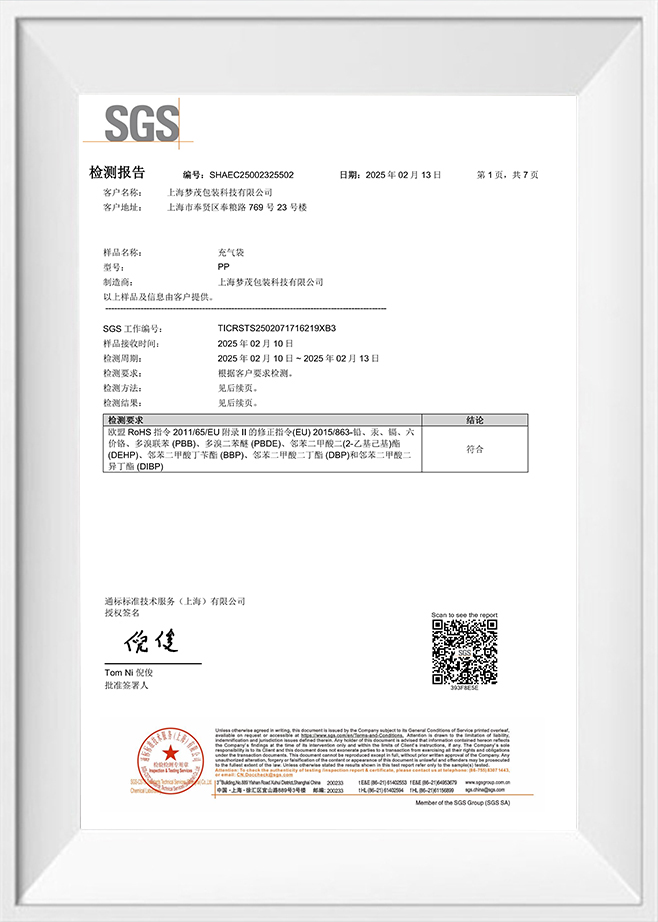
Certificate of Honor
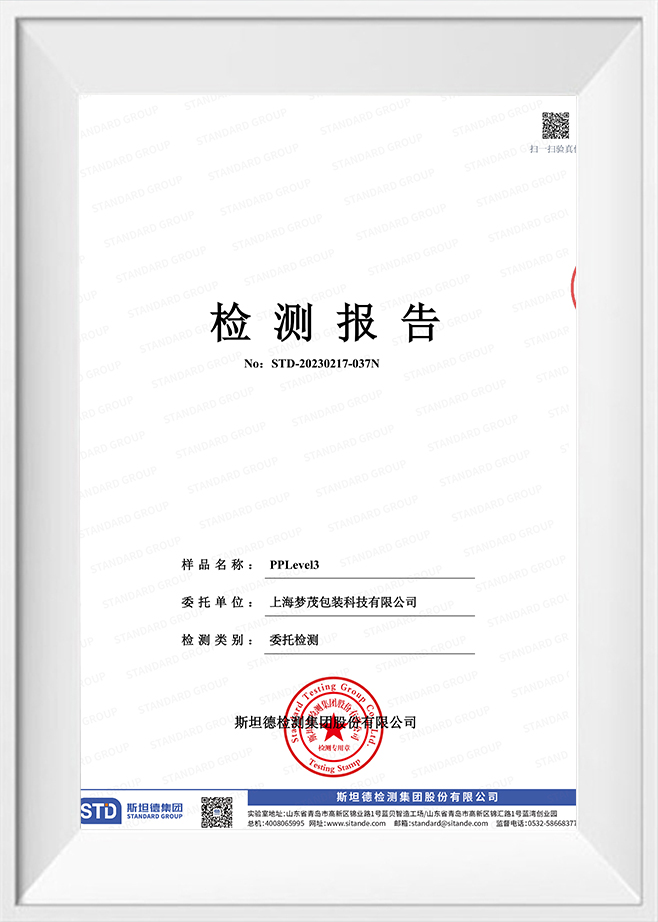
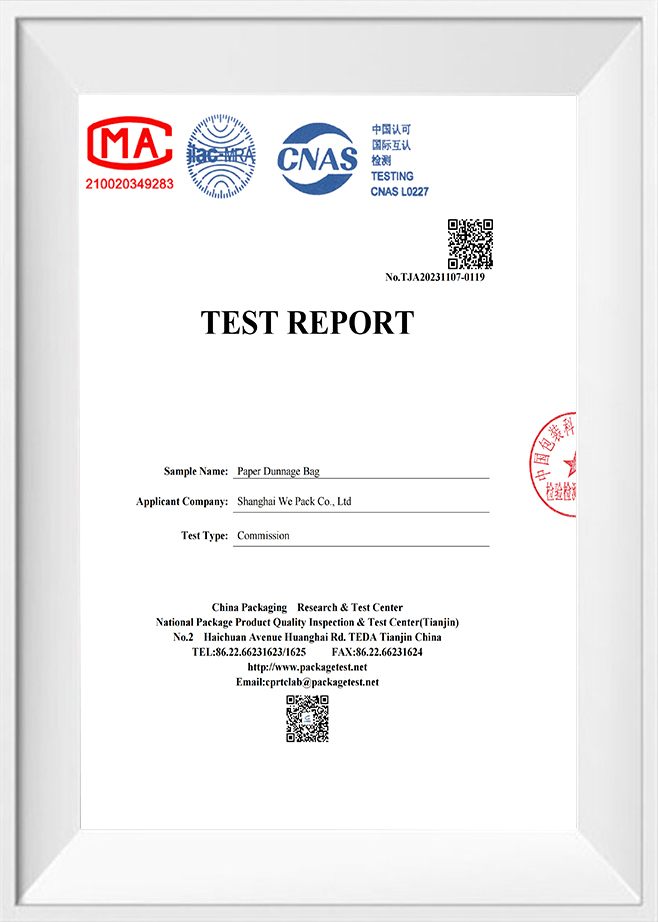
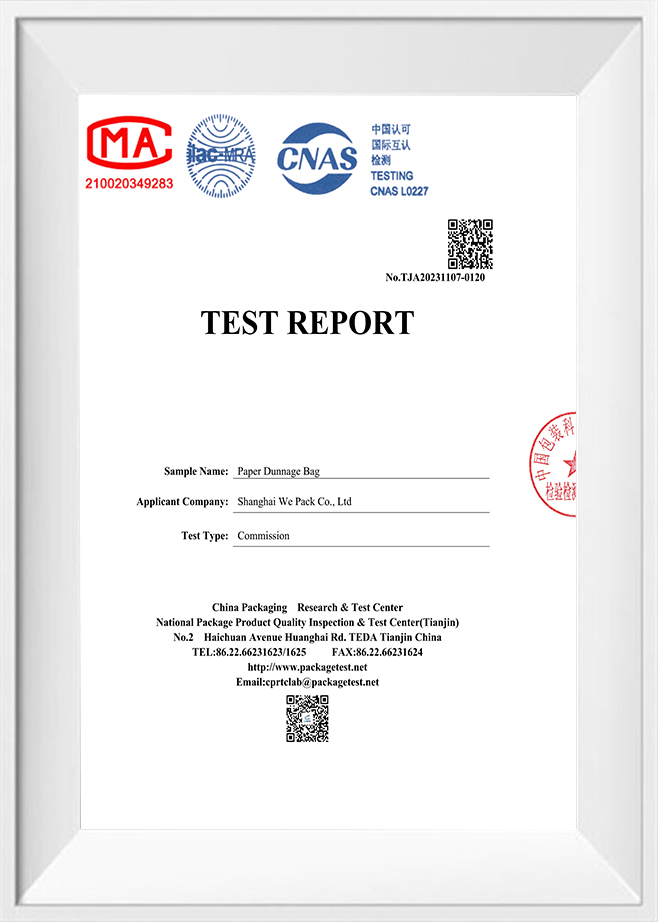
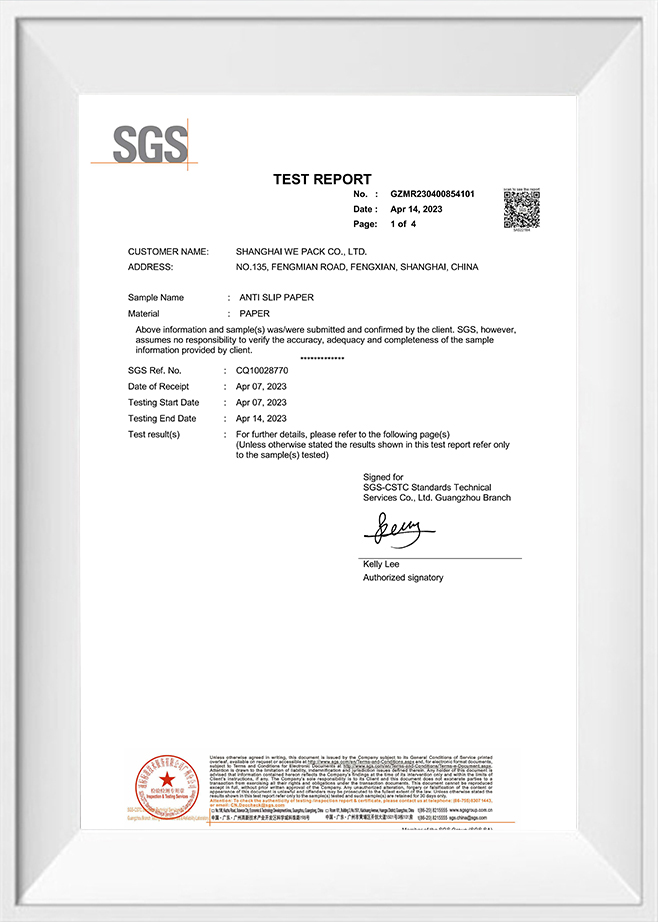
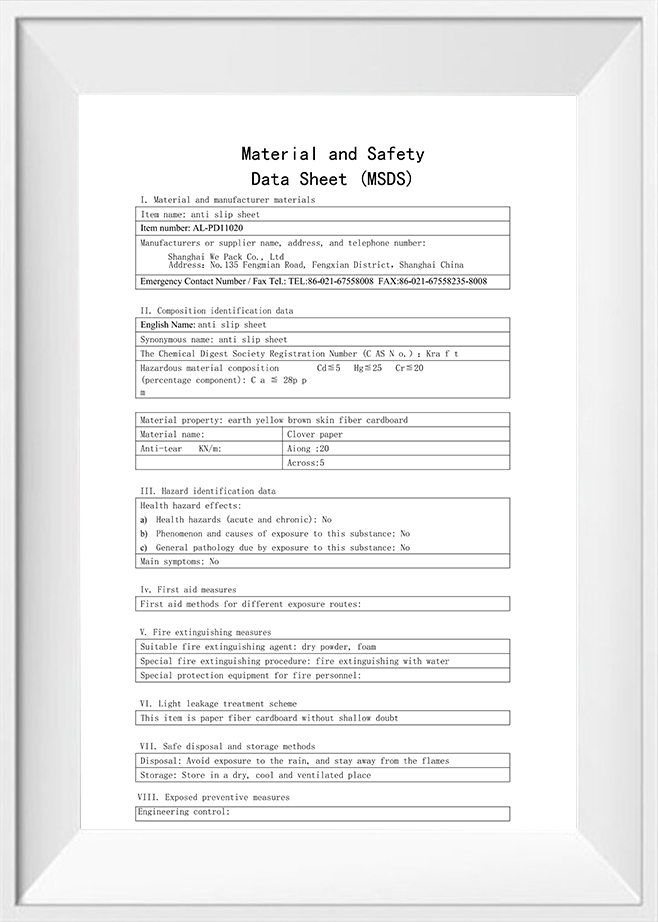
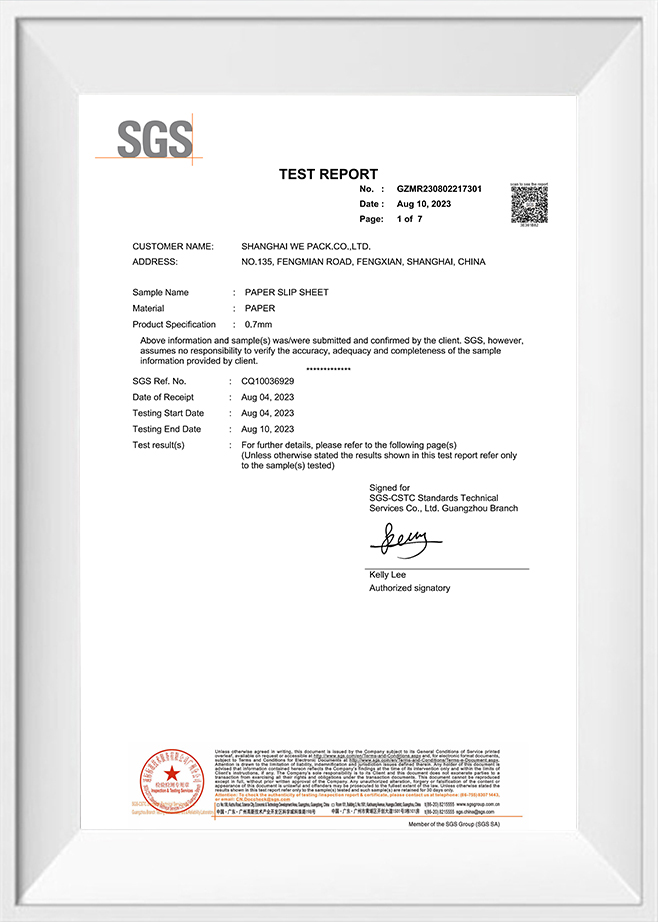
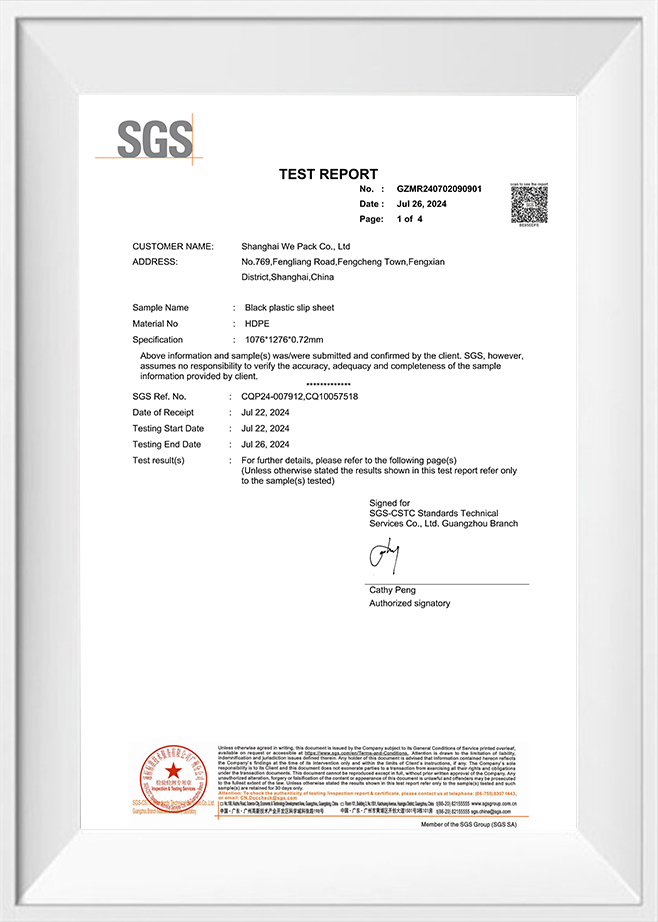
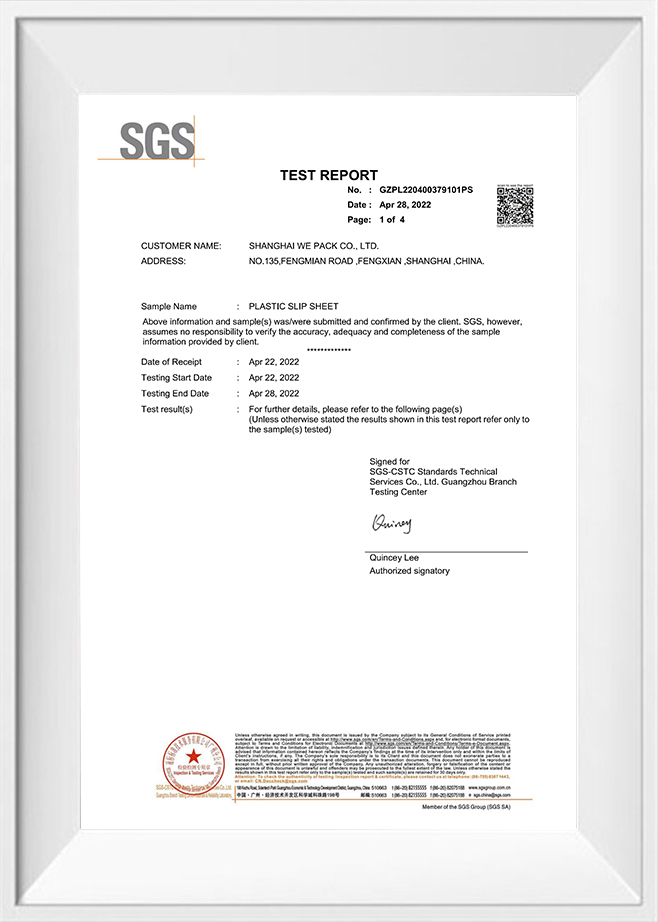
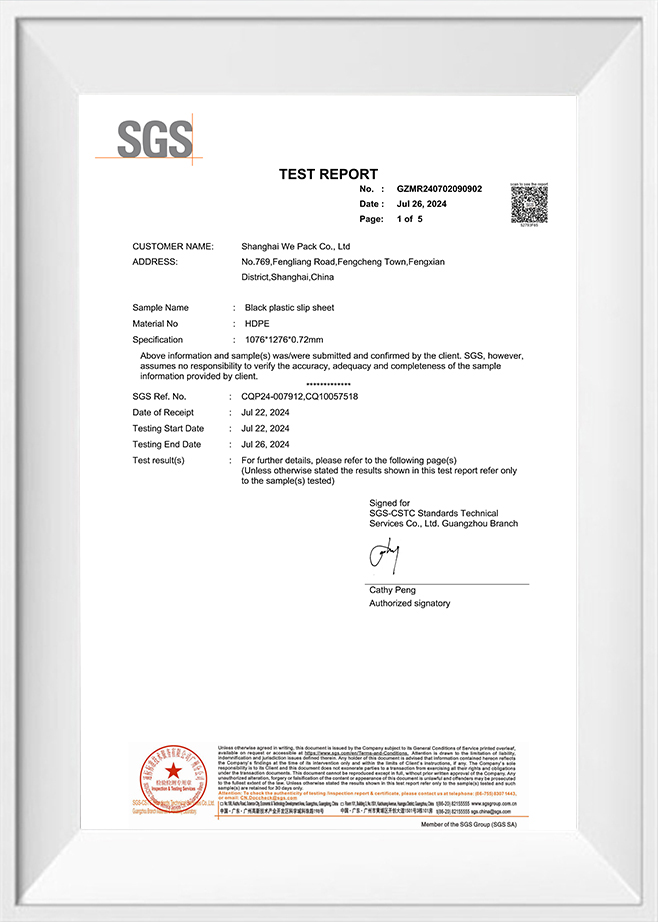
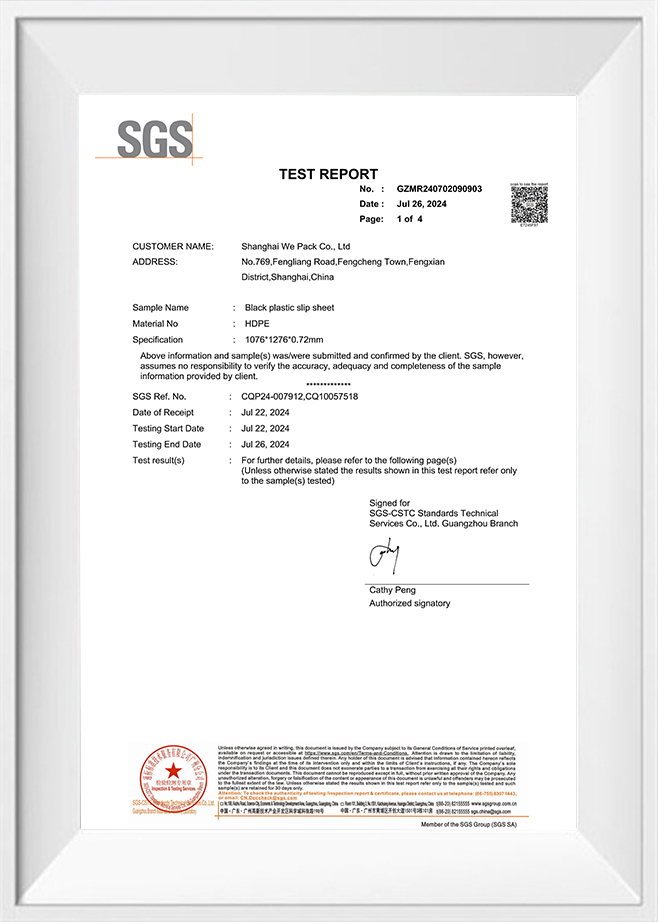
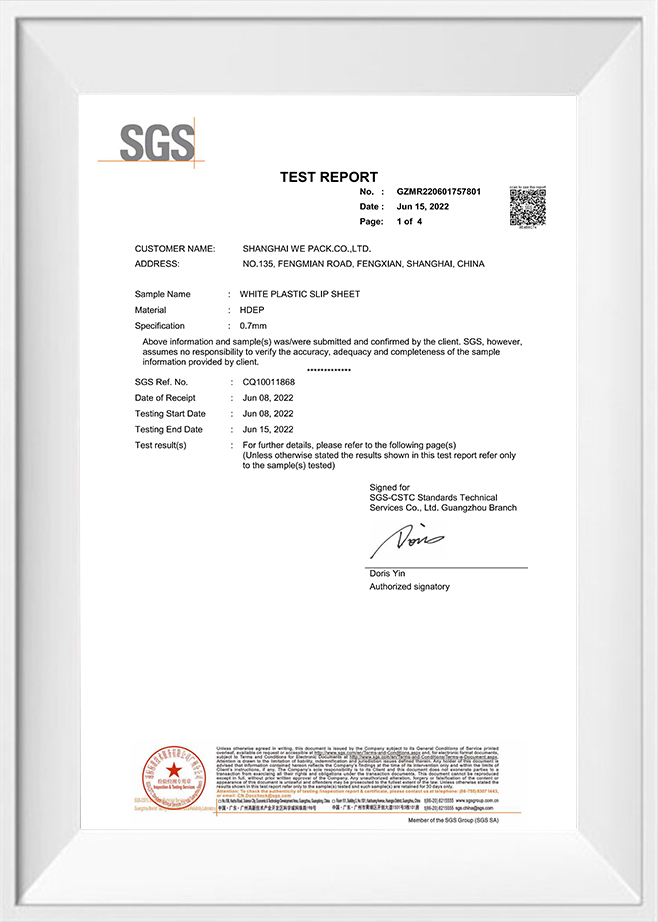

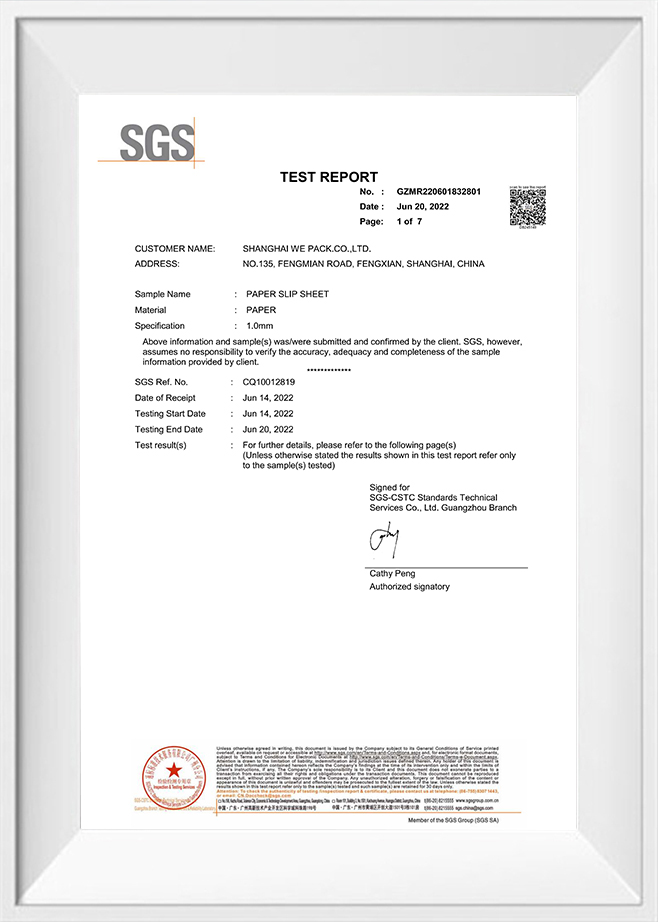
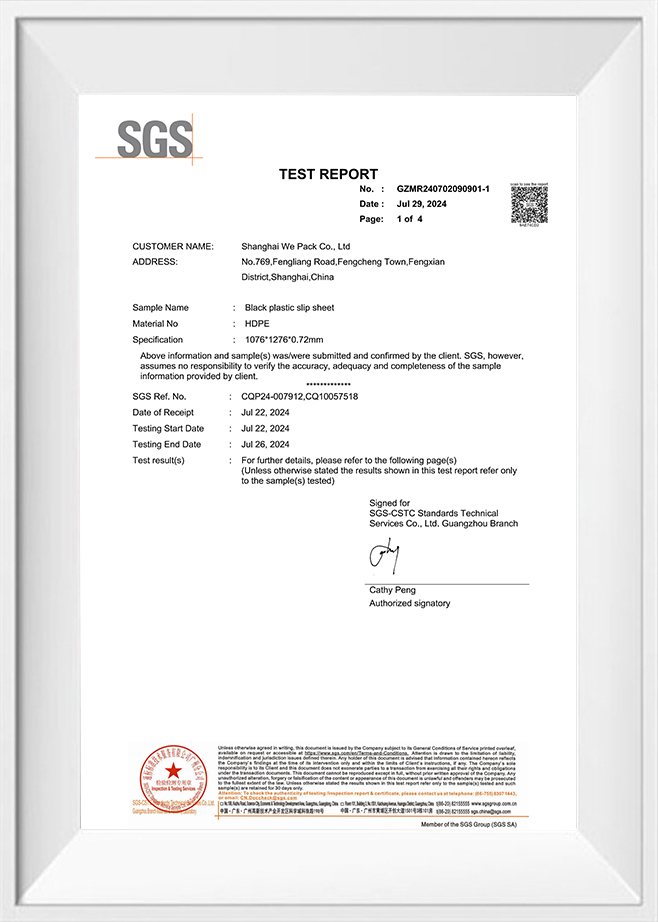
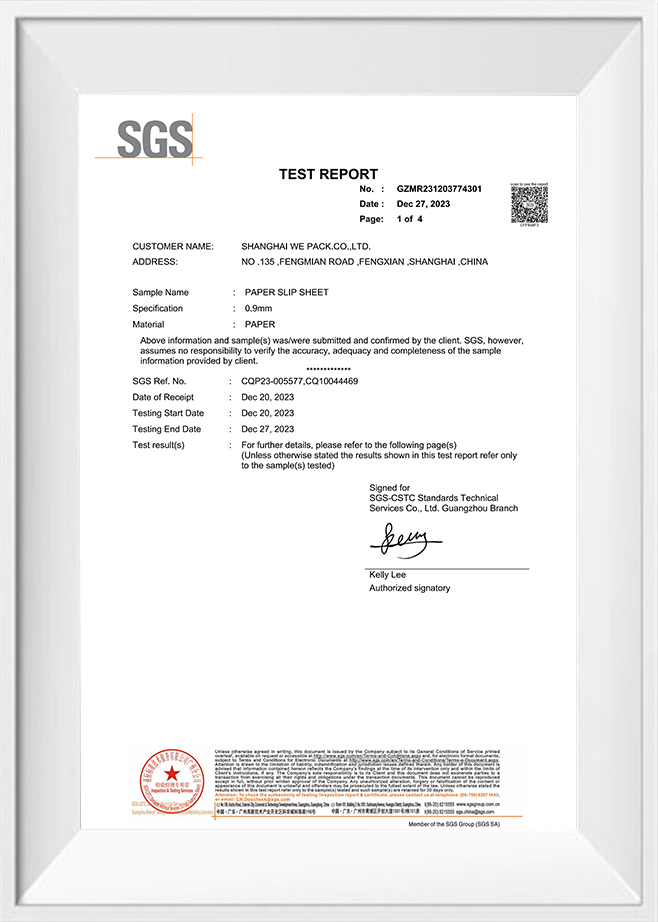
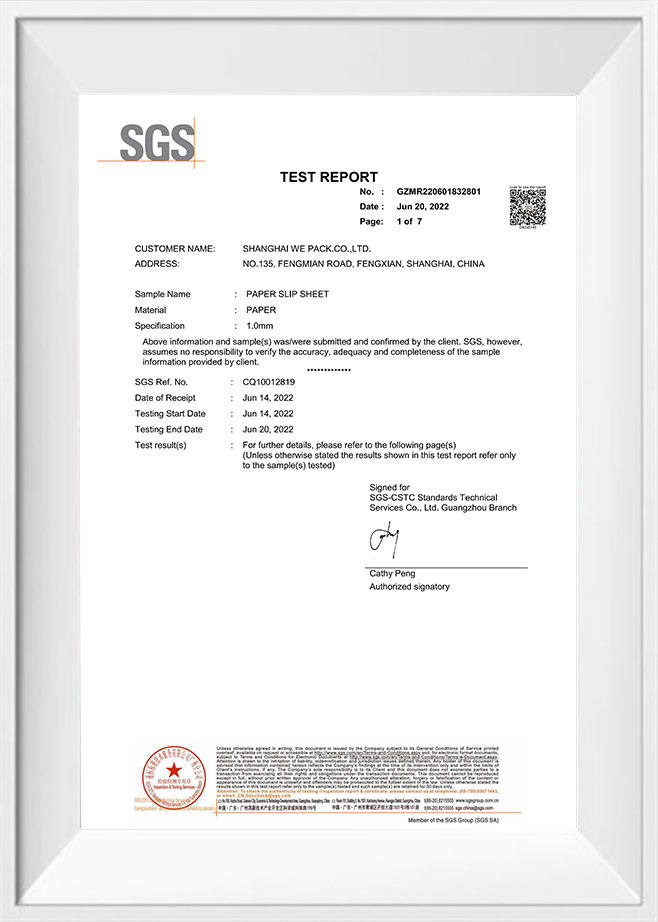
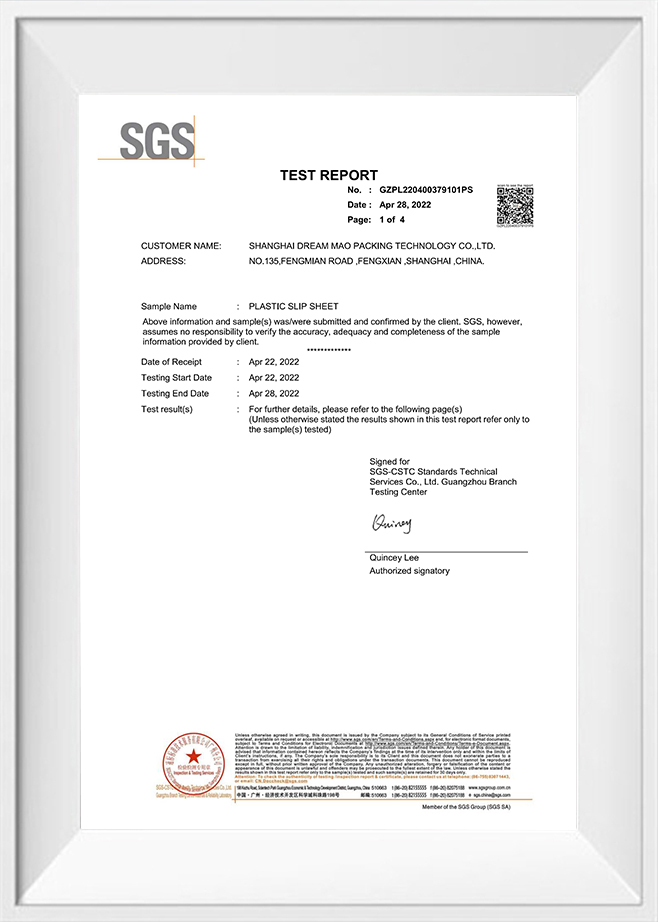
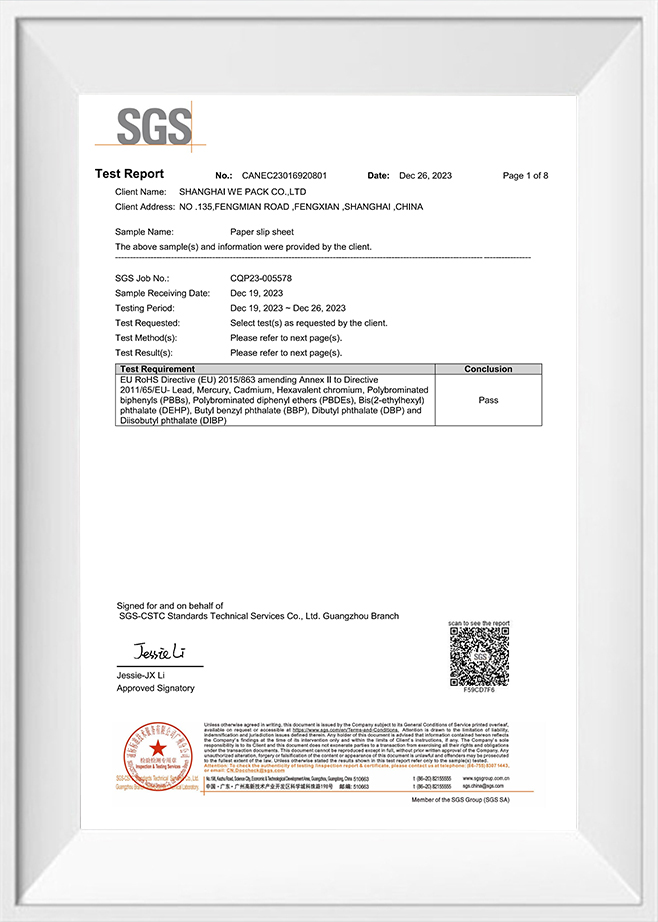
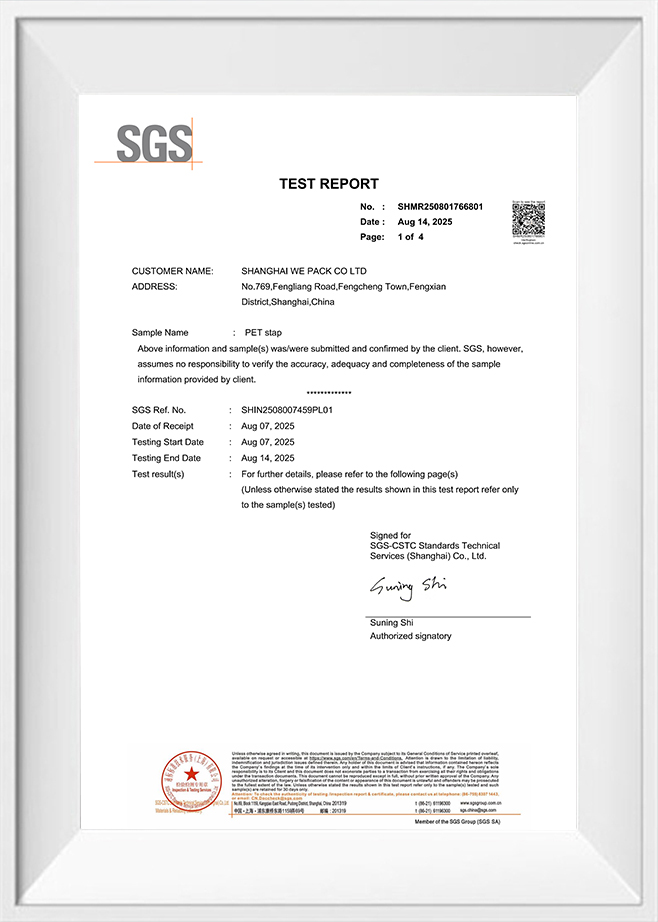
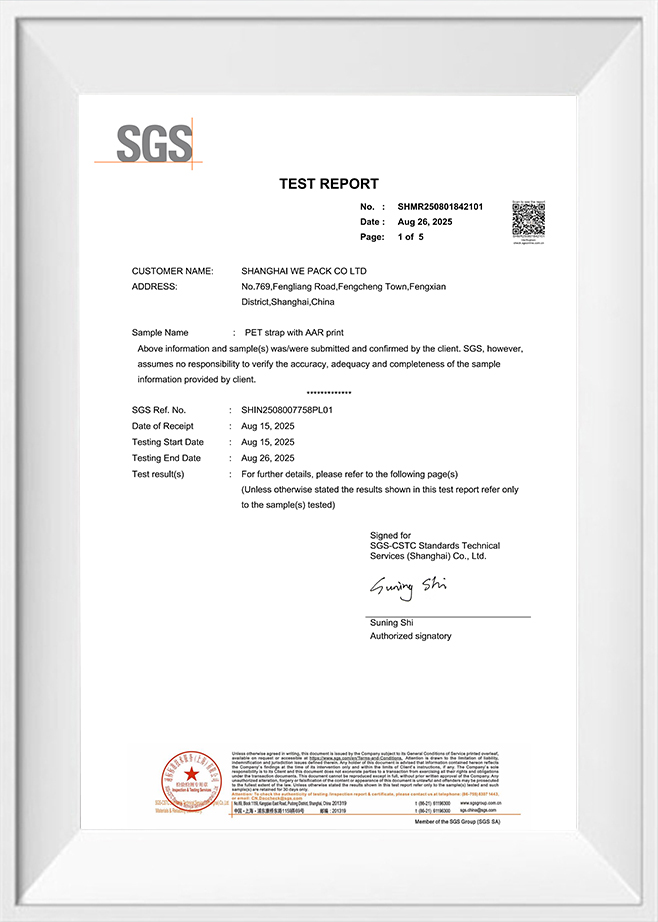
WHAT WE
HAPPENED
Checkout Our Current
News
Industry knowledge
Inflatable Tool Range for Container Dunnage Bag Operations
Shanghai We Pack Co., Ltd. manufactures the air-side equipment that makes a dunnage bag program work: the inflator guns, cordless inflators and heavy-duty inflator/deflators used to fill and empty container dunnage air bags at the loading dock. Founded in 2019 as a subsidiary of Shanghai Dreammao Packaging Technology Co., Ltd., we build cargo securing and transport protection products in a 10,000 m² facility with 9 production lines, and we supply the tooling alongside the bags it serves.
The range runs from a 0.25 kg precision gun for tight bag positions to the MaxProAir heavy-duty inflator/deflator rated at 70 m²/h. Between them sit handheld and hose-type external-air guns, the 24V cordless AirBeast with digital gauge, and the SmartProAir with programmable pressure and automatic shut-off. Every model is built for the same job: bringing a dunnage bag to its working pressure quickly, repeatably and without over-inflation.
What the Inflatable Tool Range Covers
Six models cover the practical spread of loading environments, from a fixed packing station with a compressed-air line to an open yard with no compressor at all. The table below maps each model to its air source, control method and typical position in a loading operation.
| Model | Air source | Control | Typical fit |
|---|---|---|---|
| Mini 0.25 kg Small Air Valve Gun | External compressed air | Manual trigger, small air valve | Precision inflation in narrow gaps and low-volume packing stations |
| Handheld 0.35 kg Powerful Air Supply Gun | External compressed air | Manual trigger | General dock inflation of kraft paper and PP dunnage bags |
| Hose-Type 0.5 kg Gun | External compressed air | Manual trigger with hose reach | Wide coverage across a container, multiple bag positions per stop |
| AirBeast 24V Cordless | 24V battery | Digital gauge | Remote yards, rail sidings and sites without a compressor |
| SmartProAir | Battery or external air | Programmable pressure, auto shut-off | Repeatable pressure on high-volume, multi-operator loading |
| MaxProAir Inflator/Deflator | High-flow air supply | 70 m²/h flow rate | Heavy-duty container bag inflation and deflation cycles |
Matching the Tool to the Loading Operation
Dunnage bag inflation is a pressure-controlled operation, not a free-air operation. A bag that is under-filled leaves the void it was meant to close, and a bag pushed past its working pressure loads the container wall and the bag seam beyond design intent. The tool choice therefore follows the bag, the cargo and the dock layout rather than the other way round.
Manual and external-air guns
The three external-air models suit operations with a fixed compressed-air line and a predictable number of bag positions per container. The Mini 0.25 kg gun reaches small air valves in confined gaps between cargo and container wall, while the 0.35 kg handheld covers routine kraft paper and PP bag inflation. The hose-type 0.5 kg gun extends reach so one operator can work several bag positions without repositioning the air drop.
Cordless and intelligent inflators
Where a compressor is unavailable or impractical, the AirBeast 24V cordless gun removes that dependency and adds a digital gauge for pressure readout at the point of inflation. The SmartProAir goes further with programmable pressure and automatic shut-off, which is the configuration we recommend when several operators inflate the same bag specification and pressure consistency matters more than cycle time. The MaxProAir is the heavy-duty option, combining high flow with deflation for container bag programs that need both directions of the cycle.
Critical Specifications That Drive Selection
These are the variables that decide which inflator configuration fits a given loading operation. We confirm each one against the bag specification before a proposal is issued.
- Bag type and volume — kraft paper, PP woven or PVC dunnage bags differ in valve design, fill volume and the pressure they are rated to hold.
- Target working pressure — the inflation set point, expressed in bar or psi, determines whether a fixed trigger, a digital gauge or a programmable shut-off is appropriate.
- Flow rate and air consumption — high-volume container bags fill faster with a high-flow tool such as the MaxProAir; small bags are better served by a controlled, low-volume gun.
- Valve interface — nozzle and adapter geometry must seat correctly on the bag valve without leakage during the fill.
- Duty cycle — continuous dock work, intermittent yard work and single-bag service calls place different demands on tool weight and heat build-up.
- Air supply or battery platform — line pressure and hose length on one side, or 24V battery runtime and charging arrangement on the other.
- Deflation requirement — bags that must be emptied at destination for return or disposal need a deflator function in the same tool.
Engineering Value: Pressure Control and Repeatability
Our approach to this range is the same engineering approach we apply across cargo securing: control the key stage that determines field performance. For inflatable tools, that stage is the moment of inflation. Digital pressure readout and automatic shut-off turn a judgement call into a repeatable set point, which is what protects bag seams, container walls and the cargo itself across thousands of loading cycles.
Because we also manufacture container dunnage air bags, the tool range and the bag range are specified together. Fill volume, valve type and pressure rating come from the bag side of the program, and the tool is configured to match. This is where the practical value sits for a loading operation: one specification covering the bag and the equipment that fills it.
Integration with Dunnage Bag and Packaging Programs
Inflatable tools rarely stand alone on a loading dock. They sit inside a wider consumables and equipment package that includes container dunnage air bags, corner protection, strapping and the packaging tools that support them. We supply these as one coordinated scope so that bag specification, inflation pressure and securing method are consistent from the first container to the last.
For distributors and equipment integrators, the same logic applies to consumable matching. Tools are supplied with the auxiliary items that keep them in service — replacement nozzles, hoses, batteries and chargers — so a tool program can be maintained over a long supply relationship rather than replaced piece by piece.
Quality Assurance and Compliance Evidence
Quality control runs from incoming materials through assembly to final inspection, supported by in-house testing and third-party verification. Our management system holds ISO 9001 certification, and our cargo securing products are tested against AAR, SGS and TUV standards, with EN 1492-1 applying to the lashing side of the portfolio. RoHS documentation is maintained for the powered inflator range.
Acceptance testing for an inflatable tool program is normally built around the bag it serves: fill time to working pressure, pressure hold over a defined period, valve sealing, and repeatability across a sample of operators. We agree the test method with the customer before production so that the acceptance criteria match the loading operation rather than a laboratory condition.
OEM/ODM Customization and Configuration Options
We support OEM and ODM customization across the inflatable tool range, with a minimum order quantity of 100 pieces for custom work. Configuration options include pressure gauge units, hose length and fittings, valve adapters for different bag types, battery and charger arrangements, and private-label branding on the tool body and packaging.
Custom work is developed from drawings or samples, and our engineering team reviews the application before tooling is committed. Where a customer already runs PP woven dunnage bags or kraft paper bags to a fixed specification, the tool configuration is derived from that specification rather than from a catalogue default.
Information We Use to Configure Your Solution
A workable inflator configuration comes from a short set of project inputs. The matrix below shows what we ask for and how each item changes the recommendation.
| Project input | How it shapes the configuration |
|---|---|
| Dunnage bag type, size and valve | Sets nozzle and adapter geometry, fill volume and pressure target |
| Required working pressure | Determines gauge type, set point and whether auto shut-off is needed |
| Air supply available on site | Selects external-air gun versus 24V cordless platform |
| Containers or bags per shift | Drives flow rate, duty cycle and number of tools per dock |
| Cargo type and loading method | Confirms access to bag positions and reach requirements |
| Deflation requirement | Adds deflator function where bags are emptied at destination |
| Branding, packaging and documentation needs | Defines OEM/ODM scope, label artwork and manual language |
Delivery, Documentation and Serviceability
Tools ship in export packaging from our Shanghai facility, located close to Shanghai Port and Pudong International Airport, with trade terms including EXW, FOB, CIF and DDP. Documentation covers operating instructions, pressure setting guidance and maintenance intervals for wearing parts such as seals, nozzles, hoses and batteries.
Serviceability is designed into the range: consumable parts are replaceable without special tooling, and we hold spare nozzles, hoses and battery accessories for ongoing programs. Our technical team supports application matching and performance optimization after delivery, and we provide operator guidance on correct pressure setting and safe handling during loading.
Frequently Asked Questions
What is the difference between the manual air guns and the cordless inflators?
The manual guns — the Mini 0.25 kg, Handheld 0.35 kg and Hose-Type 0.5 kg models — run from an external compressed-air line and are operated by trigger. The AirBeast 24V and SmartProAir run from battery power, with a digital gauge on the AirBeast and programmable pressure with automatic shut-off on the SmartProAir. The choice comes down to whether a compressed-air supply is available at the loading point and how much pressure repeatability the operation needs.
Can the inflators be matched to kraft paper, PP and PVC dunnage bags?
Yes. Valve geometry, fill volume and rated pressure differ between bag types, so we configure the nozzle, adapter and pressure setting against the specific bag specification in use. Because we manufacture the dunnage bag range ourselves, the tool and bag sides of the program are specified together rather than matched after purchase.
Do you supply the dunnage bags and the inflatable tools together?
We do. Shanghai We Pack supplies the Inflatable Tool manufacturer range as part of a one-stop cargo securing and transport protection scope that also covers dunnage bags, corner protectors, slip sheets, stretch film, strapping and packaging equipment. This keeps pressure specification, bag specification and securing method consistent across a shipment program.
What pressure control options are available?
Control ranges from a manual trigger on the external-air guns, through digital pressure readout on the AirBeast 24V, to programmable pressure with automatic shut-off on the SmartProAir. Where several operators inflate the same bag specification, the programmable option is the configuration that keeps pressure consistent across shifts.
What information do you need to quote an inflatable tool configuration?
Bag type, size and valve; required working pressure; whether compressed air is available on site; containers or bags handled per shift; cargo type and loading method; whether bags must be deflated at destination; and any branding, packaging or documentation requirements. With those inputs we can propose a tool configuration and a matching bag specification in one quotation.
Do you support OEM/ODM branding on the tools?
Yes. We develop OEM and ODM configurations from drawings or samples, covering branding, gauge units, hose length and fittings, valve adapters, battery and charger arrangements, and packaging. The minimum order quantity for customized work is 100 pieces, which allows trial orders to run alongside larger supply programs.

PRODUCT
CONTACT INFO
-
 +86-137 7421 9489
-
 +86-021-67558008
-
 [email protected]
-
 No.769 ,23# building, Fengliang Road,Fengcheng town,Fengxian District,Shanghai,China
MOBILE QR CODE

