
 Español




Desiccant Packs Suppliers
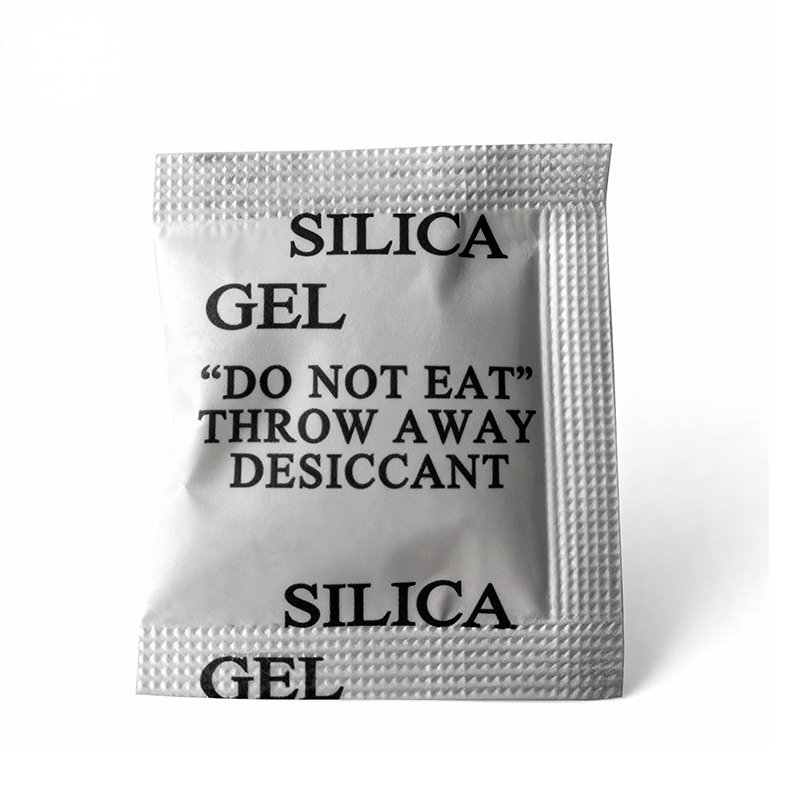
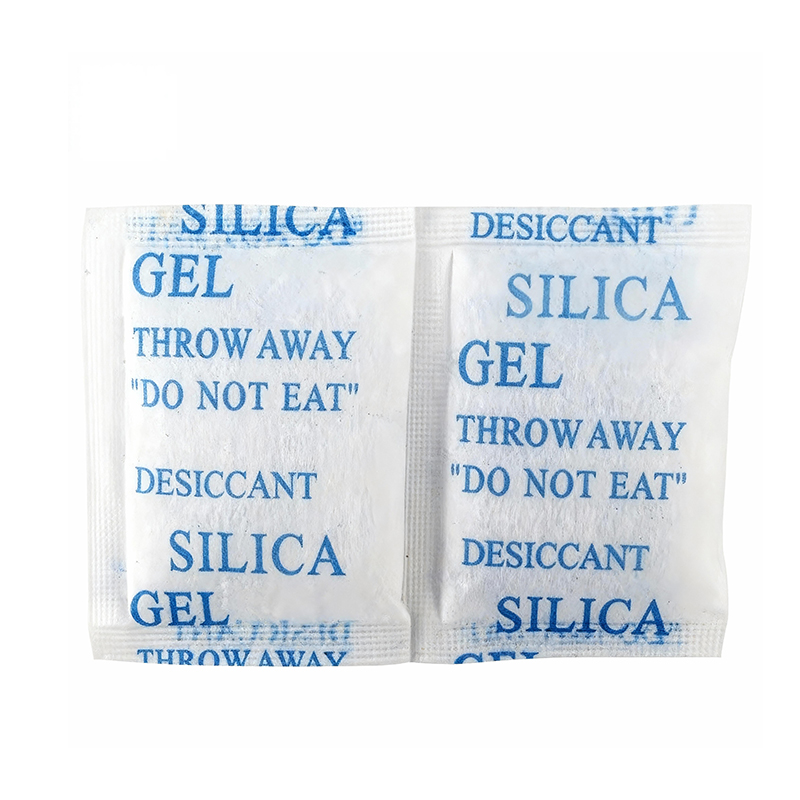
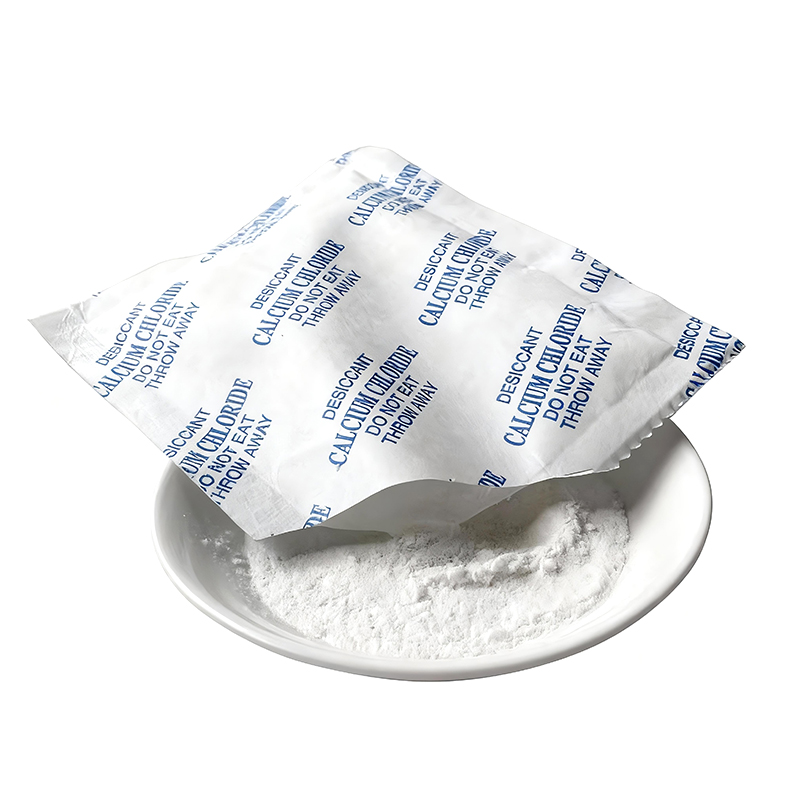
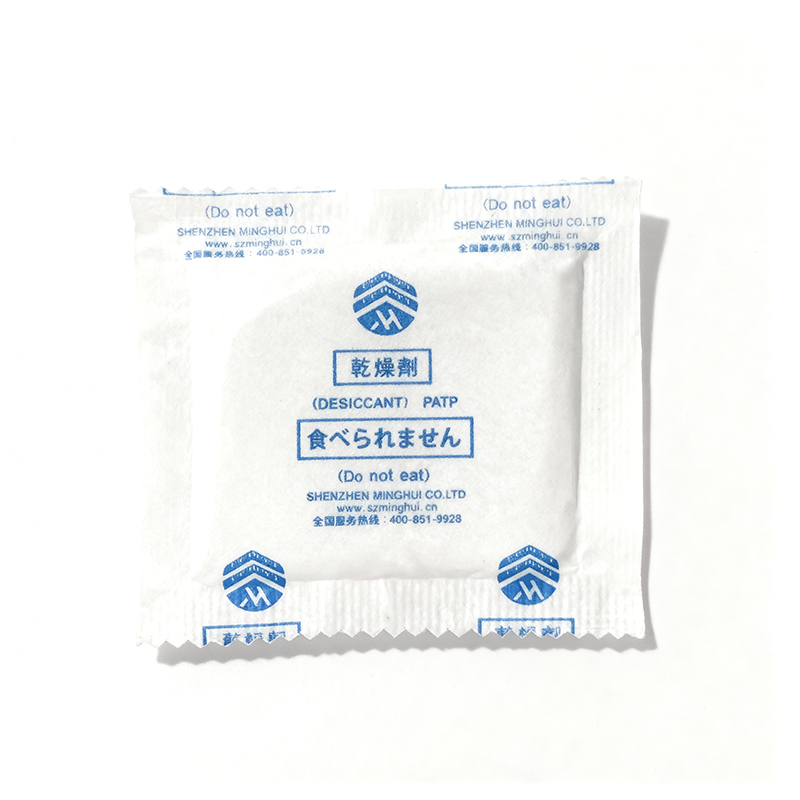
Our desiccants are precision-engineered to provide reliable moisture protection across industries, from logistics and storage to sensitive product packaging. Each type is formulated for specific humidity environments and application needs, ensuring optimal absorption performance, material safety, and environmental sustainability. Whether for short-term shipment or long-term storage, our solutions help preserve product integrity, prevent corrosion and mold, and support efficient supply chain operations.

Shanghai We Pack Co., Ltd.
Founded in 2019, Shanghai We Pack Co., Ltd. is a subsidiary of Shanghai Mengmao Packaging Technology Co., Ltd. is an integrated packaging company specializing in cargo securing, transport protection, and loading optimization solutions. Desiccant Packs Suppliers and Desiccant Bags Company in China.
With a 10,000 m² facility, 120 employees, dedicated R&D, testing, and quality control teams, and 9 production lines, wepack offers end-to-end capabilities from design and testing to mass production.
Driven by an engineering approach, wepack strictly controls every key stage—from raw materials to finished products—to ensure reliable performance in real transport conditions.
We Pack’s core products include paper edge protectors, container dunnage air bags, and lashing systems. Wholesale Desiccant Bags For Shipping Containers. Through joint ventures and industrial collaboration, our portfolio has expanded to paper pallets, plastic pallets, slip sheets, carton sealing tapes, bubble wrap, stretch film, strapping, and packaging equipment.We provide one-stop packaging and transport protection solutions tailored to different cargo types and logistics scenarios.
All We Pack products comply with AAR, SGS, TUV, and other international transport test standards. We support OEM / ODM customization, offering product design and free packaging solution planning based on cargo type, loading method, load requirements, budget, and printing needs—helping customers reduce total logistics costs by 15–30% while ensuring transport safety.
Certificate
Certificate of Honor


WHAT WE
HAPPENED
Checkout Our Current
News
Industry knowledge
Shanghai We Pack Co., Ltd. is a Desiccant manufacturer in China, producing moisture-control units for container shipping, warehouse storage and moisture-sensitive product packaging. Operating within the Dreammao packaging group, we manufacture four desiccant families — silica gel, montmorillonite, calcium chloride and magnesium chloride — and integrate them with the cargo securing and transport protection products that surround a shipment: dunnage bags, paper corner protectors, slip sheets, stretch film and strapping. Our work starts with the moisture load: the cargo, the route, the packaging barrier and the target humidity determine which chemistry and which unit format we produce.
A Desiccant Range for Container, Storage and Product Protection
Each desiccant family is formulated for a specific humidity environment and application need. The range covers short-cycle shipments, long-duration ocean freight and sensitive product packaging, with absorption performance, material safety and end-of-life handling treated as separate selection criteria.
| Product family | Moisture behaviour | Typical application fit | Configuration focus |
|---|---|---|---|
| Silica Gel Desiccant | Stable absorption across a wide humidity range; inert and reusable | Electronics, pharmaceuticals, leather goods, general packaged goods | Sachet size, gram weight, outer material, printing |
| Montmorillonite Desiccant | Static dehumidification with odour control; mineral clay base, fully degradable | Natural products, textiles, archival materials, green packaging programmes | Granule fill weight, sachet format, eco-focused outer materials |
| Calcium Chloride Desiccant | High-capacity, long-duration absorption; solid-gel locking to contain liquid | Container shipping, high-value cargo, extended logistics cycles | Blanket or bag format, hook or pole mounting, leak-containment layer |
| Magnesium Chloride Desiccant | Fast moisture uptake in solidified form | Short-cycle shipments and general container protection | Unit weight, sachet or bag format, printing |
Matching Chemistry to the Cargo and the Voyage
Container condensation is a temperature-driven problem. A steel container moving from a warm, humid port into a cold climate sheds moisture on the inner walls and roof; the same container moving the other way drives moisture into the cargo. Desiccant selection therefore depends on the voyage profile as much as on the product label.
- Container size and load pattern — a 40 ft container presents roughly twice the air volume of a 20 ft unit, and floor-loaded cargo leaves different air paths than a fully palletized load.
- Voyage duration and route — short sea legs and intercontinental crossings carry different total moisture loads.
- Cargo behaviour — metals, electronics, powders, food, textiles and paper respond differently to a given relative humidity.
- Packaging barrier — stretch film, barrier liners and sealed cartons slow moisture exchange and change the required unit count.
- Ambient profile — temperature swing and port humidity determine how much condensation the desiccant must buffer.
- Target humidity — the acceptable relative humidity for the cargo sets the performance threshold.
Placement, Loading Integration and the Wider Protection System
Desiccants work as part of a loading plan, not as a standalone item. We position container desiccants where air movement reaches them — along the container walls, above the cargo or on hanging rails — and coordinate that placement with the rest of the protection system. Dunnage bags fill voids and stop load shift; paper corner protectors take the edge loads; slip sheets and stretch film unitize the pallet. When these elements are planned together, the desiccant is not compensating for a loose or poorly protected load.
Our Dunnage Bag range and Stretch Film range are specified in the same loading review as the desiccant, so the moisture-control unit count and the void-fill or unitization plan stay aligned.
Critical Specifications We Confirm Before Production
- Unit mass and absorption capacity — the gram weight of active material and the absorption figure the unit is expected to deliver under the agreed test conditions.
- Outer material and closure — the sachet or bag substrate, seam strength and closure method that keep the active material contained through handling and transit.
- Format — sachet, bag, blanket, hook-mounted or pole-mounted unit, depending on container size and loading method.
- Printing and identification — brand, batch, warning text and language set for the destination market.
- Quantity per container and per pallet — the unit count that matches the moisture load and the loading pattern.
- Shelf life and storage — the conditions under which the desiccant keeps its rated performance before use.
- Acceptance criteria — the test method and pass/fail threshold agreed for the order.
Configuration Options and OEM / ODM Support
We support OEM and ODM customization across the desiccant range. Size, gram weight, outer material, closure, printing and packing format can be adapted to a customer's brand and application. Our engineering team develops from drawings or samples, and we provide product design and packaging solution planning based on cargo type, loading method, load requirements, budget and printing needs. Minimum order quantity starts at 100 pieces, which allows trial orders and market tests before volume production.
Quality Control and Acceptance Testing
Quality control follows the material from raw input to finished unit. Our management system is ISO 9001 certified, and we operate a three-tier verification approach: our own laboratory, advanced testing equipment and third-party institutions such as SGS and TUV. Desiccant performance, packaging integrity and print accuracy are checked against the confirmed specification before shipment. Test reports and inspection documents are prepared with the order so the receiving team can verify what arrived against what was agreed.
Information We Use to Configure Your Solution
| Project input | How we use it |
|---|---|
| Container type and internal volume | Sets the air volume and the starting point for unit count |
| Cargo type and value | Determines the humidity sensitivity and the protection level |
| Packaging barrier | Shows how quickly moisture reaches the desiccant |
| Voyage duration and route | Defines the total moisture load and temperature swing |
| Temperature and humidity profile | Establishes the condensation risk on the route |
| Loading method | Positions the desiccant where air movement reaches it |
| Target relative humidity | Sets the performance threshold for the selected chemistry |
| Unit format and printing | Matches the desiccant to the container and the brand |
| Quantity and delivery schedule | Plans production, packing and shipment |
| Destination port and trade term | Confirms documentation and delivery scope |
Production Capacity, Delivery and Commercial Scope
Shanghai We Pack operates a 10,000 m² facility with 9 production lines and 120 employees, supported by dedicated R&D, testing and quality control teams. Annual output exceeds 20,000 tons across the group's packaging lines, which supports both trial quantities and repeat volume. The factory sits approximately 25–35 km from Shanghai Port and 30 km from Pudong International Airport, giving us short inland legs to export gateways. We work on EXW, FOB, CIF and DDP terms, with T/T and L/C payment structures for established programmes.
Desiccant shipments are packed for the destination market and can be combined with Paper Corner Protector and other transport protection items in the same container, reducing the number of inbound deliveries a receiving warehouse has to handle.
Frequently Asked Questions
Which desiccant types does Shanghai We Pack manufacture?
We supply silica gel, montmorillonite, calcium chloride and magnesium chloride desiccants. Each family is produced for a different moisture environment — from stable, reusable silica gel for electronics and general packaging to high-capacity calcium chloride for long ocean voyages and high-value container cargo.
How do you choose between the four desiccant chemistries?
The choice follows the cargo, the packaging barrier and the voyage. Silica gel suits a wide humidity range and sensitive goods; montmorillonite suits natural products, textiles and archival materials where a mineral, degradable desiccant is preferred; calcium chloride handles long-duration, high-capacity moisture control in containers; magnesium chloride provides fast uptake in solidified form for shorter cycles. We confirm the working point with the customer before production.
Can desiccants be customized with our brand, size and packaging?
Yes. We support OEM and ODM work on unit size, gram weight, outer material, closure, printing and packing format. Our engineering team can develop from drawings or samples, and we provide free packaging solution planning based on cargo type, loading method, load requirements, budget and printing needs.
What information do you need to prepare a desiccant quotation?
We need the container type and internal volume, cargo type and value, packaging barrier, voyage duration and route, temperature and humidity profile, loading method, target relative humidity, required unit format and printing, order quantity, delivery schedule, destination port and preferred trade term. With those inputs we can propose a chemistry, a unit format and a unit count.
How is desiccant quality controlled and documented?
Raw materials, active fill, outer material, seams and printing are checked through the production process. Our management system is ISO 9001 certified, and we use in-house laboratory testing plus third-party verification through institutions such as SGS and TUV. Test reports and inspection documents are prepared with the shipment.
What is the minimum order quantity and delivery scope?
Minimum order quantity starts at 100 pieces, which supports trial orders and market testing. We ship from Shanghai on EXW, FOB, CIF or DDP terms, with T/T and L/C payment options for long-term programmes.

PRODUCT
CONTACT INFO
-
 +86-137 7421 9489
-
 +86-021-67558008
-
 [email protected]
-
 No.769 ,23# building, Fengliang Road,Fengcheng town,Fengxian District,Shanghai,China
MOBILE QR CODE

