
 Español




PET/Steel Strap Buckle Manufacturers
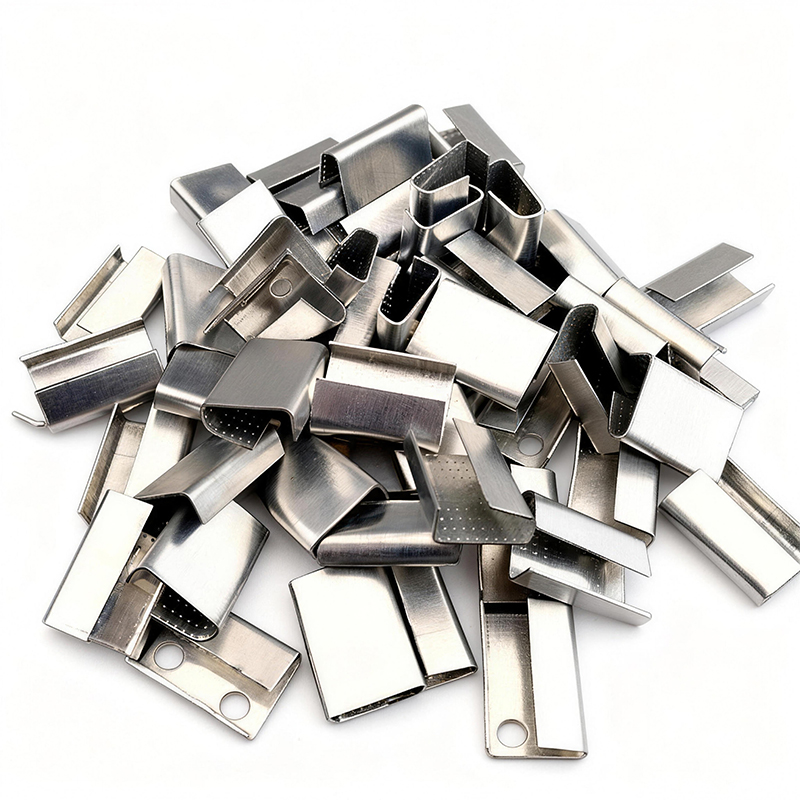
The PET/Steel Strap Buckle, also known as a seal or friction clip, is used with PET plastic strapping (and sometimes light-duty steel strapping). Manufactured from galvanized or painted steel, it is a flat, stamped piece with pre-formed tabs. During manual strapping, the buckle is placed over the two strap ends, and a hand tool (like the C380 crimper) is used to press and deform the tabs, gripping the strap firmly. This buckle provides a strong, reusable, and cost-effective closure method, preventing the PET strap from unraveling and maintaining tension for palletized goods, boxes, and medium-duty industrial bundles.

Shanghai We Pack Co., Ltd.
Founded in 2019, Shanghai We Pack Co., Ltd. is a subsidiary of Shanghai Mengmao Packaging Technology Co., Ltd. is an integrated packaging company specializing in cargo securing, transport protection, and loading optimization solutions. PET/Steel Strap Buckle Manufacturers and PET/Steel Strap Buckle Factory in China.
With a 10,000 m² facility, 120 employees, dedicated R&D, testing, and quality control teams, and 9 production lines, wepack offers end-to-end capabilities from design and testing to mass production.
Driven by an engineering approach, wepack strictly controls every key stage—from raw materials to finished products—to ensure reliable performance in real transport conditions.
We Pack’s core products include paper edge protectors, container dunnage air bags, and lashing systems. Custom PET/Steel Strap Buckle. Through joint ventures and industrial collaboration, our portfolio has expanded to paper pallets, plastic pallets, slip sheets, carton sealing tapes, bubble wrap, stretch film, strapping, and packaging equipment.We provide one-stop packaging and transport protection solutions tailored to different cargo types and logistics scenarios.
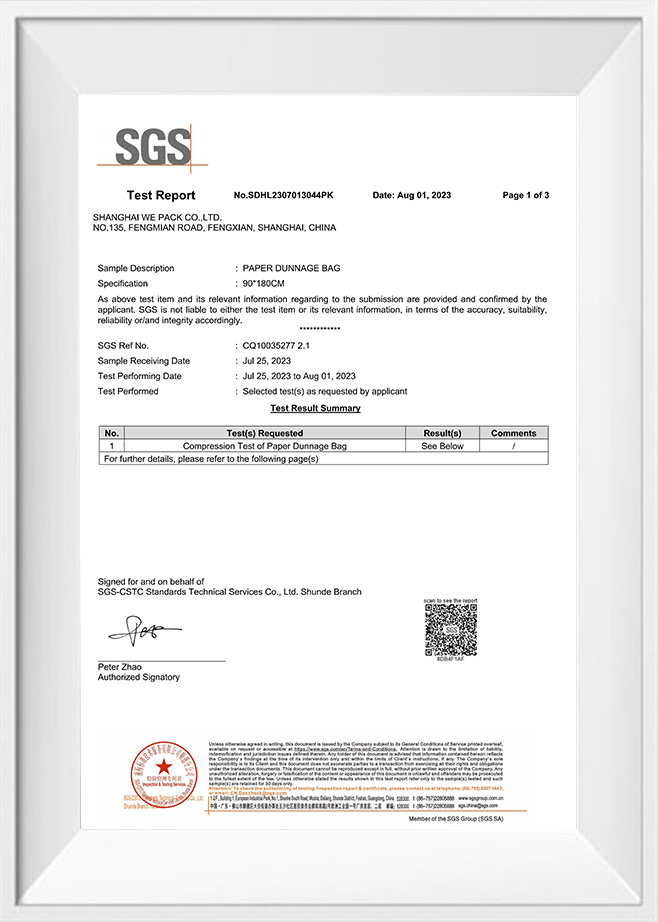
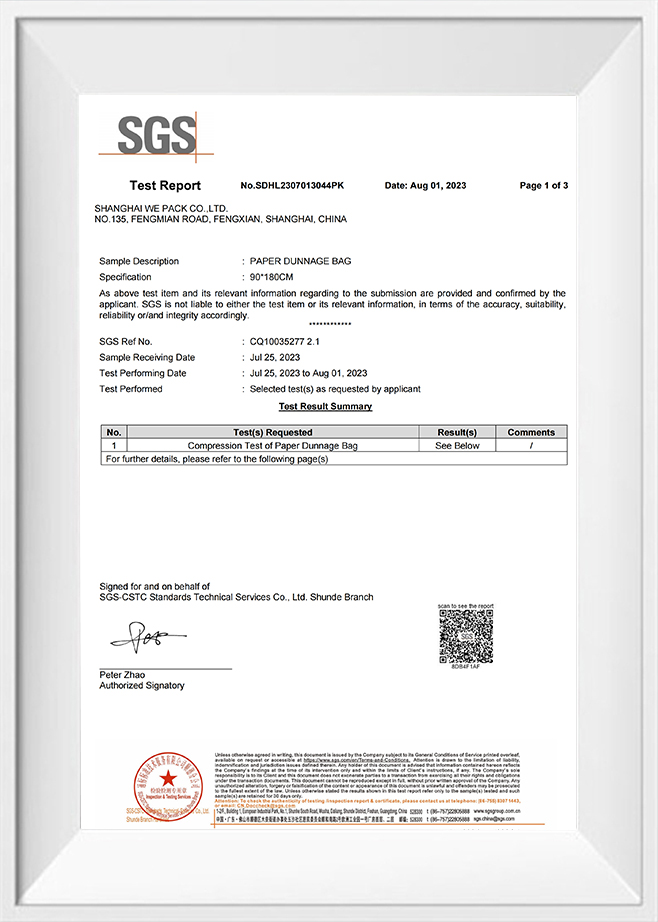
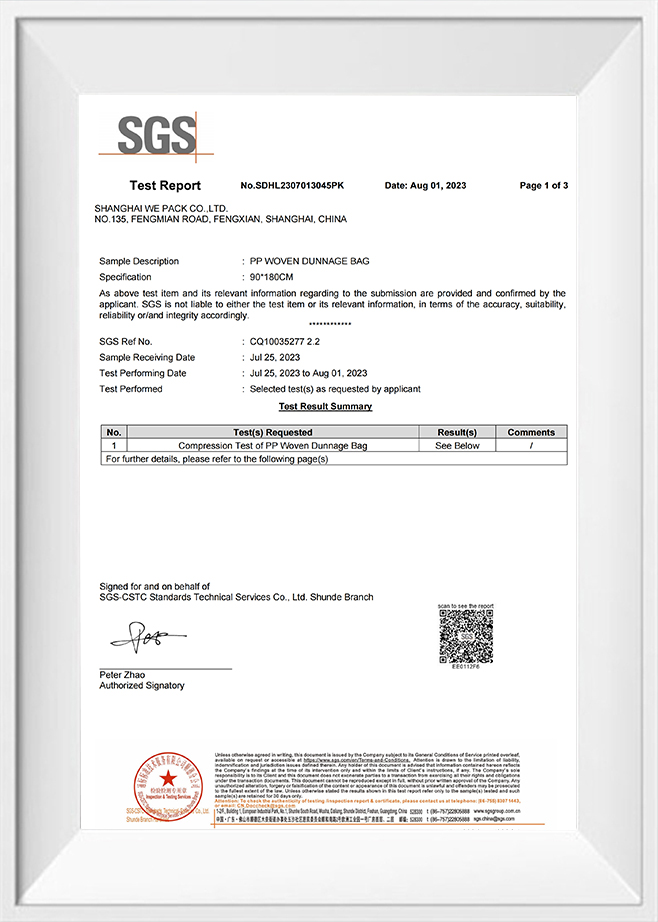
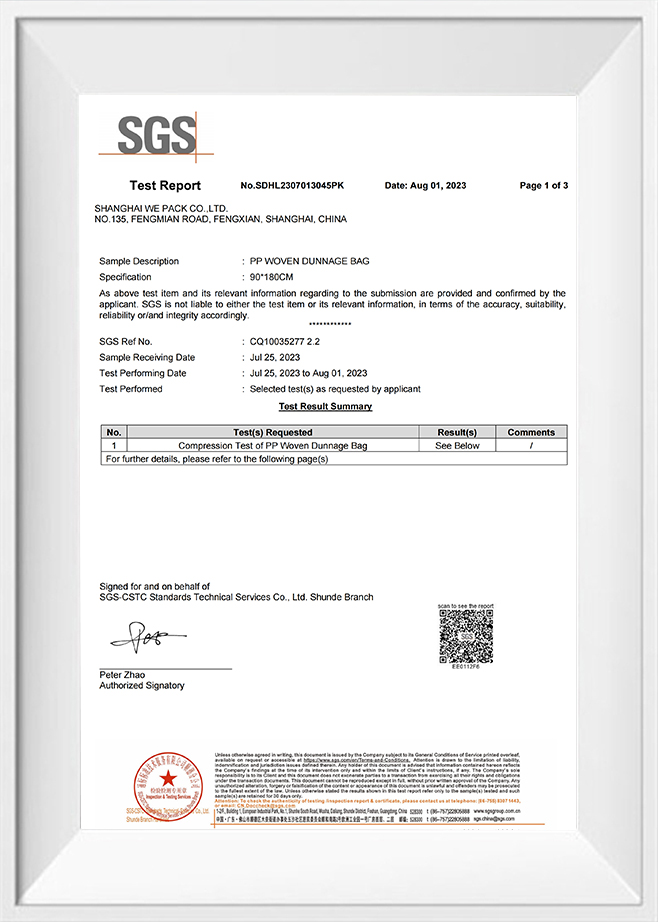
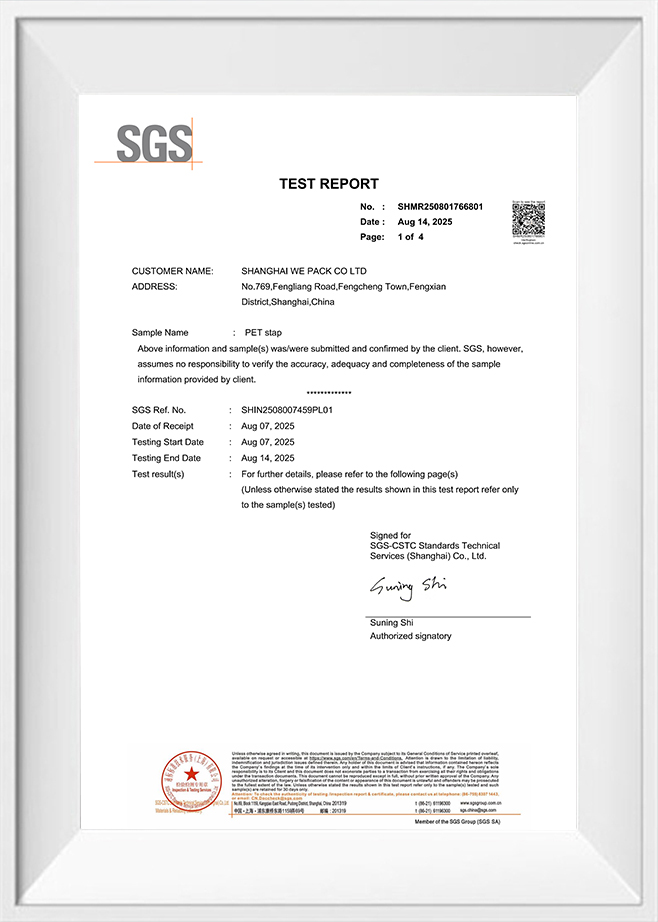
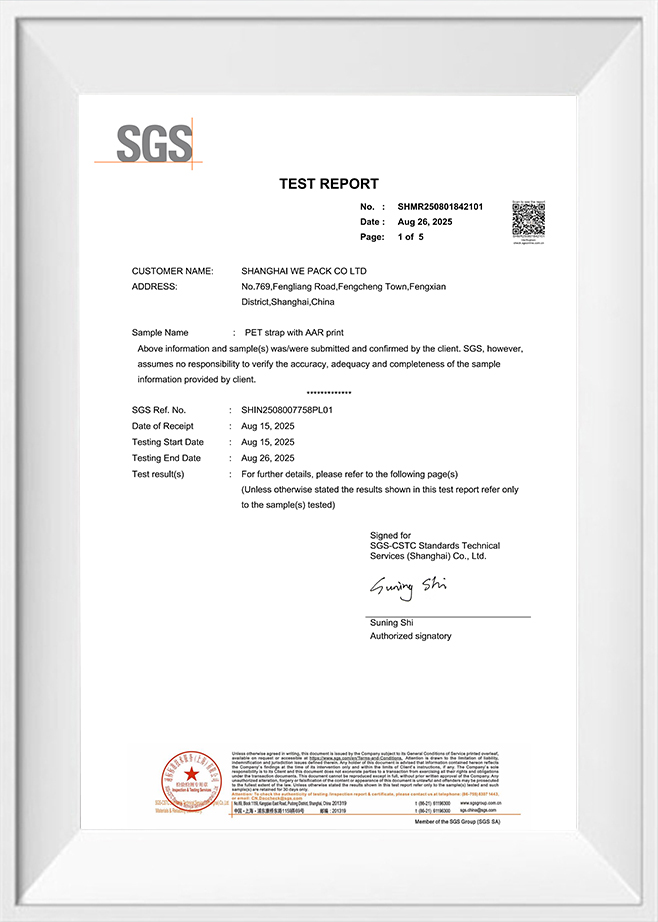
All We Pack products comply with AAR, SGS, TUV, and other international transport test standards. We support OEM / ODM customization, offering product design and free packaging solution planning based on cargo type, loading method, load requirements, budget, and printing needs—helping customers reduce total logistics costs by 15–30% while ensuring transport safety.
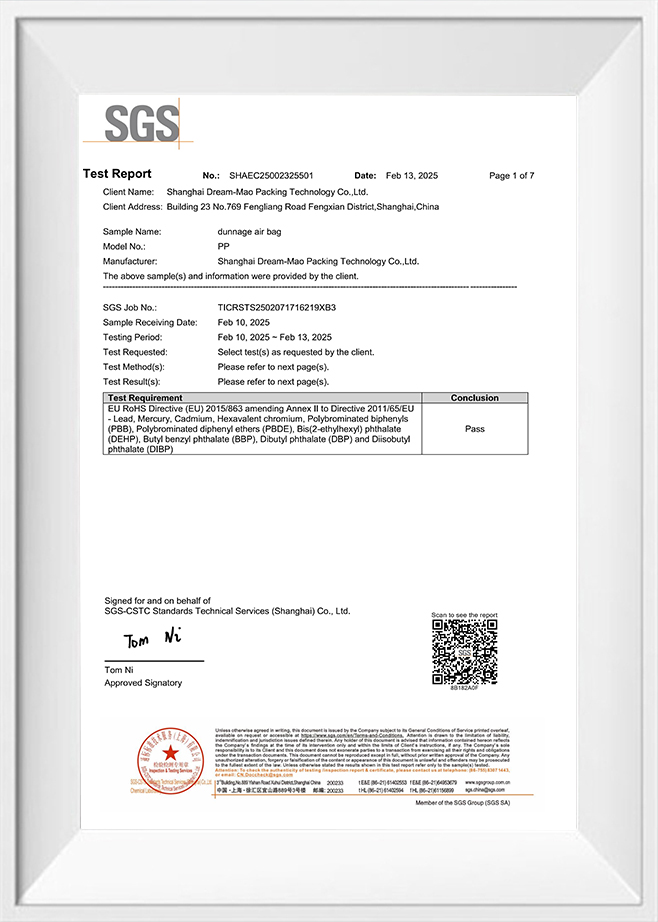
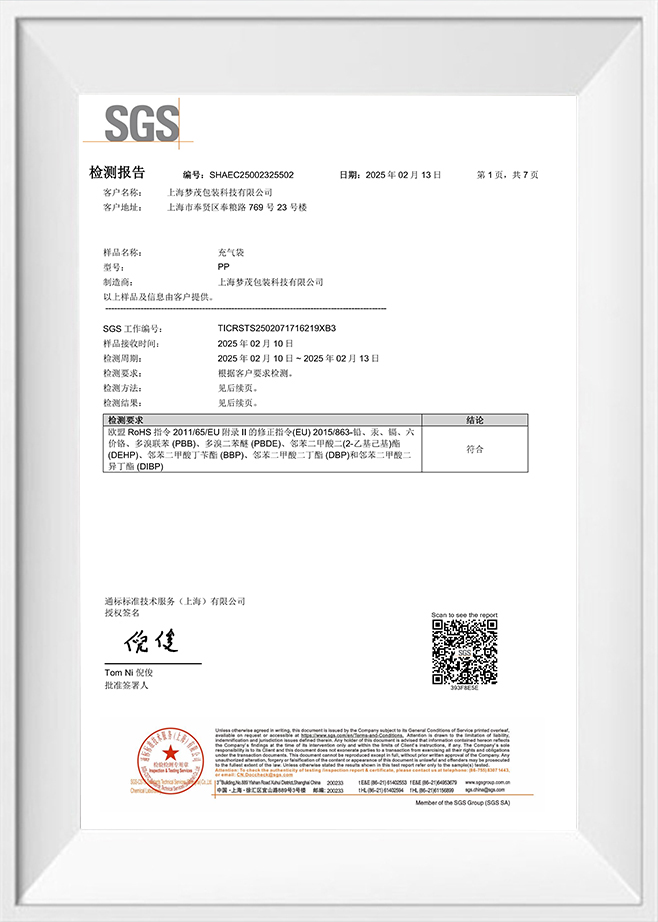
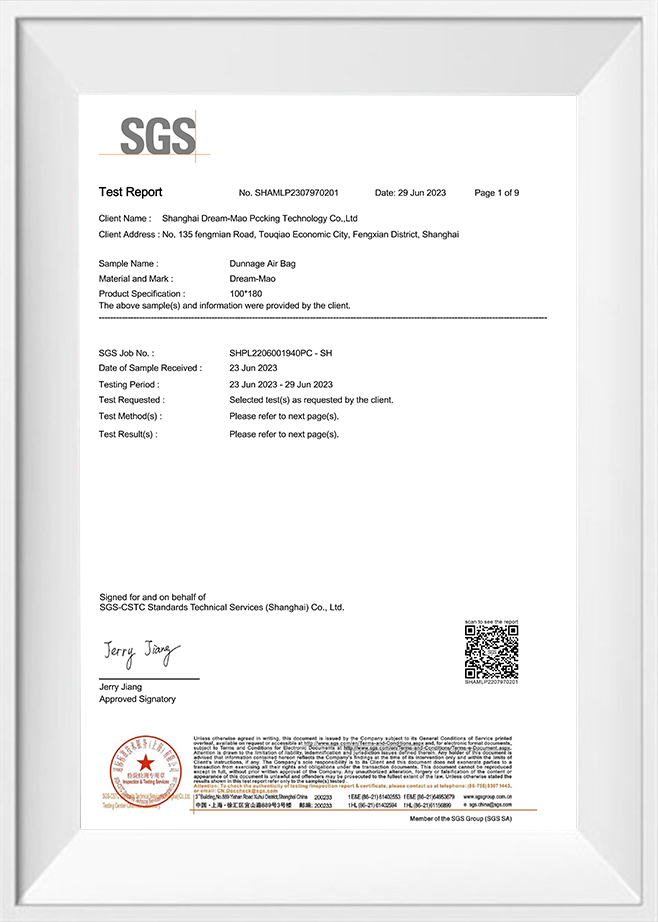
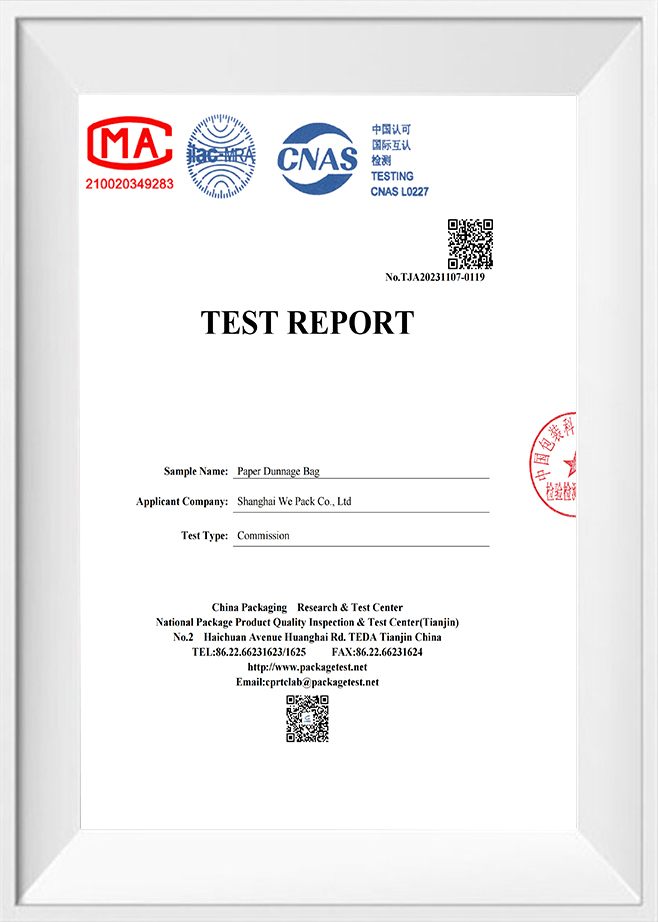
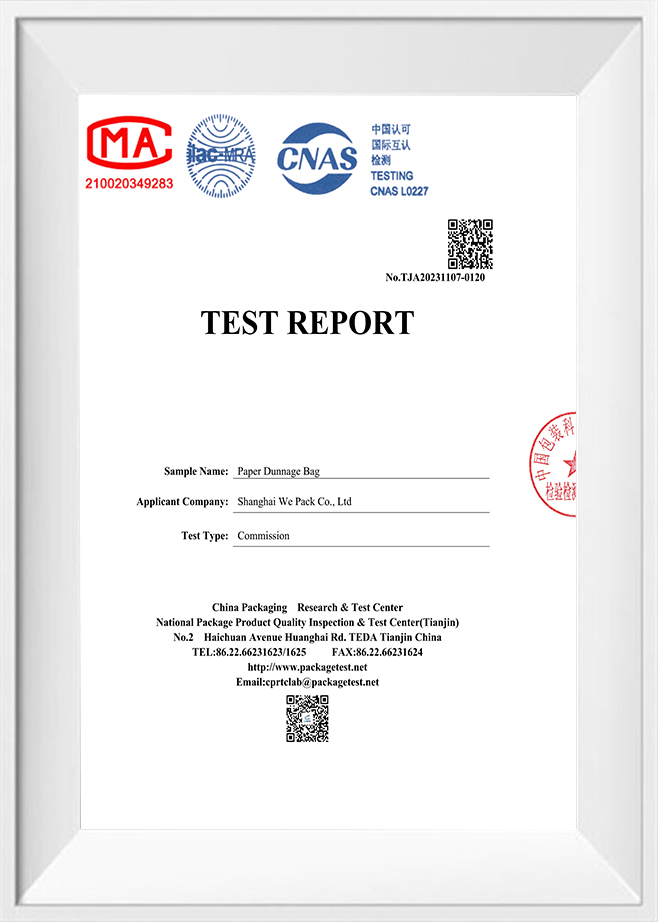
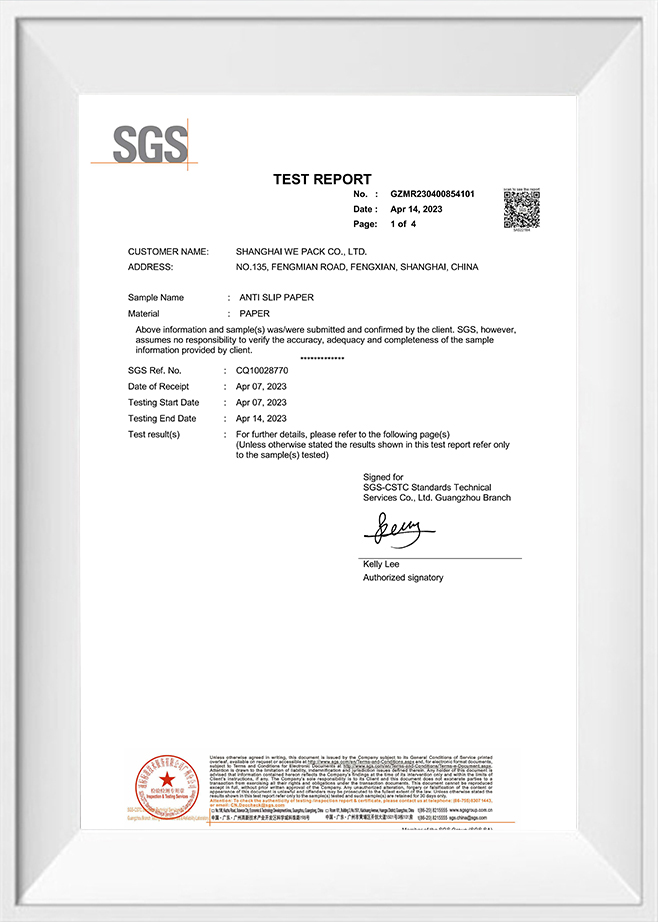
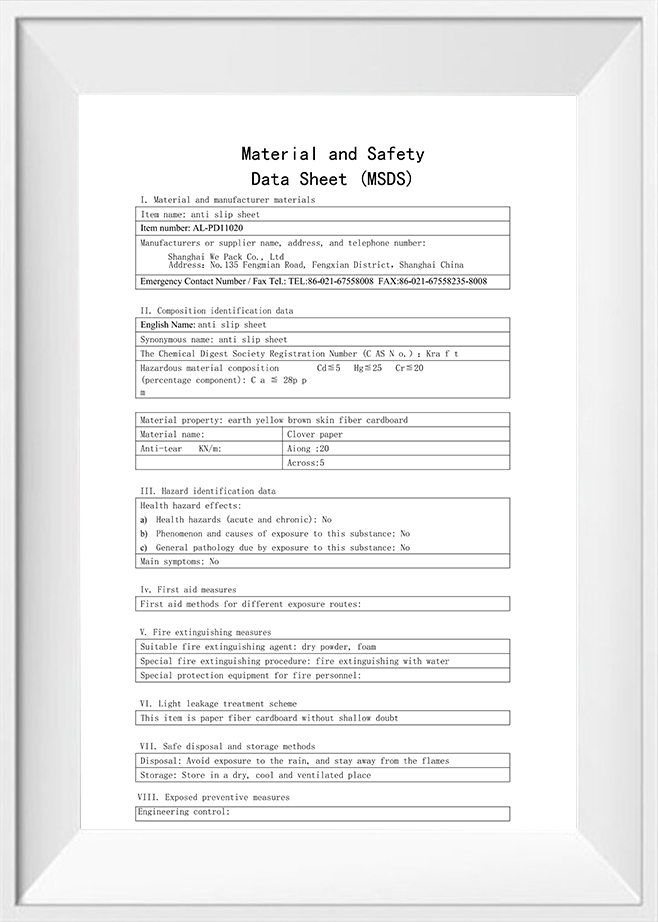
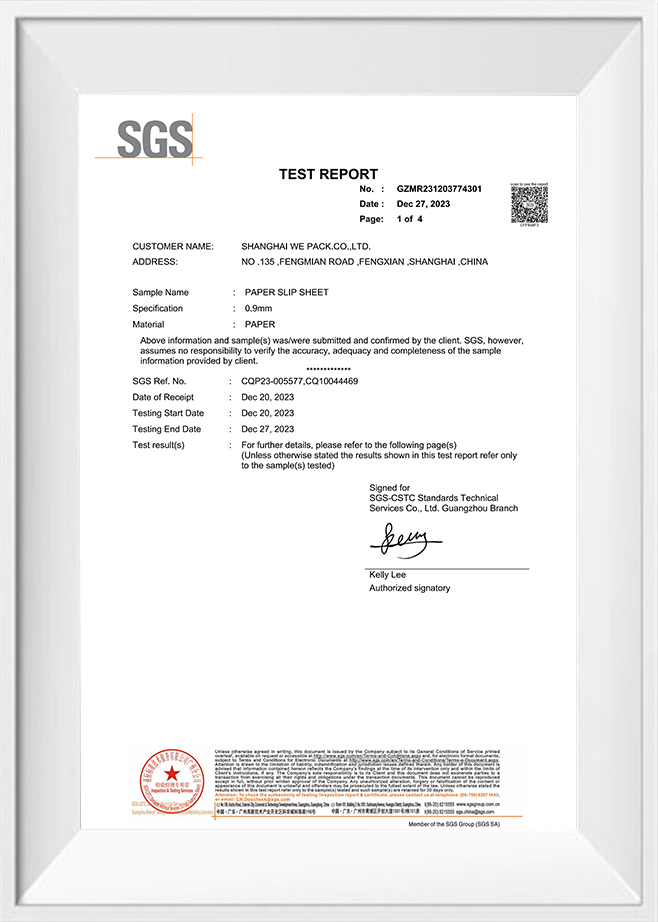
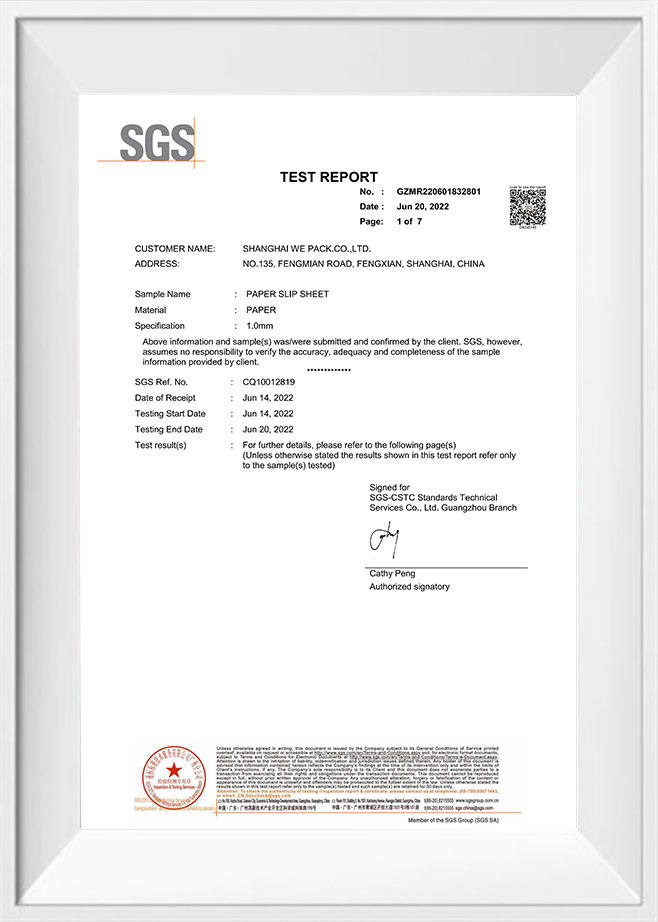
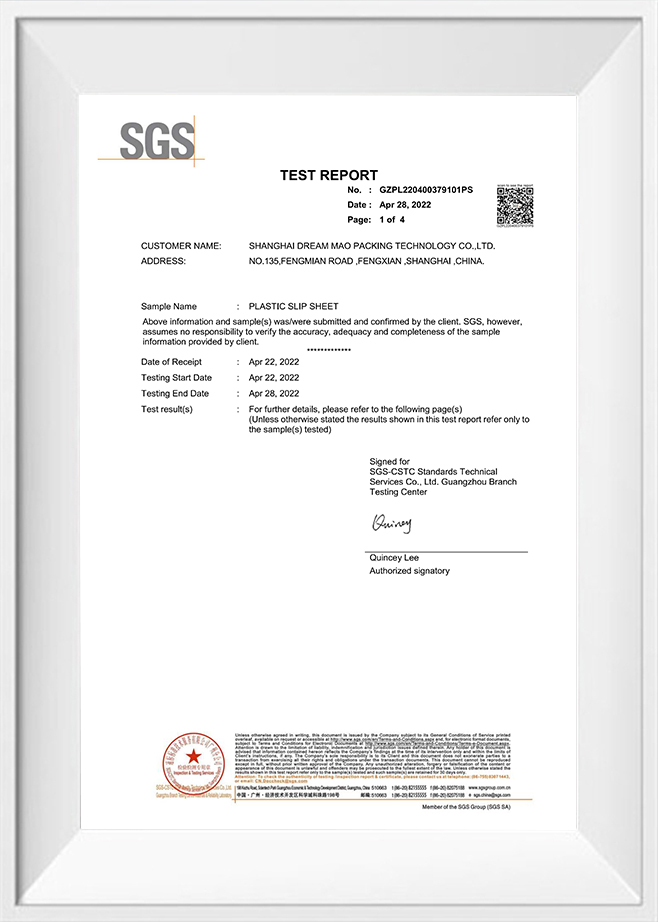
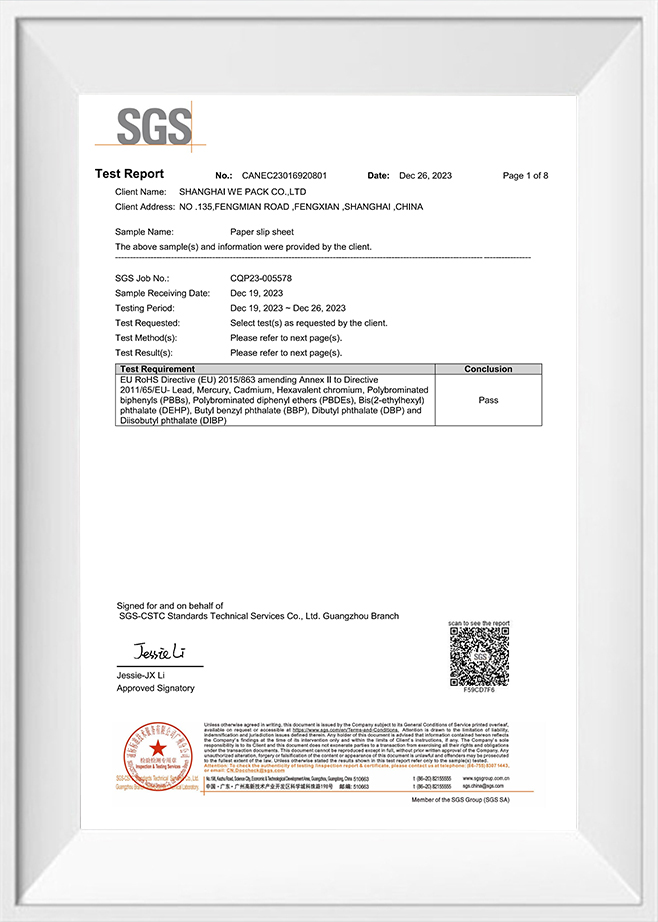
Certificate
Certificate of Honor
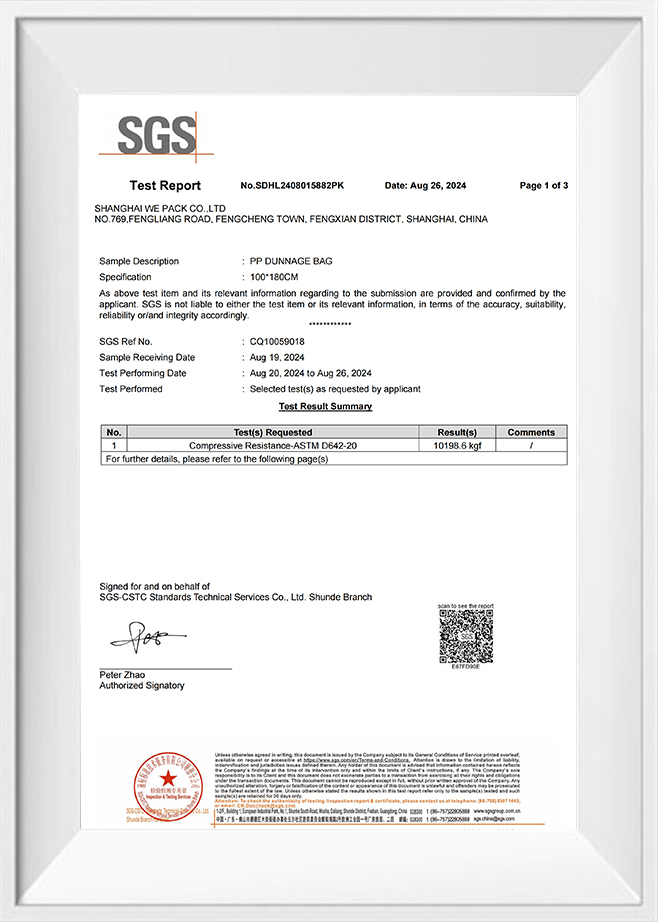
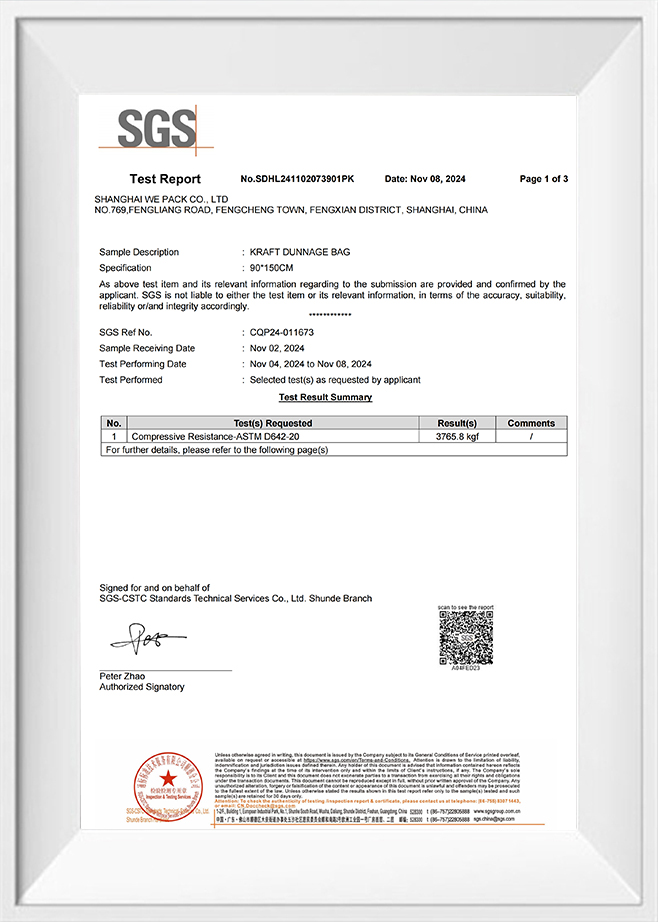
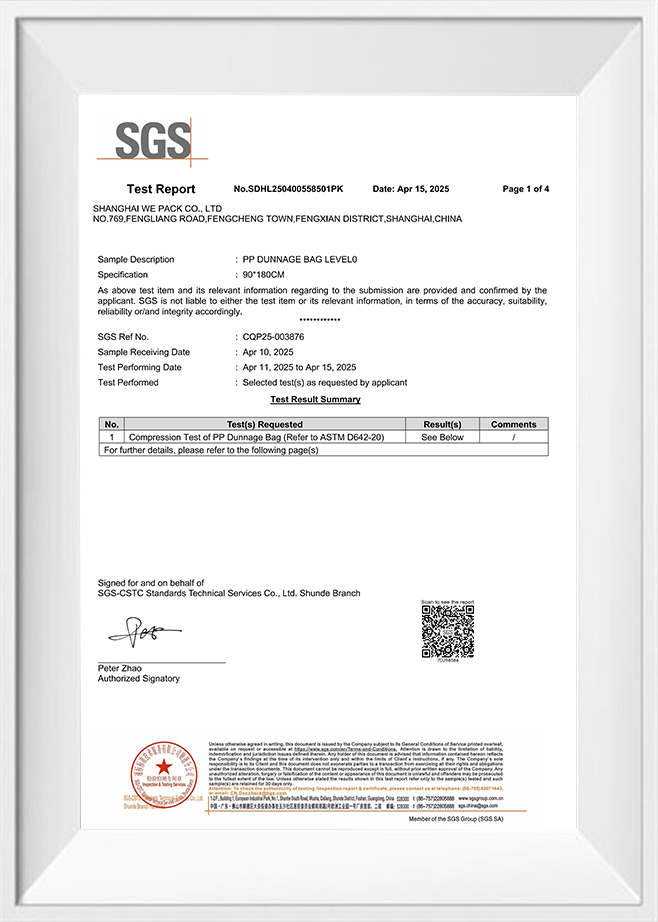
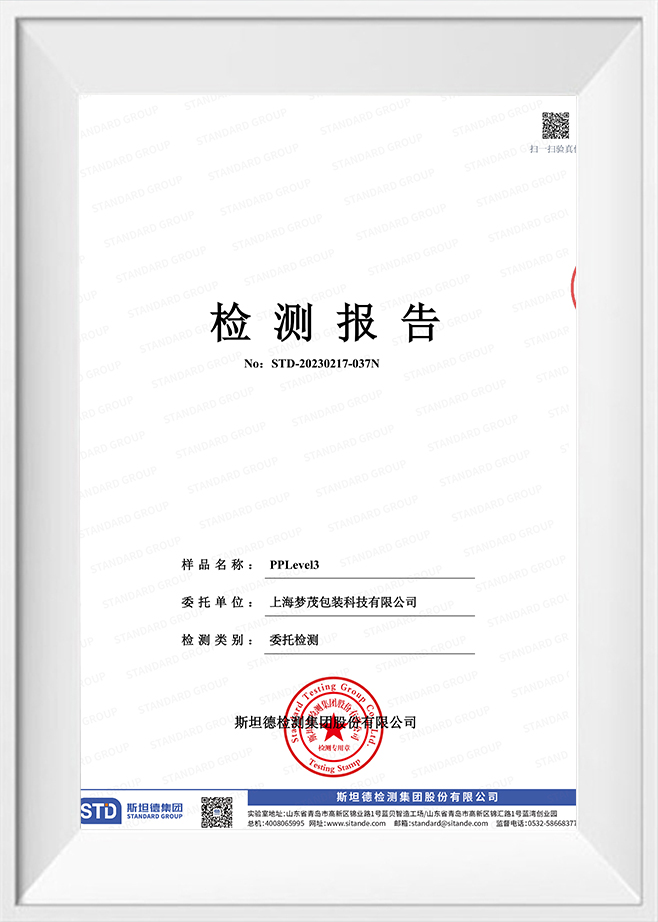
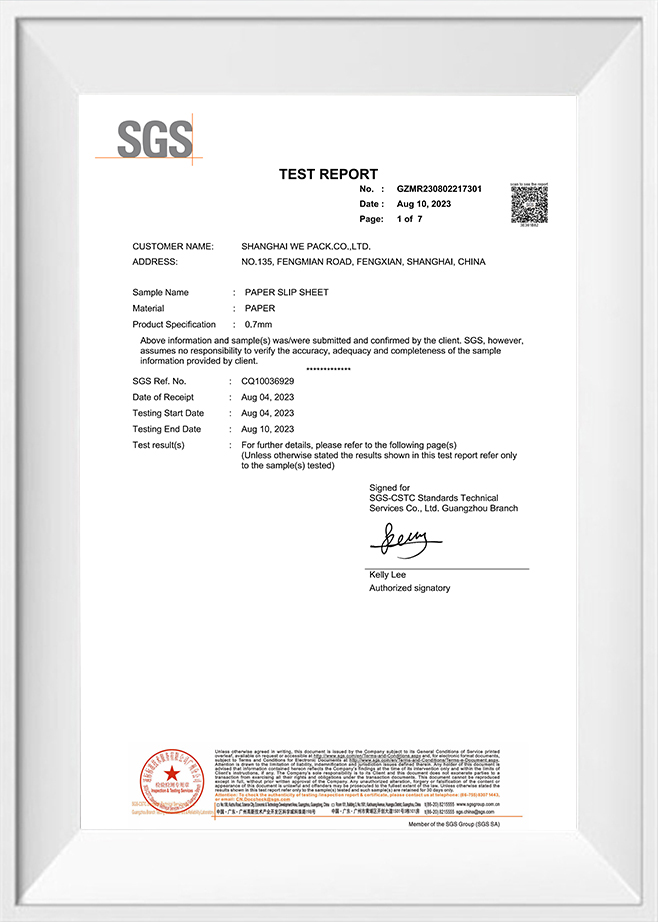
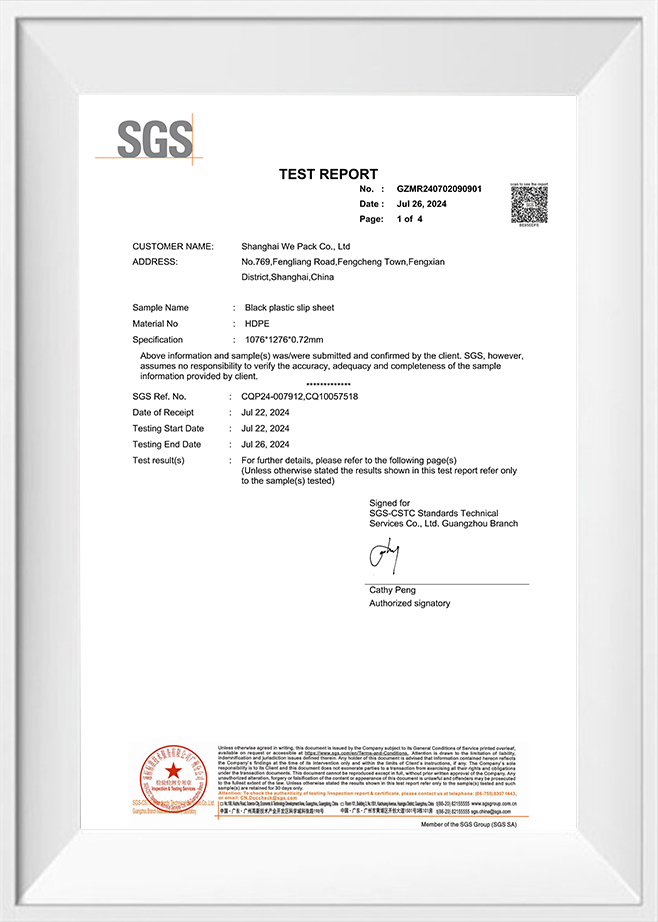
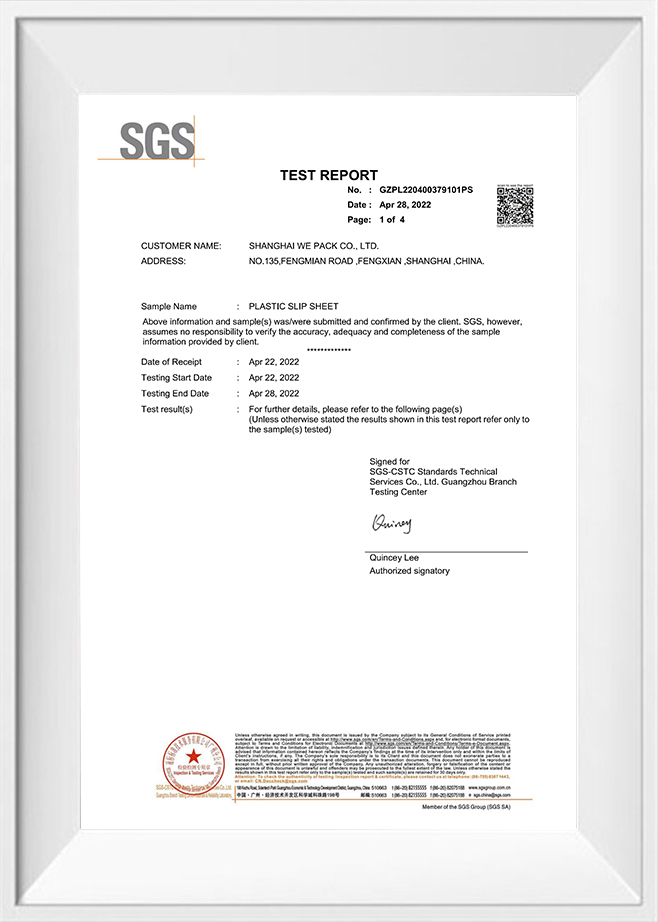
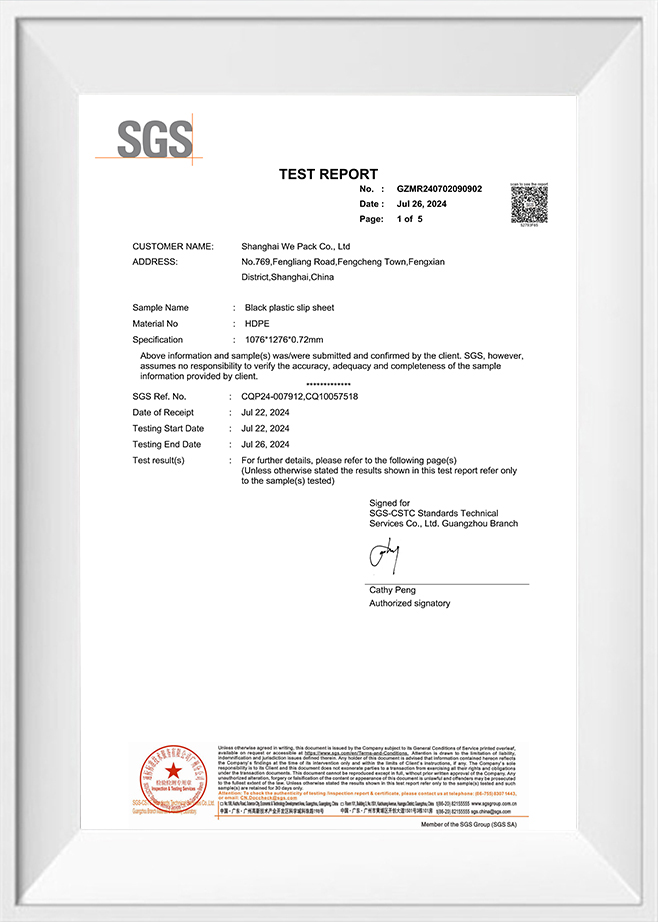
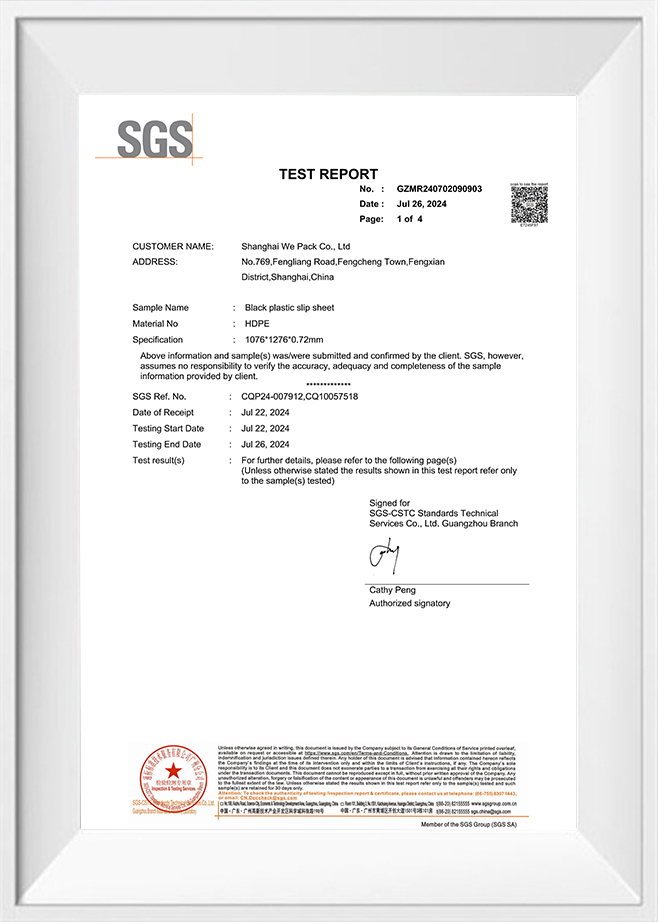
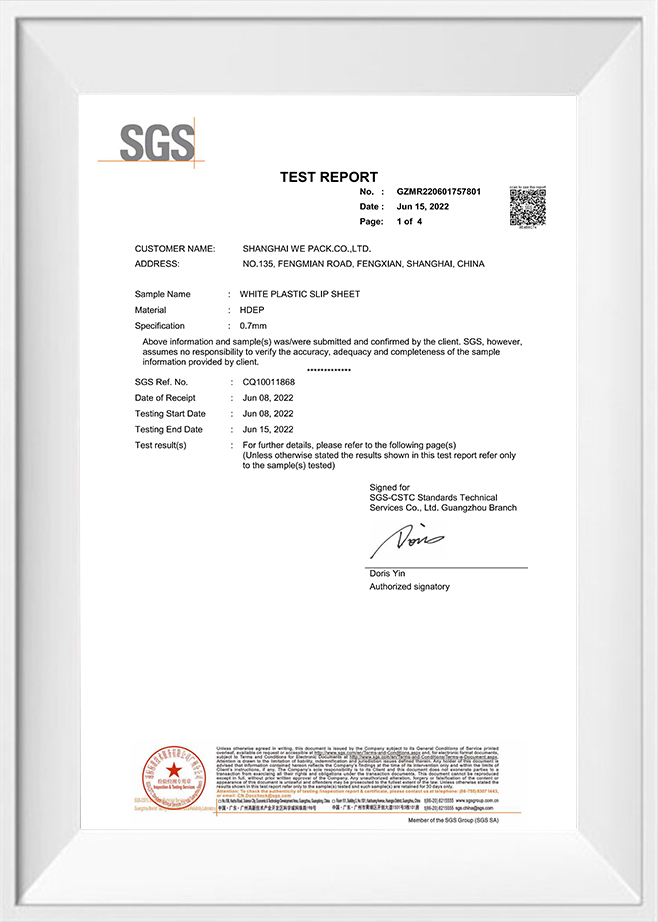

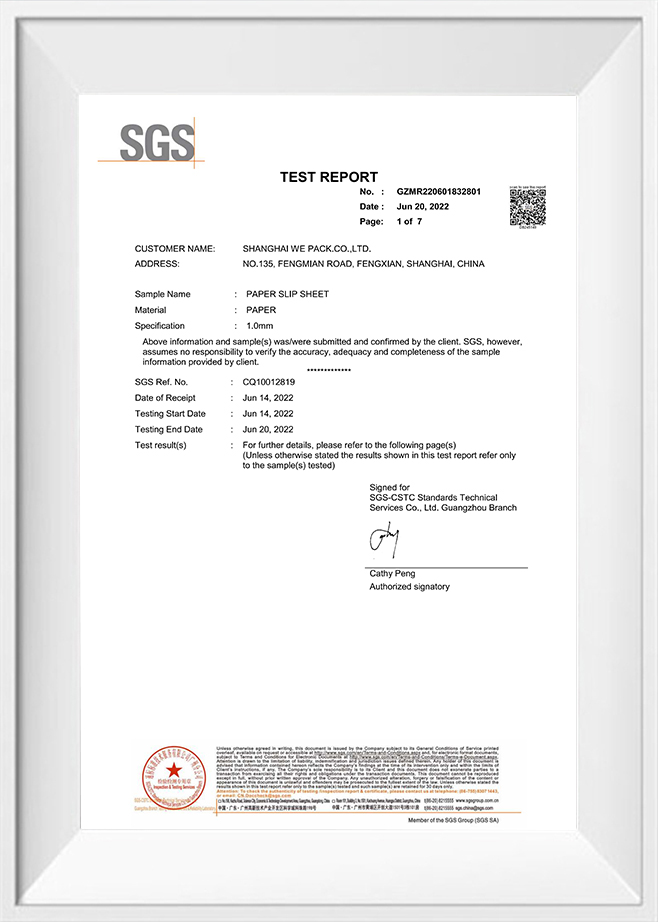
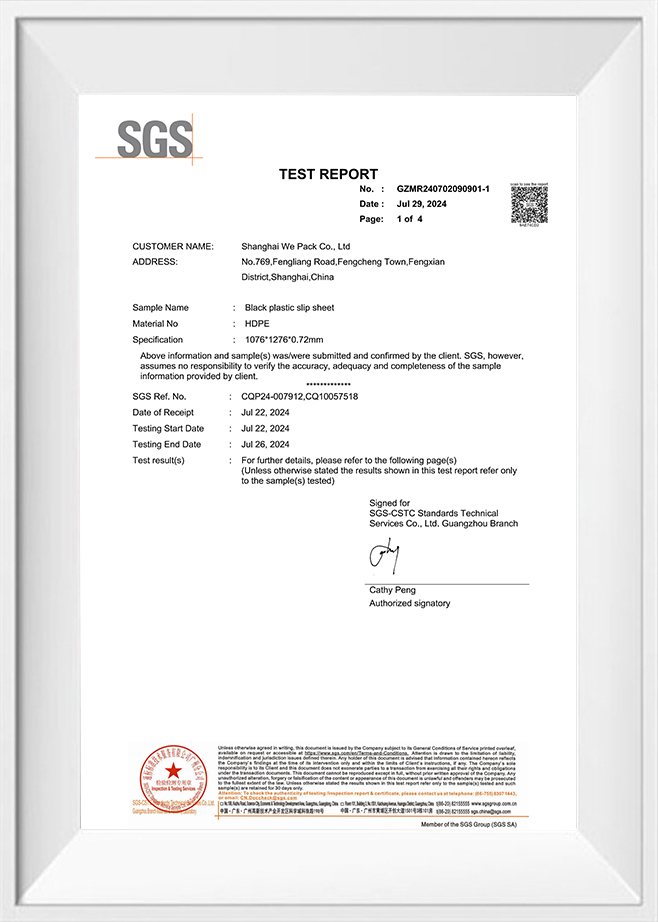
WHAT WE
HAPPENED
Checkout Our Current
News
Industry knowledge
PET/Steel Strap Buckle Manufacturing and Supply Positioning
Shanghai We Pack Co., Ltd. manufactures PET/Steel strap buckles — flat, stamped steel seals that close PET plastic strapping and light-duty steel strapping. We produce them inside a wider cargo securing and transport protection range, so a project can be quoted with strap, buckle, corner protection, void fill and strapping tools from one manufacturing and supply chain.
The company operates a 10,000 m² facility with 9 production lines, 120 employees and dedicated R&D, testing and quality control teams. Buckle production runs through that system: incoming steel strip inspection, stamping, tab forming, coating, sorting and final packing are controlled stage by stage so the finished seal performs in real transport conditions, not only on a bench.
- Product family: PET/Steel strap buckles — steel seals and friction clips for PET strapping and light-duty steel strapping.
- Related securing products: PET packing strap, PP strap, composite strap, polyester woven strap and ratchet tie downs.
- Tools: manual, pneumatic, battery and electric strapping tools, tensioners and crimpers.
- Customization: OEM/ODM on size, steel gauge, coating, tab configuration, printing and packing.
- Compliance: products tested against AAR, SGS and TUV transport standards, with an ISO 9001 management system behind them.
How a Stamped Steel Buckle Closes a PET Strap
The buckle is placed over two overlapping strap ends and crimped. Its pre-formed tabs are pressed down and deform into the strap surface, locking the ends together and holding the tension the tensioner applied.
- The strap is tensioned around the load with a tensioner.
- The buckle is positioned over both strap ends.
- A hand or pneumatic crimping tool compresses the tabs.
- The deformed tabs grip the strap and form a mechanical joint.
- The strap tail is cut; the joint continues to hold tension in transit.
Because the joint is mechanical, it stays serviceable. A formed buckle can be cut off and the strap re-closed with a new buckle, which is one reason steel buckles remain the default closure for palletized goods, cartons and medium-duty industrial bundles where repeatability and cost per unit matter more than the highest achievable joint strength.
Configuration Options Across the Buckle Range
Buckles are not interchangeable across strap sizes. The variables below are the ones we confirm before a specification is fixed, because each one changes how the joint behaves under load.
| Configuration Variable | Options We Produce | Effect on the Securing System |
|---|---|---|
| Strap width match | Buckle sized to the PET strap width in use | Determines whether the strap seats flat and both ends sit under the tabs |
| Steel gauge | Lighter and heavier stamped thicknesses | Influences tab stiffness, crimp force required and joint holding strength |
| Surface finish | Zinc-plated (galvanized) or painted steel | Corrosion protection for humid, coastal and ocean freight conditions |
| Tab geometry | Number and position of pre-formed tabs, smooth or serrated contact | Controls grip on the strap surface and resistance to strap pull-out |
| Buckle format | Open seal and friction clip styles | Fits manual, pneumatic and battery crimping tools |
| Edge and burr control | Deburred, rounded edges | Protects the strap from nicking and operators from cuts during manual strapping |
| Marking | Printed or embossed brand, size or batch code | Traceability and distributor branding on the finished seal |
| Packing | Bulk cartons, counted bags, private-label packs | Matches warehouse handling, line-side feeding and distributor resale |
Application Fit by Cargo Type and Load Duty
Buckle selection follows the load. A pallet of cartons secured with light PET strap behaves differently from a coil or a bundle of steel sections, and the seal has to suit the strap, the tension and the tool that closes it.
- Palletized cartons and consumer goods: medium-duty PET strap with standard steel buckles, closed by manual or battery tools.
- Brick, block and bagged material: heavier PET strap with higher-gauge buckles and pneumatic crimping for cycle rate.
- Metal sections, pipe and timber bundles: high-tensile PET or steel strap, with buckles sized to strap width and joint load.
- Coils and heavy machinery parts: strap and buckle combined with edge protection and, where voids remain, Dunnage Bag void filling.
- Export and ocean freight: zinc-plated or painted buckles where humidity and container condensation are present.
On a typical export load the buckle sits between the strap, the corner protection and the void-fill or anti-slip materials. We plan the closure as part of that system rather than as a standalone item, which is why the same project often combines buckles with corner protectors, slip sheets and dunnage.
Matching Buckles to PET Strap and Crimping Tools
The buckle must match the strap width and thickness, and the crimping tool must match the buckle. A seal that is too wide lets the strap wander under the tabs; one that is too narrow will not sit flat over both strap ends. Tab stiffness and steel gauge determine how much crimp force is needed, so the tool is part of the specification conversation.
- Manual tools: hand tensioners and crimpers for low to medium volume, service work and field packing.
- Pneumatic tools: higher cycle rates for production lines and fixed packing stations.
- Battery and electric tools: cordless strapping for large pallets and mixed loads.
- Crimper matching: jaw profile and closing force must suit the buckle format and tab count.
We supply buckles together with PET Packing Strap and the Packaging Tool range that closes it, so strap, buckle and tool are specified as one working set. That removes the mismatch that otherwise appears later as slipping joints, crushed tabs or strap breakage at the seal.
Steel Grade, Coating and Corrosion Performance
Buckles are stamped from steel strip and finished with a zinc-plated (galvanized) or painted surface. The finish is the main defence against rust during storage, inland transport and ocean freight, where condensation inside a container can attack bare steel within days.
- Zinc-plated or galvanized: general-purpose corrosion protection for humid and coastal routes.
- Painted: colour-coded or branded finish where appearance and identification matter.
- Deburred edges: reduce strap nicking and handling injuries during manual strapping.
- Consistent tab forming: keeps crimp force predictable from one production batch to the next.
Quality Control and Acceptance Testing
Buckle quality is judged at the joint, not on the buckle alone. Our control points cover incoming steel strip, stamping dimensions, tab forming, coating coverage, edge condition and final packing, supported by in-house laboratory checks and third-party verification through SGS and TUV where a project calls for it.
- Incoming material: steel grade, thickness and surface condition checked before stamping.
- In-process: stamping dimensions, tab geometry and burr control monitored through the run.
- Coating: zinc or paint coverage and adhesion verified on finished parts.
- Joint performance: where a project requires documented holding strength, strap and buckle samples are tested as an assembly rather than separately.
- Documentation: test reports, certificates and batch records can accompany the shipment.
- Systems: ISO 9001 management, with products tested against AAR, SGS and TUV transport standards.
Information We Use to Configure Your Solution
A workable buckle specification comes from a short set of project inputs. We use these to select the buckle format, steel gauge, coating and packing, and to prepare an accurate quotation.
- Strap details: PET or steel strap, width, thickness, tensile grade and brand if already fixed.
- Load details: cargo type, unit weight, pallet or bundle dimensions, number of straps per unit.
- Securing method: manual, pneumatic, battery or automatic strapping, including tensioner and crimper models.
- Environment: indoor storage, road, rail or ocean freight, and expected humidity or condensation exposure.
- Joint requirement: holding strength or acceptance criteria the closure has to meet.
- Marking: printed or embossed brand, size, batch code or distributor label.
- Packing: bulk carton, counted bag, private-label pack and pallet configuration.
- Volume and schedule: trial quantity, repeat order pattern, delivery destination and trade terms.
OEM/ODM Customization, Packing and Delivery Scope
We support OEM and ODM work on the PET/Steel Strap Buckle manufacturer range: strap-width matching, steel gauge, coating type, tab configuration, printed or embossed marking and private-label packing. Trial quantities from 100 pieces are supported alongside volume orders, and packaging solution planning is provided at no charge based on cargo type, loading method, load requirement, budget and printing needs.
Buckles ship in counted cartons or bags, palletized for container loading, with batch identification for traceability. The factory sits close to Shanghai Port and Pudong International Airport, so export consignments move on short inland legs before the sea or air leg begins.
Frequently Asked Questions
What is a PET/Steel strap buckle used for?
It closes PET plastic strapping and light-duty steel strapping. The buckle is placed over two overlapping strap ends and crimped, so the tabs grip the strap and hold the tension applied by the tensioner. Typical uses are palletized cartons, brick and block, metal and timber bundles, and medium-duty industrial loads.
Can one buckle size fit different PET strap widths?
No. The buckle has to match the strap width and thickness. A seal that is too wide lets the strap shift under the tabs, and one that is too narrow will not sit flat over both strap ends. We confirm the strap specification before quoting a buckle size.
Do you supply the strap and crimping tools as well?
Yes. PET packing strap and the strapping tools that close it — manual, pneumatic, battery and electric — are part of the same range, so strap, buckle and tool are specified as one working set rather than sourced separately.
Which coating suits ocean freight?
Zinc-plated or painted steel is the usual choice where humidity and container condensation are present. The finish protects the stamped steel during storage and transit, and the level required depends on the route, transit time and how the buckles are packed.
Do you offer custom sizes and printed buckles?
We support OEM/ODM customization on size, steel gauge, coating, tab configuration and marking, including printed or embossed brand and batch information, with private-label packing for distributors and trading partners.
What information is needed for a quotation?
Strap type, width and thickness; load weight and cargo type; the tensioner and crimper in use; transport mode and environment; marking and packing requirements; and order volume with delivery destination. With those inputs we confirm the buckle format and prepare the quotation.

PRODUCT
CONTACT INFO
-
 +86-137 7421 9489
-
 +86-021-67558008
-
 [email protected]
-
 No.769 ,23# building, Fengliang Road,Fengcheng town,Fengxian District,Shanghai,China
MOBILE QR CODE

