
 Español

Home / News / Industry News / PVC Dunnage Bag Basics: How to Keep Your Cargo Safe and Secure During Shipping
Industry News


PVC Dunnage Bag Basics: How to Keep Your Cargo Safe and Secure During Shipping
 2026.07.22
 Industry News
Content
- 1 What Is a PVC Dunnage Bag and Why It's Essential for Cargo Protection
- 2 How PVC Dunnage Bags Work to Secure Cargo
- 3 Common Types of PVC Dunnage Bags
- 4 Comparing Dunnage Bag Types by Application
- 5 Key Benefits of Using PVC Dunnage Bags for Shipping
- 6 Best Practices for Installing PVC Dunnage Bags
- 7 Choosing the Right Size and Strength for Your Shipment
- 8 Is a PVC Dunnage Bag the Right Choice for Your Shipping Needs?
What Is a PVC Dunnage Bag and Why It's Essential for Cargo Protection
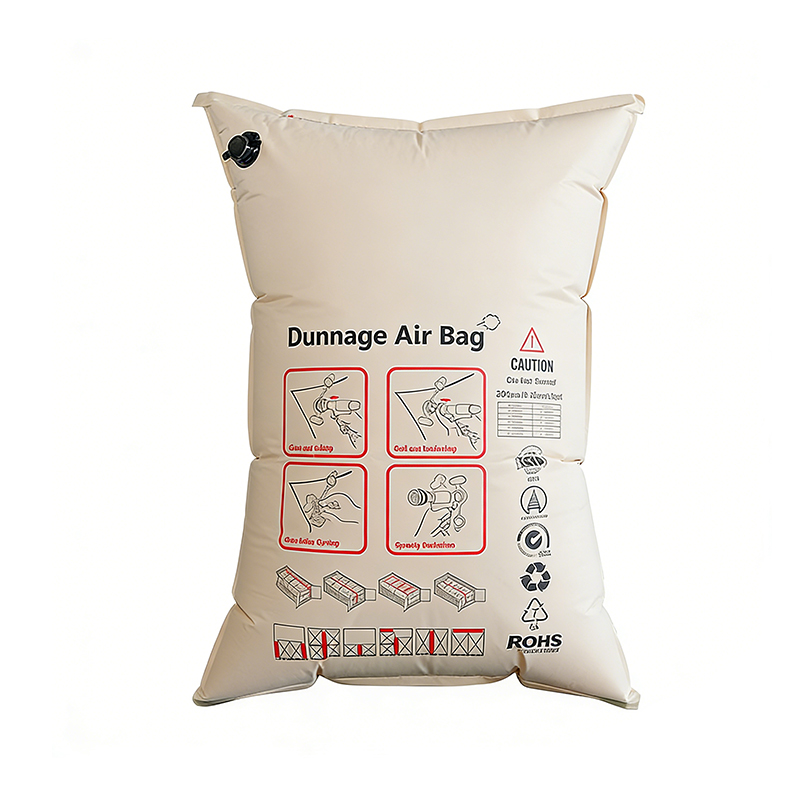
A PVC dunnage bag is an inflatable air cushion placed between cargo, or between cargo and the walls of a shipping container, truck, or railcar, to fill empty space and prevent goods from shifting during transit. Made from durable, multi-layer PVC material, these bags are inflated using compressed air, typically through a valve compatible with standard air compressor fittings, and act as a shock-absorbing buffer that keeps loads tightly secured against sudden stops, vibrations, and turns during transportation. Without proper void-filling protection like a dunnage bag, cargo can shift, collide, and sustain significant damage, leading to costly product losses and potential safety hazards for handlers unloading the shipment.
As global shipping and logistics operations continue to demand more reliable and cost-effective cargo securing methods, PVC dunnage bags have become a standard solution across industries ranging from food and beverage to automotive parts and industrial equipment. Understanding how these bags work, the different types available, and best practices for proper use can help shippers reduce damage claims and improve overall cargo security.
How PVC Dunnage Bags Work to Secure Cargo
PVC dunnage bags function by being placed into the gaps between palletized or loose cargo and then inflated to fill that empty space completely. As the bag inflates, it expands to press firmly against surrounding cargo, creating a cushioning barrier that absorbs the shocks and vibrations common during rail, truck, and ocean container transport. This inflated buffer prevents boxes, pallets, or drums from shifting, tipping, or crashing into each other or the container walls, which is especially important during sudden braking, sharp turns, or the rough handling that can occur when containers are loaded onto ships or railcars.
Common Types of PVC Dunnage Bags
Dunnage bags are manufactured in different constructions and sizes to match various load requirements and void space dimensions.
Single-Layer PVC Dunnage Bags
Single-layer PVC dunnage bags offer a cost-effective option for lighter loads and smaller void spaces. While they provide adequate cushioning for many general shipping applications, they typically have lower pressure tolerance and are best suited for lighter cargo or shorter transit distances where extreme stress on the bag is less likely.
Multi-Layer PVC Dunnage Bags
Multi-layer PVC dunnage bags combine several layers of PVC film, sometimes reinforced with woven polypropylene, to create a stronger, more puncture-resistant bag capable of handling heavier loads and higher internal pressures. These bags are the preferred choice for protecting heavier palletized goods, industrial equipment, and cargo traveling longer distances where the risk of shifting and impact is greater.
Kraft Paper and PVC Combination Bags
Some dunnage bags combine an outer kraft paper layer with an inner PVC air bladder, offering a balance of cost efficiency and moderate durability. These are often used for lighter to medium-weight cargo where full multi-layer PVC construction may not be necessary.
Comparing Dunnage Bag Types by Application
Choosing the right dunnage bag depends on your cargo weight, void space size, and shipping distance. The table below offers a general comparison to guide selection.
| Bag Type | Best For | Load Capacity |
| Single-Layer PVC | Light cargo, short transit | Low to Moderate |
| Multi-Layer PVC | Heavy palletized goods, long transit | High |
| Kraft Paper/PVC Combo | Light to medium cargo | Moderate |
Key Benefits of Using PVC Dunnage Bags for Shipping
Incorporating PVC dunnage bags into standard shipping practices offers several practical advantages for logistics and warehouse operations.
- Reduced product damage claims by preventing cargo from shifting, tipping, or colliding during transit.
- Cost-effective alternative to wooden bracing or metal strapping, since dunnage bags require less labor and material to install.
- Lightweight and easy to handle, allowing warehouse staff to quickly position and inflate bags without heavy equipment.
- Recyclable material options that support sustainability goals compared to single-use wooden dunnage.
- Versatile sizing options that can be adapted to fit a wide range of void space dimensions across different container and trailer types.

Best Practices for Installing PVC Dunnage Bags
Proper installation is critical to ensuring dunnage bags perform effectively throughout transit. Before inflating, position the bag centrally within the void space, making sure it will expand evenly against surrounding cargo rather than pressing unevenly against one side. Inflate the bag gradually while monitoring surrounding cargo, stopping once the bag has filled the void space snugly without placing excessive pressure on fragile packaging or containers. It's also important to avoid overinflating the bag beyond the manufacturer's recommended pressure rating, since doing so increases the risk of bag rupture during transit, which could result in cargo shifting unexpectedly. After installation, a final visual check to confirm the bag is properly seated and cargo is secure helps reduce the likelihood of load shifting once the shipment is in motion.
Choosing the Right Size and Strength for Your Shipment
Selecting the appropriate PVC dunnage bag size and strength depends on several factors specific to your shipment. Measuring the void space accurately before ordering helps ensure the bag will properly fill the gap without being too small to provide adequate cushioning or too large to fit without excessive force. Cargo weight and fragility should also guide the choice between single-layer and multi-layer construction, since heavier or more fragile goods generally require the added strength and puncture resistance that multi-layer bags provide. Additionally, considering the mode of transport, whether by truck, rail, or ocean container, can influence bag selection, since ocean freight often involves more prolonged vibration and rougher handling conditions that call for higher-strength dunnage options.
Is a PVC Dunnage Bag the Right Choice for Your Shipping Needs?
PVC dunnage bags offer a practical, cost-effective, and reliable solution for securing cargo during transport, helping reduce product damage and minimize costly shipping claims. Whether you're shipping palletized goods by truck, rail, or ocean container, choosing the right dunnage bag type and size, paired with proper installation practices, can significantly improve cargo stability throughout the shipping process. By understanding the differences between single-layer, multi-layer, and combination dunnage bags, shippers can select the option that best matches their cargo weight, fragility, and transit conditions, ultimately protecting both their products and their bottom line.
Related Products



PRODUCT
CONTACT INFO
-
 +86-137 7421 9489
-
 +86-021-67558008
-
 [email protected]
-
 No.769 ,23# building, Fengliang Road,Fengcheng town,Fengxian District,Shanghai,China
MOBILE QR CODE
Copyright © Shanghai We Pack Co., Ltd. All Rights Reserved.
Cargo Securing Solutions Cargo Transport Protection Solutions

