
 Español

Home / News / Industry News / L-Shaped Paper Corner Protector: A Simple Fix for Damaged Package Corners
Industry News


L-Shaped Paper Corner Protector: A Simple Fix for Damaged Package Corners
 2026.07.30
 Industry News
If you've ever shipped furniture, glass panels, artwork, or stacks of boxed goods, you already know that corners are the most vulnerable part of any package. A single bump during transit can crush an edge, dent a surface, or crack a fragile item beyond repair. This is exactly why the L-shaped paper corner protector has become a go-to solution for warehouses, moving companies, and e-commerce sellers alike. It's lightweight, inexpensive, and surprisingly effective at absorbing impact and distributing pressure evenly across a package's most exposed points.
Content
- 1 What Exactly Is an L-Shaped Paper Corner Protector
- 2 Why Businesses Rely on Paper Corner Protectors
- 3 Common Industries and Use Cases
- 4 Choosing the Right Size and Thickness
- 5 How to Apply Corner Protectors Correctly
- 6 Comparing Paper Protectors to Other Corner Guard Materials
- 7 Sustainability and Cost Benefits
- 8 Final Thoughts on Choosing a Corner Protector
What Exactly Is an L-Shaped Paper Corner Protector
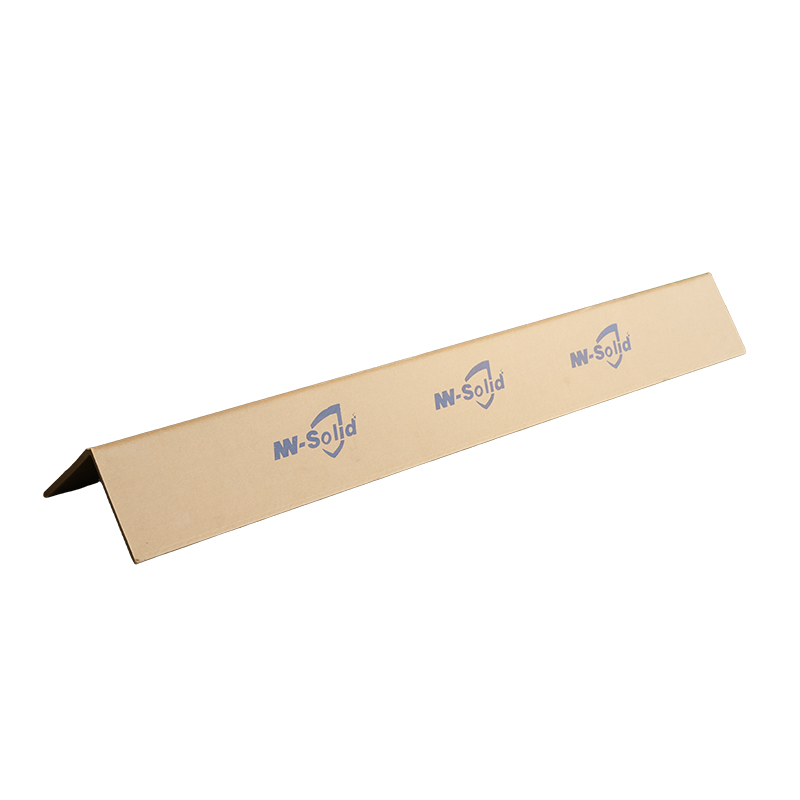
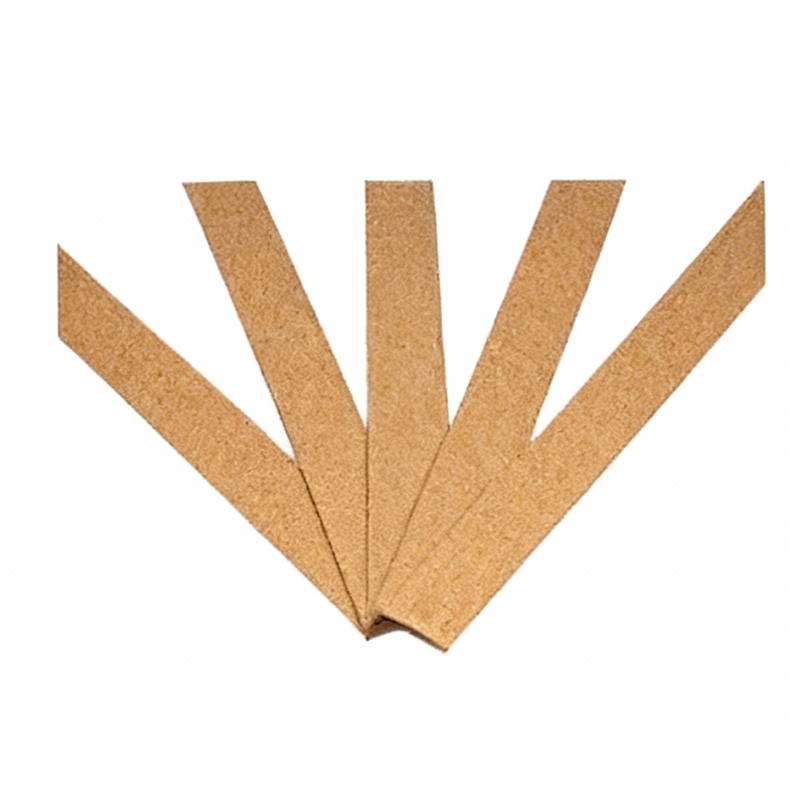
An L-shaped paper corner protector, sometimes called a paper edge guard or corner board, is a rigid strip of compressed paperboard folded into a 90-degree angle. This angle mirrors the shape of a box corner or the edge of a flat object, allowing it to slide directly over the vulnerable point and reinforce it from two sides at once. Unlike foam or plastic corner guards, these protectors are made almost entirely from recycled kraft paper layers glued and pressed together, which gives them impressive rigidity without adding much weight to a shipment.
The core function of this product is simple: it prevents strapping bands, shrink wrap, or stacking pressure from digging into the edges of a package. When goods are stacked on pallets or bundled with tension straps, the corners bear the brunt of that force. Without reinforcement, straps can cut into cardboard, crush foam packaging, or leave permanent indentations on furniture and appliances.
Why Businesses Rely on Paper Corner Protectors
Companies that ship in bulk or handle palletized freight often face the same recurring problem: damaged goods arriving at their destination. A corner protector solves this at a fraction of the cost of custom foam inserts or wooden crating. Below are the main reasons businesses continue to choose this simple paperboard solution.
- Prevents strap and band indentation on stacked pallets
- Reduces crushing damage during stacking and warehouse handling
- Adds structural rigidity to otherwise flimsy cardboard boxes
- Cuts shipping costs since paper is much lighter than plastic or wood
- Fully recyclable, which supports sustainability goals and reduces landfill waste
Common Industries and Use Cases
While the term "paper corner protector" might sound like a niche packaging accessory, it actually shows up across a wide range of industries. Understanding where it's used can help you decide whether it fits your own shipping or storage needs.
Furniture and Appliance Shipping
Furniture movers and appliance manufacturers use L-shaped protectors to guard the corners of dressers, tables, refrigerators, and washing machines. Since these items are often heavy and stacked on pallets, the protector prevents straps from denting painted or laminated surfaces.
Palletized Freight and Bulk Cargo
When multiple boxes are stacked and wrapped together for freight shipping, the corners of the entire pallet take on enormous pressure from stretch wrap and steel or plastic strapping. Corner protectors placed along the vertical edges keep the stack square and stable, reducing the risk of collapse mid-transit.
Glass, Mirrors, and Artwork
Flat, fragile items like framed art or glass panes are particularly prone to corner chips and cracks. A paper corner protector cushions these edges while keeping the overall packaging slim, which matters when shipping costs are calculated by dimensional weight.
Choosing the Right Size and Thickness
Not all corner protectors are built the same, and picking the wrong size can mean inadequate protection or wasted material. The three variables that matter most are leg length, wall thickness, and overall strip length. Leg length refers to how far the protector extends along each side of the corner, wall thickness determines how much impact it can absorb, and strip length determines how much of the box edge is covered.
| Use Case | Recommended Leg Length | Recommended Thickness |
| Light boxes and cartons | 2 inches | 2 mm |
| Palletized freight | 3 to 4 inches | 3 to 4 mm |
| Furniture and appliances | 4 to 6 inches | 4 to 6 mm |
| Glass and framed art | 2 to 3 inches | 2 to 3 mm |
As a general rule, thicker protectors are meant for heavier loads and longer transit times, while thinner ones work well for lighter, short-distance shipments.
How to Apply Corner Protectors Correctly
Proper installation makes a noticeable difference in how well the protector performs. Simply placing it loosely on a corner without securing it can cause it to shift during transport, leaving the edge exposed again.
- Slide the protector fully over the corner so both legs sit flush against the surface
- Secure it in place with strapping, stretch wrap, or tape before stacking
- Align protectors vertically when wrapping a full pallet to maintain even pressure distribution
- Inspect for creases or damage before use, as a compromised protector will not perform as intended
Comparing Paper Protectors to Other Corner Guard Materials
Paper isn't the only material used for corner protection, but it often strikes the best balance between cost, weight, and environmental impact. Foam corner guards offer more cushioning but add bulk and cost more per unit. Plastic corner protectors are more durable and reusable but are heavier and not biodegradable. Wooden corner blocks provide the strongest protection for extremely heavy freight but are far more expensive and add significant shipping weight.
For most standard shipping and palletizing needs, the L-shaped paper version remains the most practical choice because it's disposable, stackable in large quantities, and easy to recycle along with the rest of the packaging materials.
Sustainability and Cost Benefits
Because these protectors are made from recycled paperboard, they align well with corporate sustainability goals and are often required by clients who prioritize eco-friendly packaging. They break down easily in standard paper recycling streams, unlike foam or plastic alternatives that often end up in landfills. On the cost side, buying in bulk significantly reduces the price per unit, and many suppliers offer custom cutting services so businesses only pay for the exact leg length and thickness they need.
Final Thoughts on Choosing a Corner Protector
Selecting the right L-shaped paper corner protector comes down to understanding your product's weight, fragility, and shipping distance. A well-matched protector not only prevents costly damage claims but also improves the overall presentation of goods when they reach the customer. Given its low cost, recyclability, and proven effectiveness, it's easy to see why this simple paperboard solution remains a packaging staple across so many industries.
Related Products

PRODUCT
CONTACT INFO
-
 +86-137 7421 9489
-
 +86-021-67558008
-
 [email protected]
-
 No.769 ,23# building, Fengliang Road,Fengcheng town,Fengxian District,Shanghai,China
MOBILE QR CODE
Copyright © Shanghai We Pack Co., Ltd. All Rights Reserved.
Cargo Securing Solutions Cargo Transport Protection Solutions

