
 Español

Home / News / Industry News / PP Packing Strap Guide: Types, Selection Tips, and Proper Strapping Techniques
Industry News


PP Packing Strap Guide: Types, Selection Tips, and Proper Strapping Techniques
 2026.07.16
 Industry News
Content
- 1 What PP Packing Strap Is and Why It's So Widely Used
- 2 Key Properties That Make Polypropylene Strapping a Practical Choice
- 3 Comparing PP Strap to Other Common Strapping Materials
- 4 Choosing the Right Width, Thickness, and Grade of Packing Strap
- 5 Best Practices for Applying Packing Strap Correctly
- 6 Storage and Handling Tips to Extend Strap Performance
- 7 Final Thoughts on Choosing the Right Packing Strap for Your Operation
What PP Packing Strap Is and Why It's So Widely Used
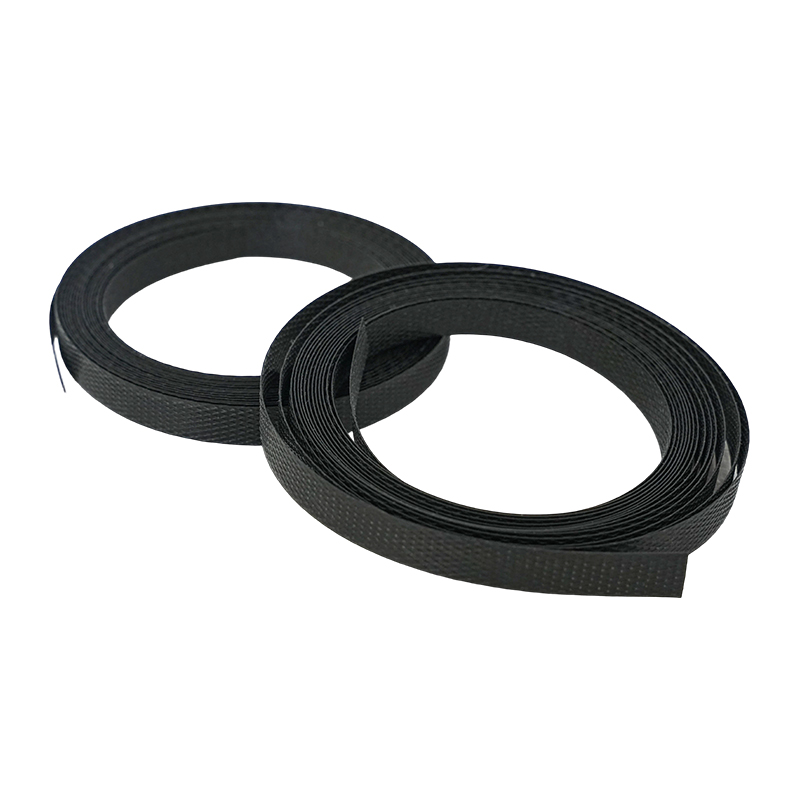
PP packing strap is a type of strapping made from polypropylene, a lightweight and cost-effective plastic used to bundle, secure, and stabilize goods during storage and shipping. Compared to steel strapping, PP strap is easier to handle, doesn't rust, and poses less risk of injury from sharp edges, which is why it has become the go-to choice for light to medium duty packaging across warehouses, distribution centers, and manufacturing facilities. Its flexibility also makes it forgiving during application, since it can stretch slightly to absorb shock without snapping the way more rigid materials might under sudden impact.
This type of strapping shows up in an enormous range of applications, from securing boxes on a pallet to bundling newspapers, closing cartons, and reinforcing packaging for shipment. Its affordability relative to steel or polyester strapping also makes it an attractive option for businesses running high packaging volumes where cost per unit adds up quickly across thousands of shipments.
Key Properties That Make Polypropylene Strapping a Practical Choice
Several inherent characteristics of polypropylene make it well suited for packaging applications, particularly when compared against other common strapping materials.
- Lightweight handling: easier for workers to feed through strapping tools and machines without the fatigue associated with heavier materials
- Moisture and corrosion resistance: unaffected by humidity or water exposure, unlike steel strapping which can rust over time
- Cost efficiency: generally the most economical strapping option available, making it attractive for high-volume packaging operations
- Elongation and recovery: stretches slightly under stress and can absorb minor shocks during transport without breaking
- Smooth edges: reduces the risk of cuts or injuries during handling compared to strapping materials with sharper edges
Comparing PP Strap to Other Common Strapping Materials
Choosing the right strapping material depends on the weight, shape, and value of the goods being secured. The table below outlines how polypropylene strapping compares to the other two most common strapping types.
| Strap Material | Tensile Strength | Cost | Best Suited For |
| Polypropylene (PP) | Low to Moderate | Low | Light to medium duty packaging and bundling |
| Polyester (PET) | High | Moderate | Heavy loads and long-term tension retention |
| Steel | Very High | Higher | Extremely heavy or sharp-edged loads |
Choosing the Right Width, Thickness, and Grade of Packing Strap
Matching Strap Width to Load Requirements
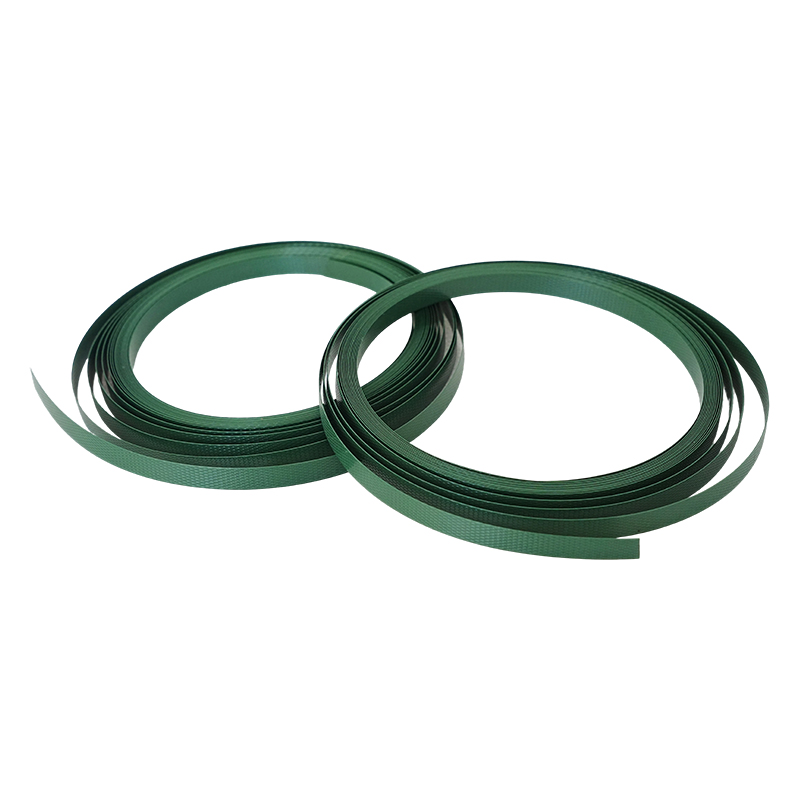
PP packing strap is typically available in widths ranging from about 5mm for light bundling tasks up to 19mm or wider for securing heavier palletized loads. Selecting a wider strap generally increases the overall break strength of the strapping, which matters more for taller or heavier stacked pallets that need extra holding force to stay stable during transport.
Understanding Break Strength Ratings
Break strength refers to the maximum tension a strap can withstand before failing, and it's usually listed on product specifications alongside width and thickness. Matching this rating to the actual weight and shifting risk of the load being secured prevents both under-strapping, which risks load failure, and over-strapping, which wastes material and money.
Choosing Between Hand Grade and Machine Grade Strap
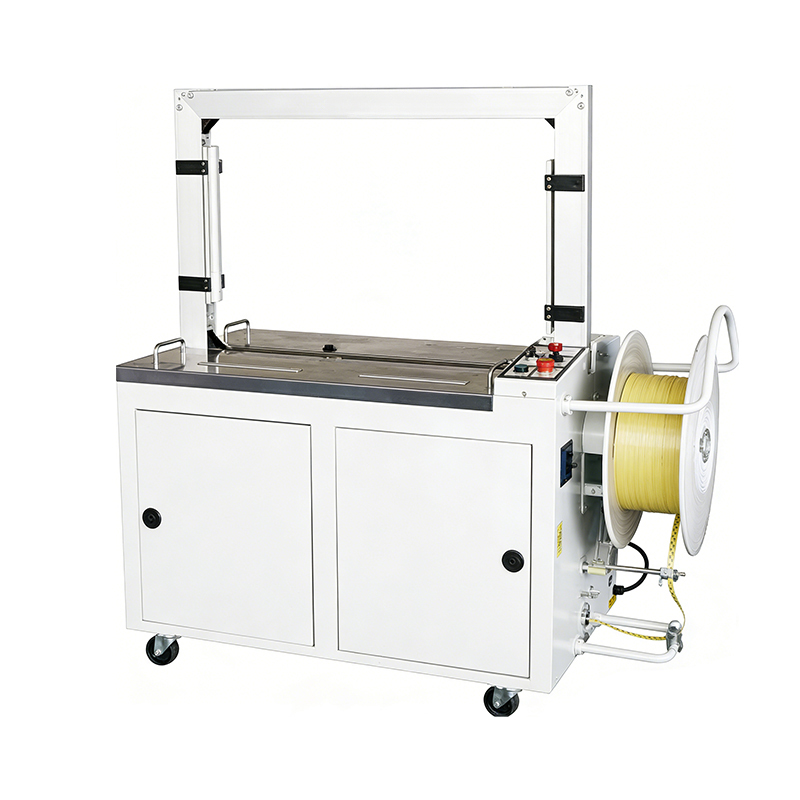
Hand grade PP strap is designed for manual tensioning tools and tends to be more flexible, making it easier to work with by hand. Machine grade strap is engineered for automated strapping systems and typically offers more consistent tension and higher throughput, making it the better choice for high-volume packaging lines.
Best Practices for Applying Packing Strap Correctly
Getting full value out of polypropylene strapping depends heavily on proper application technique, not just material selection. Positioning straps at the strongest points of a pallet or bundle, rather than across weak or uneven sections, helps distribute tension evenly and reduces the risk of the load shifting during transport.
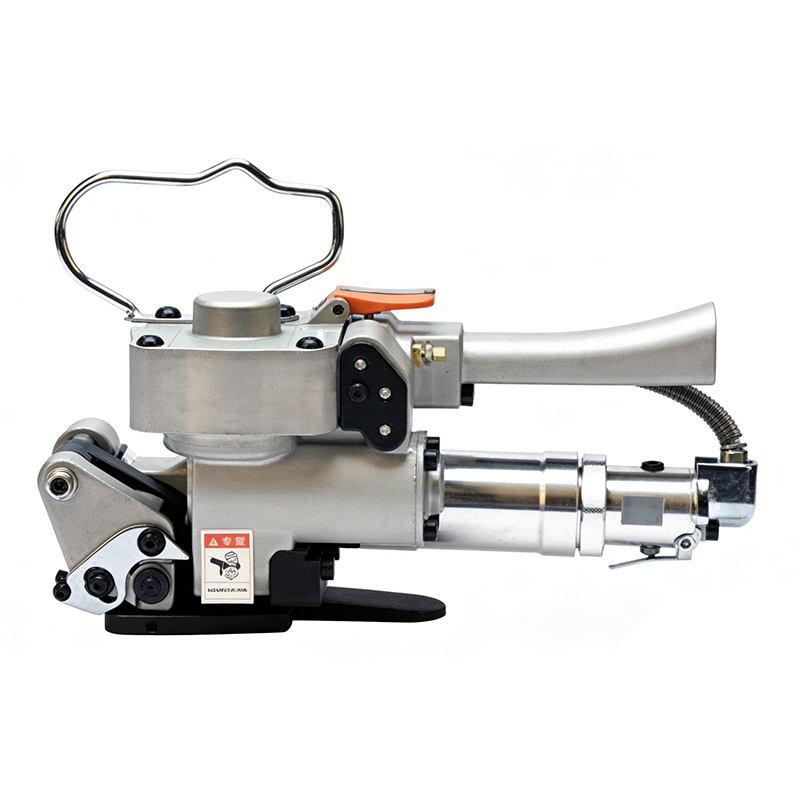
Using a properly calibrated tensioning tool ensures the strap is tight enough to hold the load securely without over-tensioning to the point of crushing or damaging the goods underneath. For manual applications, a hand-held tensioner and sealer combination works well for lower-volume packaging, while pneumatic or battery-powered tools speed up the process significantly for operations handling larger packaging volumes throughout the day.
Sealing the strap correctly is just as important as tensioning it properly. Whether using heat seal, friction weld, or metal buckle closures, confirming that the seal holds firmly before releasing tension prevents straps from loosening in transit, which is one of the most common causes of load instability during shipping.
Storage and Handling Tips to Extend Strap Performance
Proper storage conditions help maintain the strength and flexibility of PP packing strap rolls before they're used. Keeping rolls in a cool, dry area away from direct sunlight prevents UV exposure from gradually weakening the plastic, which can lead to unexpected breakage during application or transit if left unnoticed.
It's also worth inspecting strap rolls for any signs of damage, such as nicks or inconsistent thickness, before loading them into a strapping machine, since a compromised section can cause the strap to snap mid-application and slow down packaging operations. Rotating stock so older rolls get used before newer ones helps avoid extended storage periods that could affect strap quality over time.
Final Thoughts on Choosing the Right Packing Strap for Your Operation
PP packing strap remains one of the most practical and cost-effective solutions for securing a wide range of goods, from individual cartons to full pallets, thanks to its combination of affordability, moisture resistance, and ease of handling. Choosing the right width, break strength, and grade for your specific packaging needs, paired with proper tensioning and sealing technique, makes a real difference in how well your shipments hold together from the warehouse to their final destination. Taking storage and handling seriously rounds out a strapping approach that keeps packaging operations running smoothly and shipments arriving intact.
Related Products

PRODUCT
CONTACT INFO
-
 +86-137 7421 9489
-
 +86-021-67558008
-
 [email protected]
-
 No.769 ,23# building, Fengliang Road,Fengcheng town,Fengxian District,Shanghai,China
MOBILE QR CODE
Copyright © Shanghai We Pack Co., Ltd. All Rights Reserved.
Cargo Securing Solutions Cargo Transport Protection Solutions

