
 Español

Home / News / Industry News / PP Packing Strap: Types, Specs, Applications & How to Choose the Right One
Industry News


PP Packing Strap: Types, Specs, Applications & How to Choose the Right One
 2026.05.25
 Industry News
Content
- 1 What Is a PP Packing Strap and How Does It Work?
- 2 Types of PP Packing Straps
- 3 Key Specifications and What They Mean
- 4 PP Strapping vs. PET Strapping vs. Steel Strapping
- 5 Sealing Methods for PP Packing Straps
- 6 Common Applications of PP Packing Straps
- 7 Tools and Equipment for PP Packing Straps
- 8 How to Choose the Right PP Packing Strap for Your Application
What Is a PP Packing Strap and How Does It Work?
A PP packing strap — short for polypropylene packing strap — is a flat, flexible banding material made from polypropylene resin, used to unitize, bundle, secure, or reinforce loads for storage, handling, and transportation. It is the most widely used plastic strapping material globally, found in virtually every industry that ships or stores physical goods: from brick and tile manufacturers bundling construction materials to e-commerce fulfillment centers securing cartons on pallets. PP strapping works by looping around a load or package, pulling tight to apply tension, and then sealing the overlapping strap ends together — either by heat welding, ultrasonic welding, or a metal or plastic seal clip — to maintain that tension and hold the load securely throughout its journey.
Polypropylene as a strapping material offers a combination of properties that make it practical and economical for a broad range of light to medium-duty applications. It is significantly lighter than steel strapping, resistant to moisture and most chemicals, safe to handle without the laceration risk associated with metal strapping, and recyclable at end of use in most plastic recycling streams. PP strapping is also considerably more elastic than steel or polyester (PET) strapping — it can elongate 15–25% before breaking — which means it absorbs shock loads during transit rather than transmitting them directly to the package or load, reducing damage from vibration and impact.
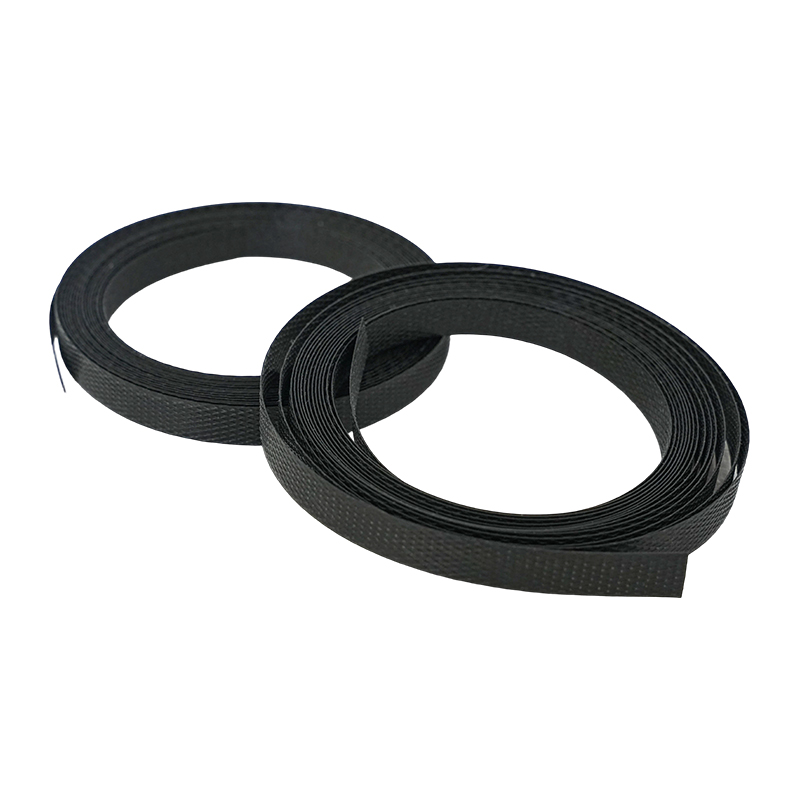
PP packing straps are produced and sold in roll form, wound onto cardboard cores in standard coil weights typically ranging from 5 kg to 20 kg, in widths from 6 mm to 32 mm and thicknesses from 0.4 mm to 1.2 mm. The strap surface is typically embossed with a diamond or cross-hatch pattern that improves grip at the seal joint and prevents slippage between overlapping strap layers before sealing is completed. Both manual and machine-grade versions are available, optimized respectively for hand-tensioning tools and automated strapping machines.
Types of PP Packing Straps
Not all PP strapping is the same. Differences in raw material quality, manufacturing process, width, thickness, and surface treatment produce straps with significantly different performance characteristics. Understanding the main types helps match the strap to the application correctly.
Standard PP Strapping
Standard polypropylene strapping is produced from virgin or blended PP resin by an extrusion and orientation process. The extruded flat tape is stretched (oriented) in the machine direction after extrusion, which aligns the polymer chains along the strap length and dramatically increases tensile strength and stiffness compared to unoriented PP film. Standard PP strapping is the baseline product for light to medium-duty bundling applications — securing cartons on pallets, bundling printed materials, banding textile rolls, and unitizing consumer goods. It is available in natural (clear or white) and a range of colors for load identification or brand differentiation. Tensile strength for standard PP strapping typically ranges from 80 to 250 kg depending on width and thickness, making it suitable for loads up to approximately 500 kg with appropriate strap selection and multiple strap runs.
Machine-Grade PP Strapping
Machine-grade PP strapping is manufactured to tighter dimensional tolerances and with more consistent physical properties than hand-grade strap, to ensure reliable performance in automated strapping machines. Dimensional consistency — particularly width tolerance within ±0.2 mm and thickness uniformity — is critical for machine-grade strap because automated strapping machines feed, tension, and seal the strap through precision-engineered mechanisms that jam or misfire if the strap is out of specification. Machine-grade PP strapping is also produced with controlled elongation characteristics so that the strapping machine's tension setting produces a repeatable, predictable strap tension on every cycle. Most high-volume packaging operations — beverage distributors, logistics warehouses, corrugated box manufacturers — use machine-grade PP strapping exclusively to maintain throughput rates and minimize machine downtime from strap-related jams.
Hand-Grade PP Strapping
Hand-grade PP strapping is used with manual or battery-powered tensioning and sealing tools rather than fully automated machines. It is typically softer and more pliable than machine-grade strap, which makes it easier to handle and manipulate by hand around irregular load shapes. Dimensional tolerances are less stringent than machine grade since manual tools are more forgiving of minor variations. Hand-grade PP strapping in widths of 12 mm and 16 mm is the standard for manual bundling operations in small warehouses, retail receiving, construction sites, and workshop environments where a full strapping machine is not economical or practical. The strap is supplied in lighter coils (5–10 kg) for easier handling and is used with simple tensioning wrenches and sealing tools — either manual seal-crimp tools for open metal seals, or friction-weld hand tools that create a heat-welded joint without metal seals.
Recycled Content PP Strapping
PP strapping produced from recycled polypropylene — either post-industrial or post-consumer recycled content — is increasingly available as brand owners and packaging buyers seek to reduce virgin plastic content in their supply chains. Recycled content PP strapping typically incorporates 30–70% recycled PP resin blended with virgin PP to maintain acceptable mechanical properties. The recycled content reduces the strapping's environmental footprint and, in some markets, qualifies the product for eco-label certifications. Performance trade-offs are real but manageable: recycled content strapping generally has slightly lower tensile strength, lower UV resistance, and more variable elongation compared to all-virgin equivalents, which means the strap specification (width and thickness) must be selected with appropriate additional margin for the same application. For non-food, non-pharmaceutical applications in covered or indoor environments, recycled content PP strapping is a practical and credible sustainability improvement.
Colored and Printed PP Strapping
PP strapping is readily pigmented in a full range of colors during extrusion, allowing different strap colors to be used as a visual coding system — blue strap for one product line, red for another, green for fragile goods requiring careful handling. Color-coded strapping eliminates the need for separate labeling to communicate load handling instructions or routing information in warehouse and logistics environments. Some suppliers also offer inline printing on PP strapping — applying text, logos, barcodes, or handling instructions directly onto the strap surface during manufacturing. Printed PP strap is used by brand-conscious manufacturers who want branding or security information on the strapping itself, and by logistics operators who use strap printing as a tamper-evidence measure since strapping with security text cannot be removed and replaced without the removal being obvious.
Key Specifications and What They Mean
Selecting the right PP packing strap requires understanding the specifications that determine whether a strap will hold a given load securely through the rigors of storage and transportation. These are the parameters that matter most.
| Specification | Typical Range | What It Affects |
| Width | 6 mm – 32 mm | Tensile strength, load contact area, machine compatibility |
| Thickness | 0.40 mm – 1.20 mm | Tensile strength, stiffness, meters per coil |
| Break Strength | 80 kg – 450 kg | Maximum load the strap can hold before failure |
| Elongation at Break | 15% – 25% | Shock absorption, tension retention over time |
| Coil Weight | 5 kg – 20 kg | Meters of strap per roll, machine loading frequency |
| Core Inner Diameter | 200 mm / 280 mm / 406 mm | Compatibility with strapping machine dispenser |
| Joint Efficiency | 55% – 80% of break strength | Effective load-holding capacity at the sealed joint |
Width and Thickness: The Primary Strength Drivers
The tensile break strength of a PP strap is directly proportional to its cross-sectional area — width multiplied by thickness. A 16 mm × 0.8 mm strap has exactly twice the cross-sectional area of a 16 mm × 0.4 mm strap, and approximately twice the tensile strength. In practice, manufacturers optimize the width-to-thickness ratio for specific applications: wider, thinner straps cover more load surface area and reduce the risk of cutting into soft products under tension; narrower, thicker straps are stiffer, more resistant to buckling during machine feeding, and produce a more compact strap profile on the finished bundle. The most common PP strapping widths are 12 mm, 15 mm, and 19 mm for general industrial use, with 25 mm and 32 mm reserved for heavy-duty freight and construction material bundling.
Break Strength vs. Working Tension
The break strength quoted on a PP strapping specification sheet is the force at which the strap fails in a straight pull tensile test on an unsecured length of strap — this is not the working load the strap should be relied upon to hold in service. The actual secure holding capacity of a strapped bundle is determined by three factors working together: the tension applied during strapping (typically 40–60% of break strength for PP), the joint efficiency (the ratio of joint strength to strap break strength, typically 55–75% for heat-welded PP joints and 65–80% for friction-welded joints), and the number of strap runs around the load. A conservative rule of thumb is to design so that total applied strap capacity — number of straps multiplied by working tension per strap — is at least twice the maximum expected load force, providing a safety factor that accounts for dynamic shock loads in transit.
Elongation and Tension Retention
PP strapping has significantly higher elongation than PET or steel strapping — it stretches more under load before breaking. This is both an advantage and a limitation depending on the application. The advantage is shock absorption: when a loaded pallet hits a bump in transit, the PP strap stretches elastically and absorbs the impact energy rather than transferring it to the load or failing suddenly. The limitation is tension retention over time: PP strapping creeps — slowly elongates under sustained load — which means the initial strap tension applied during strapping reduces over hours and days as the polymer chains relax. In applications where sustained tight strapping tension is critical (compressed bales, tightly bound loads), the initial tension must be set higher than the desired service tension to compensate for expected relaxation, or a higher-modulus strapping material (PET or steel) should be considered instead.
PP Strapping vs. PET Strapping vs. Steel Strapping
PP packing strap is one of three dominant strapping material families. Choosing between PP, polyester (PET), and steel strapping requires understanding the meaningful performance differences and matching them to the application requirements.
| Property | PP Strapping | PET Strapping | Steel Strapping |
| Tensile Strength | Low – Medium | Medium – High | Very High |
| Elongation at Break | 15–25% | 8–15% | 1–3% |
| Tension Retention | Poor (creep) | Good | Excellent |
| Corrosion Resistance | Excellent | Excellent | Poor (rusts) |
| Load Safety (cut hazard) | Safe | Safe | Sharp edges, high spring-back risk |
| Unit Cost | Lowest | Medium | Highest |
| Recyclability | Good (#5 PP) | Good (#1 PET) | Good (scrap metal) |
| Best Application | Light–medium loads, cartons, bundles | Heavy pallets, compressed loads | Very heavy, sharp-edged loads |
PP strapping is the right choice for the majority of general packaging applications involving loads up to approximately 500 kg per strap, where moisture resistance is needed, where operator safety is a concern, and where cost is a primary consideration. PET strapping steps in where PP's creep tendency and lower strength are limiting factors — for heavy compressed bales, stone and tile pallets, and loads that must maintain consistent strap tension over extended storage periods. Steel strapping remains the choice for the heaviest loads, the sharpest edges (such as structural steel sections or coiled wire), and for load shapes that require the near-zero elongation of steel to maintain bundle geometry precisely.
Sealing Methods for PP Packing Straps
The seal is the weakest point in any strapped bundle — the point where overlapping strap ends are joined to complete the loop. Seal method, quality, and efficiency determine how much of the strap's nominal break strength is actually available to hold the load. PP strapping is compatible with three main sealing methods.
Metal Seal Crimping
Open metal seals — small rectangular sleeves of galvanized or stainless steel — are threaded over the overlapping strap ends and crimped closed with a seal-crimping tool or the sealing jaw of a combination tensioner-sealer. The crimped seal grips the strap mechanically. Metal seal joints achieve 55–65% joint efficiency on PP strapping, meaning a strap with 200 kg break strength joined with a metal seal has a reliable joint strength of approximately 110–130 kg. Metal seals are the traditional method and are still widely used in manual operations and in applications where the sealing tool must be simple and low-cost. The main disadvantage is that the metal seal adds a small metallic component to the packaging waste stream, which can complicate recycling of the PP strap and the overall packaging.
Friction Weld (Notch Joint)
Friction welding — also called notch welding or vibration welding — uses a serrated vibrating plate that oscillates rapidly against the overlapping strap layers, generating friction heat that melts the PP surfaces and fuses them together without any additional metal seal component. When the vibration stops, the molten interface cools and solidifies into a solid polymer weld. Friction weld joints on PP strapping achieve 65–75% joint efficiency — meaningfully stronger than metal seal joints — and produce no metallic waste component, simplifying disposal. Friction weld tools are available as handheld battery-operated units for manual applications and as the standard sealing mechanism in most semi-automatic and fully automatic strapping machines. The weld quality is sensitive to surface contamination (dust, moisture, or oil on the strap surface can prevent proper fusion) and to strap embossing pattern depth, which is why machine-grade strapping with consistent surface texture is recommended for friction-welded applications.
Heat Seal (Hot-Blade Welding)
Heat sealing uses an electrically heated blade pressed between the overlapping strap layers to melt the facing surfaces, which fuse together when the blade is withdrawn and the surfaces are pressed together under the tool's clamping force. Heat seal joints on PP strapping typically achieve 70–80% joint efficiency — the highest of the three methods — because the controlled thermal welding produces a more uniform, larger fusion area than friction welding. Heat sealing is the standard method in fully automatic arch strapping machines used for high-speed pallet strapping in logistics and manufacturing operations. Heat seal tools require a warm-up period and consume electrical energy continuously to maintain temperature, which makes them less practical than friction weld tools for infrequent manual use but ideal for high-volume automated applications where the machine is running continuously.
Common Applications of PP Packing Straps
PP strapping's combination of low cost, adequate strength for most general loads, moisture resistance, and safe handling properties makes it the dominant strapping material across a wide range of industries and applications.
- Corrugated box and carton securing: PP strapping is the standard material for securing corrugated cartons on pallets in logistics, e-commerce, and distribution operations. One or two horizontal strap runs around a pallet tier, or a cross-strap pattern over the top of a unitized pallet, prevent carton shift and stack collapse during forklift handling and truck transport. The most common specification for this application is 12 mm × 0.55 mm or 15 mm × 0.6 mm PP in natural or clear color, applied by a semi-automatic arch strapping machine.
- Brick, block, and tile bundling: Construction material manufacturers use PP strapping to bundle groups of bricks, concrete blocks, clay tiles, and roof tiles into manageable units for storage and delivery. The strap must resist the abrasive edges of the product — a consideration that favors slightly wider, thicker strap (typically 19 mm × 0.9 mm or 25 mm × 1.0 mm) to distribute the edge load and avoid the strap cutting through under tension. Color coding by product type or delivery destination is common in this sector.
- Printed materials and publishing: Books, magazines, newspapers, and printed flat-pack materials are typically bundled with PP strapping for distribution. The strap must be applied with controlled, moderate tension to secure the bundle without crushing or marking the printed surfaces — a task well-suited to PP's relatively forgiving elongation behavior. Wide, thin strapping (25 mm × 0.5 mm or 32 mm × 0.5 mm) distributes tension over a large surface area to minimize marking risk.
- Textile and fabric roll securing: Rolls of woven fabric, non-woven material, carpet, and other textile products are banded with PP strapping to prevent unrolling during storage and shipping. The strap is applied as multiple bands along the roll length at regular intervals. PP's moisture resistance is particularly valuable here since textile rolls are often stored in non-climate-controlled warehouses where condensation could cause metal strapping to rust and stain the product.
- Agricultural produce packaging: PP strapping is widely used in agricultural applications to secure bales of straw, hay, and silage, to bundle vegetable and flower bunches, and to strap wooden crates and boxes of fresh produce. The material's complete resistance to moisture and organic chemicals makes it far more suitable for outdoor and cold-storage agricultural environments than steel strapping, which would rust, or paper-based strapping, which would soften and fail in damp conditions.
- Furniture and home appliance packaging: Flat-pack furniture components, mattresses, and large household appliances are commonly secured with PP strapping as part of their transit packaging. The strap holds protective foam or cardboard corner protectors in place around the product and prevents packaging components from separating during handling. The ability to apply PP strapping with low operator effort using battery-powered tools makes it practical for the final packaging stage in furniture assembly operations.
Tools and Equipment for PP Packing Straps
PP strapping can be applied across a wide range of automation levels — from simple manual tensioning with hand tools to fully automated high-speed strapping systems — and selecting the right tool or machine level is as important as selecting the right strap specification.
Manual Tensioning and Sealing Tools
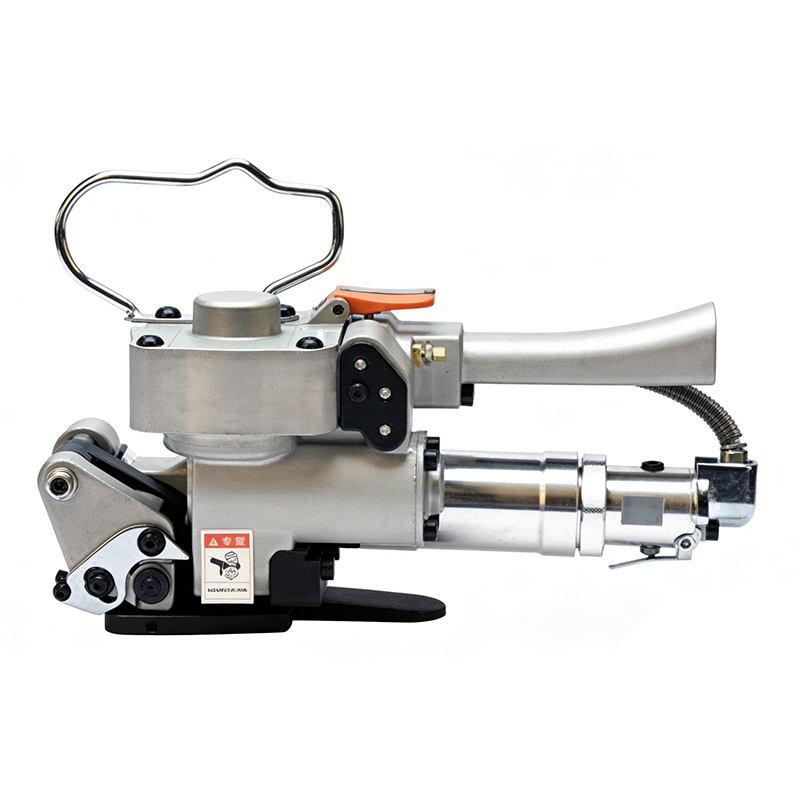
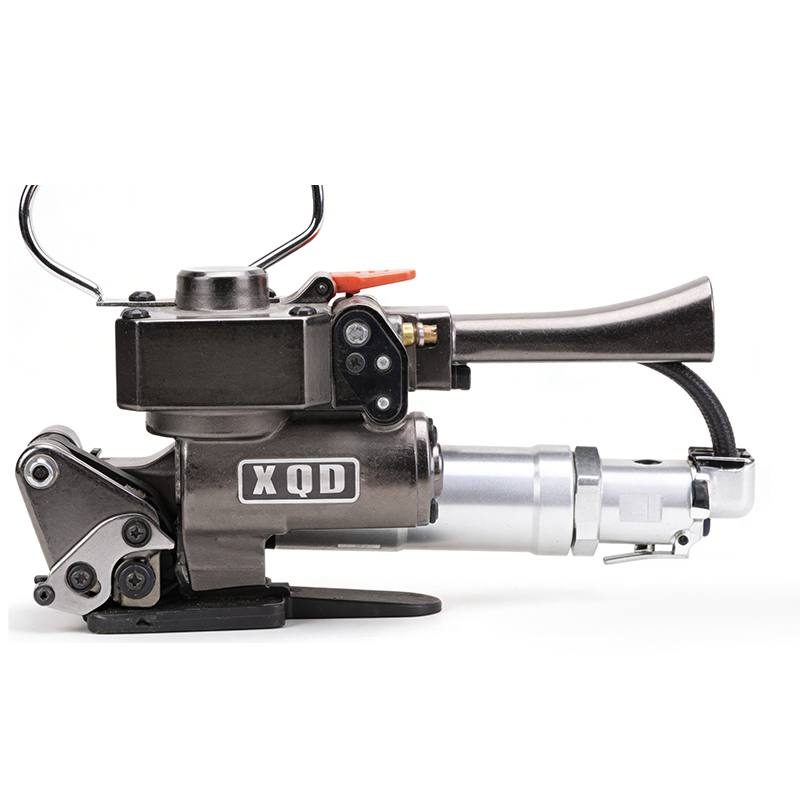
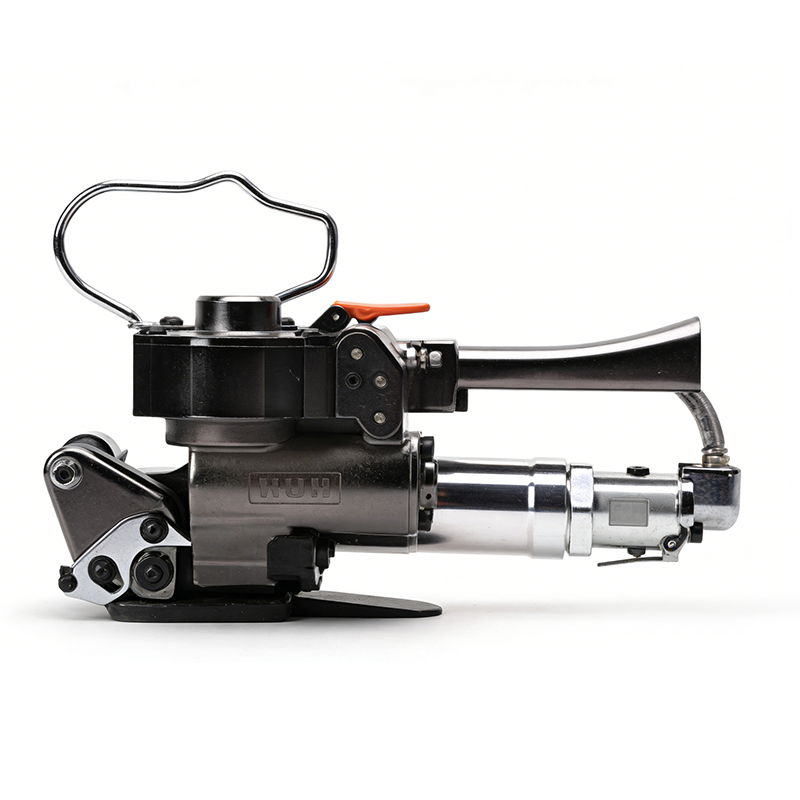
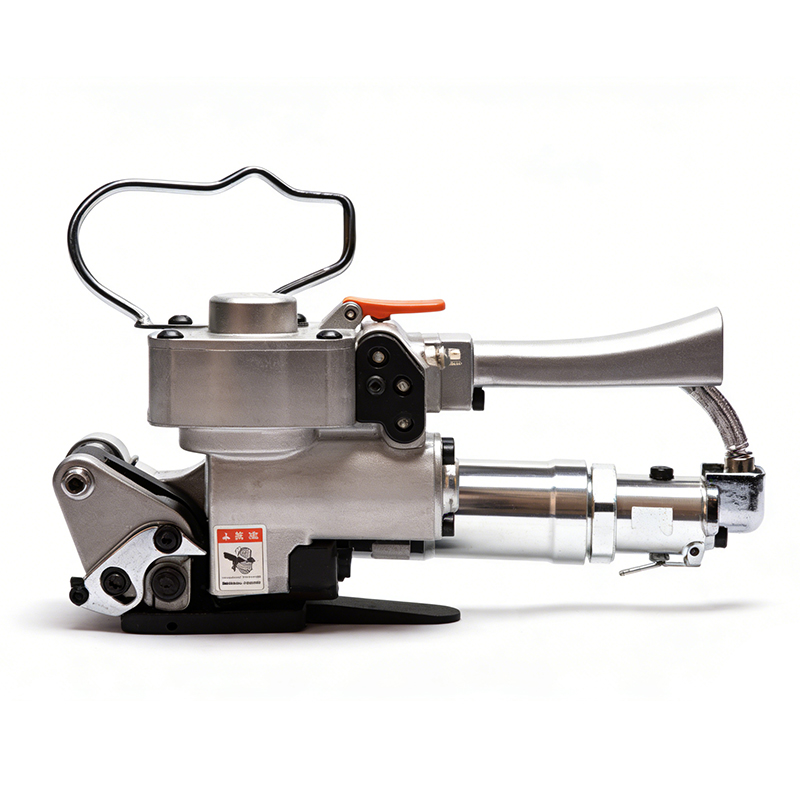
For low-volume manual strapping operations, a two-tool set is the standard approach: a tensioning tool that grips and pulls the strap tight around the load using a ratchet or windlass mechanism, and a separate seal crimping tool that closes the metal seal over the overlapping strap ends. Combination tools that perform both tensioning and sealing in a single unit are available and reduce the number of tools an operator must handle. For friction-weld sealing without metal seals, battery-powered combination tensioner-welders — compact handheld units that tension the strap with a motorized gear and then friction-weld the joint automatically — are now the standard recommendation for manual PP strapping operations due to their speed, consistent joint quality, and elimination of consumable metal seals. Manual PP strapping tools are available from multiple suppliers and are designed to be field-serviceable with replacement wear parts.
Semi-Automatic Strapping Machines
Semi-automatic arch strapping machines are the workhorses of medium-volume packaging operations. The operator places the load on the machine table and positions it within the strap arch, then activates the cycle — the machine automatically feeds the strap through the arch, tensions it to the preset level, seals the joint (by heat or friction weld), and cuts the strap from the coil. Typical semi-automatic machines complete a strapping cycle in 1.5–3 seconds and can run continuously for hours with minimal operator attention beyond reloading strap coils. They are available in a range of arch sizes (from 400 mm × 300 mm for small cartons to 900 mm × 700 mm for large pallet loads) and are the standard equipment for carton strapping in logistics centers, corrugated box manufacturers, and distribution warehouses. PP strap coils for semi-automatic machines use 280 mm or 406 mm core inner diameter to fit the machine's strap dispenser.
Fully Automatic Strapping Systems
Fully automatic strapping systems integrate the strapping machine into a production or packaging line conveyor, strapping loads continuously without operator intervention. Position sensors detect the load as it enters the machine zone, trigger the strapping cycle, and release the strapped load onto the outfeed conveyor automatically. Multi-head automatic systems can apply two or more strap runs simultaneously — cross-strapping a pallet with both horizontal and vertical straps in a single pass through the machine — at line speeds up to 40–60 cycles per minute for high-volume operations. Fully automatic systems require consistent, high-quality machine-grade PP strapping to maintain reliable operation at these speeds — strap dimensional variation that would be tolerable in a semi-automatic machine causes feed errors and jams in high-speed automatic equipment.
How to Choose the Right PP Packing Strap for Your Application
Selecting the correct PP strapping specification for a given application requires working through a practical set of questions about load weight, load shape, storage and transit conditions, application method, and cost constraints. Working through these systematically avoids the two most common mistakes: under-specifying (strap breaks in transit) and over-specifying (paying for more strap than the application needs).
- Determine the load weight and required holding force: Weigh or estimate the total load weight and identify the worst-case force the strapping must resist — typically the weight of the load acting in the direction perpendicular to the strap run during a drop or sudden braking event. Apply a minimum safety factor of 2 to this force to determine the required total strap holding capacity. Divide by the number of strap runs planned to find the required holding capacity per strap, then select a strap width and thickness whose joint-efficiency-adjusted break strength meets this requirement.
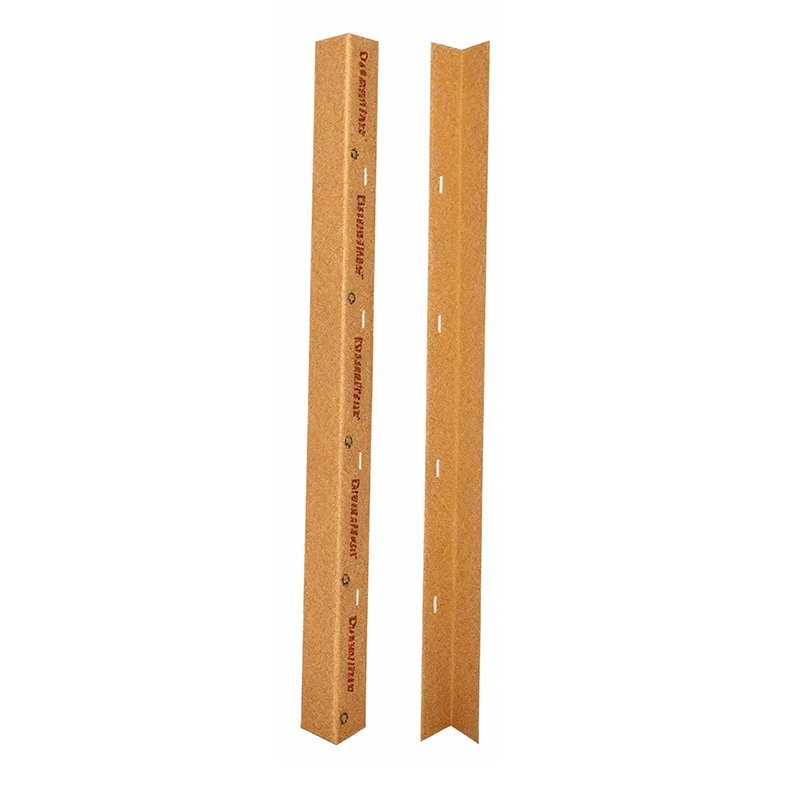
- Assess the load surface and edge sharpness: If the load has sharp corners or edges — bricks, tiles, structural profiles, angle iron — the strap must be wide enough to distribute the edge pressure and avoid cutting through. Use edge protectors (cardboard or plastic corner boards) under strap runs at sharp edges, and specify wider strap (19 mm or 25 mm) rather than narrower. For soft or easily marked surfaces — foam, printed cartons, finished wood furniture — use wide, thin strap to spread the contact pressure and add protective padding under the strap if surface marking is a concern.
- Consider the storage and transit environment: PP strapping performs well in all moisture conditions but degrades under prolonged UV exposure — outdoor storage in direct sunlight for more than a few weeks will cause PP strapping to become brittle and lose strength. For loads that will be stored or transported outdoors in sunlight for extended periods, specify UV-stabilized PP strapping (which contains UV absorber additives) or switch to PET strapping, which has better inherent UV resistance. Temperature extremes also affect PP strapping — below -10°C, PP becomes significantly more brittle; above 60°C, it softens and loses tension. For cold-chain or hot environments, confirm the strap specification covers the service temperature range.
- Match strap specification to application method: If applying by hand tool, select hand-grade PP strapping in a pliable, easy-to-handle specification. If applying by semi-automatic or fully automatic machine, specify machine-grade PP strapping with the width and core inner diameter confirmed as compatible with your specific machine model — always check the machine manufacturer's recommended strap specification before ordering. Strap that is too wide, too narrow, too thick, or wound on the wrong core size will cause machine feeding problems regardless of its material quality.
- Evaluate seal method and joint efficiency requirements: If maximum joint strength is the priority, specify friction weld or heat seal application and select a strap with the consistent surface embossing that produces reliable welds. If metal seals are acceptable and simplicity of tooling is a priority, specify a strap compatible with standard open seals and size the strap to account for the lower 55–65% joint efficiency of metal seal joints. Never mix strap grades and seal methods — a friction weld tool applied to a strap grade with irregular surface texture will produce inconsistent joint strength that falls below the specification used to size the strapping system.
- Calculate total cost of use, not just strap price: Strap unit cost per kilogram or per roll is only one component of total strapping cost. Also consider meters of strap per coil (thinner strap gives more meters per kg), seal consumable cost (metal seals add cost that friction weld eliminates), machine downtime from poor-quality strap causing jams, and disposal or recycling cost at the load destination. A cheaper strap that causes frequent machine jams or produces unreliable joints may cost significantly more in total than a higher-quality specification at a higher unit price.
Related Products


PRODUCT
CONTACT INFO
-
 +86-137 7421 9489
-
 +86-021-67558008
-
 [email protected]
-
 No.769 ,23# building, Fengliang Road,Fengcheng town,Fengxian District,Shanghai,China
MOBILE QR CODE
Copyright © Shanghai We Pack Co., Ltd. All Rights Reserved.
Cargo Securing Solutions Cargo Transport Protection Solutions

