
 Español

Home / News / Industry News / PET Packing Strap Explained: How to Pick, Use, and Get the Most Out of It
Industry News


PET Packing Strap Explained: How to Pick, Use, and Get the Most Out of It
 2026.06.02
 Industry News
Content
- 1 What Is a PET Packing Strap and How Is It Different from Other Strapping?
- 2 Key Properties That Make PET Strapping Band Worth Using
- 3 PET Strapping vs. PP Strapping vs. Steel Strapping: A Direct Comparison
- 4 Industries That Rely on PET Polyester Strapping Every Day
- 5 PET Strapping Specifications: What to Check Before You Buy
- 6 How PET Strapping Is Applied: Tools and Sealing Methods
- 7 Sealing Methods for PET Strap: Metal Seals vs. Friction Weld
- 8 Common Mistakes to Avoid When Using PET Packing Strap
- 9 Sustainability and Recyclability of PET Strapping Material
- 10 How to Choose the Right PET Packing Strap for Your Operation
What Is a PET Packing Strap and How Is It Different from Other Strapping?
A PET packing strap — short for polyethylene terephthalate strapping — is a high-strength plastic banding material used to bundle, unitize, and secure loads during storage and transport. It has become the go-to replacement for steel strapping in many industries because it offers comparable tensile strength with significantly lower weight, no sharp edges, and far better resistance to rust and corrosion. PET strapping is also safer to handle and less likely to damage the products it's securing.
Compared to polypropylene (PP) strapping, PET packing strap is much stronger, retains tension far better over time, and performs reliably under temperature fluctuations — making it suitable for heavy-duty industrial applications where PP would simply stretch and fail. If you're evaluating strapping materials for your operation, understanding where PET excels and where it has limitations is the first step to making the right choice.
Key Properties That Make PET Strapping Band Worth Using
Not all strapping materials are created equal. PET polyester strapping stands out because of a combination of mechanical and physical properties that make it uniquely suited for demanding packaging environments. Here's what sets it apart:
- High Tensile Strength: PET strapping offers tensile strength comparable to light-gauge steel strapping, typically ranging from 400 to over 1,000 kg depending on width and thickness. This makes it suitable for securing heavy pallets, bricks, timber, and industrial machinery.
- Excellent Tension Retention: Unlike polypropylene, PET strap holds its tension even when the load settles or shifts during transit. This is critical for loads that consolidate over time, such as compressed paper, cotton bales, or brick stacks.
- High Elongation and Elastic Recovery: PET strapping can elongate under shock loads and then recover close to its original length, absorbing impact without snapping. This makes it particularly valuable for loads subject to rough handling or vibration.
- Weather and UV Resistance: Quality PET packing straps resist moisture, humidity, and UV exposure — making them suitable for outdoor storage and shipping in varying climates without degrading or losing strength.
- Safe Handling: PET strap has no sharp edges and won't recoil dangerously when cut, unlike steel banding. This significantly reduces workplace injury risk for warehouse and logistics staff.
- Lightweight and Cost-Effective: PET weighs far less than steel strapping of equivalent strength, reducing shipping costs on the strapping material itself and making coil handling easier for operators.
PET Strapping vs. PP Strapping vs. Steel Strapping: A Direct Comparison
Choosing the right strapping material comes down to matching the material's performance profile to your specific load requirements, handling environment, and budget. The table below gives a side-by-side comparison of the three most common strapping types:
| Property | PET Strapping | PP Strapping | Steel Strapping |
| Tensile Strength | High | Low to Medium | Very High |
| Tension Retention | Excellent | Poor | Excellent |
| Elastic Recovery | Good | Moderate | None |
| Corrosion Resistance | Excellent | Excellent | Poor |
| Operator Safety | Safe | Safe | Sharp edges, recoil risk |
| Weight | Light | Very Light | Heavy |
| Cost | Medium | Low | High |
| Recyclability | Yes | Yes | Yes |
The conclusion is straightforward: PET packing strap sits squarely between PP and steel. It's the right call when PP lacks the strength or tension retention your load demands, but you don't need the extreme strength of steel or want to deal with its handling hazards and corrosion issues.
Industries That Rely on PET Polyester Strapping Every Day
PET strapping has earned a strong foothold across a wide range of industries precisely because it performs well on heavy, dense, or moisture-sensitive loads. Here are the sectors where you'll find it most commonly used:
Building Materials and Construction
Bricks, roof tiles, concrete blocks, timber planks, and structural steel sections are routinely bundled with PET strapping. The high tensile strength handles the weight, while the corrosion resistance ensures the strap doesn't degrade when stored outdoors or in humid conditions at construction sites. PET's ability to retain tension even when bricks or blocks settle slightly during stacking makes it far superior to PP for these applications.
Paper, Pulp, and Printing
Rolls of paper and newsprint, stacks of cardboard sheets, and bales of recycled pulp are classic PET strapping applications. The strap's smooth surface won't mark or indent sensitive paper products the way steel strapping can. Tension retention is especially important here because paper rolls and bales tend to compress over time, and a strap that loses tension creates an unstable load.
Glass and Ceramics
Securing fragile products like glass bottles, window panes, or ceramic tiles requires a strap that can absorb vibration and impact without transmitting shock directly to the product. PET's elastic recovery acts as a buffer, absorbing energy from bumps and drops during transit and then recovering tension, keeping the load secure without cracking or shattering the contents.
Metals and Heavy Manufacturing
Sheet metal coils, aluminum extrusions, and steel pipes are often too heavy for PP strapping but don't require the extreme strength of high-grade steel banding. PET strapping in wider widths (19mm or 25mm) fills this gap effectively, offering tensile strengths that can exceed 1,000 kg while being far easier and safer to apply than steel.
Agriculture and Food Processing
Cotton bales, compressed hay, and pallets of bottled beverages or canned goods are regularly secured with PET strapping. The material's moisture resistance makes it suitable for cold storage and refrigerated transport environments where steel would rust and PP would relax under temperature changes.
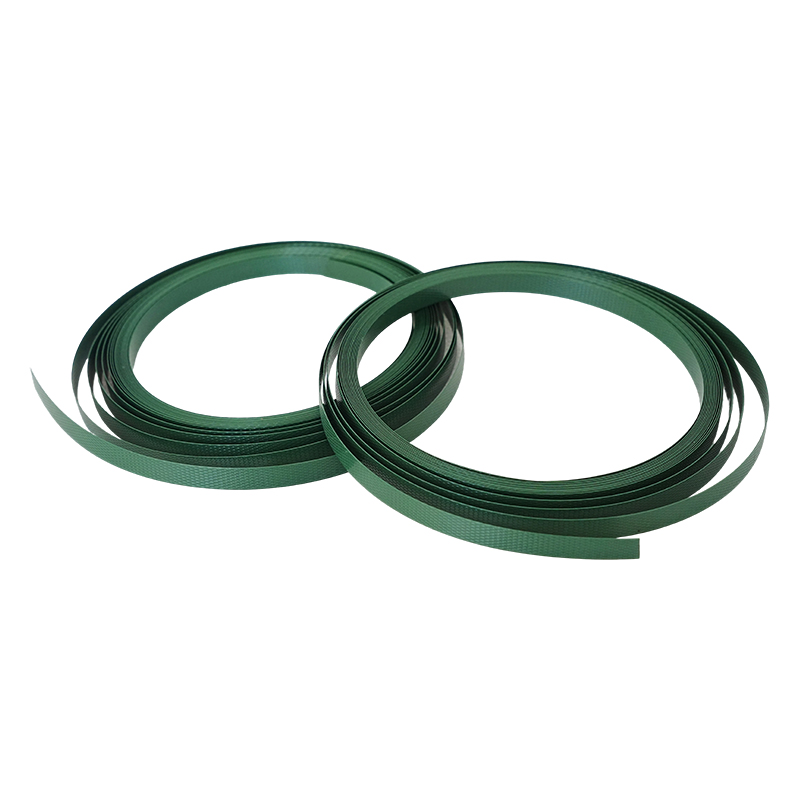
PET Strapping Specifications: What to Check Before You Buy
Not all PET packing straps on the market are the same quality. When sourcing PET strapping for your operation, pay close attention to these technical specifications to ensure the strap meets your load requirements:
- Width: Common PET strap widths are 12mm, 15mm, 16mm, 19mm, and 25mm. Wider straps carry higher tensile loads and are better suited for heavy pallets or bundled steel.
- Thickness: Typically ranges from 0.5mm to 1.5mm. Thicker straps offer greater break strength but require more force to tension and seal correctly.
- Break Strength: Always verify the rated break strength (in kg or kN) matches or exceeds your load weight with an appropriate safety margin — typically 1.5x to 2x the load weight.
- Elongation at Break: A higher elongation percentage (typically 5–15% for PET) indicates better shock absorption. This is important for loads exposed to vibration or impact during transport.
- Coil Weight and Core Size: Standard coil weights range from 100 to 400 kg for machine-grade strapping. Core diameter must match your strapping machine's dispenser. Manual-grade coils are lighter for hand tool use.
- Surface Finish: Embossed PET strap has a textured surface that improves grip in friction weld joints. Smooth strap requires metal seals for joining. Match the surface finish to your sealing method.
How PET Strapping Is Applied: Tools and Sealing Methods
Applying PET packing strap correctly is just as important as selecting the right specification. Using the wrong tool or sealing method results in weak joints that fail under load. There are three main application approaches:
Manual Hand Tools
For low-volume operations or occasional strapping needs, manual tensioners and sealers are a cost-effective option. A tensioner pulls the strap tight around the load, and a sealer crimps a metal buckle or seal over the overlapping strap ends to lock them together. Manual tools require more operator effort and produce less consistent tension than powered options, but they're portable, require no power source, and have minimal maintenance requirements.
Battery-Powered Strapping Tools
Cordless combination tools tension and seal the strap in a single operation using a friction weld or heat seal. These tools are significantly faster than manual tools, produce highly consistent tension, and are ideal for mid-volume operations where speed and repeatability matter. Battery-powered PET strapping tools are increasingly popular in distribution centers and manufacturing facilities because they eliminate the need for compressed air while still delivering professional-grade results.
Automatic Strapping Machines
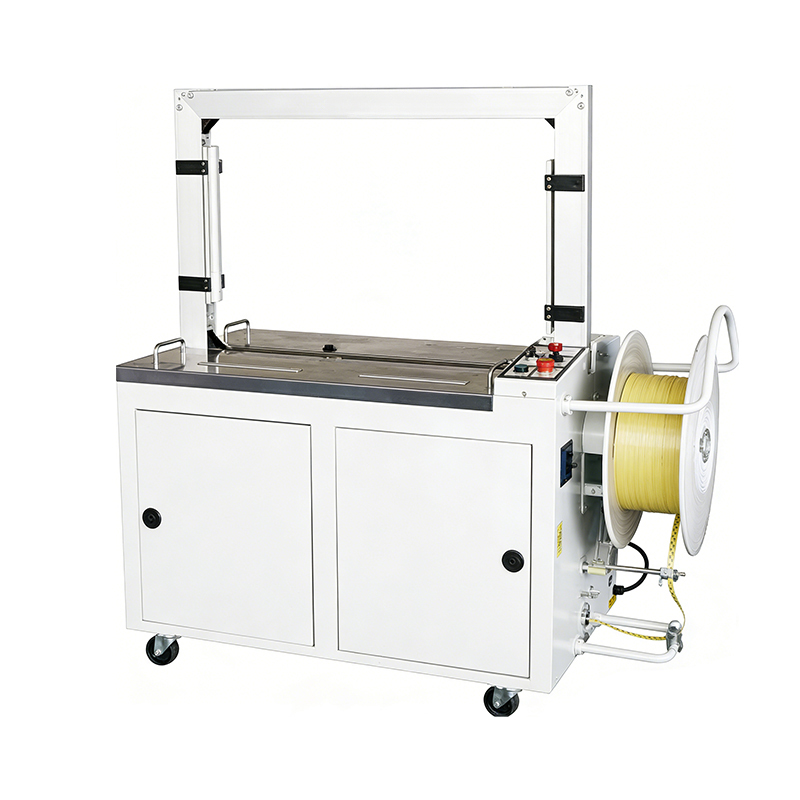
For high-volume production lines, fully automatic or semi-automatic strapping machines apply, tension, seal, and cut the PET strap in one continuous cycle — often in under two seconds per strap. These machines integrate directly into packaging lines and are programmable for different strap tensions, positions, and patterns. They dramatically reduce labor costs and eliminate human error in the strapping process.
Sealing Methods for PET Strap: Metal Seals vs. Friction Weld
The joint is the weakest point of any strapping application. Choosing the right sealing method for your PET strap directly impacts joint efficiency — the percentage of the strap's rated break strength actually achieved at the seal:
| Sealing Method | Joint Efficiency | Tool Required | Best For |
| Metal Seal (Crimp) | 60–70% | Manual sealer | Smooth strap, low to medium loads |
| Friction Weld | 80–100% | Battery or pneumatic tool | Embossed strap, heavy loads |
| Heat Seal | 75–90% | Automatic machine | High-speed production lines |
Friction weld joints — where the strap ends are vibrated together at high speed to generate heat and fuse the layers — deliver the highest joint efficiency and are the preferred method for heavy-duty PET strapping applications. Metal seals remain useful for field repairs or where friction weld tools aren't available.
Common Mistakes to Avoid When Using PET Packing Strap
Even with the right strap specification and tools, poor application technique leads to load failures and product damage. Here are the most common errors and how to avoid them:
- Over-tensioning: Applying excessive tension can crush fragile loads, distort packaging, or cause the strap to snap unexpectedly during or after application. Always set tension according to the load type and strap specification.
- Under-tensioning: A strap applied with insufficient tension will shift, loosen, or allow the load to move during transit. Use a calibrated tensioning tool and verify tension with a tension tester on critical loads.
- Wrong Seal for the Strap Type: Using metal seals on embossed PET strap produces a weaker joint than friction welding. Match your sealing method to the strap surface finish for maximum joint efficiency.
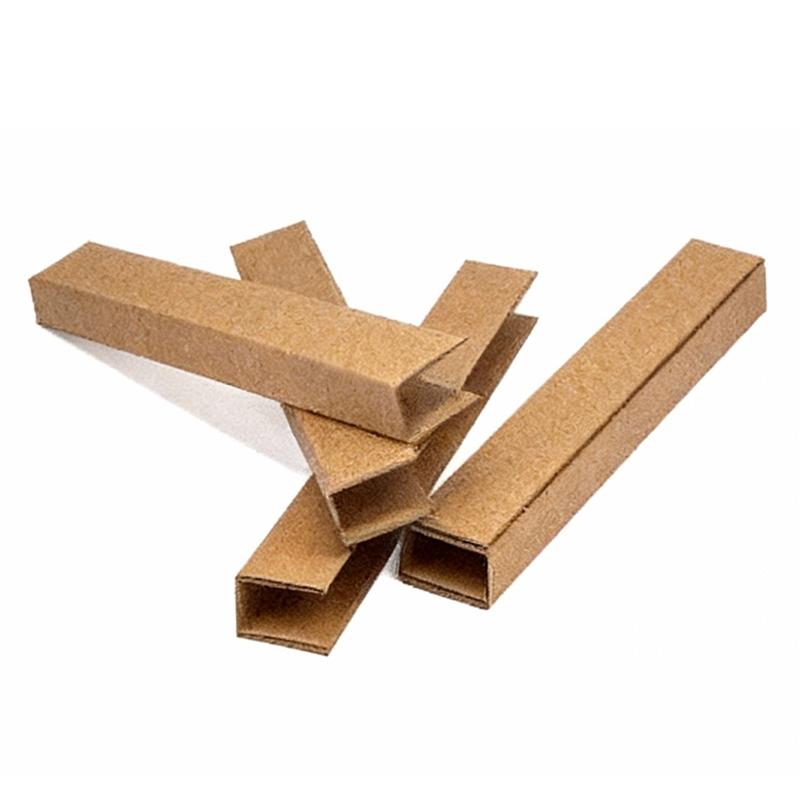
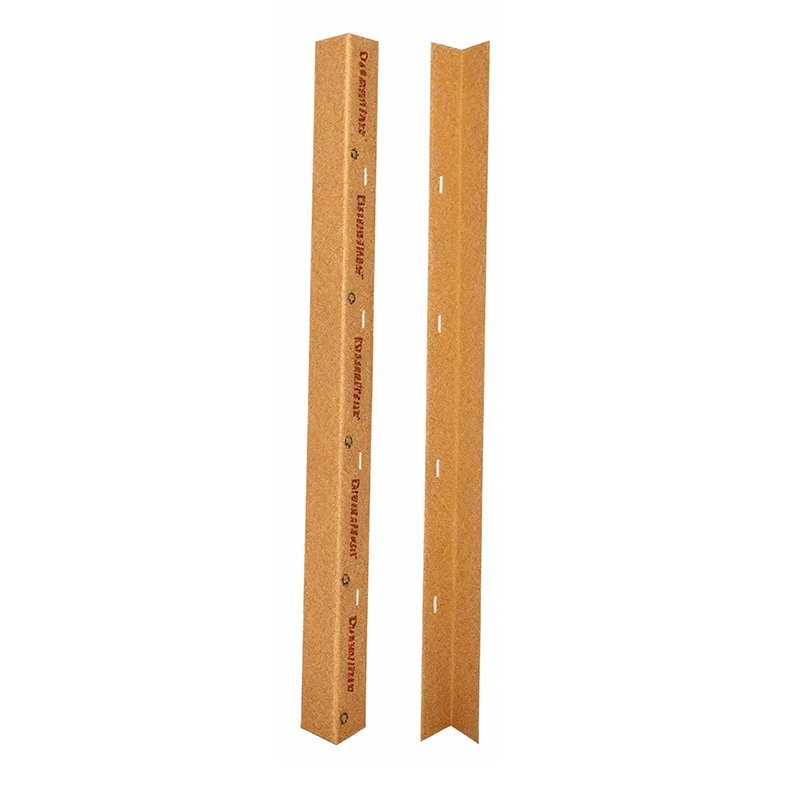
- Ignoring Sharp Edges on the Load: PET strap can be cut by sharp metal corners on loads like sheet metal or machinery. Use edge protectors or corner boards wherever the strap contacts a sharp edge to prevent premature failure.
- Storing Strap Incorrectly: Leaving PET strapping coils exposed to direct sunlight for extended periods degrades the material. Store coils in a cool, dry, shaded location and use UV-stabilized strap for outdoor applications.
- Using Damaged or Old Stock: PET strap that has been kinked, bent sharply, or stored improperly may have reduced break strength. Always inspect coils before use and discard any strap with visible damage or deformation.
Sustainability and Recyclability of PET Strapping Material
PET is one of the most widely recycled plastics in the world — the same material used in plastic bottles — which gives PET packing strap a meaningful sustainability advantage over steel and some other plastics. Used PET strapping can be collected, granulated, and recycled into new strap or other PET products. Many manufacturers now offer strapping made with a percentage of recycled PET content, reducing virgin material consumption without sacrificing performance.
For businesses with environmental compliance targets or ESG commitments, switching from steel to PET strapping also reduces carbon footprint through lower manufacturing energy requirements and lighter shipping weight. If your facility generates significant volumes of used PET strap, it's worth contacting a local plastics recycler to establish a take-back or collection program — turning a disposal cost into a small revenue stream while improving your sustainability credentials.
How to Choose the Right PET Packing Strap for Your Operation
With so many widths, thicknesses, grades, and coil sizes available, narrowing down the right PET strapping specification for your needs doesn't have to be complicated. Work through these questions systematically:
- What is the maximum load weight? Select a strap with a break strength of at least 1.5–2x the heaviest load you'll secure. For pallets over 1,000 kg, consider 19mm or 25mm wide strap with high break strength ratings.
- Will loads be exposed to outdoor conditions? Choose UV-stabilized PET strap and verify the moisture resistance rating if the load will be stored or shipped in wet environments.
- Are you using manual tools or machines? Machine-grade PET strap comes on large, heavy coils designed for automatic dispensers. Manual-grade coils are smaller and lighter for hand tool use. Don't mix them up — the wrong coil size can jam your equipment.
- What sealing method will you use? If you're using friction weld tools, choose embossed PET strap. For metal seal applications, smooth strap is appropriate.
- Is product surface protection a concern? For sensitive or finished surfaces, consider using edge protectors in addition to the strap, and choose a strap width that distributes clamping force across a larger contact area.
Related Products

PRODUCT
CONTACT INFO
-
 +86-137 7421 9489
-
 +86-021-67558008
-
 [email protected]
-
 No.769 ,23# building, Fengliang Road,Fengcheng town,Fengxian District,Shanghai,China
MOBILE QR CODE
Copyright © Shanghai We Pack Co., Ltd. All Rights Reserved.
Cargo Securing Solutions Cargo Transport Protection Solutions

