
 Español

Industry News


How Dunnage Bags and Dunnage Air Bags Protect Your Goods
 2026.04.03
 Industry News
Every year, billions of dollars in cargo are damaged during transit — not because of accidents, but because of preventable shifting and impact inside containers and trailers. Dunnage bags offer a simple, effective, and cost-efficient solution to this problem. Whether you're shipping across town or across oceans, understanding how dunnage bags and dunnage air bags work can make a measurable difference in your loss rates and bottom line.
Content
What Are Dunnage Bags?
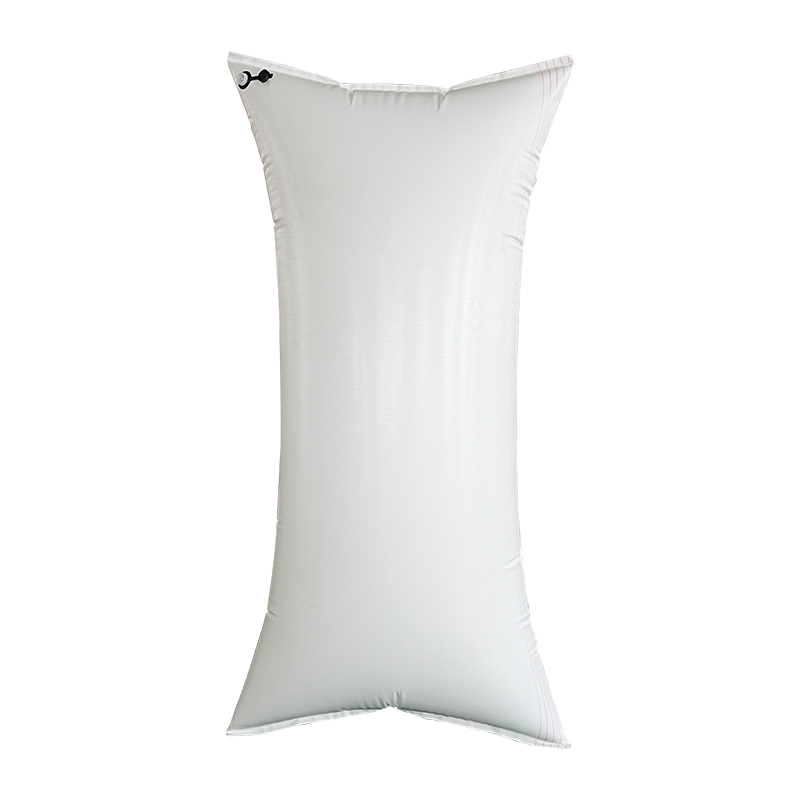
Dunnage bags — also called airbags or inflatable dunnage — are cushioning devices used to fill void spaces between cargo loads inside shipping containers, railcars, trucks, and ocean vessels. When cargo doesn't fill a container completely, gaps allow pallets, crates, and boxes to shift during transit. Even minor movement can cause product damage, load collapse, or structural harm to the goods themselves.
Dunnage bags are inserted into these gaps and inflated with compressed air. Once inflated, they press firmly against adjacent cargo loads, eliminating movement and absorbing the vibrations and impacts that occur naturally during transportation. They act as a shock-absorbing wall between products, making them one of the most widely adopted cargo protection tools across global supply chains.
Dunnage bags are available in several types, including paper-based, polywoven, and polyethylene options. Each is suited to different load weights, gap sizes, and transportation environments. Choosing the right type depends on your specific cargo characteristics and shipping conditions.
How Dunnage Air Bags Work
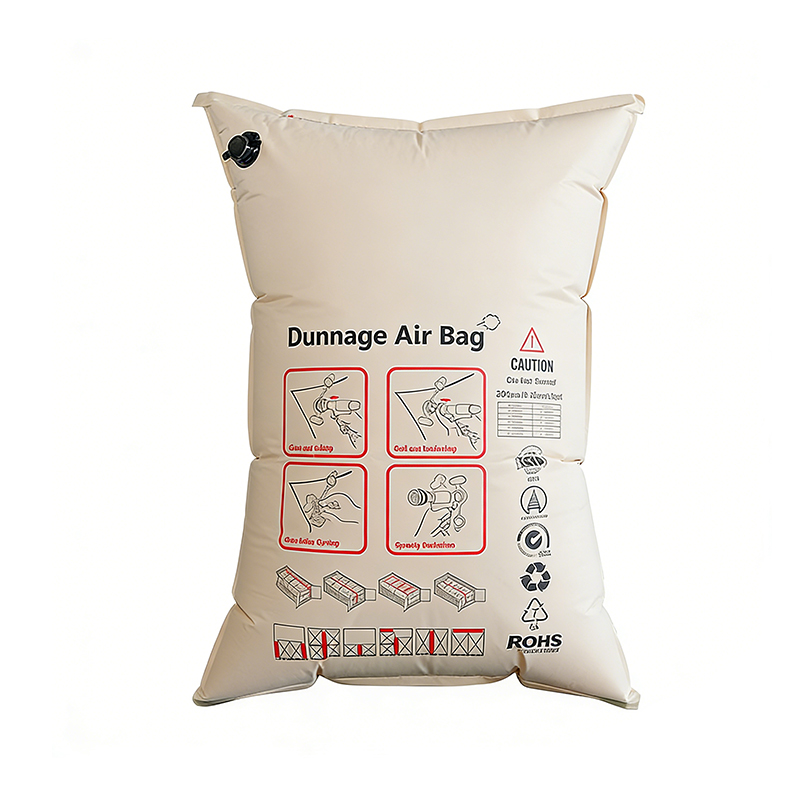
Dunnage air bags operate on a straightforward but highly effective mechanical principle. They consist of an inner bladder — typically made from polyethylene film — enclosed within a protective outer shell made of kraft paper, woven polypropylene, or a combination of materials. The bladder holds compressed air, while the outer shell provides structural strength and puncture resistance.
The inflation process is quick and requires only a standard air compressor or air regulator tool. Most bags feature a one-way valve that allows air in but prevents it from escaping once the target pressure is reached. Typical inflation pressure ranges from 2 to 8 PSI depending on the bag type and cargo requirements — low enough to be safe, but more than sufficient to stabilize multi-ton loads.
The Step-by-Step Process
- Place the deflated dunnage bag flat into the void space between cargo units.
- Attach the inflation nozzle to the bag's valve.
- Inflate the bag with compressed air to the recommended PSI level.
- The bag expands and presses firmly against the surrounding cargo walls.
- The cargo load is now secured and immobilized for the duration of transit.
Upon arrival, the bags are simply deflated and removed. Many types are reusable multiple times, making them both practical and cost-effective for high-volume shipping operations.
Types of Dunnage Bags and Their Applications
Not all dunnage bags are built the same, and understanding the differences helps you match the right product to your shipping scenario. Here is a breakdown of the most common types:
Kraft Paper Dunnage Bags
These are the most economical option and are widely used for light-to-medium cargo in dry trucking and intermodal applications. They are single-use products, biodegradable, and easy to dispose of. However, they are not suitable for humid environments or ocean freight, where moisture can degrade the paper shell quickly.
Polywoven Dunnage Bags
Made with a woven polypropylene outer layer and a polyethylene inner bladder, polywoven bags are significantly more durable than paper alternatives. They are moisture-resistant, reusable, and ideal for ocean containers, rail shipments, and applications where the bags may be exposed to rough handling or irregular surfaces.
Vinyl and Polyethylene Bags
These bags are used in niche applications where extreme flexibility or specific chemical resistance is required. They tend to be used in food-grade or pharmaceutical shipping environments where material compatibility matters.
Key Benefits of Using Dunnage Bags
Dunnage bags offer a range of advantages that go beyond simply preventing cargo movement. Here are the primary benefits that make them indispensable across industries:
- Damage reduction: By eliminating void spaces, dunnage bags prevent cargo from shifting, tipping, or colliding during transit — the root cause of the majority of in-transit damage claims.
- Cost savings: The cost of a dunnage bag is a fraction of the cost of a single damaged shipment. For high-value goods, the return on investment is immediate.
- Speed and simplicity: Dunnage bags can be installed in seconds with minimal training. No special tools or structural modifications to containers are required.
- Versatility: Available in a wide range of sizes — typically from 24"×24" up to 48"×96" and beyond — dunnage bags can be used in virtually any type of transport mode including road, rail, and sea.
- Load compliance: Many shipping standards and insurance policies require cargo to be properly secured. Using dunnage bags helps shippers meet these requirements and avoid claim disputes.
How to Choose the Right Dunnage Bag for Your Cargo
Selecting the correct dunnage bag comes down to four main factors: the size of the void space, the weight of the cargo, the mode of transportation, and the environmental conditions during transit.
Measure the void space before ordering. Dunnage bags should be slightly larger than the gap they are filling — typically the bag size should exceed the void by at least 20% to ensure adequate inflation contact pressure. Using a bag that is too small will result in insufficient support, while one that is far too large may be difficult to fit properly in the available space.
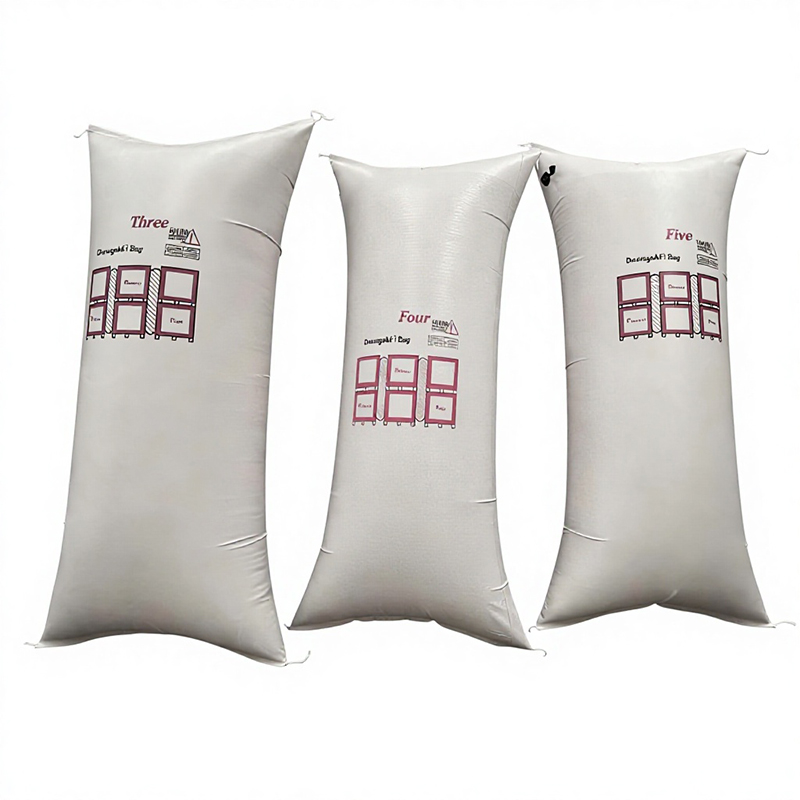
For ocean and rail freight, always opt for polywoven bags at Level 3 or higher. These transportation modes involve longer transit times and greater mechanical stress, and paper bags simply won't hold up under those conditions. For standard domestic truck freight involving palletized consumer goods, Level 1 or Level 2 paper bags are generally sufficient and more cost-effective.
Common Mistakes to Avoid When Using Dunnage Bags
Even a high-quality dunnage bag will fail if used incorrectly. These are the most frequent errors shippers make — and how to avoid them:
- Over-inflation: Inflating a bag beyond its rated PSI creates excessive pressure that can damage cargo surfaces or cause the bag to burst. Always follow the manufacturer's recommended inflation pressure.
- Using the wrong bag level: Choosing a light-duty paper bag for a heavy rail shipment is a common and costly mistake. Match the bag's rated capacity to your actual load weight.
- Placing bags near sharp edges: Metal banding, sharp pallet corners, or rough container walls can puncture the bag bladder. Use edge protectors or cardboard padding where sharp surfaces are unavoidable.
- Filling gaps that are too large: Dunnage bags have rated maximum void sizes. Attempting to inflate a bag in an excessively large gap will over-stress the bladder before adequate contact pressure is achieved.
Related Products



PRODUCT
CONTACT INFO
-
 +86-137 7421 9489
-
 +86-021-67558008
-
 [email protected]
-
 No.769 ,23# building, Fengliang Road,Fengcheng town,Fengxian District,Shanghai,China
MOBILE QR CODE
Copyright © Shanghai We Pack Co., Ltd. All Rights Reserved.
Cargo Securing Solutions Cargo Transport Protection Solutions

