
 Español

Industry News


Dunnage Bag Basics: How to Protect Cargo Safely During Transport
 2026.04.08
 Industry News
Content
- 1 What Is a Dunnage Bag and Why It Matters in Transport?
- 2 Common Types of Dunnage Bags Used in Logistics
- 3 Key Benefits of Using Dunnage Bags for Logistics and Transport
- 4
- 5 How to Choose the Right Dunnage Bag
- 6 Best Practices for Using Dunnage Bags Effectively
- 7 Common Mistakes to Avoid When Using Dunnage Bags
- 8 Future Trends in Dunnage Bag Technology
- 9 Final Thoughts on Dunnage Bag Applications
What Is a Dunnage Bag and Why It Matters in Transport?
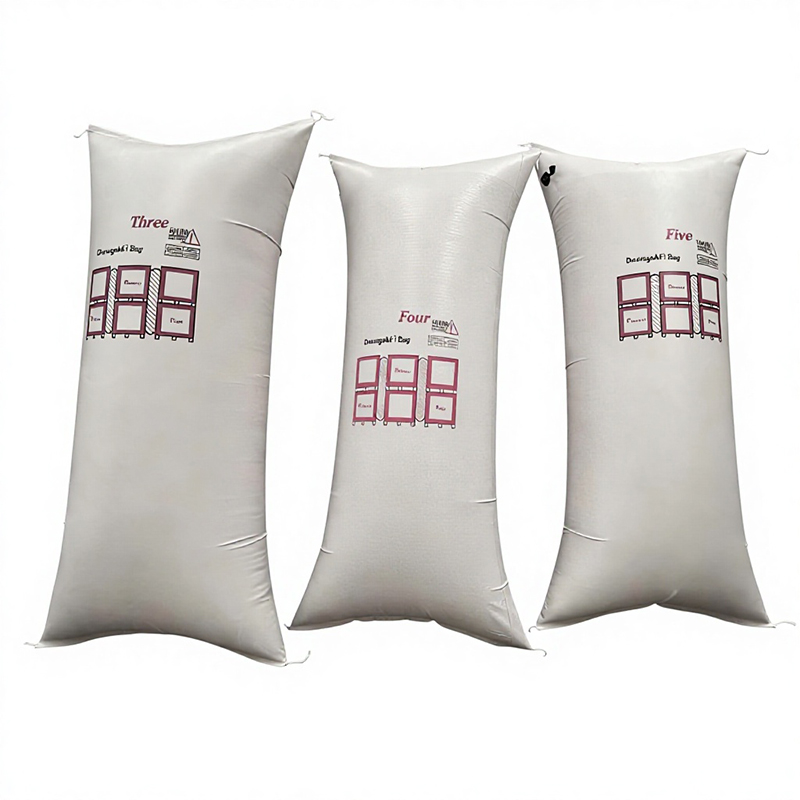
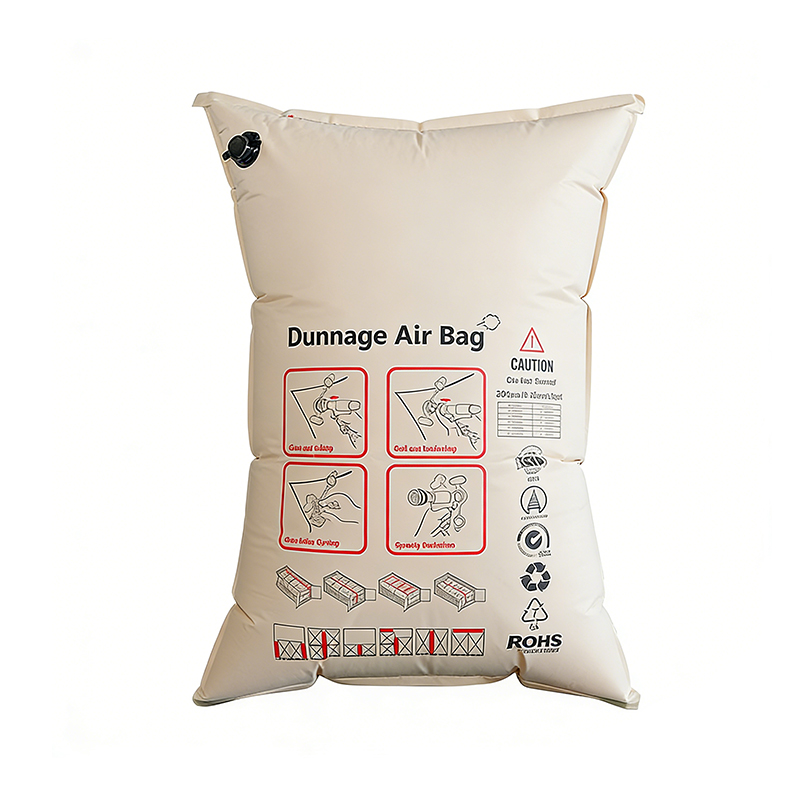
A Dunnage Bag is an inflatable packaging solution used to secure cargo during transportation. It is placed in the gaps between goods inside containers, trucks, railcars, or ships to prevent movement, vibration, and potential damage. In modern logistics and transport operations, maintaining cargo stability is critical to avoid losses, especially during long-distance shipping.
Dunnage bags for logistics and transport are typically made from durable materials such as kraft paper, polypropylene (PP), or polyethylene (PE). Once inflated, they act as cushions that absorb shocks and keep goods tightly in place.
Common Types of Dunnage Bags Used in Logistics
Different transportation environments require different types of dunnage bags. Choosing the right type ensures both safety and cost-effectiveness.
Paper Dunnage Bags
Paper dunnage bags are made with multiple layers of kraft paper and an inner plastic liner. They are cost-effective and widely used in container shipping. These bags are suitable for moderate loads and dry environments.
Woven Polypropylene Dunnage Bags
Woven PP dunnage bags offer higher strength and resistance to moisture. They are commonly used in heavy-duty applications such as rail transport or international shipping where conditions may vary.
Vinyl Dunnage Bags
Vinyl dunnage bags are reusable and highly durable. They are typically used in closed-loop logistics systems where bags can be recovered and reused multiple times.
Key Benefits of Using Dunnage Bags for Logistics and Transport
Using inflatable dunnage bags in cargo transport offers several practical advantages that directly impact efficiency and safety.
- Prevents cargo shifting during transit, reducing damage risk.
- Quick and easy to install compared to wooden bracing.
- Lightweight and space-saving before inflation.
- Cost-effective solution for large-scale shipping operations.
- Adaptable to different cargo shapes and container sizes.

How to Choose the Right Dunnage Bag
Selecting the right dunnage bag for transport depends on several practical factors, including cargo weight, shipping method, and environmental conditions.
| Factor | What to Consider | Recommended Option |
| Cargo Weight | Light, medium, or heavy loads | Use higher ply or woven bags for heavy cargo |
| Transport Mode | Truck, rail, or sea | Woven PP bags for rail and sea transport |
| Gap Size | Distance between cargo units | Select correct bag dimensions |
| Environment | Humidity, temperature, exposure | Moisture-resistant materials if needed |
Best Practices for Using Dunnage Bags Effectively
Proper usage of dunnage bags is essential to achieve maximum cargo protection. Incorrect installation can reduce effectiveness or even cause failure.
Positioning the Bag Correctly
Place the dunnage bag in the center of the gap between cargo units. Ensure that it covers the contact area evenly to distribute pressure properly.
Inflating to the Right Pressure
Avoid over-inflation, as it may cause the bag to burst. Under-inflation, on the other hand, reduces stability. Always follow the manufacturer’s recommended pressure guidelines.
Using Proper Tools
Use a calibrated air gun or inflator designed specifically for dunnage bags. This ensures consistent and safe inflation.
Common Mistakes to Avoid When Using Dunnage Bags
Even though dunnage bags are simple to use, certain mistakes can compromise their effectiveness.
- Using bags that are too small for the gap.
- Ignoring load weight limits specified by the manufacturer.
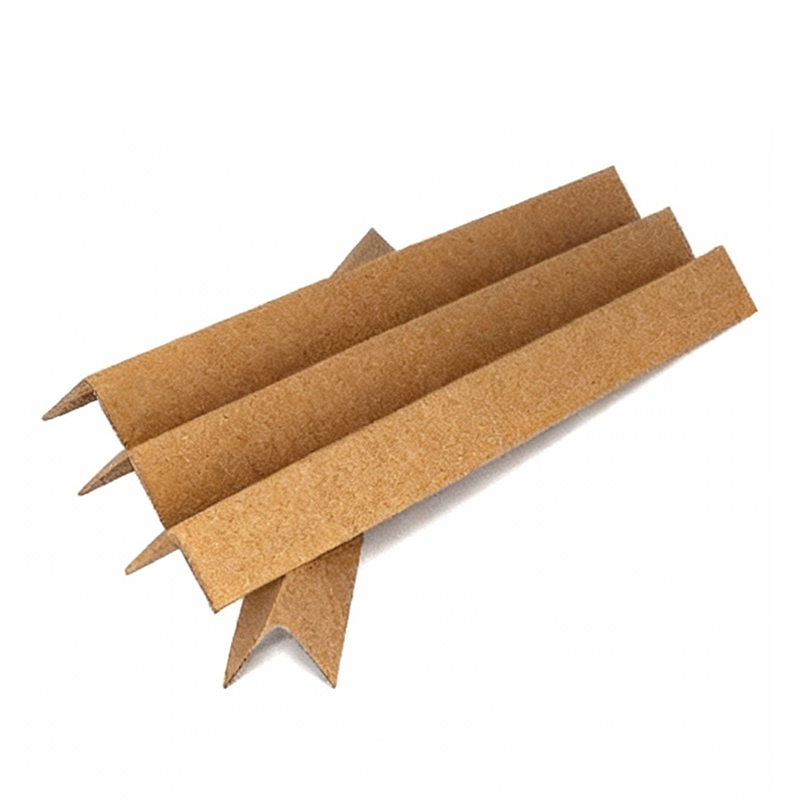
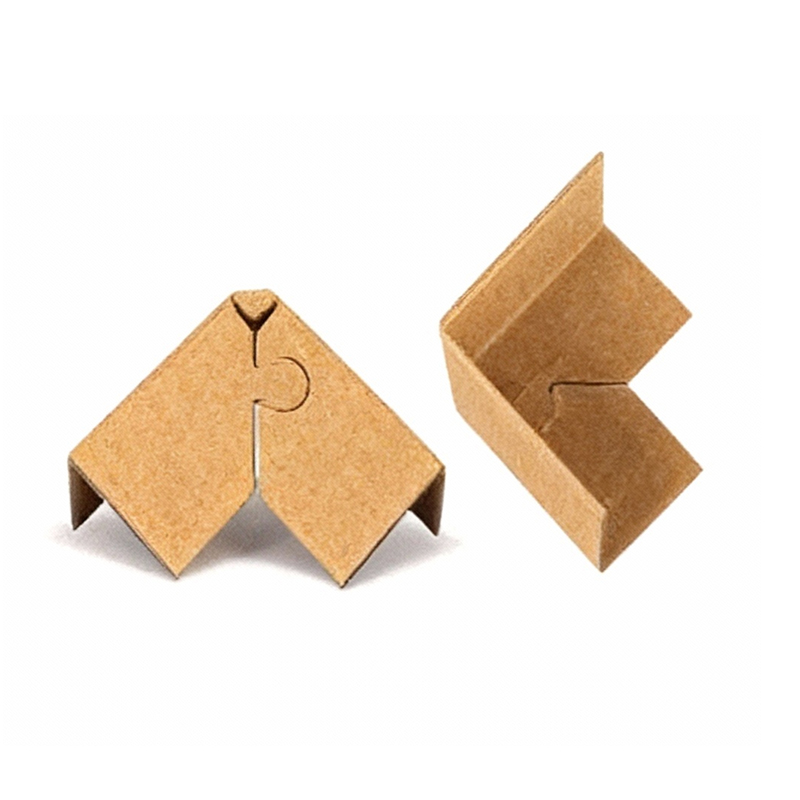
- Placing bags against sharp edges without protection.
- Reusing single-use paper dunnage bags.
Future Trends in Dunnage Bag Technology
The logistics industry is continuously evolving, and dunnage bag technology is improving alongside it. Manufacturers are developing stronger, lighter, and more eco-friendly materials to meet sustainability goals.
Smart dunnage bags with pressure indicators and reusable designs are becoming more popular, helping companies reduce waste while maintaining high safety standards in cargo transport.
Final Thoughts on Dunnage Bag Applications
Dunnage bags for logistics and transport are a simple yet highly effective solution for securing cargo. By selecting the right type, using proper installation techniques, and avoiding common mistakes, businesses can significantly reduce damage and improve shipping efficiency.
Whether for container shipping, rail transport, or trucking, investing in the right dunnage bag solution ensures safer deliveries and better overall logistics performance.
Related Products



PRODUCT
CONTACT INFO
-
 +86-137 7421 9489
-
 +86-021-67558008
-
 [email protected]
-
 No.769 ,23# building, Fengliang Road,Fengcheng town,Fengxian District,Shanghai,China
MOBILE QR CODE
Copyright © Shanghai We Pack Co., Ltd. All Rights Reserved.
Cargo Securing Solutions Cargo Transport Protection Solutions

