
 Español

Home / News / Industry News / Calcium Chloride Desiccant: High-Absorption Moisture Control for Cargo
Industry News


Calcium Chloride Desiccant: High-Absorption Moisture Control for Cargo
 2026.09.30
 Industry News
Calcium chloride desiccant is the heavy lifter of moisture protection in ocean freight. When a container leaves Shanghai in July and arrives in Rotterdam in August, the temperature inside that steel box can swing by twenty degrees Celsius or more every single day. Warm, humid air condenses on cooler cargo surfaces, and buyers open the doors to rusty machinery, mouldy cartons, or water-stained furniture. A properly sized calcium chloride desiccant is one of the simplest and most cost-effective defences against that outcome.
Content
- 1 What Is a Calcium Chloride Desiccant?
- 2 How It Captures and Holds Moisture
- 3 Calcium Chloride vs. Silica Gel vs. Montmorillonite
- 4 Where Calcium Chloride Desiccants Earn Their Place
- 5 How to Size and Place a Calcium Chloride Desiccant
- 6 Safety and Handling Considerations
- 7 What to Look for in a Calcium Chloride Desiccant Supplier
- 8 Frequently Asked Questions
What Is a Calcium Chloride Desiccant?
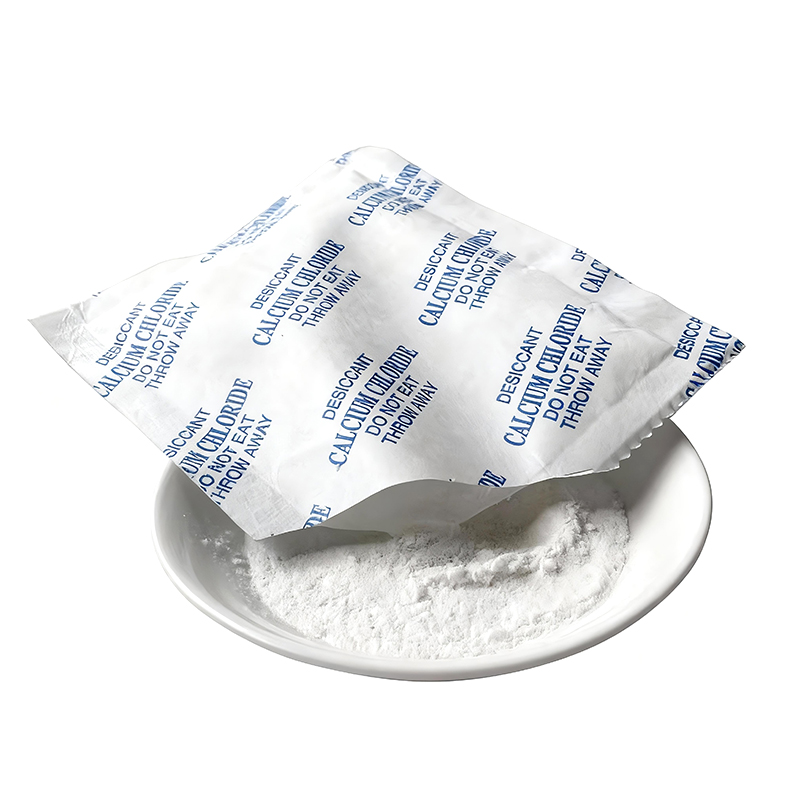
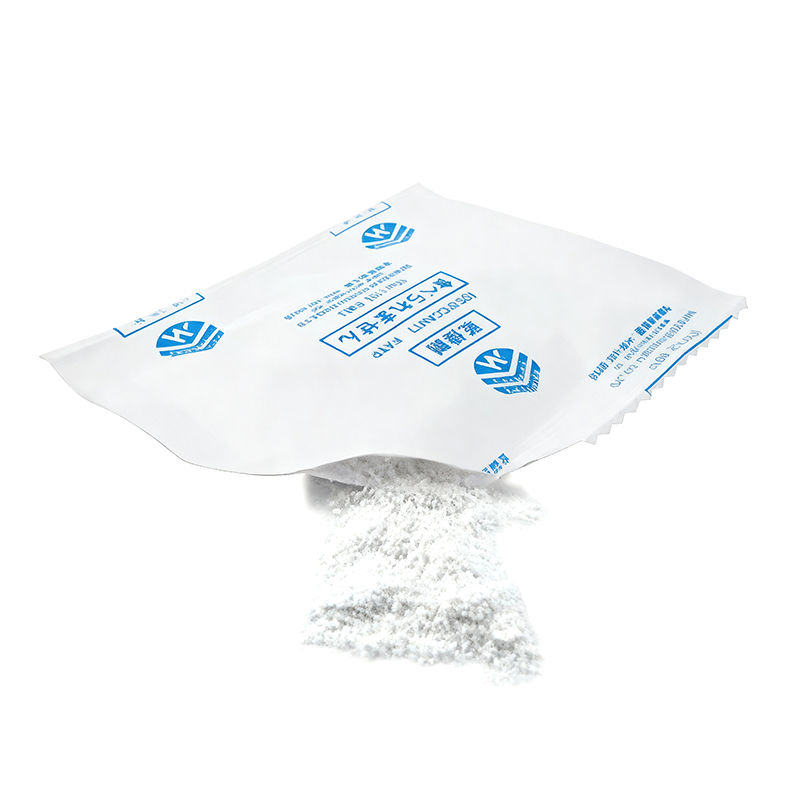
A calcium chloride desiccant is a moisture-absorbing product built around calcium chloride (CaCl2), a salt that is exceptionally good at pulling water out of the air. In transport packaging it usually appears as white granules or flakes sealed inside a breathable non-woven bag, a hanging container, or a hook-on strip for container use. Some formats add a gelling agent, so that the salt turns into a semi-solid rather than a free-flowing liquid as it becomes saturated.
Compared with other desiccants, calcium chloride stands out for one reason: capacity. Under favourable conditions it can absorb 200 to 300 percent of its own weight in water. Silica gel typically manages 20 to 35 percent in the same conditions, and montmorillonite clay around 20 percent. That gap explains why calcium chloride formats dominate container desiccant shelves, where space is limited and the moisture load is heavy.
It is worth noting that the same property which makes calcium chloride useful also makes it aggressive. The brine it forms is corrosive, and some early or poorly made products earned a reputation for leaking. Modern gel-type formats, with reliable sealing and a controlled release path, are a different animal from the loose salt bags of twenty years ago.
 Calcium Chloride Desiccant ManufacturersCustomizable Multi-Specification Silica Gel DesiccantView Product →
How It Captures and Holds Moisture
The process runs in two overlapping stages.
- Hydration. Dry calcium chloride grabs water molecules and locks them into a crystal structure, first forming a dihydrate and then a hexahydrate. The reaction releases heat, which is why a freshly opened pack can feel warm to the touch.
- Deliquescence. Once the salt has taken on enough water, it dissolves in its own moisture and becomes a liquid brine. That brine keeps absorbing water vapour until it reaches equilibrium with the surrounding air.
In a gel-type product, a starch or polymer additive thickens the brine as it forms, holding it inside the bag. In a plain granular product, the liquid has to be contained by the pouch itself. Packaging quality therefore matters as much as absorption chemistry, because a leaking bag turns a moisture problem into a corrosion and staining problem.
Calcium Chloride vs. Silica Gel vs. Montmorillonite
Calcium chloride is not automatically the right answer for every application. The table below puts the three most common transport desiccants side by side.
| Desiccant | Absorption capacity (% of own weight) | Absorption speed | State after absorbing | Best suited to |
|---|---|---|---|---|
| Calcium chloride | Up to 200-300% | Fast | Gel or brine | Containers, long sea voyages |
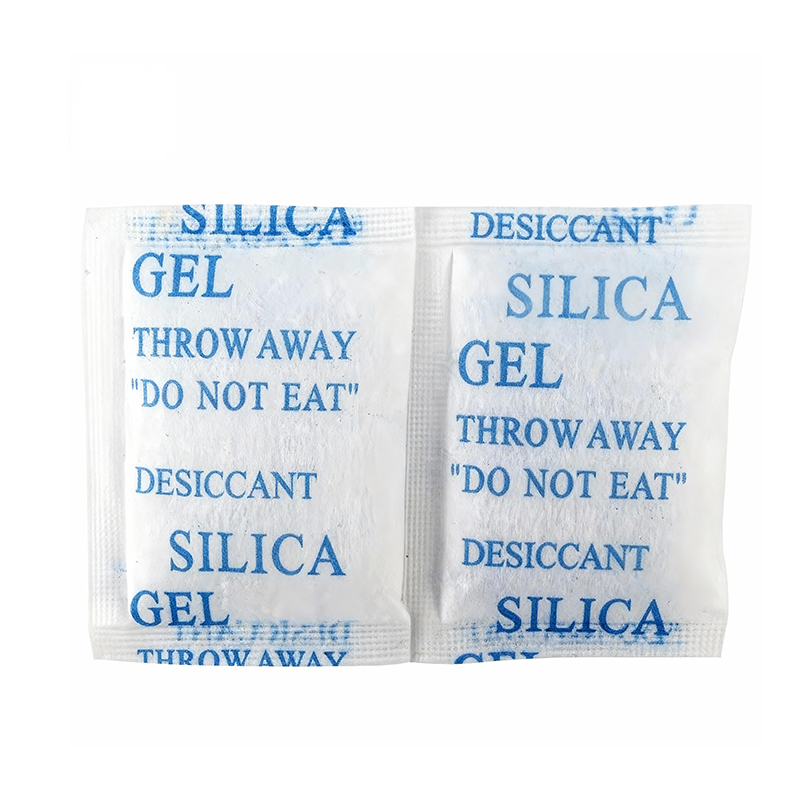
| Silica gel | 20-35% | Moderate | Dry granules | Electronics, small packages |
| Montmorillonite | Around 20% | Moderate to slow | Dry granules | Warehousing, cost-sensitive packing |
A simple rule of thumb: if you are protecting a full container load in a humid region or a voyage of thirty days or more, calcium chloride gives you far more capacity per unit of space. If you are protecting precision electronics or pharmaceutical goods where a leak is unacceptable, silica gel or montmorillonite is the safer choice. Many exporters end up combining the two, using calcium chloride in the container and silica gel inside the product packaging.
 Montmorillonite Desiccant ManufacturersFast Moisture Absorption Solidified Type Magnesium Chloride DesiccantView Product →
Where Calcium Chloride Desiccants Earn Their Place
In practice, calcium chloride desiccants are used most in large containers and in humid-climate warehousing. The main applications include:
- Ocean containers. Container rain is the classic problem. The day-night temperature cycle pushes moisture into the air inside the box, and when the walls cool, that vapour condenses on cargo surfaces and on the steel itself.
- Warehouses and distribution centres. Long storage in a humid climate softens cartons, loosens labels, and rusts metal racking.
- Machinery and metal parts. Rust starts long before paint fades. Condensation damages bearing surfaces, gears, and uncoated steel quickly.
- Electronics and appliances. Condensation is a common cause of ruined circuit boards, and the damage often only shows up after power is applied.
- Furniture, textiles, and leather. Mould and mildew odour are major sources of returns and claims.
- Paper and printed materials. Even light moisture causes wrinkling, warping, and failed binding.
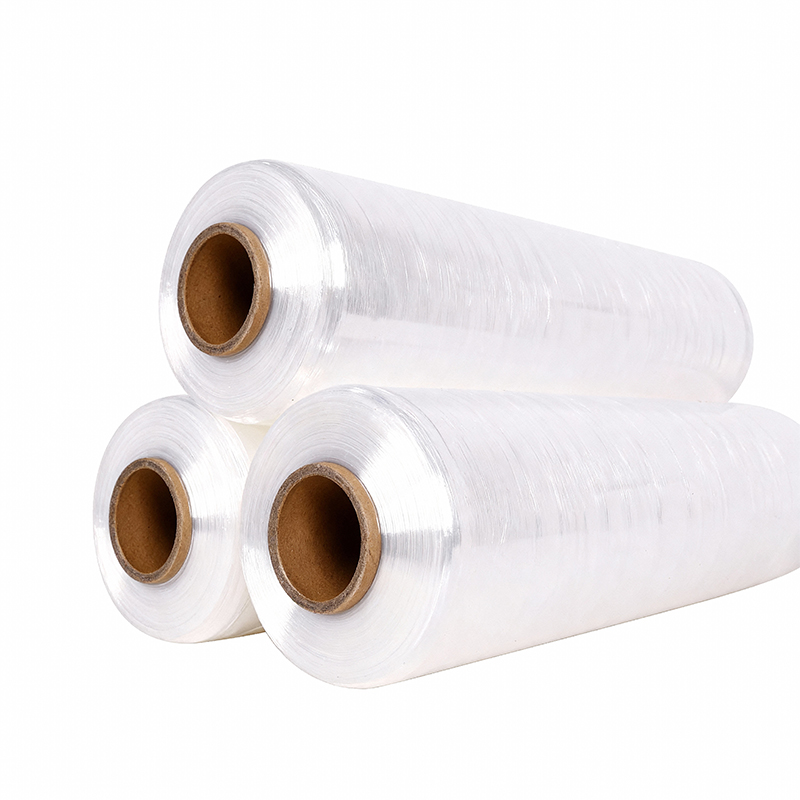
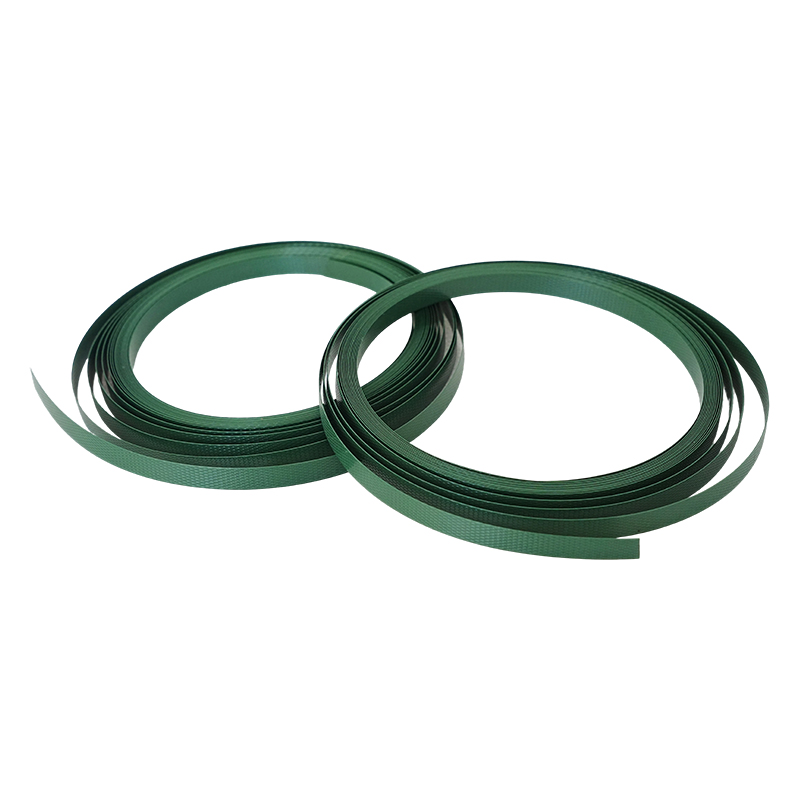
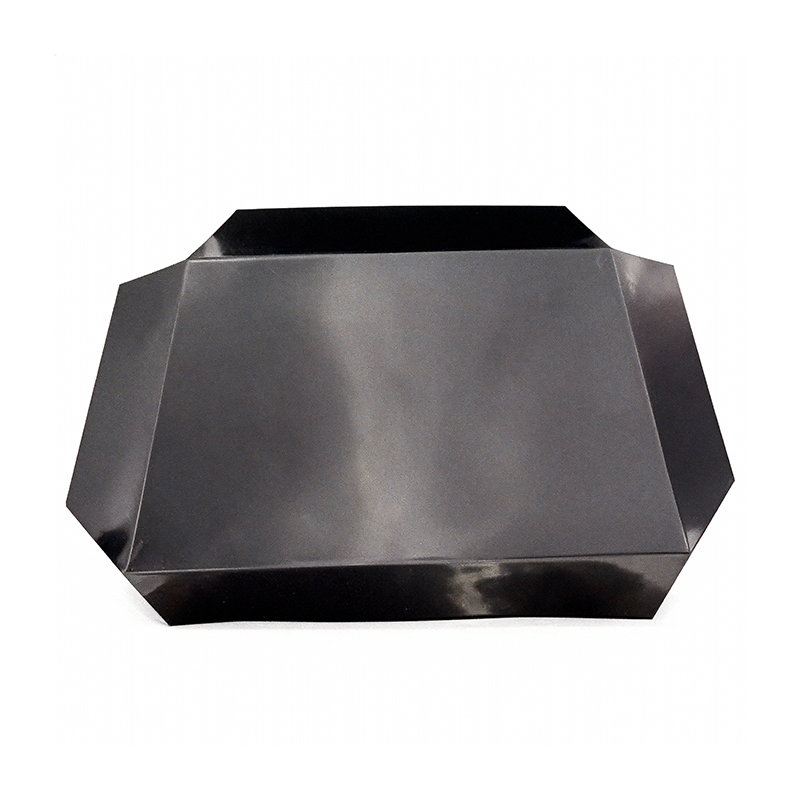
Anyone who has loaded a container knows that desiccant is only one part of the system. Protecting cargo during container transport also depends on how dunnage bags, slip sheets, and strapping work together to hold the load steady and keep air moving.
How to Size and Place a Calcium Chloride Desiccant
Sizing matters as much as choosing the type. Too little desiccant and it saturates before the voyage ends; too much and you are paying for capacity you never use. The calculation should be based on the moisture that can enter the container, not simply on container volume.
Factors worth putting into the calculation
- Moisture content of the cargo. Undried timber, cartons, textiles, and leather all release water during a voyage.
- Air volume inside the packaging. The more empty space, the more moisture the condensation cycle can carry.
- Voyage length and season. A thirty-day trans-Pacific leg and a five-day short-sea hop are not the same moisture load.
- Climate zones. Routes crossing the equator are the harshest on a container.
- Container condition. Older boxes, open-top units, and containers with damp floors hold more moisture. Inspecting for leaks, rust, and wet patches before loading is a necessary step.
For container work, hanging desiccant strips inside the doors and toward the top of the box usually performs best, because condensation runs down the walls and is absorbed before it can drip onto the cargo. For smaller enclosed spaces such as electrical cabinets, tool lockers, or individual shipping crates, a 200 to 300 gram gel format is often more practical than a large strip.
 High Absorption Rate 200%-300% Gel Type Calcium Chloride DesiccantMagnesium Chloride Desiccant Material Properties: White powder with strong hygroscopicity and stable form after moisture absorption. Moisture Absorption Performance: N...View Product →
Safety and Handling Considerations
A calcium chloride desiccant is an industrial product and deserves to be treated like one. Whether you are packing in a warehouse or unpacking at destination, a few points are worth keeping in mind:
- Do not open the desiccant bags. The granules can irritate eyes, skin, and the respiratory tract.
- Avoid direct contact with the brine. Calcium chloride solution is slippery, corrosive, and capable of damaging certain metal finishes and coatings.
- Keep the product away from children and pets. Sachets are easy to swallow and should never be left loose.
- Replace saturated units promptly and dispose of them according to local regulations.
- Wash hands after handling, and wear gloves when dealing with damaged packaging.
- Never place the desiccant directly against precision instruments or bare metal without a barrier layer between them.
People sometimes ask whether calcium chloride is dangerous in a home setting. In industrial transport use the situation is different: the product is not designed to be opened or handled casually. Inside a sealed, properly positioned container bag, it is a controlled and widely used way to manage a very common shipping risk.
What to Look for in a Calcium Chloride Desiccant Supplier
Calcium chloride desiccant looks like a simple product, but quality varies more than most buyers expect. Sealing strength, bag breathability, gel formulation, and weight consistency all affect whether the unit survives a full voyage. A dependable supplier usually offers:
- In-house production and quality control rather than pure trading.
- A full range covering both container strips and small gel packs for confined spaces.
- Leak-resistant design backed by testing records.
- Support for custom sizes, private label programs, and unusual moisture loads.
Shanghai We Pack Co., Ltd. was established in 2019 as a subsidiary of Shanghai Dreammao Packaging Technology Co., Ltd. Our work sits inside the transport packaging field: cargo securing, transport protection, and loading optimisation. Within our catalogue, desiccants sit alongside strapping, paper corner protectors, dunnage bags, slip sheets, stretch film, and the tools that go with them, which means we can assess a desiccant choice as part of a complete packing plan rather than in isolation. Calcium chloride, magnesium chloride, montmorillonite, and silica gel series are all available with customised specifications and private label options.
Frequently Asked Questions
How long does a calcium chloride desiccant last?
It depends on the moisture load, the temperature, and the air volume it is protecting. In a well-designed container application, a one kilogram unit typically covers a port-to-port voyage with margin to spare. In hot, very humid conditions the same unit may approach saturation sooner, so building in a safety factor during selection is worthwhile.
Is a container desiccant strip the same thing?
Most container strips, the hook-on type that hangs near the doors, are filled with calcium chloride. The category name describes the format and the way it is installed, not a different absorption chemistry.
Can it leak?
Plain granular bags can seep brine once they are saturated. Gel-type products are formulated to lock the liquid into a thickened mass, so they are the better choice whenever there is a zero-leak requirement. Either way, positioning the unit above the cargo rather than beside it is good practice.
Getting a desiccant program right takes less time than a price negotiation. Work out the moisture load on your route, size the units to the cargo and the space, choose reliable packaging, and place every unit where condensation actually forms. Do those four things and you avoid a long list of rusted parts, mouldy cartons, returns, and claims. If you would like to walk through your own specifications, our team is happy to go through them with you.
Related Products


PRODUCT
CONTACT INFO
-
 +86-137 7421 9489
-
 +86-021-67558008
-
 [email protected]
-
 No.769 ,23# building, Fengliang Road,Fengcheng town,Fengxian District,Shanghai,China
MOBILE QR CODE
Copyright © Shanghai We Pack Co., Ltd. All Rights Reserved.
Cargo Securing Solutions Cargo Transport Protection Solutions

