
 Español

Industry News


Slip Sheet: The Thin Sheet That Saves You Money on Every Shipment
 2026.07.09
 Industry News
Content
- 1 What Exactly Is a Slip Sheet?
- 2 What Is a Slip Sheet, Really?
- 3 How Much Can a Slip Sheet Really Save You?
- 4 Types of Slip Sheets – Which One Should You Choose?
- 5 How Do You Actually Use a Slip Sheet?
- 6 Which Industries Are Already Using Slip Sheets?
- 7 Why Are Slip Sheets More Environmentally Friendly?
- 8 Market Trends – Where Is the Slip Sheet Industry Heading?
- 9 Is a Slip Sheet Right for Your Business?
What Exactly Is a Slip Sheet?
If you’re still shipping everything on heavy wooden pallets, you’re probably paying too much for freight and wasting valuable warehouse space. More and more exporters, e‑commerce sellers, and logistics providers are switching to a simple but powerful alternative: the slip sheet. It’s as thin as a piece of cardboard, yet it can replace a bulky pallet, carrying the same load safely while taking up almost no space. In plain English, a slip sheet lets you pack more goods into every container and cut your shipping bill significantly. This article breaks down everything you need to know – what it is, how much you can save, how to use it, and whether it’s right for your business.
What Is a Slip Sheet, Really?
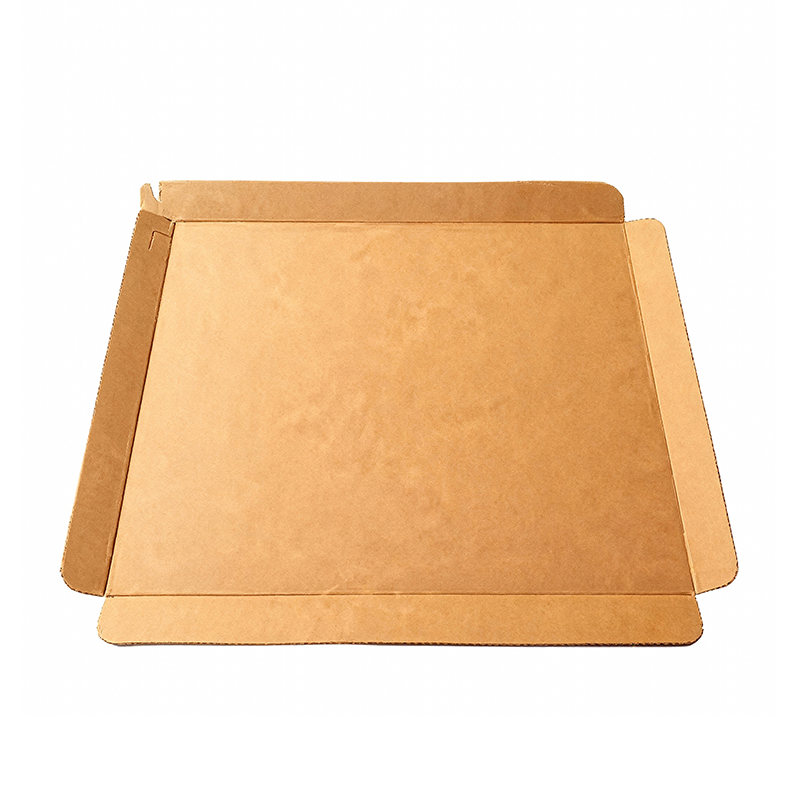
A slip sheet is a flat sheet made of corrugated paperboard, solid fibreboard, or plastic. It sits under a unit load of goods, and one or more edges extend outward like a tab. A forklift fitted with a push‑pull attachment grips that tab, pulls the whole load onto the forklift’s platens, and moves it just like a pallet – but without the heavy base.
Think of it as a “disposable pallet” that weighs less than 1 kg and is only 0.3 to 1.2 mm thick. Traditional wooden pallets, by contrast, weigh 15–25 kg and stand 100–150 mm high. The slip sheet’s thin profile is exactly where the savings come from.
How Much Can a Slip Sheet Really Save You?
Let’s get straight to the numbers – because that’s what matters most.
| Comparison | Slip Sheet | Wood Pallet | Plastic Pallet |
| Cost per unit (RMB) | ¥5 – 20 | ¥80 – 150 | ¥120 – 300 |
| Weight per sheet | 0.5 – 2 kg | 15 – 25 kg | 10 – 20 kg |
| Thickness | 0.3 – 1.2 mm | 100 – 150 mm | 100 – 150 mm |
| Storage space | Stackable, minimal | Bulk and heavy | Bulk and heavy |
| Export fumigation | Not required | ISPM15 required | Not required |
A paper slip sheet costs as little as ¥6 per square metre – for a standard 1250×1100 mm sheet, that’s about ¥8 per piece. A wooden pallet, in contrast, averages ¥120, and a plastic one can be ¥200 or more. That’s a 90%+ saving on the pallet itself.
But the real money is in freight. Because a slip sheet is 20 times lighter than a pallet, and 100 of them stack in the space of one pallet, you reclaim every centimetre of height and every kilogram of weight inside your container. Real‑world tests show that replacing pallets with slip sheets boosts a 20‑foot container’s capacity by 25%. In a 40‑foot high‑cube, that meant 68 extra cartons of electronics – an additional $1,800 of revenue per container. Over a year on a single trade lane, that adds up to more than $2.2 million in extra profit.
Types of Slip Sheets – Which One Should You Choose?
Slip sheets come in three main materials. Your choice depends on your product weight and shipping environment.
Paper (Kraft) Slip Sheets
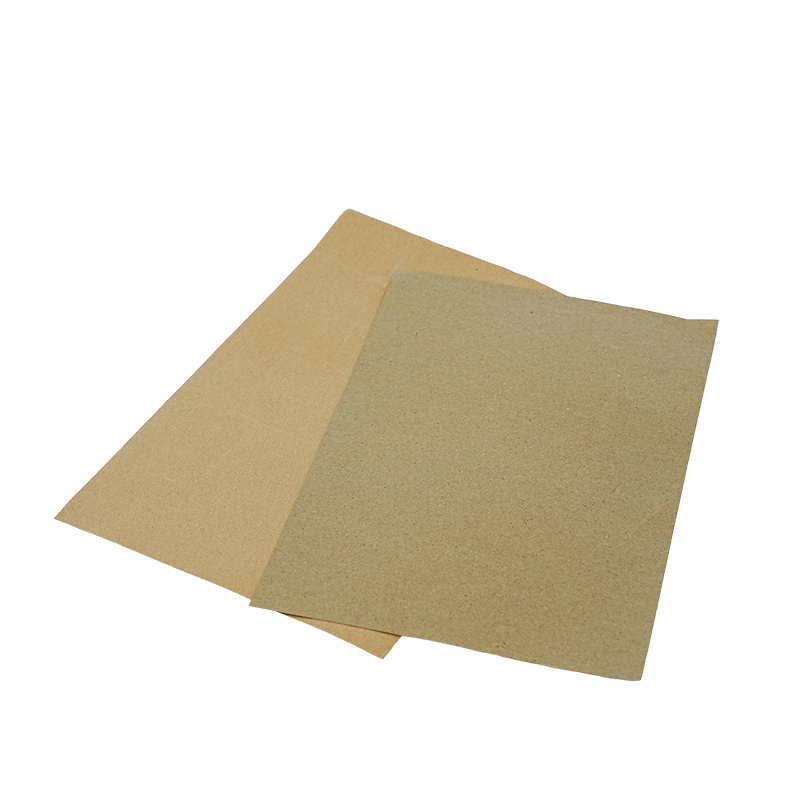
Made from multiple layers of kraft paper, 0.5–0.8 mm thick, with a load capacity of 500–800 kg. They are cheap, recyclable, and fumigation‑free – ideal for e‑commerce parcels, consumer goods, and cartoned products. Paper slip sheets are typically used for one‑way shipments.
HDPE Plastic Slip Sheets
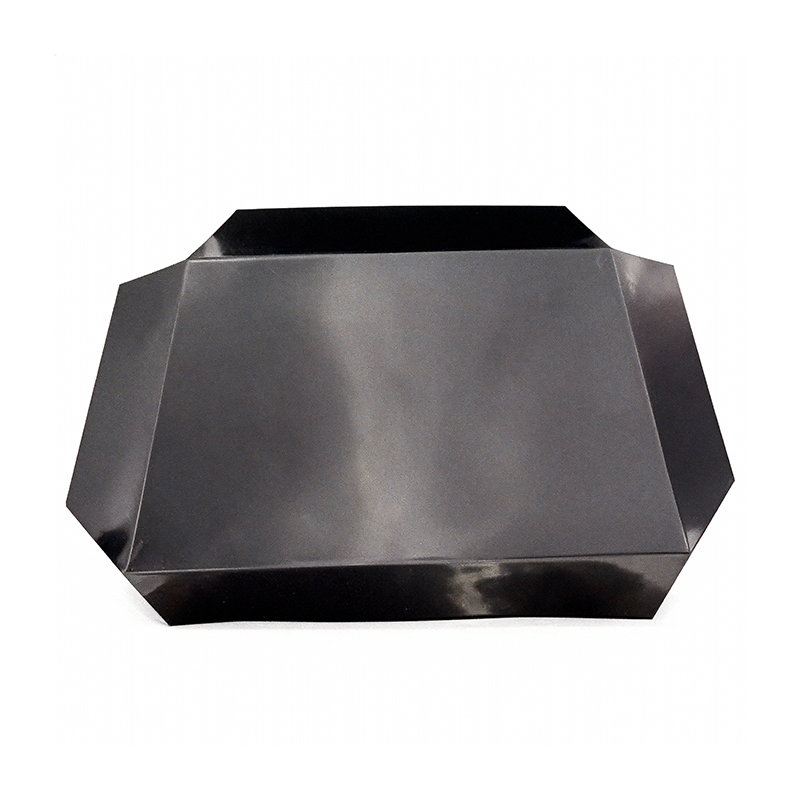
Thicker at 0.8–1.2 mm, they handle 1000–1500 kg. They are moisture‑proof and perform well from –30°C to 80°C, making them perfect for food, pharmaceuticals, cold chains, and ocean freight. Plastic slip sheets are reusable and great for warehouse turnover.
Composite Slip Sheets
A combination of kraft paper and plastic film, with a capacity of 800–2000 kg. They offer the rigidity of paper and the moisture resistance of plastic, suitable for high‑humidity environments or export packaging.
Slip sheets also come with different numbers of “tabs” (pull edges): one‑tab for one‑way shipping, two‑tab as the standard, and four‑tab for repeated warehouse handling.
How Do You Actually Use a Slip Sheet?
You cannot lift a slip sheet with a standard forklift – it has no holes for forks. You need a push‑pull attachment fitted to your forklift.
The operation is straightforward in four steps:
- Step 1 – The driver aligns the push‑pull attachment with the exposed tab of the slip sheet.
- Step 2 – The clamping mechanism grips the tab firmly.
- Step 3 – The linkage retracts, pulling the slip sheet and its load onto the attachment’s platens.
- Step 4 – At the destination, the push‑off plate slides the load out. If a slip‑sheet retainer is used, the load is pushed off while the slip sheet stays on the attachment.
The whole process is fully mechanical; a skilled operator can complete a pick‑up or drop‑off in seconds. Studies show that using push‑pull attachments can cut loading/unloading time by up to 60%.
Which Industries Are Already Using Slip Sheets?
The application scope is broader than most people imagine.
E‑commerce & Retail Logistics
Amazon FBA inbound shipments accept slip sheets directly – no need to palletise separately. For standardised cartons, slip sheets drastically reduce storage footprint.
Food & Beverage
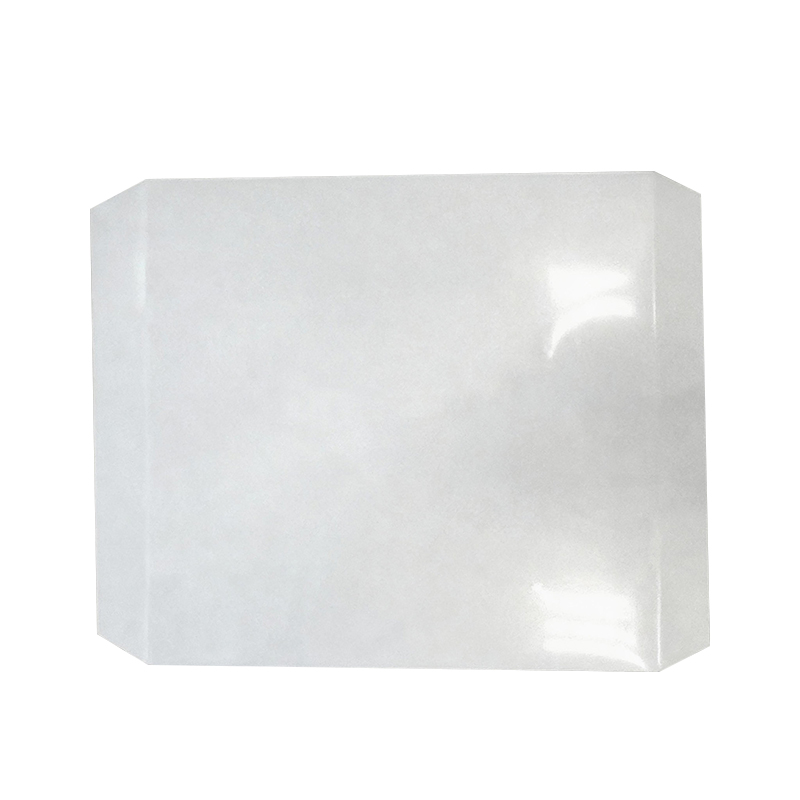
Bottled water, drinks, and canned goods are ideal for slip sheets – they avoid the contamination risks of wooden pallets. Coca‑Cola uses FDA‑approved white HDPE slip sheets on its filling lines.
Cold Chain Logistics
HDPE slip sheets resist moisture and mould, staying stable at –25°C. They don’t absorb water – unlike wooden pallets that can gain several kilograms of weight in a cold environment.
Ocean Freight & Export
This is the traditional stronghold. More container space, no fumigation, and lower quarantine costs. Maersk’s case study showed that using slip sheets added 68 extra cartons of electronics per 40‑foot high‑cube container.
Automotive & Electronics
Tesla’s Shanghai Gigafactory uses specialised anti‑vibration slip sheets for battery modules. The electronics industry also demands anti‑static and dust‑proof versions.
Why Are Slip Sheets More Environmentally Friendly?
Sustainability is not just a slogan – it’s measurable. Slip sheets have clear advantages:
- 100% recyclable – paper slip sheets are fully recyclable; many plastic ones are made from over 90% recycled resin.
- No fumigation – no ISPM15 treatment, saving chemicals and costs.
- Lower carbon footprint – lighter weight means less fuel and lower CO₂ emissions. IKEA reported that a reusable slip sheet used 23 times has an 89% lower carbon footprint than a wooden pallet.
- Less wood consumption – reduces the demand for timber, preserving forest resources.
Market Trends – Where Is the Slip Sheet Industry Heading?
The market is growing fast. The global slip sheet market was valued at about $580 million in 2024 and is projected to reach $920 million by 2032, at a CAGR of 6.7%. Another estimate puts the 2025 market at $1.6 billion, climbing to $2.6 billion by 2032.
Key growth drivers include:
- Automation – slip sheets integrate seamlessly with AGVs and AMR robots.
- Environmental regulations – policies like the EU’s plastic tax are pushing companies toward lighter, greener alternatives.
- Cost pressure – rising freight and warehouse costs make any efficiency tool more attractive than ever.
Is a Slip Sheet Right for Your Business?
Consider making the switch if any of these apply to you:
- You frequently export by sea and want to cut freight and fumigation costs.
- Your warehouse is tight and you need better space utilisation.
- Your products are standardised and can be stretch‑wrapped as unit loads.
- You have green supply chain or ESG targets to meet.
- You want to reduce per‑shipment packaging costs, especially for one‑way trips.
Of course, switching to slip sheets has prerequisites: your forklifts need the push‑pull attachment; loads must be properly stretch‑wrapped; paper slip sheets need moisture protection. But these investments typically pay for themselves within a few months, given the savings on pallets and freight.
From a thin sheet to a complete logistics upgrade – the slip sheet is not a sci‑fi gadget; it’s a proven, simple, and effective solution. If your goods are still going out one pallet at a time, run the numbers. The answer might be clearer than you think.
Related Products


PRODUCT
CONTACT INFO
-
 +86-137 7421 9489
-
 +86-021-67558008
-
 [email protected]
-
 No.769 ,23# building, Fengliang Road,Fengcheng town,Fengxian District,Shanghai,China
MOBILE QR CODE
Copyright © Shanghai We Pack Co., Ltd. All Rights Reserved.
Cargo Securing Solutions Cargo Transport Protection Solutions

