
 Español

Home / News / Industry News / Paper Corner Protectors: How to Keep Your Prints, Photos, and Packages Safe From Dents and Bent Corners
Industry News


Paper Corner Protectors: How to Keep Your Prints, Photos, and Packages Safe From Dents and Bent Corners
 2026.08.25
 Industry News
Content
- 1 What Are Paper Corner Protectors and Why They Matter
- 2 Common Types of Paper Corner Protectors
- 3 Where Paper Corner Protectors Are Used Most
- 4 How to Choose the Right Corner Protector for Your Needs
- 5 Step-by-Step: How to Apply Paper Corner Protectors
- 6 Mistakes to Avoid When Using Corner Protectors
- 7 Are Paper Corner Protectors Eco-Friendly?
- 8 Buying in Bulk: What to Look For
What Are Paper Corner Protectors and Why They Matter
Paper corner protectors are small, angled pieces of material—usually cardboard, chipboard, or molded pulp—that slip over the corners of a flat item to shield it from impact damage. They are most commonly used when shipping or storing prints, photographs, posters, artwork, certificates, picture frames, and mirrors. Corners are the most vulnerable part of any flat item because they take the brunt of drops, stacking pressure, and rough handling during transit. Without protection, even a single bump can crease, crush, or fold a corner, ruining an otherwise perfect piece.
Unlike bulkier foam or plastic guards, paper corner protectors are lightweight, inexpensive, and easy to store flat until needed. This makes them a favorite among photographers, printing companies, framers, and e-commerce sellers who need reliable protection without adding significant weight or cost to their shipments.
Common Types of Paper Corner Protectors
Not all corner protectors are built the same. Depending on what you're shipping and how much protection you need, you'll find several different styles on the market.
Cardboard V-Corner Guards
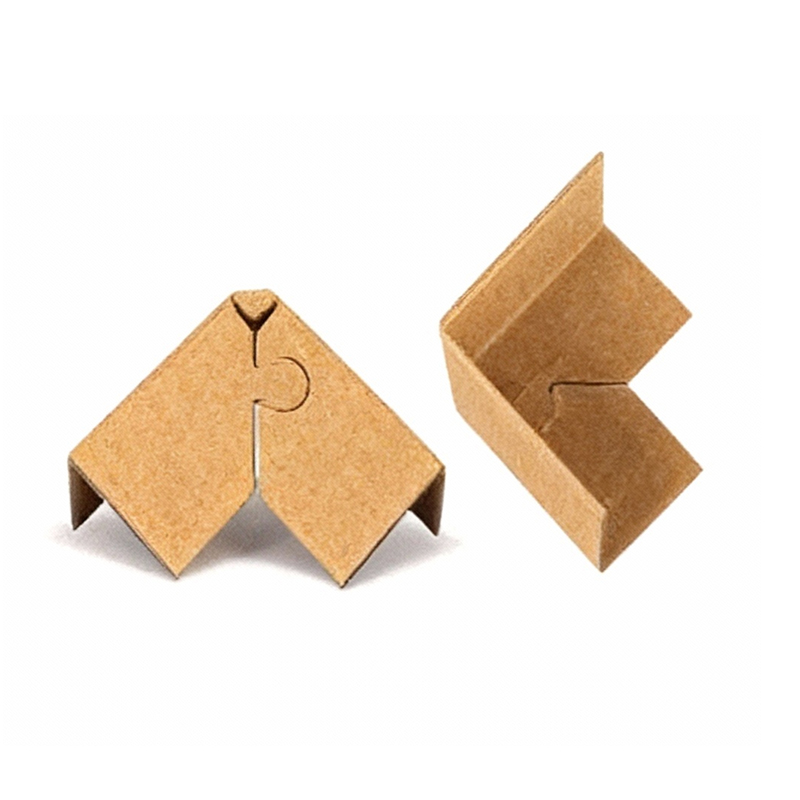
These are folded, V-shaped pieces of thick cardboard that wrap around a corner and are typically secured with tape or a rubber band. They are the most common and budget-friendly option for shipping flat prints or framed items.
Molded Pulp Corners
Made from compressed recycled paper pulp, these protectors offer a bit more cushioning and rigidity. They are often used for heavier or more fragile items like glass-framed artwork or mirrors.
Adhesive-Backed Paper Corners
These stick directly onto the item's corner and are popular for photo albums, scrapbooks, and archival storage where a semi-permanent, low-profile solution is preferred.
Where Paper Corner Protectors Are Used Most
Corner protectors show up in more industries than people expect. Here are the most common use cases:
- Shipping framed art, photographs, and diplomas
- Protecting mirrors and glass panels during transport
- Packaging furniture with sharp edges, like tabletops or cabinet doors
- Archiving vintage photographs and documents in albums
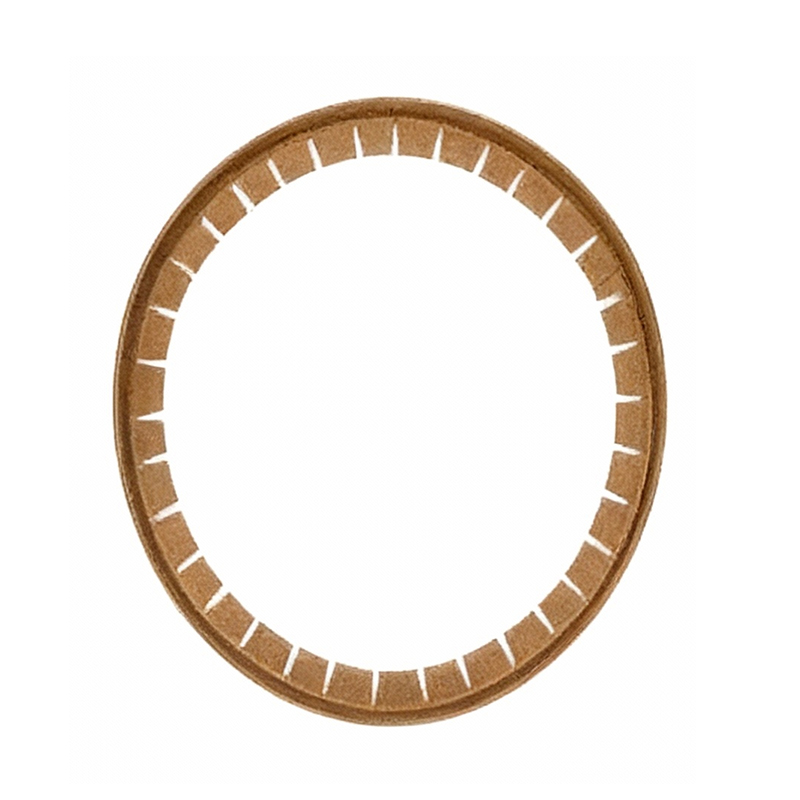
- Bundling stacked cardboard boxes on pallets for freight shipping
How to Choose the Right Corner Protector for Your Needs
Selecting the right protector depends on the weight, fragility, and value of the item you're protecting. A lightweight print doesn't need the same reinforcement as a framed painting being shipped across the country. Below is a quick comparison to help you decide.
| Item Type | Recommended Protector | Why |
| Loose photo prints | Cardboard V-corners | Lightweight, inexpensive, easy to tape |
| Framed artwork | Molded pulp corners | Extra cushioning for glass and frames |
| Scrapbook photos | Adhesive paper corners | Low-profile, archival-safe |
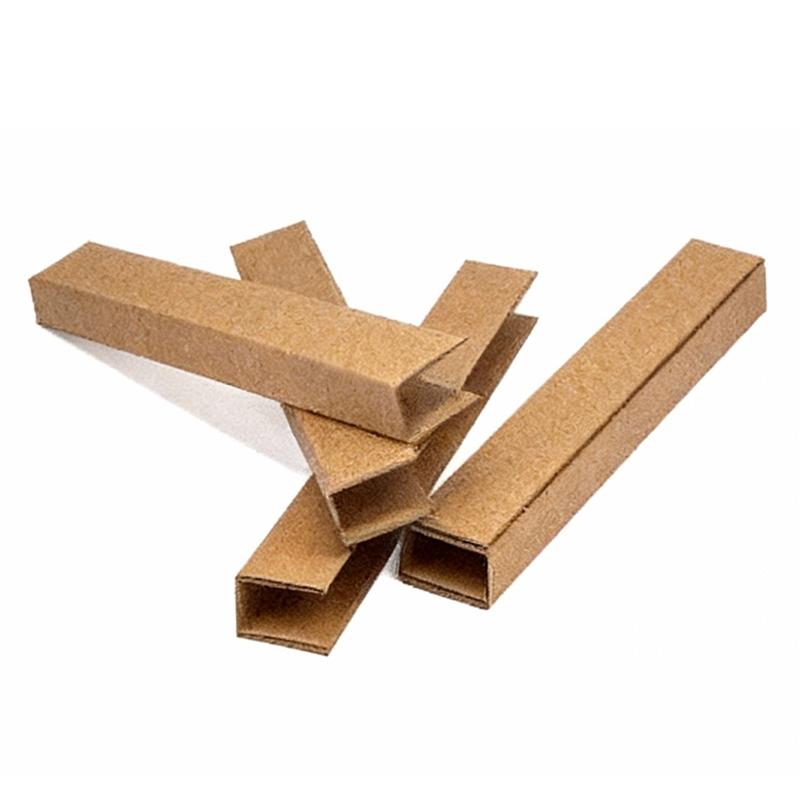
| Stacked boxes on pallets | Heavy-duty cardboard edge guards | Prevents crushing under strapping pressure |
Step-by-Step: How to Apply Paper Corner Protectors
Applying corner protectors correctly makes a big difference in how well they perform. Follow these steps for the best results:
- Clean and dry the item's surface before applying any protector
- Slide the protector fully onto the corner so it covers both edges evenly
- Secure with low-tack tape if the protector isn't self-adhesive, avoiding tape directly on delicate surfaces
- Repeat on all four corners, even if only one side seems at risk
- Wrap the entire item in bubble wrap or a protective sleeve after corners are secured
Mistakes to Avoid When Using Corner Protectors
Even with the right materials, poor application can lead to damage. Watch out for these common mistakes.
Using Protectors That Are Too Small
A protector that doesn't fully cover the corner leaves a gap where damage can still occur. Always measure your item's thickness and choose a protector sized to match.
Skipping Protectors on "Sturdy" Items
Even rigid items like framed prints or thick posters can suffer corner dings from stacking weight or a single hard drop. It's rarely worth the risk to skip protection just to save a few cents.
Applying Tape Directly to Artwork
Taping directly onto a print or photograph can peel off ink or coating when removed. Always tape the protector to itself or to the outer packaging, not the item's surface.
Are Paper Corner Protectors Eco-Friendly?
One major advantage of paper-based corner protectors over plastic or foam alternatives is recyclability. Most cardboard and molded pulp protectors are made from recycled material and can be recycled again after use, making them a popular choice for businesses focused on sustainable packaging. If eco-friendliness is a priority, look for protectors labeled as post-consumer recycled content and avoid versions laminated with plastic film, which can complicate recycling.
Buying in Bulk: What to Look For
Businesses that ship prints, frames, or packages regularly often buy corner protectors in bulk to save money. When purchasing in larger quantities, pay attention to wall thickness, corner angle consistency, and whether the protectors are pre-scored for easy folding. Cheaper bulk options sometimes use thinner cardboard that flattens under pressure, so it's worth ordering a small sample batch before committing to a large order.
Related Products


PRODUCT
CONTACT INFO
-
 +86-137 7421 9489
-
 +86-021-67558008
-
 [email protected]
-
 No.769 ,23# building, Fengliang Road,Fengcheng town,Fengxian District,Shanghai,China
MOBILE QR CODE
Copyright © Shanghai We Pack Co., Ltd. All Rights Reserved.
Cargo Securing Solutions Cargo Transport Protection Solutions

