
 Español

Industry News


Paper Corner Protectors: Don't Let Your Products Get Dinged Up
 2026.05.08
 Industry News
Content
- 1 Why Use Paper Corner Protectors Instead of Plastic?
- 2 Different Types of Paper Corner Edge Protectors
- 3 Key Benefits for Your Packaging Process
- 4 How to Select the Right Size and Strength
- 5 Real‑World Applications and Examples
- 6 Installation Tips and Best Practices
- 7 Comparing Paper Corner Protectors to Other Materials
Why Use Paper Corner Protectors Instead of Plastic?
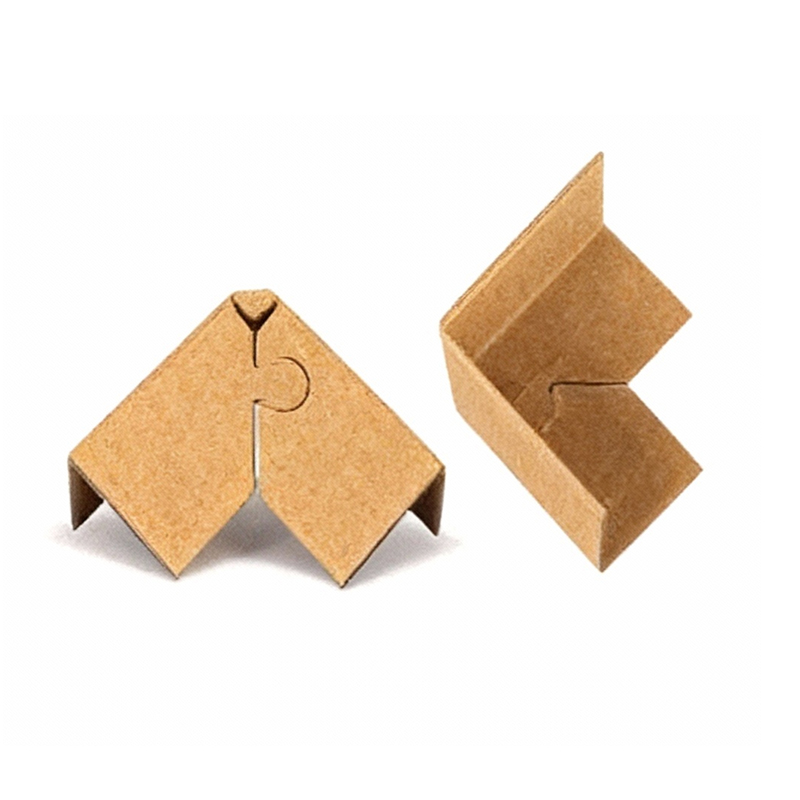
Paper corner protectors are a simple but brilliant solution for keeping your products safe. If you’ve ever received a box with smashed corners, you know how frustrating that is. These little L-shaped guards slide right onto the edges of your items, absorbing impact during shipping and storage. Unlike plastic or foam, paper versions are fully recyclable, biodegradable, and often made from post-consumer waste. They’re strong enough to stack heavy pallets but gentle on the environment. Plus, they don’t add that “cheap” look – they actually make your packaging look clean and professional.
Different Types of Paper Corner Edge Protectors
Not all paper corner protectors are the same. Depending on what you’re shipping, you’ll want a specific style. Here are the most common ones you’ll run into:
L‑Shaped Rigid Edge Protectors
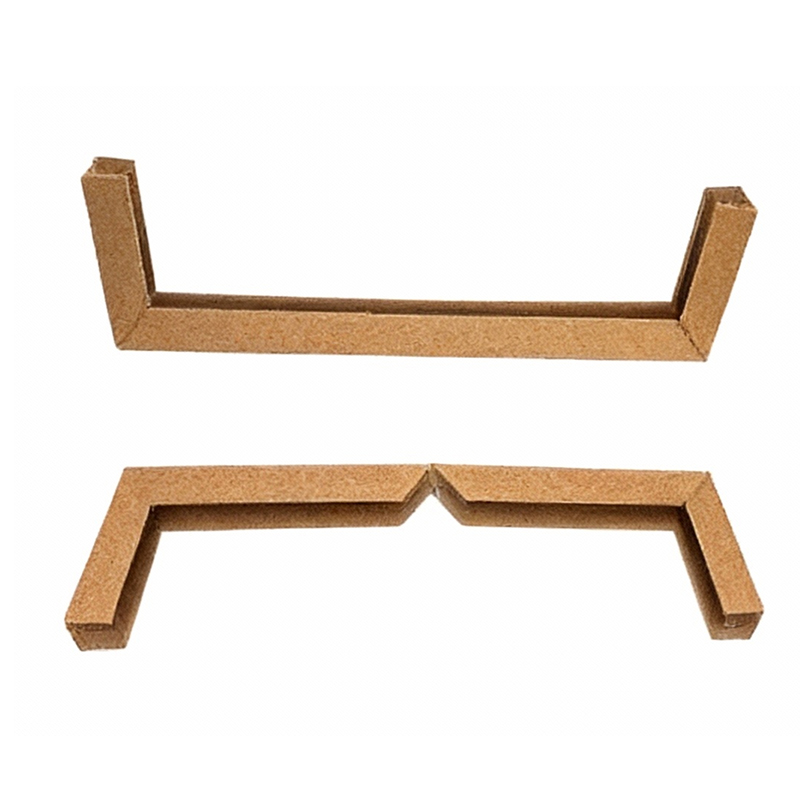
These are the classic go‑to. Made from several layers of kraft paper glued tightly together, they form a hard 90‑degree angle. They wrap around the corner of a box, pallet, or even individual pieces of furniture. Most suppliers offer them in lengths from 1 inch to 8 feet, with thicknesses between 2mm and 8mm. The thicker the protector, the more crush resistance it provides.
Formable Corner Pads
Need to protect odd shapes? Formable paper corner pads are softer and can be molded around curved edges like round table tops or art canvases. They still use recycled paper fibers but are less rigid, so you can bend them to fit non‑square corners. Perfect for glass, mirrors, or any product with a unique profile.
Heavy‑Duty Industrial Edging
For palletized loads weighing hundreds of pounds, you need industrial‑grade paper edge protectors. These often have extra glue layers and a higher number of plies (10‑12 ply vs. standard 4‑6 ply). They’re designed to withstand strapping pressure without collapsing, protecting both the goods and the straps themselves from cutting into the carton.
Key Benefits for Your Packaging Process
Switching to paper corner protectors isn’t just about “being green”. It actually saves you money and headaches. Here’s what you gain:
- Reduced product damage – Corners are the weakest part of any package. A paper edge protector distributes impact across a larger area, slashing return rates for crushed or dented items.
- Lower shipping weight – Paper corner guards weigh almost nothing compared to wood blocks or injected foam. That means lighter packages and lower freight bills.
- No more plastic waste fees – Many cities now charge extra for non‑recyclable packaging materials. Paper protectors go straight into the recycling bin, saving you compliance costs.
- Custom branding available – You can print your logo, handling instructions, or “fragile” warnings directly on the protector. It turns a functional piece into a marketing touchpoint.
- Easy to apply – Workers can slide them on in seconds without any tools. No messy glue or tape required for basic protection.
How to Select the Right Size and Strength
Picking the wrong paper corner protector is like wearing shoes two sizes off – it just doesn’t work. Here’s a practical guide to match the protector to your product. First, measure the thickness of your item’s corner (the leg length). Most protectors have legs of 50mm, 75mm, or 100mm. Then decide on the thickness of the protector itself (the material gauge). The table below shows typical recommendations:
| Product Weight | Recommended Protector Thickness | Typical Use Case |
| Under 10 lbs | 2mm – 3mm | Picture frames, small electronics, books |
| 10 – 40 lbs | 4mm – 5mm | Laptops, power tools, kitchen appliances |
| 40 – 150 lbs | 6mm – 8mm | Furniture, TVs, industrial parts |
| Palletized loads (500+ lbs) | 8mm – 12mm | Bulk cartons, machinery, stacked cases |
Also check the edge crush test (ECT) rating if your supplier provides it. A higher ECT number means the protector can handle more stacking pressure without buckling. For most e‑commerce shipments, a 32 ECT is plenty; for heavy pallets, aim for 44 ECT or higher.
Real‑World Applications and Examples
You’ll find paper corner protectors everywhere once you start looking. Here are a few industries that rely on them daily:
- Furniture & Mattresses – Corner protectors keep bed frames, table edges, and headboards from getting scuffed during last‑mile delivery. Many movers tape them directly onto wooden edges before wrapping with moving blankets.
- Glass & Ceramics – A single impact on a glass corner can ruin the whole piece. Paper edge guards create a crush zone that absorbs shock before it reaches the fragile material. Mirror manufacturers often use formable pads with extra cushioning.
- Automotive Parts – Car fenders, bumpers, and windshields are awkward to pack. L‑shaped paper corner protectors fit snugly over the edges, preventing scratches while the part is strapped to a pallet.
- Subscription Boxes – High‑end subscription services use custom‑printed paper corner protectors to add an unboxing “premium” feel while protecting inside items like candles, skincare bottles, or collectibles.
- Moving & Storage – DIY movers buy paper corner protectors by the roll or pack to shield sofa corners, dresser edges, and countertops while in a moving truck. Storage facilities also hand them out to tenants to prevent door frame damage.
Installation Tips and Best Practices
Using paper corner protectors is straightforward, but a few tricks make them work even better. First, always match the leg length to the surface you’re protecting. If the leg is too short, the corner will still be exposed. Too long, and it wastes material. For square boxes, simply slide one protector over each of the four bottom corners before placing the box on a pallet. For top corners, add protectors after stacking, then apply strapping or stretch wrap.
When using strapping (plastic or metal bands), put the paper edge protector directly under the strap. The protector spreads out the strap’s tension so it doesn’t cut into the carton. Without this step, a tight strap can slice through cardboard like a knife. Also, do not reuse paper corner protectors that have visible crush marks or cracks – the paper fibers have already been compressed and lost most of their strength.
For extra humidity resistance, ask your supplier for wax‑coated or moisture‑resistant paper corner protectors. They cost a little more but work great for cold‑chain shipments or packages stored in damp warehouses. And if you’re packing something with rounded edges, skip the rigid L‑shapes and get formable pads instead – trying to force a rigid protector onto a curve will just crack it.
Comparing Paper Corner Protectors to Other Materials
Still on the fence? Here’s a quick comparison so you can see where paper corner protectors win (and where they might not).
| Material | Strength | Cost per piece | Recyclable? | Best use |
| Paper corner protector | Good to excellent (depends on ply) | Low ($0.05 – $0.50) | Yes – curbside | Everyday shipping, e‑commerce, furniture |
| Plastic corner guard | Excellent (rigid) | Medium ($0.20 – $1.00) | No – specialized facility | Reusable crates, extremely heavy loads |
| Foam corner block | Low (compresses easily) | Medium to high ($0.30 – $1.50) | No (most foam) | Fragile items with odd shapes |
| Wood edge protector | Very high | High ($1.00 – $4.00) | Yes – but heavy & bulky | Industrial machinery, steel coils |
For the vast majority of businesses, paper corner protectors hit the sweet spot: cheap, strong enough, and guilt‑free for the planet. Only switch to plastic or wood if you’re shipping extreme weights (over 2,000 lbs) or need reusable guards for a closed‑loop system.
Related Products


PRODUCT
CONTACT INFO
-
 +86-137 7421 9489
-
 +86-021-67558008
-
 [email protected]
-
 No.769 ,23# building, Fengliang Road,Fengcheng town,Fengxian District,Shanghai,China
MOBILE QR CODE
Copyright © Shanghai We Pack Co., Ltd. All Rights Reserved.
Cargo Securing Solutions Cargo Transport Protection Solutions

