
 Español



Everything You Need to Know About PVC Dunnage Bags
 2026.04.30
 Industry News
If you've ever had freight shift, tip over, or arrive damaged during transit, you already know how costly that can be. PVC dunnage bags — also called inflatable dunnage bags or cargo air bags — are one of the most practical and cost-effective solutions for preventing exactly that. This guide breaks down everything you need to know: what they are, how they work, what types are available, and how to pick the right one for your shipment.
Content
- 1 What Is a PVC Dunnage Bag and How Does It Work?
- 2 PVC vs. Kraft Paper Dunnage Bags: What's the Real Difference?
- 3 Standard Sizes and Pressure Ratings Explained
- 4 Step-by-Step: How to Use a PVC Dunnage Bag Correctly
- 5 Key Industries and Cargo Types That Rely on PVC Cargo Bags
- 6 What to Look for When Buying PVC Dunnage Bags
- 7 Common Mistakes That Lead to Dunnage Bag Failure
- 8 Environmental Considerations and Disposal
What Is a PVC Dunnage Bag and How Does It Work?
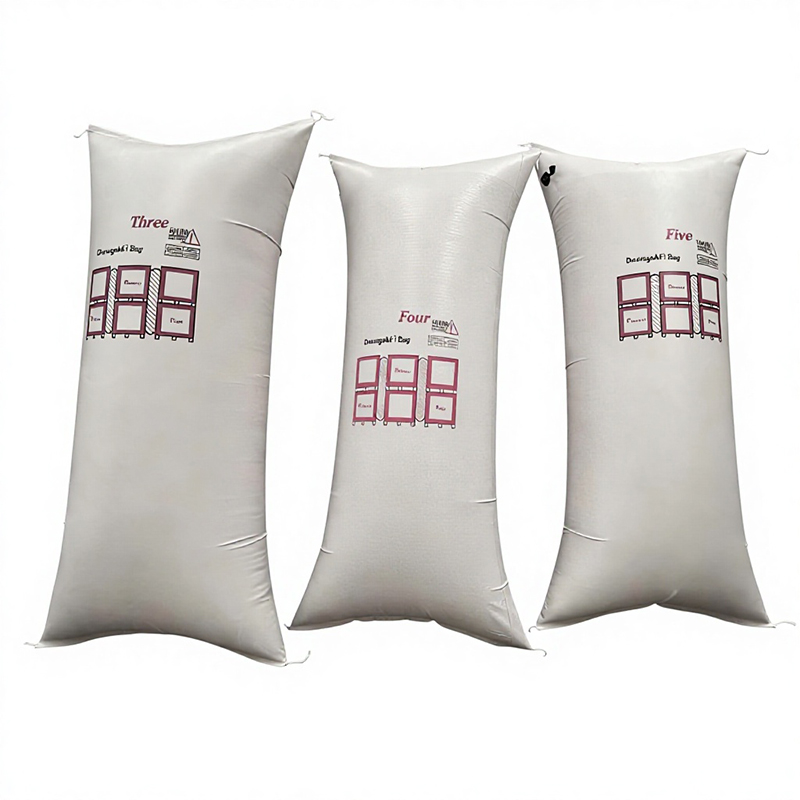
A PVC dunnage bag is an inflatable void-filling bag made from a durable PVC (polyvinyl chloride) film, designed to be inserted into the empty spaces between cargo loads inside shipping containers, railcars, trucks, or sea vessels. Once placed in the void, the bag is inflated using a standard air pump or pneumatic inflator until it fills the gap and applies even lateral pressure against the surrounding cargo.
The core function is straightforward: prevent cargo movement. When freight shifts during transport — whether from acceleration, braking, cornering, or wave motion at sea — unsecured loads can collide, compress, or topple, leading to product damage, packaging failure, and even structural damage to the container itself. A properly inflated PVC air bag for cargo acts as a cushion and a brace simultaneously, absorbing impact energy and keeping pallets, crates, and boxes locked in position.
Unlike wooden blocking, foam inserts, or paper-based dunnage, PVC inflatable bags are reusable, lightweight when deflated, and require no special tools or extensive labor to deploy. A single worker can install one in under two minutes.
PVC vs. Kraft Paper Dunnage Bags: What's the Real Difference?
The two dominant materials in the dunnage bag market are PVC film and kraft paper (woven polypropylene laminate). Each has distinct performance characteristics, and choosing the wrong one for your application can result in bag failure or unnecessary cost.
PVC Inflatable Dunnage Bags
- Made from multi-layer PVC film, typically 0.25mm to 0.45mm thickness
- Transparent or semi-transparent, allowing visual inspection of inflation level
- Excellent moisture resistance — suitable for sea freight and humid environments
- Reusable across multiple shipments when handled carefully
- Better suited for smooth-surfaced cargo where abrasion is minimal
Kraft Paper / Woven PP Dunnage Bags
- Outer kraft or woven polypropylene shell with an inner PE or PP bladder
- Higher puncture and abrasion resistance for rough or jagged cargo surfaces
- Generally single-use or limited reuse
- Available in higher load-bearing ratings (Level 3 and above per AAR standards)
- More opaque — inflation level must be checked by feel or pressure gauge
For sea container and road freight with relatively smooth packaged goods (bagged goods, boxed products, shrink-wrapped pallets), PVC dunnage bags deliver strong performance at a lower per-unit cost. For railcar shipments or heavy industrial cargo with sharp edges, woven bags typically offer better durability.
Standard Sizes and Pressure Ratings Explained
PVC dunnage bags are available in a wide range of sizes to match common void dimensions in shipping containers and transport vehicles. Understanding both size and pressure rating is essential for selecting a bag that will actually secure your cargo.
Common Dunnage Bag Sizes
| Size (W × L) | Typical Void Width | Common Application |
| 450mm × 1200mm | 50–200mm | Small gaps between pallets |
| 600mm × 1200mm | 100–300mm | Standard container row gaps |
| 900mm × 1800mm | 150–400mm | 20ft and 40ft sea containers |
| 1000mm × 2000mm | 200–500mm | Large container voids, railcar |
| 1200mm × 2400mm | 250–600mm | Heavy-load containers, bulk cargo |
Pressure Ratings and AAR Load Levels
Dunnage bag performance is classified by load level ratings, a standard developed by the Association of American Railroads (AAR) and widely adopted across global logistics. PVC inflatable bags typically fall in Level 1 and Level 2 categories:
- Level 1: Maximum working pressure ~0.35 bar (5 PSI). Suitable for light cargo such as boxed consumer goods, bagged food products, and lightweight packaged items.
- Level 2: Maximum working pressure ~0.55 bar (8 PSI). Appropriate for medium-weight cargo including appliances, auto parts in boxes, and stacked cartons.
- Level 3–5: Higher-rated woven or multi-ply bags for heavy industrial loads — typically not PVC film construction.
Always inflate PVC dunnage bags to the manufacturer's recommended PSI, not to maximum capacity. Over-inflation is a leading cause of bag rupture and can damage cargo rather than protect it.
Step-by-Step: How to Use a PVC Dunnage Bag Correctly
Correct installation is just as important as choosing the right bag. A correctly sized bag installed improperly will still allow cargo movement or burst under load.
- Step 1 — Measure the void: Before selecting a bag, measure the actual gap width between cargo rows. The bag's deflated width should be at least 30% larger than the void width to ensure adequate contact pressure when inflated.
- Step 2 — Check cargo surfaces: Remove any sharp protrusions, staples, banding corners, or splinter-risk packaging that could puncture the PVC film. For rough surfaces, add a layer of cardboard between the bag and cargo.
- Step 3 — Insert the deflated bag: Slide the flat, deflated PVC bag into the void horizontally. The bag should span the full height of the cargo stack for maximum stabilization. For tall loads, use two stacked bags rather than one undersized bag.
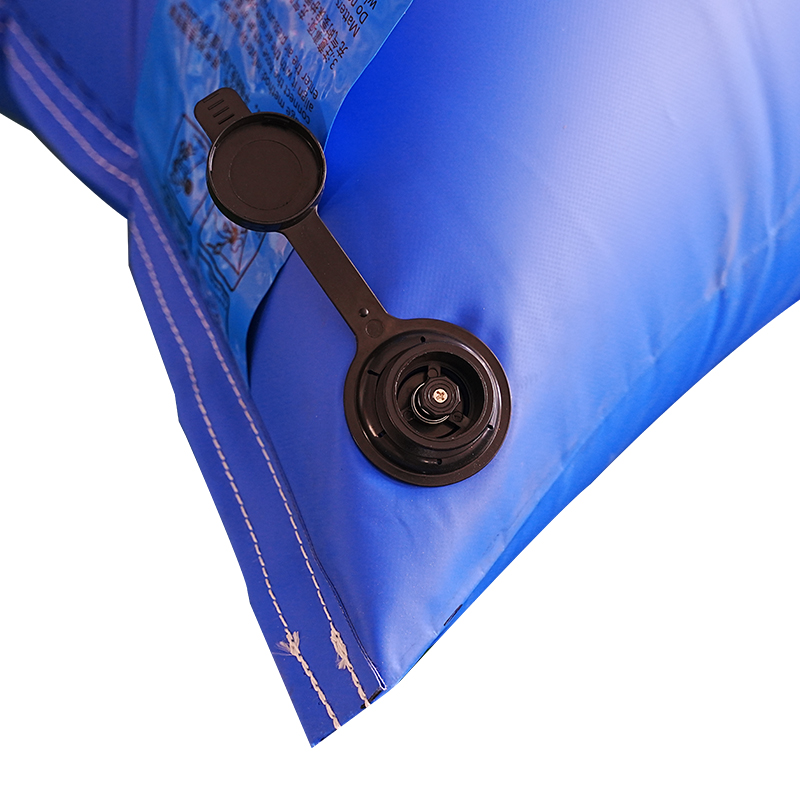
- Step 4 — Inflate to working pressure: Connect a pneumatic inflator or hand pump to the bag's valve. Inflate to the recommended working pressure (check the bag's label or manufacturer spec sheet). Use a pressure gauge — do not estimate by feel alone.
- Step 5 — Verify contact and stability: After inflation, confirm that the bag is in firm contact with cargo on both sides. There should be no visible gaps. Gently push the adjacent cargo to confirm it does not shift.
- Step 6 — Deflate and recover after delivery: At the destination, release air through the valve before attempting to remove the bag. Do not drag inflated bags across rough surfaces. For reuse, inspect the PVC film for micro-tears, valve damage, or delamination before re-deployment.
Key Industries and Cargo Types That Rely on PVC Cargo Bags
PVC inflatable dunnage bags are used across a wide range of industries wherever cargo is containerized or loaded into vehicles with unavoidable void space. The following sectors are among the heaviest users:
Food and Beverage
Bagged grains, bottled beverages, canned goods, and dairy products are frequently shipped in 20ft and 40ft sea containers. PVC void filler bags are preferred here because they are food-safe, moisture-resistant, and leave no residue or contamination risk on food packaging — unlike some paper-based alternatives that can absorb humidity and transfer mold or odor.
Automotive Parts
Engines, transmission components, and body panels are high-value, damage-sensitive freight. PVC dunnage bags fill residual voids after pallet blocking, preventing vibration-induced contact damage. The transparency of PVC film allows logistics inspectors to confirm correct inflation and bag integrity without unloading cargo.
Chemicals and Industrial Goods
IBC totes, drums, and intermediate bulk bags require lateral support to prevent rocking and toppling during road or sea freight. PVC cargo air bags are chemical-resistant to most non-aggressive substances and will not react with or contaminate industrial packaging surfaces.
Retail and E-Commerce Fulfillment
High-volume LCL (less-than-container-load) shipments commonly involve mixed pallets from multiple SKUs, leaving irregular void patterns. PVC inflatable bags adapt to non-uniform gaps more flexibly than rigid blocking solutions, making them practical for mixed-load containers.
What to Look for When Buying PVC Dunnage Bags
Not all PVC inflatable dunnage bags on the market are manufactured to the same standard. Evaluating suppliers on the following criteria will help avoid low-quality products that fail in the field:
- Film thickness and uniformity: Request the PVC film gauge specification. A minimum of 0.28mm is recommended for standard applications. Uneven film thickness is a manufacturing defect that creates weak spots prone to burst failure.
- Valve quality: The inflation valve is the most mechanically stressed component. Look for a reinforced PP or ABS valve housing with a positive seal mechanism. Cheap valves lose pressure during transit, rendering the bag ineffective.
- Seam integrity: PVC bags are either heat-sealed or high-frequency welded at the seams. High-frequency (HF) welded seams are significantly stronger and more consistent than basic heat seals. Ask the manufacturer which process they use.
- Certifications: For international shipments, check whether the bags carry ISTA (International Safe Transit Association) testing certification or comply with ISO 14876 standards for inflatable dunnage bags. For US rail shipments, AAR approval is required.
- Reuse rating: Reputable manufacturers specify a recommended number of reuse cycles. A quality PVC dunnage bag designed for reuse should sustain 10–20 cycles under normal conditions, significantly reducing per-shipment cost over time.
- Custom sizing availability: Standard catalog sizes fit most applications, but unusual container configurations or specialty cargo may require custom dimensions. Confirm that your supplier can accommodate non-standard orders without excessive lead times or minimum order quantities.
Common Mistakes That Lead to Dunnage Bag Failure
Even high-quality PVC cargo bags fail when used incorrectly. These are the errors that appear most often in freight damage claims involving dunnage bag use:
- Wrong size for the void: Using a bag that is too small for the gap means it will not apply sufficient lateral pressure; using one that is dramatically oversized creates uneven stress concentration at the contact points. Always match bag size to measured void width.
- Over-inflation: Exceeding the rated working pressure stretches the PVC film beyond its designed tolerance and accelerates micro-cracking at seams and bends. This is the single most common cause of mid-transit rupture.
- Direct contact with sharp surfaces: Exposed metal banding edges, pallet nail heads, and jagged strapping are the most frequent causes of puncture. Protective cardboard sleeving over contact points costs almost nothing and dramatically extends bag life.
- Placing bags horizontally in tall voids: A bag placed on its side in a tall gap provides inadequate vertical support and may rotate or slide under dynamic load. Use a vertically oriented bag, or stack two bags for full-height coverage.
- Reusing damaged bags: PVC film develops micro-tears that are not visible under deflated inspection but open under pressure. Establish a pre-use inspection checklist: inflate each reused bag to 50% capacity and hold for 5 minutes before final deployment. Any pressure loss indicates the bag should be retired.
Environmental Considerations and Disposal
PVC material raises a legitimate environmental question for logistics teams with sustainability commitments. Standard PVC is not biodegradable and requires specialized recycling streams — it should not be disposed of with general plastic waste or paper dunnage.
However, the reusability factor significantly offsets the environmental cost per shipment. A PVC dunnage bag used 15 times generates far less total plastic waste than 15 single-use kraft bags for the same application. Maximizing reuse cycles through proper handling, cleaning, and storage is the most practical sustainability action available to logistics operators using PVC inflatable dunnage bags.
For organizations with strict sustainability requirements, some manufacturers now offer TPU (thermoplastic polyurethane) film alternatives that share PVC's performance characteristics with a more favorable recyclability profile. These are currently more expensive but worth evaluating for high-volume, long-term procurement decisions.
Related Products


PRODUCT
CONTACT INFO
-
 +86-137 7421 9489
-
 +86-021-67558008
-
 [email protected]
-
 No.769 ,23# building, Fengliang Road,Fengcheng town,Fengxian District,Shanghai,China
MOBILE QR CODE
Copyright © Shanghai We Pack Co., Ltd. All Rights Reserved.
Cargo Securing Solutions Cargo Transport Protection Solutions

