
 Español


Home / News / Industry News / Folded L-Shaped Paper Corner Protector: Sizing, Fitting, and Pallet Tips
Industry News


Folded L-Shaped Paper Corner Protector: Sizing, Fitting, and Pallet Tips
 2026.11.24
 Industry News
Every carton, crate, and palletized load has the same weak point: the corner. It is the first part to meet a container wall, the part that takes the fork truck bump, and the part where a strap bites into the board. A folded L-shaped paper corner protector answers that problem with a paper angle scored along its length, so a packer can bend it around the corner and press it flat against both faces. No glue, no staples, no extra step beyond the fold itself.
We have shipped these protectors in flat bundles for years, and the questions from the packing line are always the same: how thick, how long, and will the fold hold? Here is what we have learned.
Content
What the Fold Actually Does
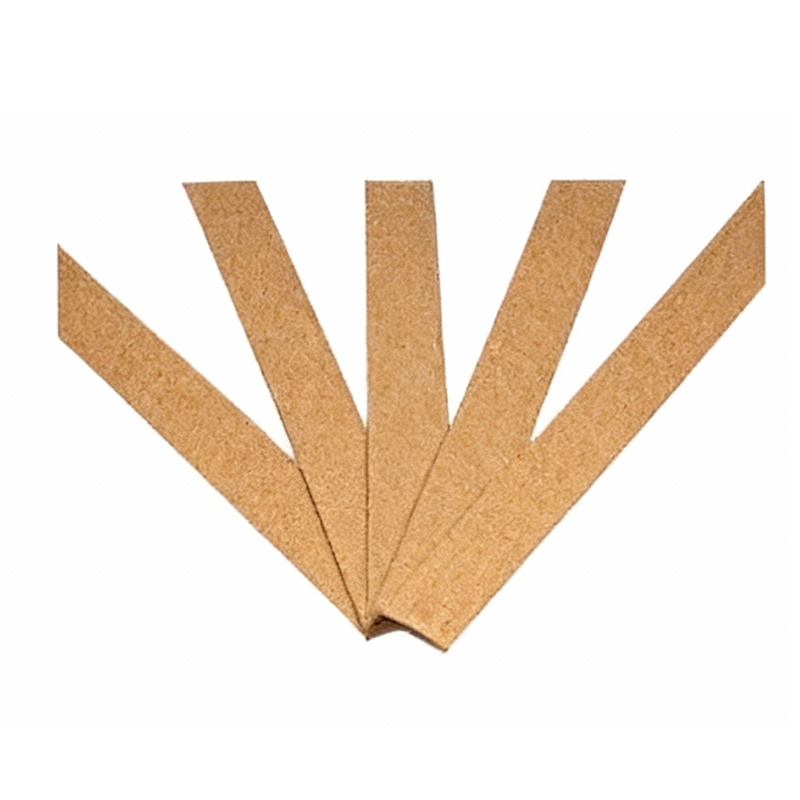
A rigid L-shaped protector is laminated at ninety degrees before it leaves the factory. It is strong, but it is bulky to ship and it fits one corner angle only. A folded L-shaped protector leaves the factory flat, with a scored line running the full length of the piece. The score compresses the board slightly so the paper bends cleanly instead of cracking.
When the packer folds it, the outer layer stretches and the inner layer compresses, creating a small spring along the fold. That spring is why the protector stays put during wrapping and strapping — it grips the corner instead of sliding off. It also lets the same piece follow a slightly rounded corner, which a rigid angle cannot do.
Most of our folded protectors are built from laminated kraft paperboard in two or three plies, with a caliper between 3 mm and 8 mm. The score runs with the grain, and that detail is worth checking: a fold cut across the grain looks fine on the first carton and splits by the fiftieth, especially in dry warehouse air.
Where Folded Corners Earn Their Keep
The obvious job is export carton reinforcement, but the folded format turns up in more places than people expect:
- Corrugated cartons that need edge protection without a second carton.
- Palletized goods, where corner boards sit under stretch film and spread the wrap tension.
- Flat-pack furniture, framed prints, doors, and panel goods, where a soft fold will not mark the finish.
- Bundles of profiles, timber, and extrusions that are strapped together.
- Returnable loops, because the protector flattens again for the trip back.
When we produce white coated protectors for fruit cartons, the fold matters for a second reason: the board bends around the corner without cracking the coated surface, so the packaging still looks presentable at the retail end.
Specifying the Right Size and Board
There is no universal size. The dimensions below decide whether a protector performs or simply looks the part.
| Parameter | What it controls | Typical range | Practical note |
|---|---|---|---|
| Leg length | Coverage on each face | 40–100 mm | Longer legs spread impact and give straps a flat seat. |
| Board caliper | Impact absorption | 3–8 mm | Match to carton weight; heavier loads usually need more plies, not just more thickness. |
| Fold width | Fit around the corner | Matches corner radius | A fold that is too tight bridges the corner and rocks. |
| Ply count | Stiffness and tear resistance | 2–3 plies | Three-ply holds shape better in humid container air. |
| Paper grade | Surface and printability | Kraft or recycled test liner | White coated grades suit retail-facing cartons. |
| Length | Coverage along the edge | Cut to order | Longer pieces mean fewer parts handled per pallet. |
If you are unsure where to start, measure the corner, add 3–5 mm for board thickness and wrap, then choose a leg length that extends at least 30 mm beyond the strapping line. That gives the strap a flat surface instead of a sharp edge to cut into.
Mistakes We See Most Often
- Using a rigid angle where a folded one would fit. If the corner is even slightly rounded, the rigid piece bridges it and concentrates load on two points.
- Choosing thickness before ply count. A 6 mm two-ply board can crush more easily than a 5 mm three-ply board of the same grade.
- Ignoring grain direction. A fold running across the grain fails quietly, carton after carton.
- Treating the protector as a structural member. It guards edges and spreads abrasion; it does not replace a rated strap or a corner block on a heavy machine.
- Wrapping first and protecting later. Stretch film pulls corners inward, so the protector belongs in place before the wrap goes on.
Pairing Corner Protection with the Rest of the Load
Corner protectors rarely travel alone. On a pallet they work alongside stretch film, strapping, and often a slip sheet. The folded L-shaped piece is the general-purpose choice for cartons and light pallets, and it is the format we suggest first for mixed loads because one SKU covers a range of corner angles.
For heavier cartons or loads that will be double-stacked, a heavier L-shaped board is the better match:
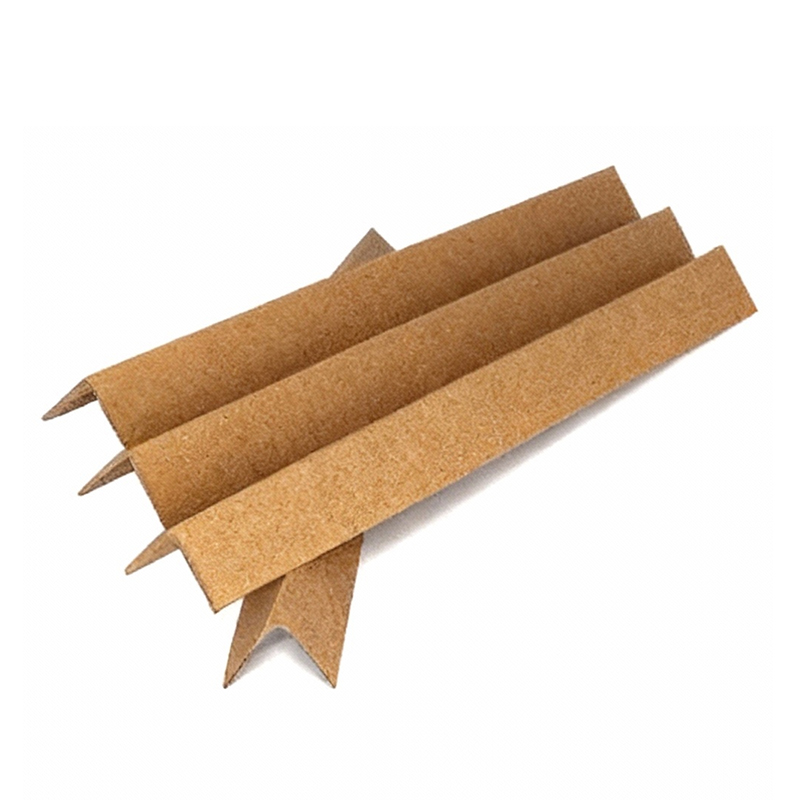 Heavy-Duty L-Shaped Paper Edge ProtectorA reinforced L-shaped paper protector for heavier cartons and double-stacked loads, made from kraft liner and sand tube paper with customizable dimensions.View Product →
When straps cross the corner, a perforated protector lets the band pass through pre-cut slots instead of pressing on the board edge:
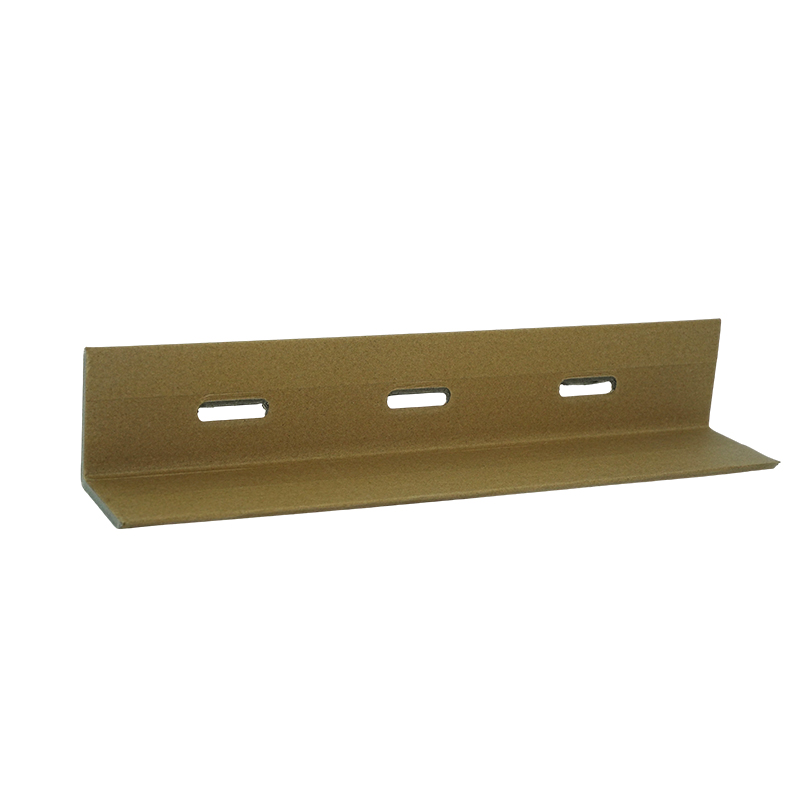 Perforated Paper Corner Protector for StrappingA paper corner protector with pre-drilled holes that let straps or ropes pass through, helping secure irregular goods and protect edges during transport.View Product →
And for the everyday carton-and-pallet job, the folded L-shaped protector is here:
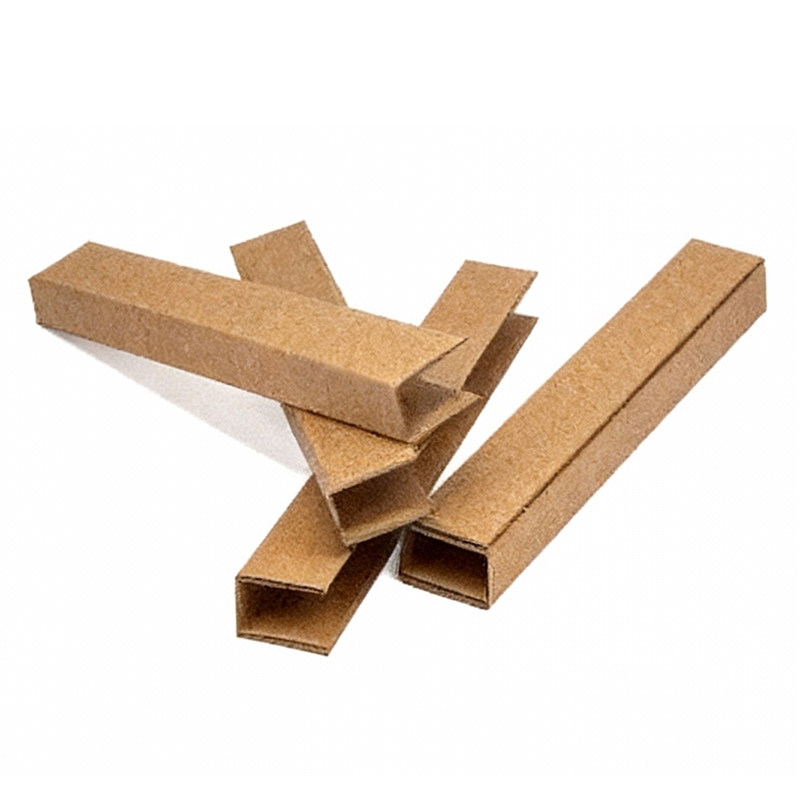
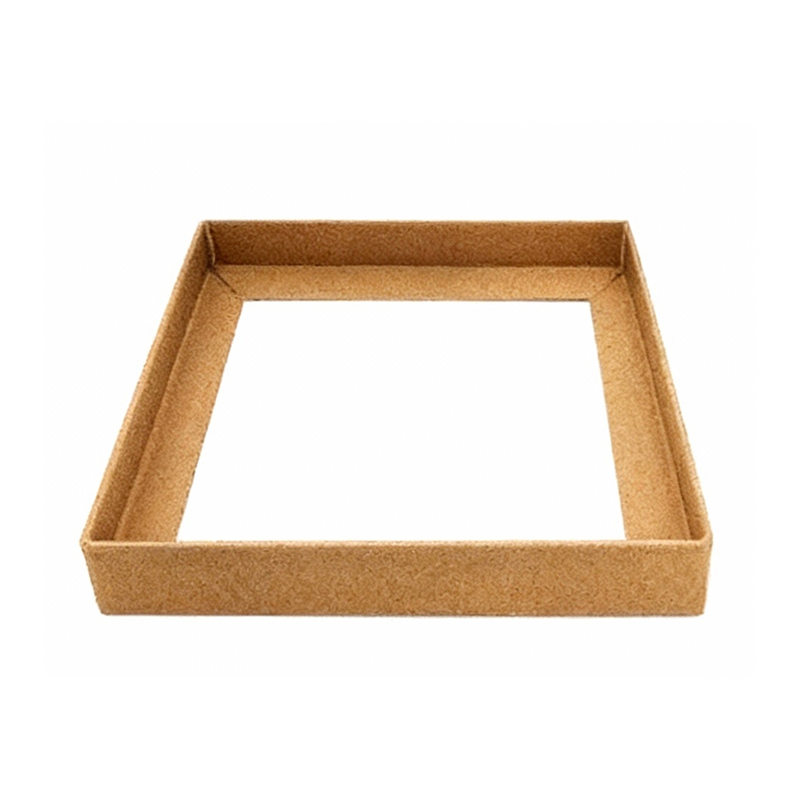 Folded L-Shaped Paper Corner ProtectorAn everyday paper corner protector for cartons and pallets, made from recyclable kraft and sand tube paper to reinforce edges and resist transport compression.View Product →
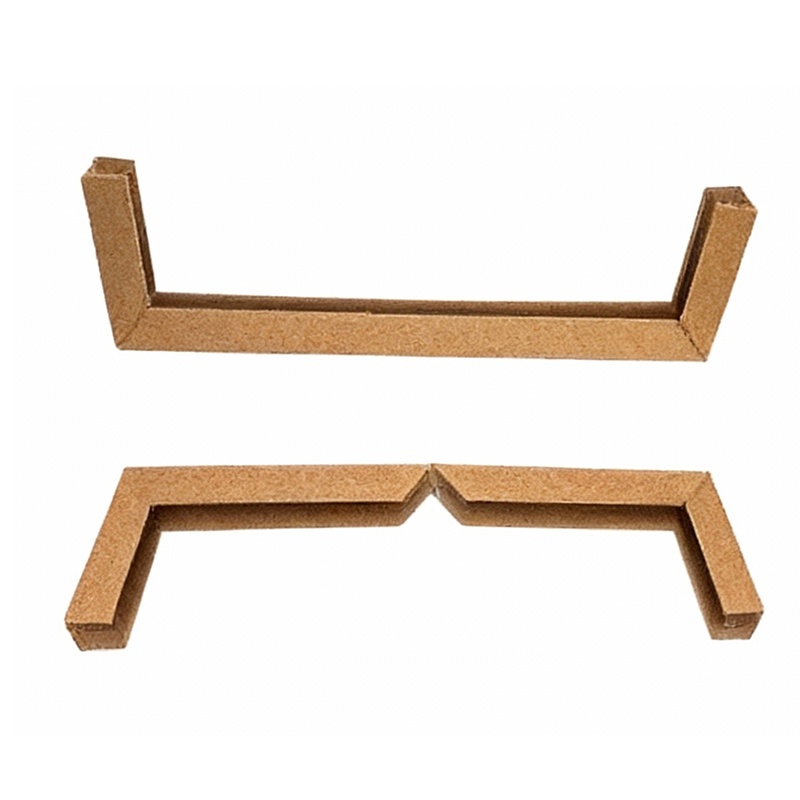
If you want a wider comparison of corner styles before deciding, our guide to paper corner protectors walks through flat, U-shaped, ring, and interlocking formats.
Storage, Reuse, and the Sustainability Story
Folded protectors ship flat, which is their quiet advantage: a pallet of flat blanks takes roughly a third of the space of the same count of rigid angles. That lowers freight cost and warehouse footprint, and it keeps several sizes within arm's reach of the bench.
On the material side, uncoated kraft and recycled test liner grades are repulpable and recyclable in normal paper streams. Water-based coatings on white grades keep the piece printable without turning it into a composite. Where a customer runs a returnable loop, the fold allows the protector to be flattened and used again several times before the score softens.
Store flat bundles on a dry pallet, off concrete, and avoid stacking heavy items on top — crushed board and creased scores both weaken the fold. In humid ports, keep the bundles wrapped until the shift begins.
Getting the Fit Right Before You Order
The fastest way to choose a folded L-shaped protector is to send us a sample carton corner or a few photos with dimensions: leg length, board thickness, corner radius, and the strap or film you plan to use. We can cut a short run to that spec and let your packers fold it on the line, which usually settles the ply-count question in an afternoon.
Tell us the transit mode as well. A container crossing the equator in August asks very different things of paperboard than a regional truck lane, and the right answer often changes the paper grade rather than the size. You can reach the team through our contact page.
None of this is complicated, but the details — grain direction, fold width, ply count — are what separate a protector that survives the journey from one that arrives flattened and useless. Get those right, and the corner stops being the weak point.
Related Products


PRODUCT
CONTACT INFO
-
 +86-137 7421 9489
-
 +86-021-67558008
-
 [email protected]
-
 No.769 ,23# building, Fengliang Road,Fengcheng town,Fengxian District,Shanghai,China
MOBILE QR CODE
Copyright © Shanghai We Pack Co., Ltd. All Rights Reserved.
Cargo Securing Solutions Cargo Transport Protection Solutions

