
 Español


Home / News / Industry News / Fiber Buckle Guide: Choosing and Using Composite Strap Buckles for Cargo
Industry News


Fiber Buckle Guide: Choosing and Using Composite Strap Buckles for Cargo
 2026.11.04
 Industry News
“Fiber buckle” is one of those search terms that can point in two directions. One direction is consumer belt hardware, where carbon-fiber buckles and fashion accessories dominate the results. The other direction, and the one that matters in transport packaging, is the buckle used to close and hold polyester fiber or composite strapping. In our work at Shanghai We Pack, we meet this confusion often, so it helps to start with a plain definition.
A fiber buckle is a small but load-bearing part of a strapping system. It is not a decorative item, and it is not a universal accessory that fits every strap. It works together with the strap, the tensioner, and the way the cargo is handled. When those parts are matched well, the buckle does its job quietly. When they are not, the strap can slip, the load can shift, or the buckle can damage the strap under tension.
Content
What a Fiber Buckle Is
In packaging language, a fiber buckle is a fastener used with fiber-based strapping. It may be made from zinc-plated steel or a composite material, and its role is to hold the strap end so the loop can be tensioned and secured. Unlike a ratchet tie-down with hooks, a fiber buckle is compact and works as one part of a strapping system: strap, buckle, and tensioner. The buckle does not carry the load by itself. It keeps the strap path closed so tension can be maintained across the package.
A good buckle should sit flat against the strap, keep the strap aligned, and avoid sharp edges that could abrade polyester fibers. The strap should pass through cleanly, without twisting or bunching. If the buckle is too wide, the strap may sit loosely and lose contact. If it is too narrow, the strap may jam or curl at the edge.
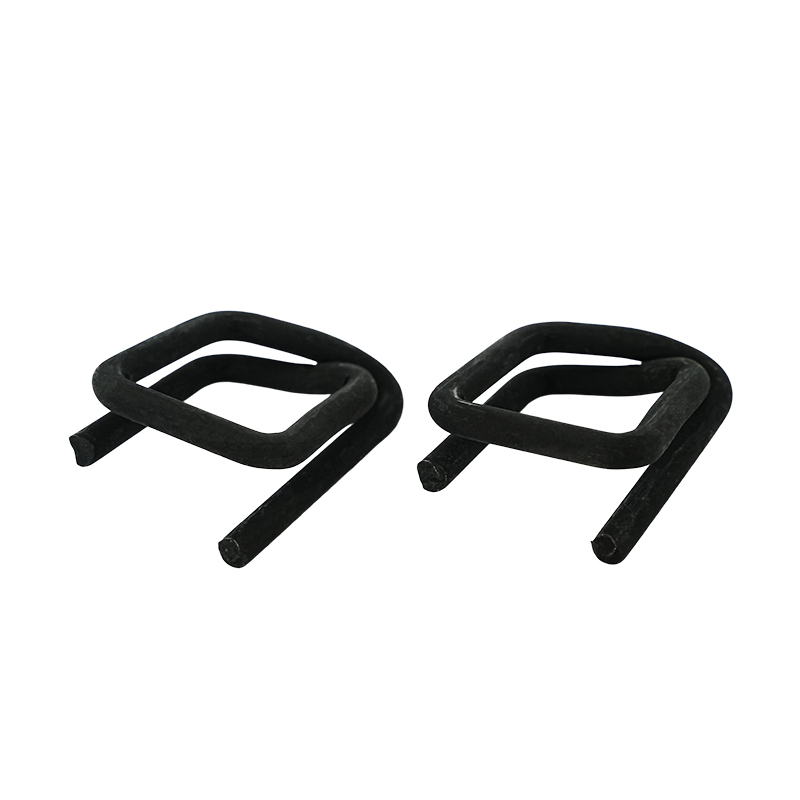 Manual Tensioner Buckle Zinc-Plated Steel CompositeCopyright © Shanghai We Pack Co., Ltd. All Rights Reserved.View Product →
One of our current fiber buckle options is a manual tensioner buckle in zinc-plated steel for composite strap. It is designed as a matched component rather than a one-size-fits-all accessory, which is the right way to think about this part of the system. Buyers should check strap width, strap type, buckle material, and tensioning method before choosing.
How It Works with Composite and Polyester Strapping
Composite strap is made from polyester fiber cords embedded in a polymer jacket. It is strong, flexible, and less likely to damage carton edges than steel strap. Polyester woven strap is another common choice for lashing and bundling. In both cases, the buckle must follow the strap path without creating a weak point.
In practice, the operator threads the strap, applies tension with a manual or powered tensioner, and closes or locks the buckle. Tension should be enough to keep the load stable without crushing cartons or deforming soft goods. This sounds simple, but the correct tension depends on the load, the strap, and the journey. A pallet of rigid building materials and a pallet of boxed electronics do not need the same approach.
We tell teams to test on a sample load before a full shift. Run the strap over the actual corners, through the actual buckle, and with the actual tensioner. Then lift, tilt, or move the load in a safe way and inspect the strap. If the strap has flattened, frayed, or slipped at the buckle, the combination needs adjustment. This short trial prevents a lot of rework later.
Matching Buckle, Strap, and Tensioner
A fiber buckle is only one part of the system. The most common field problem is a mismatch between strap width and buckle size. A 25 mm strap and a 32 mm strap may look close on a bench, but they need different buckle geometry. The strap should sit flat, with full contact across the buckle, and the tensioner should pull in a straight line.
A quick comparison
| Fastener | Typical strap pairing | Where it fits | What to watch |
|---|---|---|---|
| Fiber buckle | Polyester fiber or composite strap | Bundles, pallets, general cargo | Match strap width; check edge contact and finish |
| PET or steel buckle | PET strap | Heavy pallets and rigid loads | Use the correct sealing or crimping method |
| Ratchet tie-down | Woven lashing or webbing | Open-deck, vehicle, and outdoor loads | High tension can crush light cargo; inspect hooks |
| Wire or composite buckle | Composite strap | Export cartons and mixed loads | Confirm compatibility with the tensioner |
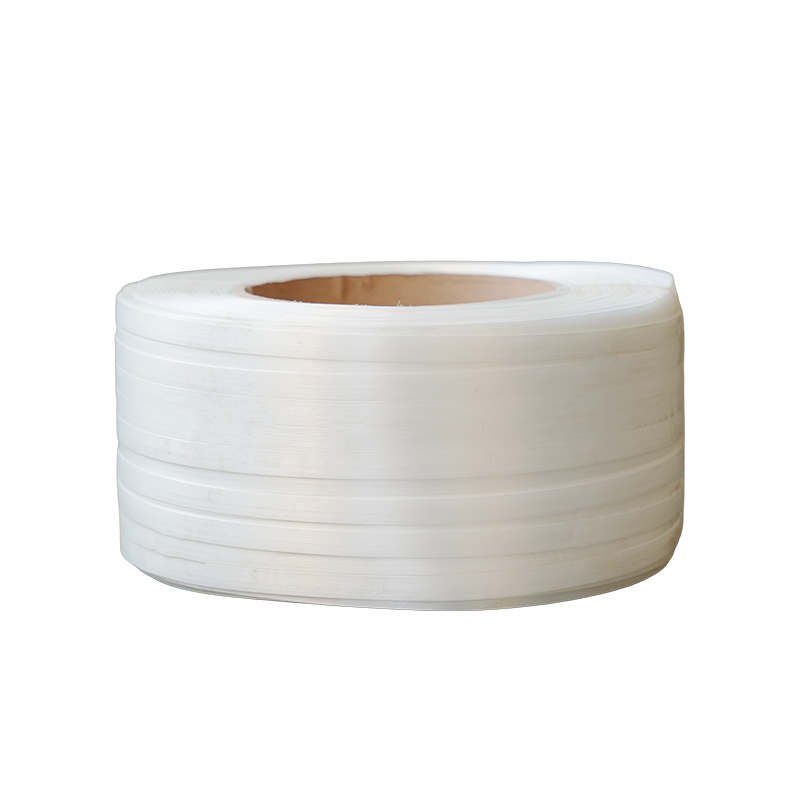 UV Resistant Polyester Fiber Strapping for Outdoor Heavy-Duty UsePolyester Fiber Flexible Strapping is made with high-strength weaving, featuring excellent flexibility that perfectly conforms to the surface of irregularly shaped car...View Product →
For outdoor or heavy-duty loads, strap performance matters as much as buckle choice. UV-resistant polyester fiber strapping is one example of a matched strap for applications where sunlight and load movement are both concerns. The buckle still needs to suit the strap width, but the strap itself should be selected for the environment.
Tools Make the Difference
Even a good buckle can perform poorly with the wrong tensioner. Manual tensioners are simple and portable, but operator technique matters. Powered tools improve consistency on repeat work, yet they still need the correct strap path and tension setting. A bent or twisted strap can jam the buckle or leave uneven tension across the load.
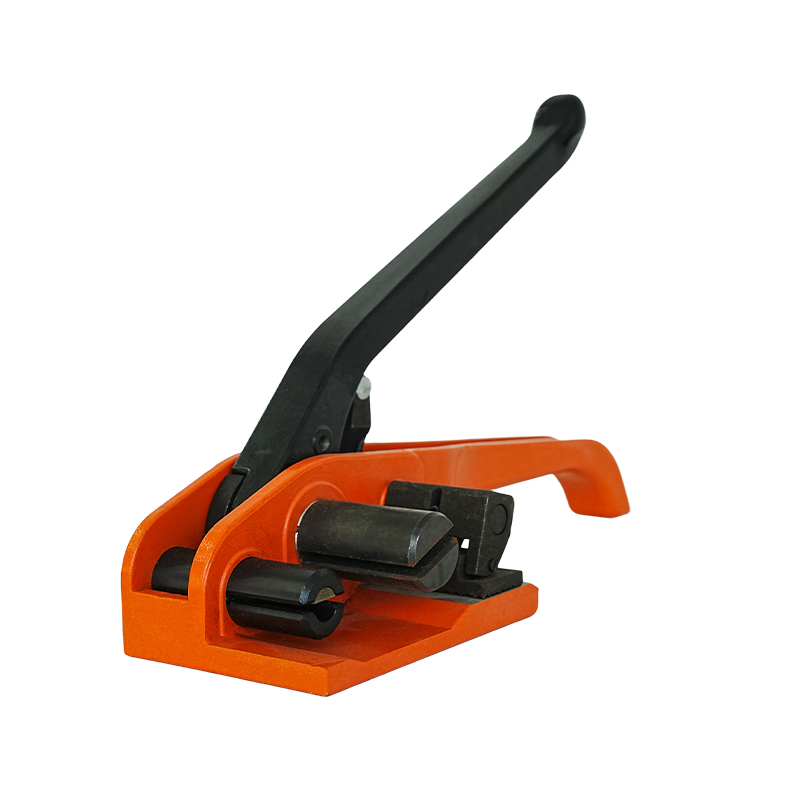 XW20/25/32/50 Manual Polyester Strapping TensionerManual PET/PP strapping tensioner in four width models, with adjustable ratchet tensioning and no power requirement for lower-volume bundling work.View Product →
For lower-volume operations, a manual polyester fiber belt tensioner can be a practical match. For high-volume lines, it is worth checking whether a powered tool gives better repeatability. The goal is not maximum tension. The goal is stable tension that holds through handling, transport, and unloading without damaging the package.
Common Mistakes in the Field
Most fiber buckle failures we see are not dramatic. They come from small mismatches that add up over a shift.
- Using a buckle from a different strap system because it looks close enough.
- Over-tensioning soft cartons and crushing the corners.
- Reusing a bent, worn, or corroded buckle without inspection.
- Skipping edge protection where the strap contacts a sharp corner.
- Mixing buckle materials and strap types without a trial run.
A quick inspection routine helps. Look for strap wear at the buckle, check that the strap sits flat, and confirm that the tensioner is feeding the strap without twists. If a buckle has been deformed, replace it. Small fasteners are inexpensive compared with a shifted load or a rejected shipment.
Where Fiber Buckles Fit in Real Operations
Fiber buckles are common in palletized building materials, bundles of pipe and timber, export cartons, and warehouse orders that need a secure strap without the weight of steel. They also suit loads where the strap must follow an uneven shape or where edge protection is used at the corners. In these applications, the buckle is part of a broader packing method that includes corner protectors, slip sheets, stretch film, or dunnage bags.
For a closer look at how strap selection plays out in a demanding building-materials application, our fiber tape technical solutions case study shows the kind of detail that matters. The lesson is rarely about one product alone. It is about matching the strap, buckle, tensioner, and load protection to the way the cargo actually moves.
A Practical Selection Checklist
When you compare fiber buckle options, work from the load backward.
- Confirm the strap type and width. Composite, polyester woven, and PET strap do not use the same buckle.
- Check the buckle material, finish, and edge quality. A smooth strap path matters more than a shiny surface.
- Match the tensioner to the buckle and strap. The tool should pull straight and apply controlled tension.
- Run a sample load through the full packing method, including corner protection and handling.
- Inspect after transit. Look for strap slip, fiber abrasion, buckle deformation, or crushed cartons.
This checklist is simple, but it catches most of the costly mistakes. It also gives purchasing teams a shared language with warehouse staff and packaging engineers.
Closing Thoughts
A fiber buckle is a small component, but it sits in the chain between the strap and the load. Choose it with the same care you give the strap and tensioner. Start with strap width, confirm the buckle fit, test the tension, and inspect the result. If you want to compare options for your own load, our packaging solutions team can help you begin with the cargo, not the catalogue. That is usually the shortest path to a reliable pack.
Related Products


PRODUCT
CONTACT INFO
-
 +86-137 7421 9489
-
 +86-021-67558008
-
 [email protected]
-
 No.769 ,23# building, Fengliang Road,Fengcheng town,Fengxian District,Shanghai,China
MOBILE QR CODE
Copyright © Shanghai We Pack Co., Ltd. All Rights Reserved.
Cargo Securing Solutions Cargo Transport Protection Solutions

