
 Español

Home / News / Industry News / Paper Slip Sheet: The Cheap Little Sheet That Could Replace Your Pallets
Industry News


Paper Slip Sheet: The Cheap Little Sheet That Could Replace Your Pallets
 2026.08.13
 Industry News
Content
What Exactly Is a Paper Slip Sheet?
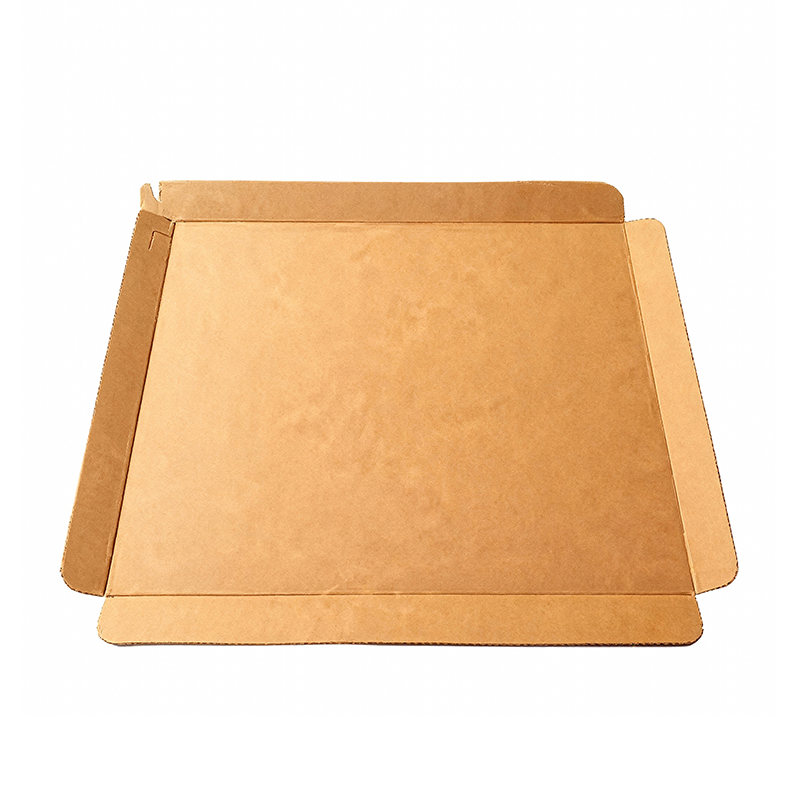
A paper slip sheet is a thin, flat sheet made of heavy-duty corrugated paper, kraft paper, or solid fiberboard that sits underneath a stack of goods and takes the place of a traditional wooden pallet. Instead of forklift forks sliding under a pallet's wooden deck, a special attachment called a push-pull device grips a small lip on the edge of the slip sheet and drags the entire load onto a platen, then pushes it off at the delivery point. It sounds simple because it is simple — that's actually the whole appeal. A paper slip sheet does the same core job as a pallet (keeping goods together and off the ground for handling) but without the bulk, weight, or cost of wood.
Slip sheets typically range from 0.030 to 0.060 inches thick and come in one-way, two-way, three-way, or four-way lip designs, referring to how many edges have the tab that the push-pull attachment grabs onto. The right lip style depends on your warehouse layout and how the load needs to be approached during handling.
Why Companies Are Switching From Pallets to Slip Sheets
The biggest driver behind the switch is almost always cost and weight. A wooden pallet can weigh 30 to 70 pounds and take up several inches of vertical space that adds nothing to the actual product being shipped. A paper slip sheet, by comparison, weighs just a few ounces and is basically flat. When you're shipping thousands of units a year, that difference adds up fast in freight costs, storage space, and even fuel consumption.
- Lower material and disposal costs compared to wood pallets
- More cargo space per container or truckload since slip sheets take up almost no height
- No fumigation or heat-treatment requirements for international shipping (unlike wood under ISPM 15 rules)
- Easier recycling since paper slip sheets are fully recyclable and biodegradable
- Reduced risk of pallet-related injuries like splinters, nails, or broken boards
There's also a sustainability angle that matters more every year. Wood pallets often end up damaged after a few trips and get tossed. Paper slip sheets are lighter to transport in bulk, cheaper to recycle, and generate a smaller carbon footprint across the supply chain.
What You Need to Actually Use a Slip Sheet
This is the part people often overlook: a paper slip sheet isn't a drop-in replacement unless your equipment can handle it. A standard forklift with plain forks can't move a slip sheet load — you need a push-pull attachment mounted on the forklift, which uses a metal platen to grip the sheet's lip and slide the load onto the forks. Without this attachment, the slip sheet just sits there uselessly.
Equipment Checklist Before You Switch
- Forklift with a push-pull attachment installed
- Trained operators familiar with slip sheet handling technique
- Slip sheets matched to your load weight and product type
- Stable, well-stacked loads since slip sheets offer less structural support than a pallet
Because of this equipment requirement, most companies don't switch every single pallet over to slip sheets overnight. Many start with high-volume, standardized product lines where the savings are most obvious, then expand once operators are comfortable with the new handling process.
Choosing the Right Type of Slip Sheet
Not all paper slip sheets are built the same, and picking the wrong one can lead to tears, load shifting, or product damage in transit. The main things to consider are the material grade, thickness, and lip configuration.
| Slip Sheet Type | Best For | Notes |
| Solid fiberboard | Heavier, denser loads | Higher tear resistance |
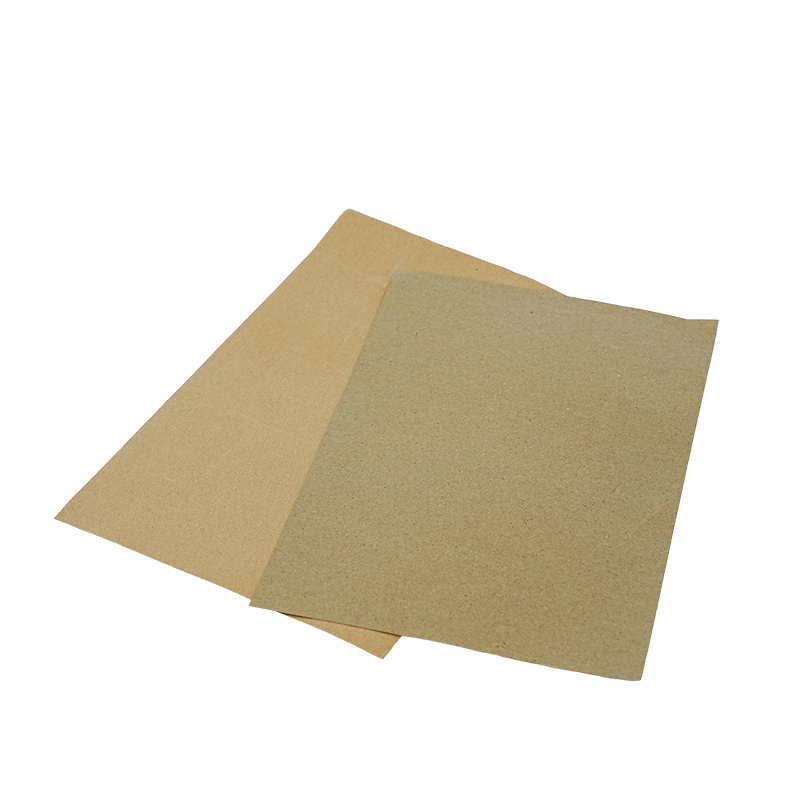
| Corrugated kraft | Standard warehouse goods | Most common and cost-effective |
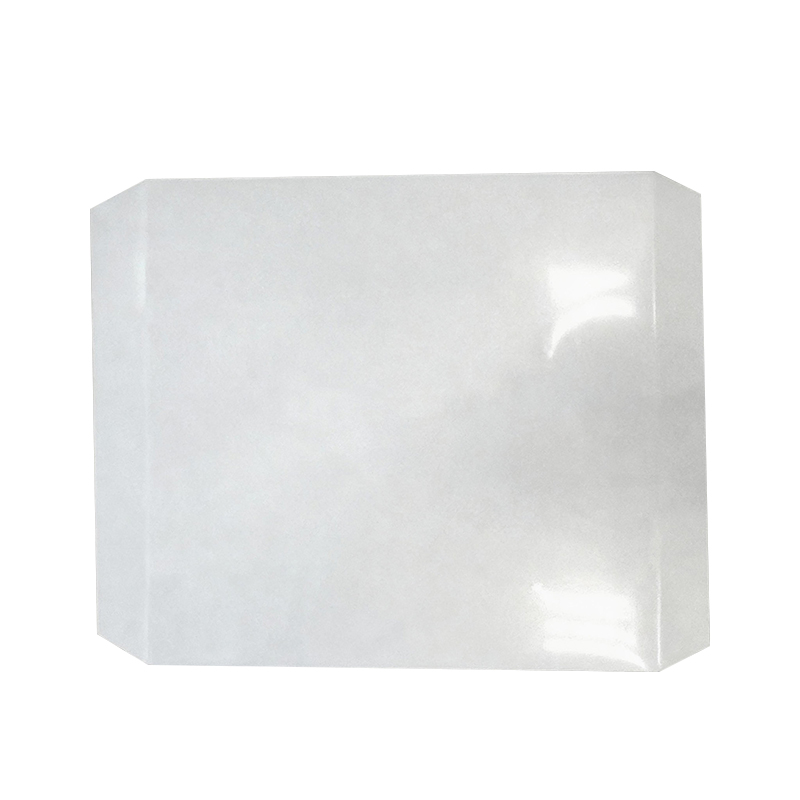
| Coated or laminated paper | Moisture-sensitive shipping | Added protection from humidity |
| One-way lip | Fixed-direction loading docks | Simplest and cheapest option |
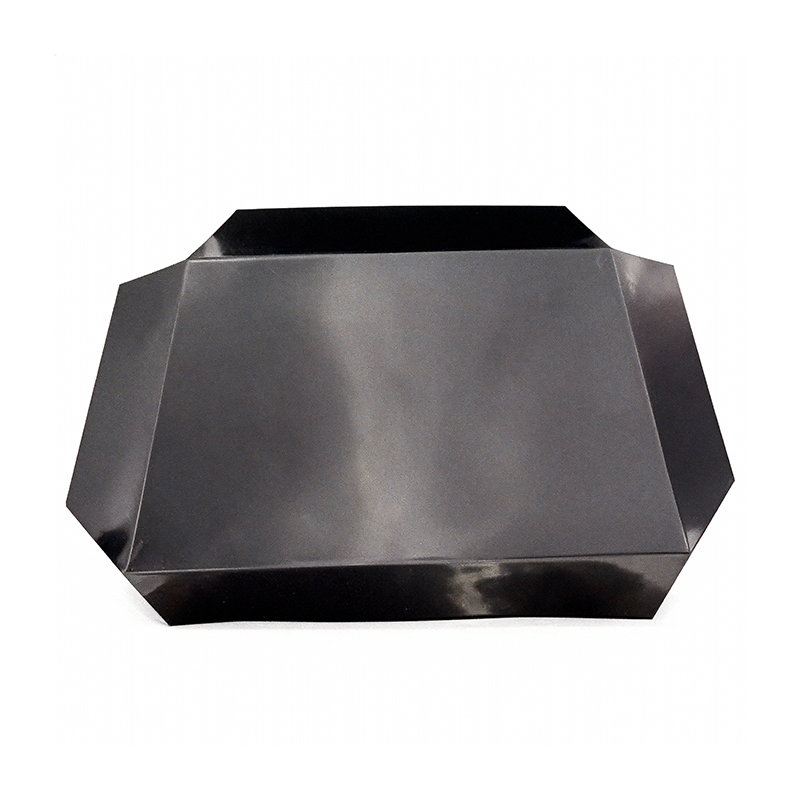
| Four-way lip | Flexible warehouse layouts | Can be approached from any side |
As a general rule, heavier or unevenly shaped loads need a thicker, higher-tear-strength sheet, while lighter, uniform cartons can usually get away with a standard corrugated slip sheet.
Tips for Handling Slip Sheets Without Damaging the Load
Since a slip sheet doesn't have the rigid structure of a wooden pallet, load stability depends much more on how the goods are stacked and secured on top of it. A few practical habits go a long way toward preventing shifting or collapse during transport.
Best Practices for Stable Loads
- Stack products in interlocking patterns rather than straight columns
- Use stretch wrap or strapping to bind the load into a single stable unit
- Keep the load weight within the slip sheet's rated tear and load capacity
- Avoid uneven weight distribution that puts excess pressure on one section of the sheet
- Store slip sheets flat and away from moisture before use to prevent warping
Operators moving slip sheet loads for the first time should also practice on low-value or empty test loads before handling real inventory, since the push-pull technique feels different from standard fork lifting and takes a little muscle memory to get right.
Is a Paper Slip Sheet Right for Your Operation?
Paper slip sheets tend to make the most sense for companies shipping high volumes of standardized products internationally, where wood pallet weight, space, and fumigation rules add real cost. They're less ideal for operations handling irregularly shaped, extremely heavy, or fragile items that need the rigid support a pallet provides. The smartest approach for most warehouses is a hybrid one: keep pallets for awkward or heavy freight, and shift standardized, high-turnover product lines onto slip sheets to capture the savings in space, weight, and shipping costs.
Related Products


PRODUCT
CONTACT INFO
-
 +86-137 7421 9489
-
 +86-021-67558008
-
 [email protected]
-
 No.769 ,23# building, Fengliang Road,Fengcheng town,Fengxian District,Shanghai,China
MOBILE QR CODE
Copyright © Shanghai We Pack Co., Ltd. All Rights Reserved.
Cargo Securing Solutions Cargo Transport Protection Solutions

